
When people talk about diesel trucks, the Cummins 5.9 engine often comes up as a legend. This engine, found in Dodge Ram pickups from the late 1980s to 2007, is famous for its power, reliability, and long life. But to keep a Cummins 5.9 running strong, there’s one thing every owner needs to know: oil capacity. Choosing the right oil, changing it at the right time, and understanding exactly how much the engine needs can make a big difference in performance and engine life. Yet, there’s a lot of confusion and misinformation out there. In this article, you’ll get clear answers about Cummins 5.9 oil capacity, including details for every model year, oil change tips, and the nine most important factors every owner should know. Whether you’re a seasoned diesel mechanic or a first-time truck owner, you’ll find everything you need to keep your Cummins running at its best.
What Is The Cummins 5.9 Engine?
The Cummins 5.9 is a 5.9-liter, inline-six-cylinder diesel engine. It first appeared in Dodge Ram trucks in 1989 and was produced until 2007. There are two main versions: the 12-valve (1989–1998) and the 24-valve (1998.5–2007). The engine is well-known for its simple design, mechanical fuel pump (in early years), strong torque, and ability to handle heavy loads. Truck owners love it for its ability to last hundreds of thousands of miles with proper care.
What makes this engine stand out is its iron block and head, which give it strength and resistance to heat. The injection system, whether mechanical (12-valve) or electronic (24-valve), is built to keep working even in tough conditions. Another reason for its popularity is the huge aftermarket support—there are parts and upgrades available almost everywhere.
Many mechanics say the 5. 9 is “overbuilt”—meaning it can handle more stress than most owners ever put it through. With regular oil changes and good maintenance, it’s not rare to see these engines reach 500,000 miles or more. Stories from truck forums are full of owners who have hauled heavy loads for decades with the same engine.
That’s why the Cummins 5. 9 has such a strong following.
Why Oil Capacity Matters For The Cummins 5.9
The right oil capacity is not just a number. It directly affects engine performance, cooling, and wear. Too little oil means poor lubrication and increased heat, which damages engine parts. Too much oil can cause foaming and oil leaks. The Cummins 5.9 is a workhorse engine, but it relies on proper oil levels to function at its best.
Oil in a diesel engine does more than just lubricate. It also helps with cooling, cleaning, and even sealing small gaps between metal parts. The 5. 9 uses oil to cool not just the cylinders, but also the turbocharger and injectors.
If the oil level drops too low, heat builds up quickly. That’s why knowing and maintaining the correct oil capacity is essential.
Another often-overlooked reason is the type of driving you do. For example, if you tow heavy trailers or drive in hot climates, the engine oil gets hotter and breaks down faster. In these cases, the correct oil amount helps spread the heat and keeps everything running smoothly.
Running on low oil for even a short time can cause accelerated wear to the camshaft, turbo bearings, and piston rings—repairs that can cost thousands.
Credit: www.dieselhub.com
The 9 Most Important Things To Know About Cummins 5.9 Oil Capacity
It’s not enough to know just the basic number. There are nine key areas every owner, mechanic, and diesel fan should understand. Let’s look at each one in detail.
1. Exact Oil Capacity By Model Year
The oil capacity for the Cummins 5.9 varies slightly depending on the year and whether you have the 12-valve or 24-valve version. Here’s how it breaks down:
- 1989–1998 12-Valve Engines: These engines use about 11 quarts (10.4 liters) of oil, including the oil filter.
- 1998.5–2002 24-Valve Engines: These also take 11 quarts (10.4 liters).
- 2003–2007 24-Valve (Common Rail) Engines: Most need 12 quarts (11.4 liters).
The difference between 11 and 12 quarts is important. Adding the wrong amount can cause problems. Always check your truck’s owner’s manual for the exact specification.
Here is a comparison for quick reference:
| Year/Engine Type | Oil Capacity (Quarts) | Oil Capacity (Liters) |
|---|---|---|
| 1989–1998 (12-Valve) | 11 | 10.4 |
| 1998.5–2002 (24-Valve) | 11 | 10.4 |
| 2003–2007 (24-Valve, Common Rail) | 12 | 11.4 |
Some owners find that after an oil change, the dipstick reads a bit above or below full, depending on how long the oil was drained and the specific oil filter used. If you’re unsure, always go by the dipstick level after running the engine for a minute and letting it settle.
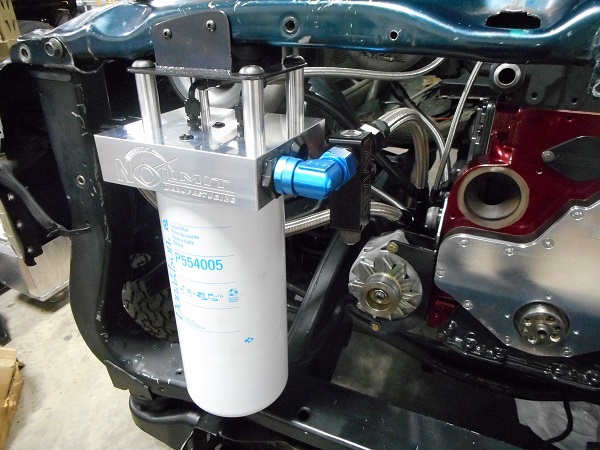
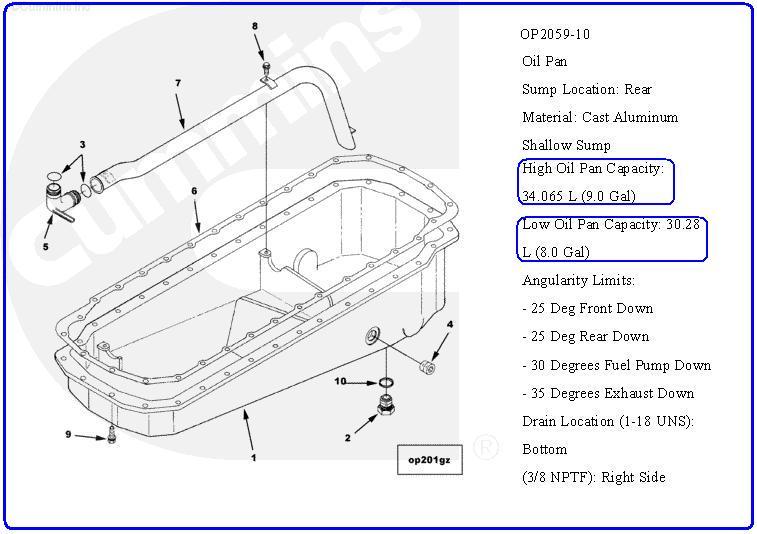
If you have a modified oil pan or a bypass oil filter system, the capacity can change—sometimes by a quart or more.
Pro tip: Some aftermarket oil pans may hold more or less oil. If your truck has a non-stock oil pan, measure the oil removed during your next change and adjust your fill amount as needed. Also, if you notice your oil stays cleaner for longer or dirties quickly, you might want to check if your pan or oil system has been changed by a previous owner.
2. Why The Oil Capacity Changed In 2003
In 2003, Cummins updated the 5.9 engine with a common rail fuel system and made changes to the oil pan design. This increased the oil capacity to 12 quarts for better cooling and engine life. The extra quart helps the engine stay cool under heavy loads, especially when towing. If you have a 2003–2007 Ram, always fill to 12 quarts unless you know your oil pan is different.
The reason behind the change was not just the new fuel system. The common rail system runs at much higher pressures, which creates more heat in the engine oil. To control this, engineers increased the oil volume and made small changes to oil passages in the block.
The added oil helps manage the higher temperatures and makes sure all moving parts get enough lubrication, even under heavy stress or long highway runs.
Owners sometimes ask if they can “upgrade” an older 5. 9 to the larger oil pan. In most cases, it’s possible, but always check clearance with the front axle and crossmember. Also, switching oil pans may require a new dipstick or tube to ensure the readings are correct.
3. How To Check Oil Level Correctly
Checking oil on a Cummins 5.9 is simple but must be done right:
- Park on a level surface.
- Wait at least five minutes after shutting off the engine.
- Pull out the dipstick, wipe it clean, then re-insert it fully.
- Pull it out again and read the level. It should be between the “Add” and “Full” marks.
Adding oil? Go slow. Add half a quart at a time and re-check. Overfilling is a common mistake.
Non-obvious tip: Don’t check oil right after shutting off the engine. Hot oil drains back slowly and can give a false low reading.
Also, watch for the color and texture of the oil on the dipstick. Diesel oil gets dark quickly, which is normal, but if you see a milky color (which can mean coolant is mixing with oil) or notice a burnt smell, have the engine checked.
These could signal head gasket problems or overheating.
If you work on uneven ground, such as a sloped driveway, your oil reading can be off by a quart or more. Always find a flat, level area for the most accurate check.
4. Choosing The Right Oil Type And Viscosity
Cummins recommends API-certified diesel engine oils, usually in the 15W-40 or 5W-40 range. The right viscosity depends on your climate:
- 15W-40: Best for most temperatures above 0°F (-18°C).
- 5W-40 Synthetic: Needed for colder climates (below 0°F) or for very short trips.
Don’t use standard gasoline engine oil. Diesel engines create more soot and need special additives in the oil.
Here’s a quick look at common oil viscosities for different climates:
| Viscosity | Climate | Notes |
|---|---|---|
| 15W-40 | 0°F and above | Most common; works for warm weather |
| 5W-40 Synthetic | Below 0°F | Better cold starts; synthetic only |
Some owners switch to synthetic oil for longer intervals or better protection. But always use oil that meets Cummins’ CES 20081 or API CJ-4/SN standards.
If you drive mostly short trips (less than 10 miles at a time), choose synthetic oil. Diesel engines take longer to warm up, and short trips can lead to extra soot and moisture in the oil, which synthetic oil handles better.
Non-obvious insight: If you live in a very hot area and do a lot of towing, you might benefit from a high-quality synthetic 15W-40 oil. Synthetics keep their protective qualities at higher temperatures, reducing wear during hard pulls or long climbs.
5. Oil Change Intervals: How Often Should You Change Oil?
For the Cummins 5.9, oil change intervals depend on use:
- Normal driving: Every 7,500 miles (12,000 km) or 6 months, whichever comes first.
- Severe use (towing, dusty roads, idling): Every 3,000–5,000 miles (4,800–8,000 km).
Short trips, heavy towing, and frequent idling all mean you should change oil sooner. Diesel engines create more soot, which can dirty oil quickly.
Insight: Many owners think synthetic oil means longer intervals. For older 5.9 engines, it’s better to stick to Cummins’ recommended schedules, even if you use synthetic.
If you run a fleet or tow often, consider sending an oil sample to a lab for analysis. This can show how fast your oil is breaking down and if there are any hidden engine problems (like extra fuel or coolant in the oil).
Oil analysis can save you money and avoid big repairs.
Also, remember that diesel engines are harder on oil than gasoline engines. Soot, acid, and fuel can build up in the oil, even if it looks clean. That’s why regular changes are so important.
6. Effects Of Overfilling Or Underfilling Oil
Using the wrong oil amount can cause real problems:
- Overfilling: Too much oil can foam, reduce lubrication, and increase pressure. This might lead to oil leaks, blown seals, or even turbo damage.
- Underfilling: Not enough oil means poor cooling, increased wear, and faster engine damage.
Always use the dipstick to confirm the level after filling. If you overfill, drain some oil—do not try to “burn it off” by driving.
Non-obvious insight: Some oil filters are larger than stock and hold extra oil. If you use a bigger filter, add a bit more oil, but always check the dipstick.
Extra tip: If you regularly see your oil level rising (rather than falling), it could mean diesel fuel is leaking into the oil from an injector problem. This is dangerous—diluted oil loses its protective properties and can destroy the engine fast. If you notice this, get it checked by a mechanic right away.
7. Importance Of Oil Filter Choice
The oil filter is just as important as the oil. Cummins 5.9 engines need a high-quality filter that can trap soot and dirt. Cheap filters may not remove enough particles, leading to engine wear.
Popular filter brands for the Cummins 5.9:
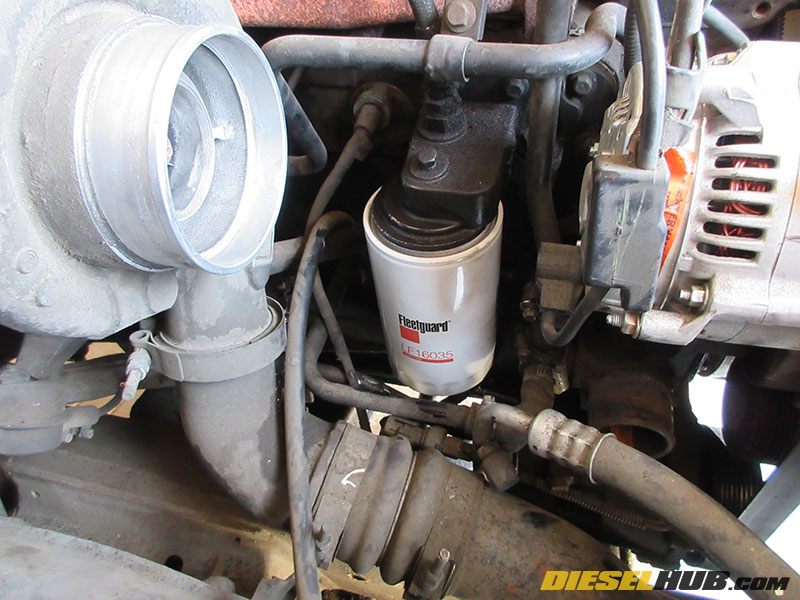
- Fleetguard LF16035 (often called “Stratapore”)
- Baldwin BT7349
- Wix 51649
Some filters are longer and hold more oil. If you use a non-stock filter, adjust oil fill as needed.
Pro tip: Never use a gasoline engine oil filter on a diesel engine. The flow rates and filtration are different.
When choosing a filter, look for one with a bypass valve and a high dirt-holding capacity. The extra soot from diesel engines can clog small, low-quality filters quickly. The filters listed above are trusted by professional diesel shops and are easy to find online or at auto parts stores.
If you use your truck in very dusty conditions, consider changing the oil filter halfway between oil changes, especially if you notice oil pressure dropping or the “change oil” light coming on sooner than expected.
8. Signs Of Oil Problems In The Cummins 5.9
Watch for these signs that your Cummins 5.9 may have oil-related problems:
- Low oil pressure on gauge
- Excessive engine noise (ticking, knocking)
- Blue or gray exhaust smoke
- Oil leaks around the pan or filter
- Check Engine light
If you see any of these, check your oil immediately. Running low or dirty oil can ruin your engine fast.
Insight: Many 5.9 owners ignore small leaks. But a minor leak can turn into a serious problem quickly, especially on long trips.
Other warning signs include oil pressure that drops when the engine is hot, or a sudden increase in oil consumption. If you’re adding oil every week, but can’t see any leaks, your engine could be burning oil internally (worn rings or valve seals).
Monitoring your oil level weekly is a simple habit that can catch problems early.
A less obvious sign is oil that smells like fuel. This can be a sign of injector problems, as mentioned above, and should be checked by a diesel shop. Also, if you see any oil in the coolant, or coolant in the oil (milky color), do not drive the truck—this means a head gasket or oil cooler issue.
9. Common Mistakes Owners Make About Oil Capacity
Even experienced owners make mistakes with oil changes. Here are the most common:
- Not replacing the oil filter every change. The filter holds dirty oil and should always be changed with the oil.
- Guessing oil amount instead of measuring. Always use a measuring container or add oil in stages.
- Using car oil instead of diesel-rated oil.
- Forgetting to check the dipstick after filling and running the engine.
- Ignoring small leaks or drops in oil pressure.
Avoiding these mistakes helps your Cummins 5. 9 last much longer.
Another mistake is not checking for updates or recalls. Sometimes, manufacturers update oil recommendations or release improved parts (like updated dipsticks or oil pans). Check diesel forums or Cummins technical bulletins for the latest info.
A final tip: Don’t trust verbal advice from non-diesel shops. Always check the manual or Cummins official guides. The 5.9 is a unique engine and benefits from following the manufacturer’s advice.
Credit: www.nolimitmfg.com
How To Change The Oil On A Cummins 5.9
Changing your own oil is a great way to save money and learn about your truck. Here’s a step-by-step guide:
Tools And Supplies Needed
- 11 or 12 quarts of diesel engine oil (depending on year)
- New oil filter
- Oil catch pan (at least 15-quart capacity)
- Socket set and wrench
- Filter wrench
- Funnel
- Gloves and rags
If you’re doing this for the first time, also have a flashlight and a roll of shop towels ready. Diesel oil can be messy, and it’s thicker and darker than gasoline engine oil. Consider wearing old clothes and safety glasses to protect your eyes from drips.
Step-by-step Process
- Warm up the engine for 5 minutes. Warm oil drains faster.
- Park on a level surface and shut off the engine.
- Place the oil pan under the oil drain plug.
- Remove the drain plug with a socket wrench. Let all oil drain out.
- Remove the old oil filter using a filter wrench. Some oil will spill—be ready with a rag.
- Install the new filter. Rub a bit of new oil on the gasket first. Hand-tighten only.
- Replace the drain plug and tighten securely (don’t overtighten).
- Add new oil through the oil fill cap. Add 10 quarts first.
- Start the engine and let it run for 30 seconds. Shut off and wait 5 minutes.
- Check the dipstick. Add oil as needed to reach the “Full” mark (usually one to two more quarts).
- Check for leaks around the filter and drain plug.
Dispose of old oil and filter at a recycling center.
Practical tip: Always check the oil level again after your first drive. Sometimes air pockets or the filter can “soak up” more oil.
Extra tip: If your truck has a skid plate or splash guard, remove it before starting and clean any oil that may have collected there. This helps you spot leaks later.
For those in cold climates, use an oil pan heater or change oil inside a garage. Cold oil drains much slower and can leave sludge behind.
Credit: www.sbmar.com
Frequently Asked Questions
What Is The Oil Capacity For A 2006 Cummins 5.9?
The 2006 Cummins 5.9 (24-valve, common rail) has an oil capacity of 12 quarts (11.4 liters), including the oil filter. Always double-check with your truck’s owner’s manual for confirmation.
Can I Use Synthetic Oil In My Cummins 5.9?
Yes, you can use synthetic oil in all Cummins 5.9 engines, as long as it meets the correct API or Cummins standards (like API CJ-4/SN or CES 20081). Many owners use 5W-40 synthetic for better cold starts and protection.
How Often Should I Change The Oil In My Cummins 5.9?
For normal use, change the oil every 7,500 miles (12,000 km) or 6 months. For severe use (like towing or dusty roads), change it every 3,000–5,000 miles (4,800–8,000 km).
What Happens If I Overfill The Oil On My Cummins 5.9?
Overfilling can cause foaming, oil leaks, and possible damage to engine seals or the turbo. If you overfill, drain out the extra oil until it is at the correct level.
What Oil Filter Should I Use For My Cummins 5.9?
Use a diesel-rated oil filter. Common choices are Fleetguard LF16035, Baldwin BT7349, or Wix 51649. Always choose a filter made for diesel engines.
What If I See Oil Pressure Drop At Idle?
If oil pressure drops below 15 psi at idle (when hot), check your oil level and filter first. If the oil and filter are good, it could be a worn oil pump, bearings, or a faulty oil pressure sending unit.
Don’t ignore low oil pressure—it can quickly lead to major engine damage.
Is It Normal For Oil To Turn Black Quickly?
Yes, diesel engine oil gets dark quickly due to soot. This is normal and does not mean the oil is bad. Change oil by mileage and time, not color.
Final Thoughts
Knowing the right Cummins 5.9 oil capacity is more than just a technical detail—it’s essential for keeping your truck reliable and powerful. From the exact number of quarts by year, to the reasons for oil capacity changes, to common mistakes and practical oil change steps, every detail matters. Take the time to check your oil level, use the best oil and filter, and stick to a good maintenance schedule. Your Cummins 5.9 will reward you with many more miles of strong, dependable service. For more technical details and official specs, you can visit the Cummins B Series Engine page on Wikipedia. Proper oil care is the key to making the most of this legendary engine.