
Owning a lawn tractor or mower with a Cub Cadet Kohler engine can make yard work smoother and more efficient. However, one detail that often confuses both new and experienced users is engine oil capacity. Using the right amount of oil, and the correct type, is essential for keeping your engine running smoothly and extending its life. Overfilling or underfilling can lead to serious problems, from reduced performance to permanent damage. This guide will help you understand everything you need to know about Cub Cadet Kohler engine oil capacity, so you can maintain your machine with confidence.
Why Oil Capacity Matters For Kohler Engines
The oil capacity of your Kohler engine directly affects its performance and durability. Oil lubricates moving parts, helps disperse heat, and keeps the engine clean by suspending dirt and particles until the next oil change. Too little oil means vital components may not get enough lubrication, leading to friction, overheating, and eventually engine failure. Too much oil, on the other hand, can cause foaming, increased pressure, and leaks, which can damage seals and reduce efficiency.
It’s easy to overlook how sensitive engines can be to oil levels. One point many users miss is that even a small difference in oil level—sometimes as little as a few ounces—can make a significant impact on engine health. Always check the oil dipstick after filling to ensure the level is correct, even if you’ve measured carefully.
Another less obvious factor is that running your engine on a slope or incline can temporarily affect oil distribution, making it even more important to start with the correct capacity. If you mow on hills, check your oil more frequently, as oil may pool away from the pickup and starve the engine.
This is especially true for older engines or those with high hours.
Common Cub Cadet Kohler Engine Models And Their Oil Capacities
Cub Cadet mowers and tractors use various Kohler engines, each with its own oil requirements. Below is a table showing some of the most common models and their standard oil capacities. This information is crucial when changing oil or topping up.
| Engine Model | Displacement (cc) | Oil Capacity (US qt.) | Oil Filter Included? |
|---|---|---|---|
| Kohler Courage SV600 | 597 | 1.6 | Yes |
| Kohler Command PRO CV730 | 725 | 2.0 | Yes |
| Kohler 7000 Series KT740 | 747 | 2.1 | Yes |
| Kohler Courage SV470 | 452 | 1.5 | No |
| Kohler Command PRO CV15S | 426 | 1.6 | Yes |
| Kohler 3000 Series XT650 | 149 | 0.6 | No |
If you are unsure about your exact model, check your engine’s label or your Cub Cadet user manual. Always use the engine model, not just the mower model, when looking up oil capacity. Mower models can sometimes use different engines in the same series, so relying only on the mower name could lead to mistakes.
Some Kohler engines have unique features that affect capacity. For example, certain twin-cylinder models use a slightly larger filter, which increases the amount of oil needed. Be sure to buy the correct filter for your specific engine, as a smaller or larger filter may change how much oil is required.
If you upgrade your engine or swap parts, double-check oil capacity. Aftermarket parts or modifications can change the oil requirements, and using the original specs might not be enough.
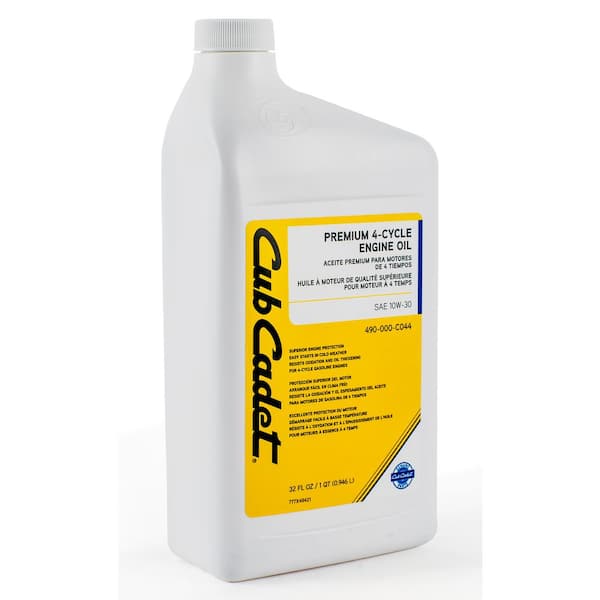
How To Check And Change Oil In A Cub Cadet Kohler Engine
Maintaining correct oil level is a basic but vital step for any owner. Here’s how to do it right.
Checking Oil Level
- Park your mower on a level surface and turn off the engine.
- Let the engine cool for at least 10 minutes. Hot oil expands and can give a false reading.
- Remove the dipstick, wipe it clean with a cloth, and reinsert it fully.
- Remove the dipstick again and check the oil level.
- The oil should be between the “Full” and “Add” marks. If not, add oil in small increments, checking frequently.
It’s easy to rush this process, but patience matters. Adding a little oil at a time, and checking carefully, prevents overfilling. If you’re ever unsure, it’s better to be slightly under the “Full” mark than to risk overfilling.
Changing The Oil
- Run the engine for 3-5 minutes to warm the oil. This makes it drain more easily.
- Turn off the engine and disconnect the spark plug for safety.
- Place an oil pan under the drain plug or valve.
- Remove the drain plug and let the oil drain completely.
- Replace the drain plug securely.
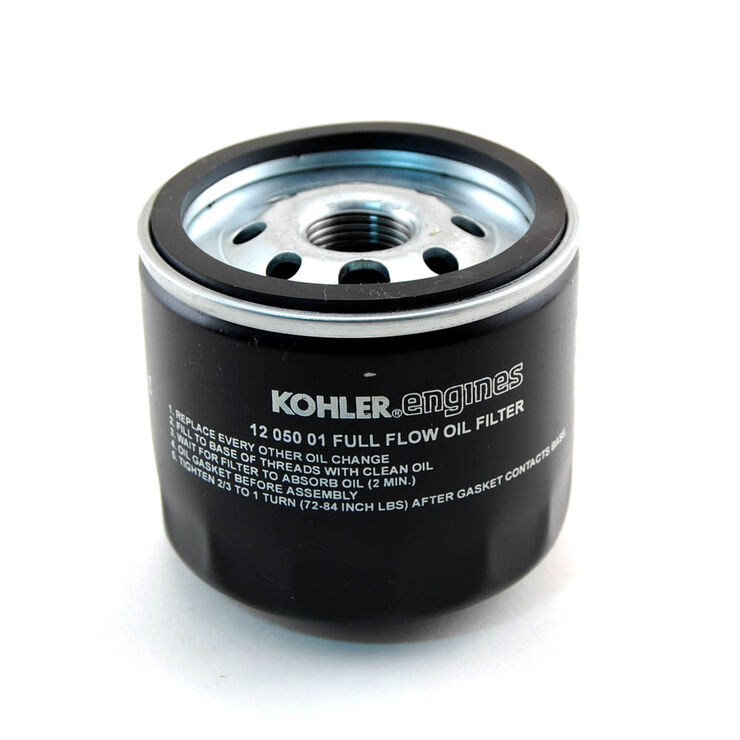
- If your engine has an oil filter, remove and replace it.
- Add new oil up to the recommended capacity, checking with the dipstick.
- Run the engine for one minute, turn it off, and check the oil level again. Top up if needed.
Two non-obvious tips: Always replace the oil filter when changing oil, if your model uses one. Also, dispose of old oil responsibly—never pour it down the drain or on the ground.
Many users forget to remove the dipstick when draining oil, but doing so can help the oil flow out more smoothly. When installing a new oil filter, rub a bit of fresh oil on the rubber gasket—this helps create a better seal and makes future removal easier.
If your mower is stored outside or in a dusty environment, wipe around the oil fill area before opening. Dirt can easily fall into the crankcase and cause engine wear. Using a clean funnel prevents introducing dust or debris during refilling.
Choosing The Right Oil For Kohler Engines
Not all oils are the same. For Kohler engines, using the correct oil type and viscosity is just as important as using the right amount. Kohler recommends SAE 10W-30 for most temperatures, but your climate might require a different viscosity.
| Oil Grade | Temperature Range (°F) | Typical Use |
|---|---|---|
| SAE 10W-30 | 0 to 100+ | Most conditions |
| SAE 30 | 50 to 100+ | Hot weather |
| SAE 5W-20 | -20 to 40 | Cold weather |
Synthetic oils can offer better protection in extreme temperatures and keep engines cleaner, but they are more expensive. Always choose API-rated oils marked with “For Service SJ or higher.” Avoid automotive oils not rated for small engines.
One insight often missed: Don’t mix oil types or brands unless you must. Mixing can cause deposits or foaming, especially with synthetic and conventional blends.
Another tip: If you mow in an area with wide temperature swings, consider synthetic oil. Synthetics flow better in cold and protect better in heat, which can be helpful if you mow early in spring and late into the fall.
Signs Your Kohler Engine Oil Needs Changing
Regular oil changes are critical, but sometimes your engine will give warning signs before the scheduled interval. Watch for:
- Darker oil: Fresh oil is golden or amber; old oil turns black.
- Engine noise: Increased tapping or knocking can mean poor lubrication.
- Excess exhaust smoke: Too much or blue-colored smoke can indicate oil problems.
- Oil smells burnt: This suggests the oil is breaking down from heat.
Besides these signs, another clue is a change in engine performance—if your mower feels sluggish or seems to lose power, dirty oil might be the cause. Some users also notice their mower is harder to start when oil is overdue for a change.
A practical tip: If you use your mower in dusty or very hot conditions, change oil more often, even if you haven’t reached the hour limit. Dust and heat speed up oil breakdown and contamination.
Oil Change Intervals For Cub Cadet Kohler Engines
How often should you change your oil? Kohler recommends:
- First oil change: After 5 hours of use (for new engines)
- Regular oil change: Every 25–50 hours of operation, or at least once per season
Heavy use, extreme temperatures, or dusty conditions may require more frequent changes. Always check your owner’s manual, as intervals can differ between models. Neglecting oil changes is a leading cause of premature engine wear.
If you’re unsure about how many hours you’ve used your mower, keep a log or use a simple hour meter. Some newer Cub Cadet models include a built-in hour meter—if yours doesn’t, consider installing one. It’s a small investment that can save your engine.
Also, don’t forget to change the oil before storing your mower for winter or long periods. Oil collects acids and moisture over time, which can corrode engine parts during storage.
What Happens If You Overfill Or Underfill Oil
Too much or too little oil can quickly damage your Kohler engine.
Overfilling
Excess oil can cause the crankshaft to whip the oil into foam, which reduces its lubricating ability. This leads to:
- Loss of power
- Leaking seals
- Smoky exhaust
- Internal damage
Foaming also means air bubbles replace some of the oil film between moving parts, leading to more metal-to-metal contact and wear. Overfilled oil can also get pushed into the air filter or carburetor, causing further problems.
Underfilling
Not enough oil means some engine parts run dry. The result:
- Overheating
- Increased wear
- Engine seizure
If you notice low oil, add more immediately and check for leaks. Running even a few minutes with too little oil can cause permanent damage.
Always fill slowly and check the dipstick. If you overfill, drain the excess before running the engine. It’s better to spend a few extra minutes than to risk costly repairs.
Step-by-step Example: Changing Oil In A Kohler 7000 Series Engine
To make things practical, let’s walk through a real-world oil change for a Kohler 7000 Series KT740 engine, found in many Cub Cadet mowers.
- Run the engine for 2–3 minutes, then shut off and let cool.
- Place an oil pan under the drain plug.
- Remove the drain plug and drain the oil (about 2.1 quarts).
- Replace the oil filter with a Kohler-approved filter.
- Reinstall the drain plug.
- Add fresh SAE 10W-30 oil up to 2.1 quarts.
- Start the engine, let it run for a minute, then check the dipstick.
- Add oil if needed, but don’t exceed the “Full” mark.
Tip: If you forget to replace the oil filter, total capacity changes. Without the filter, you’ll need less oil.
Another insight: When reinstalling the oil drain plug, tighten it firmly but do not over-tighten. Stripping the threads or cracking the oil pan is a common mistake, especially on aluminum parts.
If your mower has an oil drain tube, use it to make draining cleaner and easier. Some models have a push-to-drain valve, which can save time and avoid spills.
Factors That Affect Oil Capacity
The listed oil capacity for your engine is a guideline, but real-world factors can change it:
- Oil filter replacement: Changing the filter means you’ll need more oil.
- Engine angle: If your mower isn’t level, oil may drain unevenly.
- Old oil residue: Some oil always stays inside, even after draining.
- Aftermarket parts: Some filters or pans have different sizes.
Always use the dipstick as your final check, not just the manufacturer’s number.
For example, if you replace your oil filter with a larger aftermarket version, it can hold more oil, raising the total capacity slightly. Likewise, if you change oil on a sloped driveway, less oil might drain out, so the fresh fill may not be enough.
Some engines have optional oil coolers or remote filters. These accessories can also change the oil volume, so always check after installation or upgrades.
Comparing Cub Cadet Kohler Engines To Other Brands
How does Kohler’s oil capacity compare to engines from Briggs & Stratton or Kawasaki, which are also common in Cub Cadet mowers? Here is a quick comparison:
| Brand | Common Model | Oil Capacity (US qt.) |
|---|---|---|
| Kohler | 7000 Series KT740 | 2.1 |
| Briggs & Stratton | 44N877 | 2.0 |
| Kawasaki | FR691V | 2.1 |
| Honda | GXV630 | 2.1 |
Most modern residential engines hold between 1. 5 and 2. 1 quarts. Kohler’s capacity is average, but their filter placement and drain system are often more user-friendly.
One extra insight: While oil capacity is similar across brands, Kohler engines are known for slightly larger filters and easier access to drain plugs. This can make oil changes less messy and reduce the chance of cross-threading or spills. Kawasaki engines often have more compact designs, which can make filter changes a bit tighter.

Credit: www.youtube.com
How To Find Your Kohler Engine’s Oil Capacity
If you don’t have a manual, you can:
- Look up the engine model number (not just mower model) on the Kohler or Cub Cadet website.
- Check the label or plate on your engine.
- Contact a Cub Cadet dealer with your serial number.
- Search for your engine model in online resources like Kohler Engines Official Site.
Never guess or use another person’s numbers unless you have the exact same engine.
Sometimes, owners discover their mower has a replacement engine. If yours was changed by a previous owner or dealer, double-check the engine’s own documentation, not just the mower’s manual.
Using Oil Additives: Are They Safe?
Some owners add oil stabilizers or cleaning agents. Kohler does not recommend oil additives. Modern oils already contain detergents and anti-wear agents. Additives may void your warranty or cause engine deposits. If you have specific needs, such as long-term storage, ask your dealer for advice.
Another reason to avoid additives: Some can react with engine gaskets or seals, causing swelling or hardening. This can lead to oil leaks and expensive repairs, especially in older engines.
Storage And Seasonal Oil Care
If you store your mower over winter, change the oil before storage. Old oil contains acids and dirt that can corrode engine parts. When you restart in spring, the engine will be better protected.
For off-season storage:
- Change the oil and run the engine for 1–2 minutes.
- Store the mower in a dry, covered area.
- Check the oil before first use in the new season.
Tip: If you forget to change oil before storage, do it immediately before starting the engine in spring.
Also, consider fogging the engine or using a fuel stabilizer if storing for many months. This protects both the inside and outside of your engine from rust and fuel breakdown.
Environmental Considerations: Disposing Of Used Oil
Used oil can pollute water and soil. Always collect oil in a sealed container. Most auto parts stores and recycling centers will take used oil for free. Never mix oil with gasoline, antifreeze, or solvents.
If your recycling center requires it, label your containers and avoid overfilling. Some communities offer curbside pickup or special collection events for hazardous waste.
Proper disposal helps keep drinking water safe and reduces pollution. As a mower owner, you play a part in protecting your local environment.
Troubleshooting Common Oil Problems
If you notice unusual symptoms after changing or adding oil, here’s what to check:
- Low oil pressure warning: Check for leaks or a loose drain plug.
- Oil leaks: Inspect the oil filter and gaskets.
- Foamy oil: Drain and refill; possible overfill or water contamination.
- Sudden oil loss: Check for a cracked oil pan or blown gasket.
If you can’t find the problem, turn off the engine and call a qualified technician.
Sometimes, new filters aren’t tightened enough and leak under pressure. Always check for drips after your first run. If you see milky oil, water might have entered the engine—don’t run it until the issue is fixed.
Oil Capacity And Warranty Concerns
If you use the wrong oil type or fill level, you can void your Kohler or Cub Cadet warranty. Always follow the manual’s recommendations. Keep records of oil changes and receipts—this can help if you need to make a warranty claim.
If you have a new mower, using non-approved oil or filters can also cause warranty problems. Stick with recommended brands and keep old receipts or notes about each oil change.
Tips To Extend Engine Life
- Check oil before every use, not just at oil change intervals.
- Use only high-quality, name-brand oils.
- Avoid idling the engine for long periods.
- Clean the cooling fins and air filter regularly.
- Store the mower properly in the off-season.
Two advanced tips: Always let your engine cool before checking oil (for more accurate reading), and use a clean funnel to avoid dirt entering the crankcase.
Another pro tip: Occasionally check the torque on your oil drain plug and filter, especially after your first mow following an oil change. Vibration can cause these parts to loosen, resulting in leaks.
Frequently Asked Questions
What Is The Oil Capacity Of A Kohler 7000 Series Engine In A Cub Cadet Mower?
The Kohler 7000 Series KT740 engine commonly found in Cub Cadet mowers has an oil capacity of 2.1 US quarts, including the oil filter. Always check the dipstick after filling.
Can I Use Synthetic Oil In My Cub Cadet Kohler Engine?
Yes, full synthetic oil is safe for most Kohler engines and can provide better protection in extreme temperatures. Use an oil with the correct viscosity, such as SAE 10W-30, and ensure it meets API SJ or higher standards.
How Often Should I Check The Oil In My Cub Cadet Mower?
Check engine oil before each use, especially during the mowing season. This helps catch leaks, low levels, or contamination before they cause damage.
What Happens If I Overfill My Kohler Engine With Oil?
Overfilling can cause foaming, leaks, and internal damage. If you add too much, drain the excess before starting the engine. Running with too much oil can void your warranty.
Where Can I Find The Exact Oil Capacity For My Cub Cadet Kohler Engine?
You can find specific oil capacity information in your owner’s manual, on the engine label, or by searching your model number on the Kohler Engines Official Site.
Caring for your Cub Cadet Kohler engine doesn’t have to be complicated. With the right oil, proper capacity, and regular checks, your engine will run strong for years. Pay attention to the details and don’t skip the small steps—these make the biggest difference in the long life of your mower.