
For many drivers, especially those who own diesel trucks, the term “Ecodiesel” brings to mind a balance of power and efficiency. The Ecodiesel engine, most known in RAM trucks and Jeep vehicles, is a popular choice for people who want strong towing ability without sacrificing fuel economy. But there’s a detail that often gets overlooked: Ecodiesel oil capacity. Understanding the right oil capacity for your Ecodiesel engine is not just about following the manual—it’s about protecting your engine, saving money, and ensuring your vehicle’s long life.
This article will give you a complete look at Ecodiesel oil capacity. You’ll learn what the numbers mean, why they matter, how to check and change your oil the right way, and what mistakes to avoid. We’ll also cover how oil capacity connects to engine health, performance, and warranties.
Whether you’re a new Ecodiesel owner or a seasoned diesel fan, you’ll find answers to common questions and discover details that many mechanics forget to mention.
What Is Ecodiesel?
The Ecodiesel engine is a type of light-duty diesel powertrain. It’s most famous in RAM 1500 trucks and Jeep Grand Cherokee models, but you’ll also find it in some Dodge Durango and Jeep Wrangler vehicles. The main idea behind Ecodiesel is simple: provide good torque and towing with better fuel economy and lower emissions than old diesel engines.
The most common Ecodiesel is the 3.0L V6 developed by VM Motori and used by Fiat Chrysler Automobiles (now Stellantis). This engine has become known for its durability and efficiency. However, it uses a high-pressure fuel system and advanced emissions controls, which means oil quality and capacity are more important than ever.
Why Oil Capacity Matters For Ecodiesel Engines
Oil capacity isn’t just a number in the manual. It has a direct effect on:
- Engine lubrication: Enough oil means all moving parts stay coated and protected.
- Temperature control: The right amount of oil helps cool the engine, especially when towing or driving in hot weather.
- Contaminant removal: Oil collects dirt and particles, keeping them away from sensitive engine parts.
- Emission system health: Low oil can mean more engine stress, which can damage the expensive emission systems in Ecodiesel trucks.
If you use too little oil, your engine can overheat and wear out faster. Too much oil, on the other hand, can cause pressure problems and even damage seals or sensors. That’s why knowing and maintaining the correct Ecodiesel oil capacity is essential.
Ecodiesel Oil Capacity: The Numbers Explained
Let’s get straight to what most drivers want to know: How much oil does an Ecodiesel engine hold?
Standard Oil Capacity
For the 3.0L Ecodiesel V6 engine (RAM 1500, Jeep Grand Cherokee, Jeep Wrangler, Dodge Durango):
- Oil Capacity (with filter change): 10.5 quarts (9.9 liters)
- Oil Capacity (without filter change): 10.0 quarts (9.5 liters)
This is a large oil capacity compared to many gasoline engines, which often use only 5-7 quarts. The extra oil helps with heat control and longer service intervals, two big advantages for diesel engines.
Oil Types And Specifications
Ecodiesel engines require full synthetic oil meeting the FCA MS-12991 specification (often SAE 5W-40). Using the wrong oil type can cause engine and emission system problems.
- Recommended oil: 5W-40 full synthetic (API CJ-4, CK-4, or FCA MS-12991 approved)
- Oil filter: Always use an approved filter designed for high pressure and fine filtration
If you’re unsure, check your owner’s manual or ask a trusted dealer.
Different Model Years And Oil Capacity
While most Ecodiesel engines use 10.5 quarts, always check your specific model year. For example:
- 2014-2019 RAM 1500 Ecodiesel: 10.5 quarts
- 2020+ RAM 1500 Ecodiesel: 10.5 quarts (some sources list 10.6 quarts, but 10.5 is the most common)
- Jeep Grand Cherokee Ecodiesel (2014-2019): 10.5 quarts
- Jeep Wrangler Ecodiesel (2020+): 10.5 quarts
Some older or rare variants may differ slightly, but for nearly all North American Ecodiesels, the number is 10.5 quarts with a filter change.
Why The Oil Filter Matters
Changing the oil filter is important because old filters can hold dirty oil and block flow. Always change the filter when you change your oil. Skipping the filter can leave up to half a quart of dirty oil in the system, which mixes with your new oil.
How To Check And Change Ecodiesel Oil
Knowing the oil capacity is only the first step. To keep your engine healthy, you need to check and change the oil the right way.
Step-by-step: Checking Your Ecodiesel Oil
- Park on a level surface and turn off the engine. Wait at least 5 minutes for oil to settle.
- Open the hood and find the engine oil dipstick (usually yellow or orange).
- Pull the dipstick out, wipe it with a clean rag, and insert it fully back in.
- Remove the dipstick again and check the oil level. The correct level is between the MIN and MAX marks.
- If the oil is below MIN, add oil a little at a time. Avoid overfilling above MAX.
Tip: Check oil when the engine is warm but not hot. Cold oil can give a false low reading.
Changing Your Ecodiesel Oil: Key Steps
- Gather supplies: 11 quarts of 5W-40 synthetic oil, approved oil filter, wrench, oil drain pan, gloves.
- Warm up the engine: Run for a few minutes to thin the oil.
- Lift the truck safely: Use ramps or a lift for easy access.
- Remove the drain plug: Let old oil drain into the pan (takes several minutes).
- Replace the oil filter: Use the right tool for the Ecodiesel’s cartridge filter.
- Install the drain plug and tighten to the recommended torque.
- Add new oil: Pour in 10.5 quarts, then check the dipstick.
- Start the engine for 1-2 minutes. Check for leaks.
- Re-check the oil level and top up if needed.
Never overfill. It’s better to start a little low, then add more if needed.
How Often To Change Oil
Most manuals recommend every 10,000 miles (16,000 km) or once per year, whichever comes first. But if you tow heavy loads, drive in dusty areas, or do short trips, change more often—about every 5,000 to 7,000 miles. Your engine will thank you with a longer life.
Common Mistakes When Handling Ecodiesel Oil Capacity
Many owners and even some mechanics make mistakes when it comes to oil changes on Ecodiesel engines. Here are common problems to watch for:
- Overfilling oil: This can cause foaming, leaks, and oil entering the emissions system.
- Underfilling oil: Not enough oil means poor lubrication and high wear.
- Using wrong oil type: Non-synthetic or wrong viscosity can cause engine and emission failures.
- Skipping the oil filter change: Leaves old, dirty oil in the engine.
- Not resetting the oil change reminder: The truck may warn you even after a change.
- Ignoring oil leaks: Even a small leak can mean big engine problems over time.
Non-obvious insight: On some Ecodiesel trucks, the oil may take extra time to show the correct level after a change. Always drive for a few miles and re-check to be sure.
Ecodiesel Oil Capacity Vs Other Diesel Engines
How does Ecodiesel oil capacity compare to other common diesel engines? Here’s a simple comparison:
| Engine | Oil Capacity (quarts) | Common Vehicles |
|---|---|---|
| 3.0L Ecodiesel V6 | 10.5 | RAM 1500, Jeep Grand Cherokee, Wrangler |
| 6.7L Cummins I6 | 12 | RAM 2500/3500 |
| 6.6L Duramax V8 | 10 | Chevy Silverado/GMC Sierra 2500/3500 |
| 3.0L Power Stroke V6 | 7 | Ford F-150 Diesel |
| 2.8L Duramax I4 | 5 | Chevy Colorado/GMC Canyon |
As you can see, the Ecodiesel’s oil capacity is on the high side for a light-duty diesel, which helps with cooling and longer service intervals.
Signs Of Wrong Oil Level In Your Ecodiesel
It’s important to watch for signs that your oil level is too high or too low. Here’s what to look for:
Low Oil Level Symptoms
- Oil pressure warning light
- Unusual engine noise (ticking or knocking)
- Engine overheating
- Poor performance or loss of power
- Check engine light (sometimes triggered by low oil pressure)
High Oil Level Symptoms
- White or blue smoke from exhaust
- Oil leaks
- Strong oil smell inside cabin
- Rough running or misfires
- Check engine light (from oil sensor issues)
If you see any of these signs, stop and check your oil as soon as possible. Running with the wrong oil level, even for a short time, can cause expensive damage.
The Impact Of Oil Capacity On Engine Performance And Longevity
Using the correct oil capacity does more than protect your engine—it also improves daily performance. Here’s how:
- Better lubrication: Full oil coverage prevents metal parts from touching and wearing out.
- Efficient cooling: More oil absorbs more heat, keeping temperatures stable during towing or high-speed driving.
- Cleaner engine: Extra oil means contaminants are diluted and trapped by the filter, not recirculated.
- Stable oil pressure: Consistent oil levels mean sensors and systems work as designed.
Non-obvious insight: Overfilling can cause the crankshaft to whip oil into foam, which reduces lubrication. This is a common cause of engine failures in Ecodiesel trucks after oil changes.
How Oil Capacity Affects Warranty And Service
If your truck is under warranty, using the wrong oil amount or type can void coverage for engine or emission system repairs. Always:
- Use the oil type and capacity listed in your manual.
- Keep records of oil changes, including receipts and mileage.
- Make sure the shop follows the correct procedure, especially for filter changes.
If you have an extended warranty or maintenance plan, check the rules carefully. Some plans require service at a dealer, while others allow you to do it yourself as long as you keep records.
Diy Vs Professional Oil Changes For Ecodiesel
Should you change your Ecodiesel oil yourself or let a professional handle it? Here’s a look at the pros and cons.
Diy Oil Change
Pros:
- Save money on labor
- Use your preferred oil and filter
- Learn about your vehicle
Cons:
- Messy and time-consuming
- Special tools needed for oil filter
- Must dispose of oil properly
Professional Oil Change
Pros:
- Fast and convenient
- Proper disposal of old oil
- May include a vehicle inspection
Cons:
- Higher cost
- Risk of mistakes if mechanic is unfamiliar with Ecodiesel specifics
- May use lower quality oil or filters
Key tip: If you use a shop, always check the oil level yourself before leaving. Ecodiesel engines are sensitive, and a half-quart too much or too little can cause problems.
Questions To Ask Your Mechanic About Ecodiesel Oil Service
When you take your truck for an oil change, ask these questions:
- What oil type and capacity will you use? (Should match the manual)
- Will you change the oil filter?
- Will you reset the oil life monitor?
- How do you check for leaks after the change?
- Can I see the oil level on the dipstick before I leave?
If the mechanic can’t answer these, consider another shop. Your engine is too valuable to risk on guessing.
Ecodiesel Oil Capacity And Emissions Systems
Ecodiesel engines have advanced emission controls, including the Diesel Particulate Filter (DPF) and Exhaust Gas Recirculation (EGR). Using the wrong oil capacity or type can:
- Cause oil to enter the DPF, leading to clogs or expensive repairs
- Increase soot and ash in the EGR system
- Trigger check engine lights and limp mode
Always use oil with low ash content (meets API CJ-4, CK-4 standards). Using the right oil and the right amount protects both the engine and the emissions system.
How Oil Capacity Affects Towing And Heavy Use
One reason drivers choose Ecodiesel trucks is for towing boats, trailers, and campers. When you tow heavy loads, your engine works harder and gets hotter. The correct oil capacity:
- Helps keep engine temperatures under control
- Prevents oil from breaking down too quickly
- Reduces wear on bearings and turbochargers
If you tow often, consider changing oil more frequently (every 5,000-7,000 miles) and always check the level before long trips.
Seasonal Changes And Ecodiesel Oil Capacity
Temperature changes can affect oil viscosity and level. For example, in cold climates, oil can shrink and give a low reading. In hot climates, oil can expand slightly. Here’s what to do:
- Always use 5W-40 synthetic oil for year-round protection
- Check oil more often during temperature extremes
- Never switch to a different oil weight without checking the manual
Important: Don’t add extra oil to “make up” for temperature changes. Stick to the recommended capacity.
Ecodiesel Oil Capacity: Myths And Misunderstandings
There’s a lot of confusion online about Ecodiesel oil. Here are a few myths—and the real facts.
- “You can just fill to the top of the dipstick.” False. Always measure and add the exact amount (10.5 quarts with filter).
- “It’s okay to use regular synthetic oil.” False. Only oils with FCA MS-12991 approval are safe.
- “Oil capacity doesn’t matter if you change often.” False. Too much or too little oil is dangerous, no matter how often you change it.
- “The oil filter doesn’t need to be changed every time.” False. Always change the filter to avoid contamination.
If you’re ever unsure, check your owner’s manual or a reliable online resource like Ram Trucks Official.
Cost Of An Ecodiesel Oil Change
Because Ecodiesel engines use more oil and require special filters, oil changes cost more than on a small car. Here’s a basic breakdown:
| Item | DIY Cost (USD) | Shop Cost (USD) |
|---|---|---|
| 5W-40 Synthetic Oil (11 quarts) | $70–$110 | Included |
| Oil Filter | $15–$25 | Included |
| Labor | $0 | $50–$90 |
| Total | $85–$135 | $120–$200 |
Prices vary by region and whether you use OEM or aftermarket oil and filters. DIY saves money, but be sure to dispose of old oil safely.
Environmental Impact Of Ecodiesel Oil Use
Ecodiesel engines are designed for lower emissions, but oil changes create waste. Here’s how to limit your environmental impact:
- Always recycle used oil at an approved collection point
- Use high-quality synthetic oil for longer intervals
- Avoid overfilling, which can lead to leaks and pollution
- Never dump oil down drains or on the ground
By following these steps, you protect both your engine and the environment.
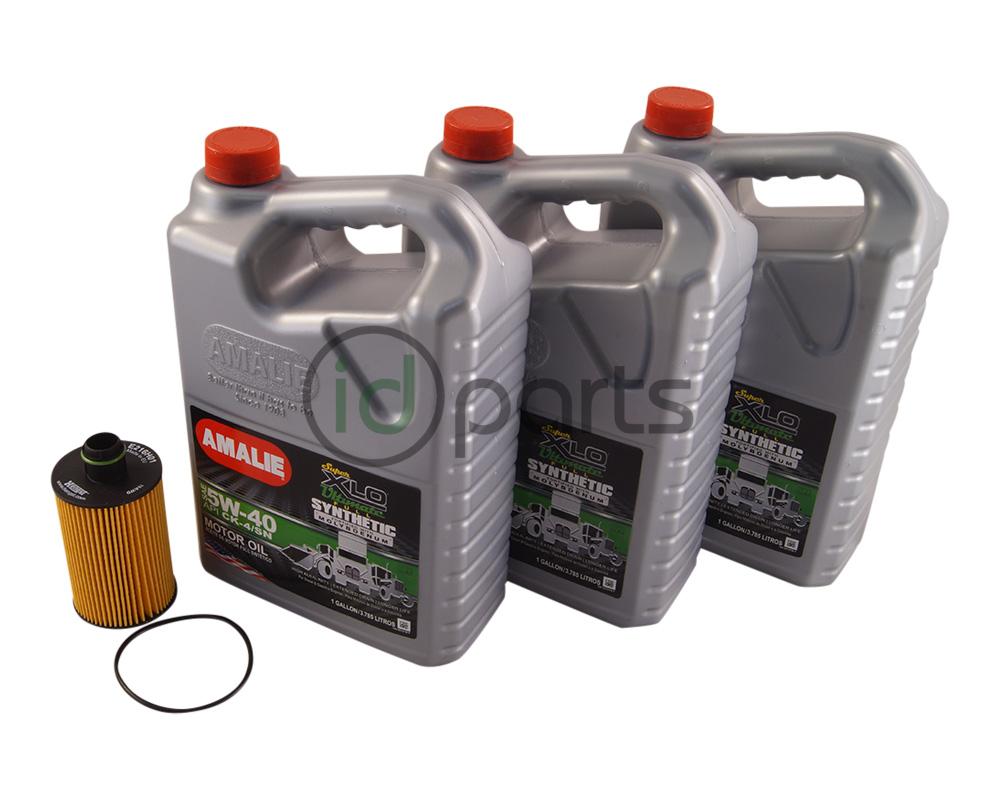
Credit: www.idparts.com
Signs It’s Time For An Oil Change (even If The Light Isn’t On)
Modern trucks have oil life monitors, but they aren’t perfect. Change your oil if you notice:
- Dark or gritty oil on the dipstick
- Burning oil smell from the engine
- Louder engine noise than usual
- Rough idle or poor acceleration
Don’t wait for the warning light—your engine’s health comes first.
Practical Tips For Maintaining Correct Ecodiesel Oil Capacity
- Keep an extra quart of oil in your truck, especially for long trips.
- Check oil level every 1,000 miles, not just at oil changes.
- Double-check the oil filter part number before you buy or install.
- Record every oil change with date, mileage, and what products were used.
- Educate anyone who changes your oil about the special needs of Ecodiesel engines.
Frequently Asked Questions
How Much Oil Does A Ram 1500 Ecodiesel Take?
A RAM 1500 with the 3.0L Ecodiesel engine takes 10.5 quarts (9.9 liters) of 5W-40 full synthetic oil with a filter change. Always check your manual for your exact model year.
Can I Use 5w-30 Or Other Oil Weights In My Ecodiesel?
No. The recommended oil is 5W-40 full synthetic that meets FCA MS-12991 or API CJ-4/CK-4 standards. Using the wrong oil can harm your engine and emissions system.
What Happens If I Overfill My Ecodiesel Engine With Oil?
Overfilling can cause foaming, leaks, and sensor errors. It may also force oil into the emission system, leading to expensive repairs. Always use the exact capacity and check the dipstick after filling.
How Often Should I Change My Ecodiesel Oil?
Change your Ecodiesel oil every 10,000 miles (16,000 km) or once per year, whichever comes first. If you tow heavy loads or drive in harsh conditions, change every 5,000–7,000 miles.
Is It Safe To Drive With The Oil Level Slightly Below Maximum?
Yes, as long as the oil is between the MIN and MAX marks on the dipstick, it’s safe. Never let the oil drop below the MIN mark, and never overfill above MAX.
Taking care of your Ecodiesel engine is more than just filling up with the right oil. It’s about understanding the role oil plays in engine health, emissions, and performance. By following the right steps and paying attention to details like oil capacity, you’ll enjoy thousands of miles of reliable driving—and protect your investment for years to come.