
The Ford 6.0 Power Stroke diesel engine is known for its power and unique design. It’s found in many Super Duty trucks made between 2003 and 2007. If you own one, or plan to maintain it, knowing the right oil capacity is not just a small detail—it’s a key part of keeping your engine healthy. Using too little oil can cause severe damage, while too much can lead to leaks or pressure problems. Many owners are surprised by how much oil this engine actually holds, and there’s more to consider than just filling to a line.
This guide will walk you through everything you need to know about the Ford 6. 0 oil capacity. You’ll discover the exact amount, why it matters, which oils are best, and how to avoid mistakes that could harm your engine.
Whether you’re a DIY oil changer or just want to understand your truck better, this article will give you practical advice and expert insights. You’ll also learn about common problems, solutions, and some details even experienced owners often overlook.
Understanding The Ford 6.0 Power Stroke Engine
The 6.0 Power Stroke is a turbocharged diesel engine designed for heavy-duty work. It replaced the 7.3-liter Power Stroke and brought new technology like high-pressure common rail fuel injection. However, it’s also famous for being a bit “particular” about maintenance, especially when it comes to oil. Oil not only lubricates moving parts but also cools components and helps control contaminants. With the 6.0, the right oil type and amount are critical for long engine life.
Unlike its predecessor, the 6. 0 uses a more complex system for fuel delivery and emission control. This means the oil is under more stress—dealing with higher temperatures, more contaminants, and tighter tolerances. The hydraulic actuated fuel injectors in the 6.
0 are especially sensitive to oil quality and cleanliness. If the oil breaks down or gets dirty, it can cause issues like injector stiction, which leads to rough running or poor starting. In short, the 6. 0 is not forgiving if you cut corners with oil maintenance.
Exact Ford 6.0 Oil Capacity
For most Ford 6.0 Power Stroke engines, the oil capacity is:
- 15 quarts (with oil filter change)
This means when you do a full oil change—draining the pan and replacing the filter—you need 15 US quarts of oil. If you skip the filter (not recommended), it’s slightly less, around 14 quarts, but always change the filter for best results.
Here’s a simple look at oil capacity by model year:
| Model Year | Vehicle Type | Oil Capacity (with filter) |
|---|---|---|
| 2003-2007 | F-250/F-350 Super Duty | 15 quarts |
| 2003-2007 | Excursion | 15 quarts |
Why Does The 6.0 Hold So Much Oil?
The 6.0 Power Stroke’s large oil capacity is not just for show. This engine operates under high stress and temperature, especially when towing or hauling. The extra oil helps:
- Absorb and carry away heat
- Extend the time between oil changes
- Suspend more contaminants before the oil filter captures them
Many gasoline engines use 5 or 6 quarts, but the 6. 0’s demands are higher. Never try to “save” by using less than the full 15 quarts.
The large oil volume also provides a buffer against oil breakdown. When oil circulates through a big system, it has more time to cool before returning to the hot parts of the engine. This improves overall engine cooling and helps prevent hotspots that can damage components like turbos and injectors.
Additionally, the higher oil capacity means the oil can hold more particles and soot before becoming overloaded. This is especially important in a diesel, where soot buildup is a constant challenge. As a result, the 6. 0 can maintain oil quality longer, but only if you use the full amount and change it on schedule.

Credit: bulletproofdiesel.com
Checking Oil Level: Doing It Right
Even with the correct oil capacity, always check the oil level after every change. Here’s how:
- Park on a level surface.
- Wait at least 10-15 minutes after shutting off the engine (so oil drains back to the pan).
- Pull the dipstick, wipe it clean, reinsert fully, then pull out again.
- The oil should be between the “MIN” and “MAX” marks. Aim for the high side of “SAFE.”
If you’ve just changed the oil and it reads low, wait a few minutes and check again. Sometimes oil needs extra time to settle, especially with a large system like the 6. 0.
It’s important to note that the 6. 0 dipstick can be tricky to read. Diesel oil turns dark quickly, so look for the shiny, wet line rather than color. If you’re unsure, check in good light and use a clean rag each time.
Also, the oil pan’s shape can cause oil to “stick” to the sides, leading to a false reading if you check too soon. Patience pays off—wait at least 15 minutes after shutdown for the most accurate result.
Common Mistakes When Checking Oil
- Checking immediately after shutdown: Oil is still in upper engine parts, leading to a low reading.
- Parking on a slope: Throws off the dipstick reading.
- Not pushing the dipstick all the way in: Gives a false high reading.
Another mistake is confusing “full” with “overfilled. ” The goal is to keep oil at the upper safe mark, but not past it. Some owners think “more is better,” but this can create problems (as explained later). Also, don’t rely on the electronic oil monitor alone—always use the dipstick as your final check.
What Kind Of Oil Does The 6.0 Use?
It’s not just about how much oil, but also the type of oil. The 6.0 Power Stroke needs high-quality oil that can handle diesel soot, high temperatures, and turbocharger demands.
Ford recommends:
- 15W-40 (for most climates)
- 5W-40 full synthetic (for cold weather or extra protection)
The oil must meet Ford specification WSS-M2C171-D or API CJ-4/SN or better.
The viscosity rating (like 15W-40) refers to how oil flows at different temperatures. In hot weather, 15W-40 offers robust protection, while 5W-40 synthetic stays thinner in cold weather, making cold starts easier and reducing engine wear. Synthetic oil also resists breakdown longer, which can be useful if you work your truck hard or live in areas with temperature swings.
Recommended Oil Brands
While many brands work if they meet the specs, these are favorites among diesel owners:
- Motorcraft 15W-40 Super Duty Diesel Motor Oil (Ford’s own brand)
- Shell Rotella T6 5W-40 Full Synthetic
- Mobil Delvac 1300 Super 15W-40
- Valvoline Premium Blue 15W-40
Some owners prefer synthetic for better cold starts and longer life, but high-quality conventional oil works too—just change it on schedule.
When choosing oil, always check the label for the latest certification. Some older oils may not meet current emission system needs or may lack additives that protect modern diesel engines. If in doubt, ask for advice at a reputable parts store or consult with a diesel specialist.
How To Change Oil In The Ford 6.0
Changing the oil in the 6.0 Power Stroke is straightforward if you follow the right steps. Here’s a quick guide:
Tools And Materials Needed
- 15 quarts of oil
- New oil filter (Motorcraft FL-2016 or equivalent)
- Oil filter wrench
- 19mm socket and ratchet
- Large drain pan (holds at least 18 quarts)
- Funnel
- Rags and gloves
Having the right tools before you start saves time and prevents messes. The drain pan must be big enough—15 quarts is a lot of oil, and spills are tough to clean up. Always wear gloves, as used diesel oil can irritate skin and stain clothing.
Step-by-step Process
- Warm up the engine: Run for a few minutes to thin the oil. Warm oil drains faster and carries away more contaminants.
- Park safely: Use wheel chocks and parking brake. Safety first, especially if working under a truck.
- Remove drain plug: Place pan under the oil pan and use the 19mm socket.
- Let oil drain: Wait until oil slows to drips (about 10-15 minutes). Patience helps remove more old oil and grime.
- Replace drain plug: Tighten snug but don’t overtighten. Damaging the threads can cause leaks.
- Remove old filter: Use oil filter wrench. Be careful, as filter housing will have oil.
- Install new filter: Lubricate gasket with fresh oil, screw on until gasket contacts, then tighten 1/2 turn more. This prevents leaks and ensures a good seal.
- Add fresh oil: Pour in about 14 quarts, then check dipstick. Top off as needed. Adding all 15 quarts at once can lead to overfilling if not all old oil drained out.
- Start and run engine: Let it idle for 2 minutes, check for leaks.
- Recheck oil level: Add the last quart if needed to reach “MAX” on dipstick.
If you spill oil, clean it quickly—oil on engine parts can burn and smell, and oil on your driveway is slippery and hard to remove. Dispose of the old filter and oil responsibly.
Quick Reference: Oil Change Steps
| Step | Action | Tips |
|---|---|---|
| 1 | Warm up engine | Ensures oil flows out fully |
| 2 | Remove drain plug | Use large pan, oil comes out fast |
| 3 | Replace filter | Don’t over-tighten new filter |
| 4 | Add oil | Pour slowly to avoid spills |
| 5 | Check level | Let engine sit, check again |
Oil Change Intervals: How Often?
For most driving, Ford recommends changing the oil every 5,000 miles or 200 engine hours, whichever comes first. If you tow heavy loads, idle a lot, or drive in dusty conditions, change the oil sooner—around 3,000 to 4,000 miles.
Some synthetic oils and extended filters claim longer change intervals. Still, with the 6. 0’s reputation for being sensitive, it’s better to stay on the safe side. Shorter oil changes cost less than engine repairs.
If your truck has a digital oil life monitor, use it as a reminder, but don’t rely on it alone. Real-world conditions—like frequent short trips, long idling, or harsh weather—can make oil wear out faster than the sensor predicts. For fleet vehicles or trucks that see a lot of stop-and-go driving, tracking engine hours can be more accurate than miles.
The 6. 0’s injectors and turbo are both expensive to fix if oil is neglected, so a strict schedule is smart.
Signs Of Oil-related Trouble In The 6.0
If you use the wrong oil, too little, or go too long between changes, you may see:
- Excessive smoke: Bad oil can’t control soot and carbon.
- Low oil pressure warning: Not enough oil in the system.
- Knocking or ticking sounds: Oil isn’t reaching top end parts.
- Check engine light: The truck’s computer notices a problem.
Don’t ignore these warnings. The 6. 0 can suffer turbo damage, injector failure, or even seize if oil issues are neglected.
You might also notice hard starting in the morning or after the truck sits overnight. This can be a sign that the injectors are sticking due to dirty oil. If the oil temperature runs hotter than normal, or if you see a large difference between oil and coolant temps, your oil cooler might be clogged—a known weak spot for this engine.
Addressing these early can prevent much bigger repairs down the road.
Oil Filters: Why They Matter
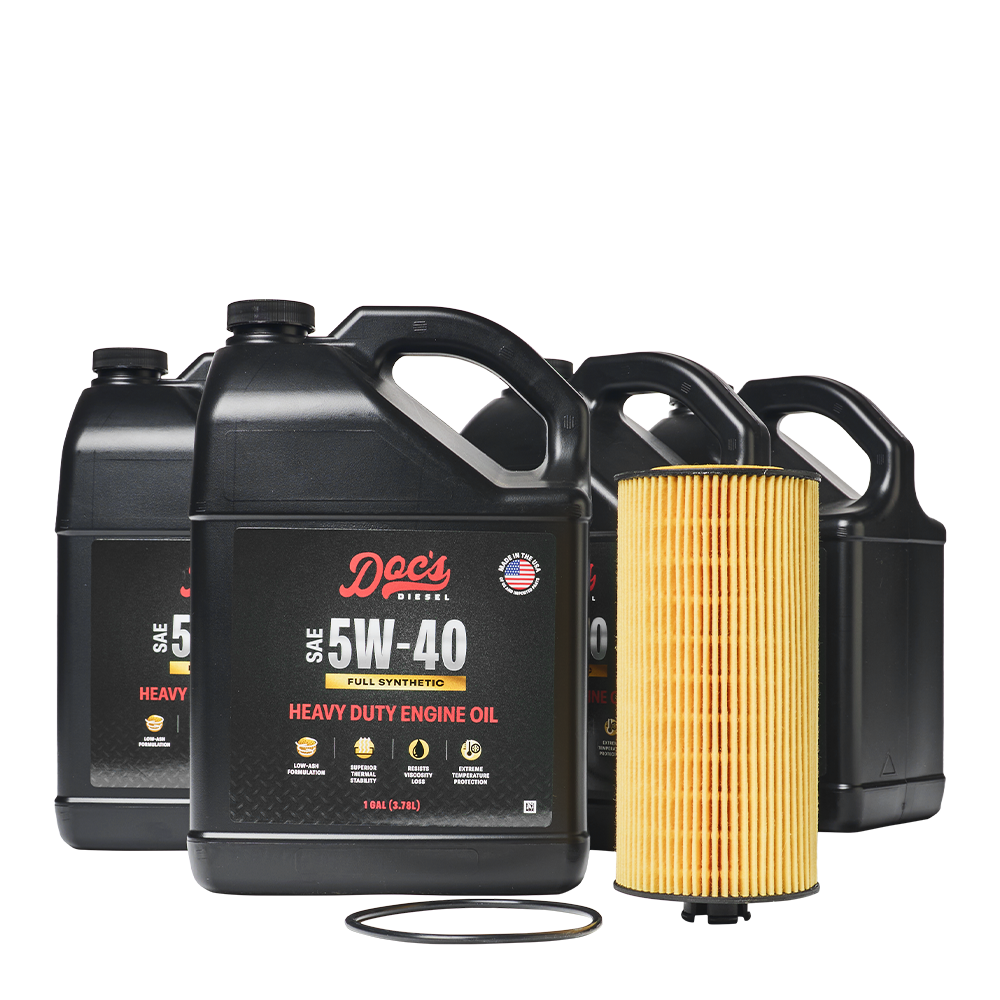
The oil filter is almost as important as the oil itself. The 6.0’s injectors are hydraulic and need super-clean oil. Cheap filters can collapse or let particles pass through, causing injector or turbo failure.
Always use a high-quality filter, such as:
- Motorcraft FL-2016
- Racor or Baldwin alternatives (meeting OEM specs)
Aftermarket filters might fit, but if they don’t meet Ford specs, they’re a gamble.
A quality filter also prevents “filter collapse. ” This is a problem where a poor filter can fold inward under high pressure, blocking oil flow completely. The 6. 0’s oil system runs at high pressure, especially at startup, so the filter has to be strong.
Stick with brands known for reliability, even if they cost a little more.
Credit: www.docsdiesel.com
Additives And “engine Treatments”: Are They Needed?
Many products claim to clean, protect, or boost diesel engine oil. For the 6. 0 Power Stroke, these are usually unnecessary. Good oil already contains detergents and anti-wear agents. Adding the wrong treatment can actually harm the injectors or turbo seals.
The only time to consider an additive is if Ford or a trusted diesel mechanic recommends it for a specific issue. Otherwise, stick to quality oil and regular changes.
Some owners are tempted by “stiction eliminators” or oil stabilizers. Unless your mechanic finds a real need, these are not required for a healthy 6.0. Overuse of additives can change the oil’s properties and even void your warranty. For most drivers, the best approach is simple: use oil that meets Ford’s requirements and keep it fresh.
Ford 6.0 Oil Capacity Compared To Other Diesel Engines
How does the 6.0’s oil capacity measure up against similar diesel engines? Here’s a quick comparison:
| Engine | Oil Capacity (with filter) |
|---|---|
| Ford 6.0 Power Stroke | 15 quarts |
| Ford 7.3 Power Stroke | 15 quarts |
| Duramax 6.6L (Chevy/GMC) | 10 quarts |
| Cummins 5.9L (Dodge/Ram) | 12 quarts |
The 6. 0 is at the top of the range, showing just how important oil is for this engine’s design.
This higher capacity also means higher oil change costs, but it’s a smart investment. More oil means more protection, especially under heavy loads or in hot weather. If you’re used to smaller gasoline trucks, don’t be surprised by the cost or quantity—this is normal for a heavy-duty diesel.
Oil Pan Upgrades And Aftermarket Oil Systems
Some owners upgrade to larger oil pans for better cooling or extra capacity. However, with the 6.0, increasing oil capacity above 15 quarts isn’t usually needed unless you’re running extreme performance modifications.
A larger pan can help keep oil cooler, but the stock system is well-matched for most users. If you add a high-capacity pan, remember to check the new oil level carefully and use a matching dipstick, as the factory one may show incorrectly.
Some aftermarket pans include cooling fins or built-in drain valves for easier maintenance. If you tow heavy or drive in hot climates, these features can help reduce oil temperature and prolong engine life. Just remember, adding capacity means you’ll need more oil at each change, and you must be precise when checking levels to avoid overfilling.
Tips For Getting The Most Life From Your 6.0
- Use the right oil: Always choose oil that meets Ford’s standards.
- Change oil on time: Don’t push intervals, especially if you tow or idle often.
- Never skimp on oil amount: The full 15 quarts are needed for proper protection.
- Use a quality filter: Cheap filters can ruin injectors or turbos.
- Watch for leaks: The 6.0 can develop leaks at the oil cooler, HPOP, or turbo pedestal.
- Check oil color: Diesel oil turns black quickly, but if you see metal flakes, coolant, or a “milky” look, there’s a bigger problem.
- Keep records: Tracking oil changes helps if you ever need warranty work or sell your truck.
If you notice oil leaks, fix them quickly. The 6. 0 is known for leaks at the high-pressure oil pump (HPOP) and oil cooler. Small leaks can turn into big problems if ignored. Also, using a logbook or a simple note on your phone to record oil changes can help with troubleshooting and resale.
What Happens If You Overfill Or Underfill?
Overfilling
Too much oil can cause:
- Foaming: Oil gets whipped by the crankshaft, causing bubbles and poor lubrication.
- Leaks: Excess pressure can force oil past seals.
- Catalytic converter issues: Oil can reach the exhaust, damaging after-treatment systems.
Overfilling can also increase oil pressure, which may trigger warning lights or even damage seals and gaskets. In some cases, excess oil can be pushed into the intake system through the crankcase vent, causing blue smoke and fouling sensors.
Underfilling
Not enough oil leads to:
- Oil starvation: Bearings and turbo get less oil, causing rapid wear.
- High temperatures: Less oil means less heat removal.
- Low oil pressure: Warning lights, possible engine shut-down.
Running low on oil is even riskier with the 6. 0 because of its tight tolerances and high-pressure injection system. If you notice the oil pressure gauge dropping or hear strange noises from the engine, shut down immediately and check the level.
Always add oil slowly, checking the dipstick after each quart near the end.
Cold Weather And The 6.0 Oil System
The 6.0 can be stubborn in cold weather. Thick oil slows down flow and makes starting harder. In northern climates, switch to a 5W-40 full synthetic in winter for better protection. Also, use your engine block heater overnight to keep oil warm and improve cold starts.
If you live in an area where temperatures drop below freezing, plug in the block heater several hours before starting the engine, or use a timer to turn it on early in the morning. This reduces wear on injectors and turbos and can make the difference between a rough, smoky start and a smooth one.
Also, avoid revving the engine hard until it’s fully warmed up—this gives the oil time to reach all parts of the engine.

Credit: rudysdiesel.com
How To Dispose Of Used Oil
With 15 quarts per change, you’ll have a lot of used oil. Never pour it down the drain or on the ground. Most auto parts stores and recycling centers accept used oil for free. Use a clean, sealed container for transport.
Also, remember to recycle the used oil filter. Many places will take both together. Never mix oil with antifreeze or other fluids, as this can make recycling harder or impossible. Keeping your used oil in a dedicated, labeled container helps protect the environment and avoids fines.
Two Advanced Insights Most Owners Miss
- Injector Health Depends on Oil: The 6.0’s injectors are hydraulically actuated. Dirty or degraded oil causes “stiction,” where injectors stick and misfire. That’s why frequent oil changes matter more than in other diesels.
- Oil Coolers Are a Weak Point: The oil cooler in the 6.0 can clog from coolant contamination or old oil. Early signs are higher oil temperatures or a growing difference between oil and coolant temps. Fixing this early can save thousands in engine repairs.
A third insight: Using an oil analysis service can help spot problems early. Sending a small sample of used oil to a lab can tell you about wear metals, contamination, or coolant leaks before they cause big failures. It’s a small investment that can save a lot in repairs.
Real-world Example: The Cost Of Skipping Oil Changes
A fleet operator shared that skipping just two oil changes on a 6.0 Power Stroke led to clogged injectors and a $3,000 repair bill. The engine ran rough, smoked, and lost power—all because old oil was left in too long. It’s a strong reminder: oil is cheap insurance.
Another owner reported that after missing a single oil change, his 6. 0 developed hard starts and poor acceleration. Testing revealed several injectors were sticking due to oil breakdown. After replacing the injectors and cleaning the oil passages, plus returning to regular oil changes, the truck ran smoothly again.
This shows how even a small lapse can lead to expensive repairs on this engine.
Where To Find More Information
For more technical data, the official Ford owner’s manual and service guides offer deeper details. You can also find community advice from experienced owners on forums and trusted automotive sites like Ford-Trucks.com.
If you’re new to diesel trucks or the 6. 0, joining a community can help you learn about real-world problems and solutions. Online forums often have step-by-step tutorials, videos, and troubleshooting tips from owners with years of experience.
Frequently Asked Questions
How Much Oil Does The Ford 6.0 Power Stroke Take With A Filter Change?
The 6.0 Power Stroke takes 15 quarts of oil with a filter change. Always replace the filter with each oil change for best protection.
Can I Use Synthetic Oil In My 6.0 Power Stroke?
Yes, synthetic oil such as 5W-40 full synthetic is safe and can offer better cold start protection and longer service life, especially in cold climates or for hard working trucks.
What Happens If I Use Too Little Oil?
Running with less than 15 quarts can cause oil starvation, increased engine wear, and possible turbo or injector damage. Always fill to the correct level and check with the dipstick.
How Often Should I Change The Oil?
Change your oil every 5,000 miles or 200 engine hours, whichever comes first. If you tow heavy or idle often, shorten the interval to around 3,000 miles.
Do I Need To Add Any Special Additives To The Oil?
No, the 6. 0 Power Stroke does not require extra additives if you use high-quality oil that meets Ford’s specifications. Additives can sometimes do more harm than good.
Taking care of your Ford 6. 0 Power Stroke’s oil system is the best way to keep your truck reliable, powerful, and on the road for years. With the right oil, filter, and maintenance habits, you can avoid most common problems and enjoy all the benefits this engine offers.