
The Ford Explorer stands as one of the most popular SUVs in the world. Its history stretches back to 1991, and it has served millions of drivers as a reliable family vehicle, workhorse, and adventure companion. But with great performance comes the need for proper maintenance. One of the most important—and often misunderstood—parts of Explorer care is knowing the correct oil capacity for your specific model and engine.
Getting this detail right keeps your engine running smoothly, prevents costly repairs, and ensures your Explorer delivers its best. However, the oil capacity for a Ford Explorer is not a one-size-fits-all number. It varies by year, engine size, and sometimes even by trim.
Many owners and even some mechanics make mistakes here, leading to overfilling, underfilling, or using the wrong oil type. This article breaks down everything you need to know about Ford Explorer oil capacity, covering every generation, model, and engine. Whether you own a first-generation classic or the latest hybrid, you will find the exact specs, practical advice, and tips to avoid beginner mistakes.
Why Oil Capacity Matters For Your Ford Explorer
The oil capacity is not just a technical number. It is the amount of engine oil your Explorer needs for optimal lubrication, cooling, and cleaning inside the engine. Too little oil, and parts rub together, overheating and wearing out quickly. Too much oil, and it can foam, lose pressure, or even damage seals.
For modern engines, oil also plays a role in controlling emissions and supporting advanced features like turbocharging or variable valve timing. Using the correct oil capacity helps:
- Maintain engine performance and power
- Extend engine life
- Reduce oil consumption and leaks
- Prevent engine warning lights and errors
Many Explorer owners think a little extra oil is harmless. In reality, even half a quart too much can cause problems over time. That’s why it’s critical to know your Explorer’s exact oil capacity—down to the last drop.
Ford Explorer Oil Capacity By Generation And Engine
The Ford Explorer has evolved through six generations, with a variety of engines. Below is a detailed look at the oil capacities for each generation and engine option. This section is organized to help you quickly find your model and get the exact number you need.
First Generation (1991–1994)
These early models are now classics, often used as off-roaders or second vehicles. They came mainly with a 4. 0L V6 engine.
- 4.0L V6 (OHV): 5.0 quarts (with filter)
Second Generation (1995–2001)
Ford introduced more engine options, but the V6 was still the most common. A 5. 0L V8 became available in 1996.
- 4.0L V6 (OHV): 5.0 quarts (with filter)
- 4.0L V6 (SOHC): 5.0 quarts (with filter)
- 5.0L V8: 5.0 quarts (with filter)
Third Generation (2002–2005)
Explorer grew in size and comfort, with new engines and tech.
- 4.0L V6 (SOHC): 5.0 quarts (with filter)
- 4.6L V8: 6.0 quarts (with filter)
Fourth Generation (2006–2010)
Ford continued with larger engines and improved reliability.
- 4.0L V6 (SOHC): 5.0 quarts (with filter)
- 4.6L V8 (3-valve): 6.0 quarts (with filter)
Fifth Generation (2011–2019)
A shift to unibody construction and new, more efficient engines marked this era.
- 2.0L EcoBoost I4: 5.7 quarts (with filter)
- 2.3L EcoBoost I4: 5.7 quarts (with filter)
- 3.5L V6 (Ti-VCT): 6.0 quarts (with filter)
- 3.5L EcoBoost V6: 6.0 quarts (with filter)
- 3.7L V6: 6.0 quarts (with filter)
Sixth Generation (2020–present)
This is the latest generation, featuring rear-wheel drive, new engines, and hybrid options.
- 2.3L EcoBoost I4: 6.2 quarts (with filter)
- 3.0L EcoBoost V6: 6.0 quarts (with filter)
- 3.3L Hybrid V6: 5.7 quarts (with filter)
- 3.3L V6: 6.0 quarts (with filter)
Oil Capacity Quick Reference Table
Here’s a handy summary of the most common Ford Explorer oil capacities by engine:
| Year(s) | Engine | Oil Capacity (with filter) |
|---|---|---|
| 1991–2000 | 4.0L V6 (OHV/SOHC) | 5.0 quarts |
| 1996–2001 | 5.0L V8 | 5.0 quarts |
| 2002–2010 | 4.6L V8 | 6.0 quarts |
| 2011–2019 | 2.0L/2.3L EcoBoost I4 | 5.7 quarts |
| 2011–2019 | 3.5L/3.7L V6 | 6.0 quarts |
| 2020–Present | 2.3L EcoBoost I4 | 6.2 quarts |
| 2020–Present | 3.3L Hybrid V6 | 5.7 quarts |
| 2020–Present | 3.0L/3.3L V6 | 6.0 quarts |
How To Find The Oil Capacity For Your Specific Explorer
Sometimes, even with tables and lists, it’s hard to be 100% sure about your exact oil capacity—especially if your Explorer falls in a year where multiple engines were offered, or if you bought it used and are not sure of the engine type.
Here’s how to quickly and accurately find your Explorer’s correct oil capacity:
- Check the Owner’s Manual: This is always the best source. Every Ford Explorer comes with an owner’s manual that lists oil capacity and oil type in the maintenance section.
- Look Under the Hood: Many newer Explorers have a label on or near the oil fill cap that states the oil type and sometimes the capacity.
- Use the Ford VIN Decoder: Your Vehicle Identification Number (VIN), found on the dashboard near the windshield or on your registration, can be entered into a Ford VIN decoder online. This tells you exactly which engine you have.
- Ask Your Dealer: Ford dealers can look up your specific vehicle and confirm all maintenance specs, including oil capacity.
- Reputable Online Resources: If you’ve lost your manual, sites like Ford Support let you download manuals and maintenance guides for your year and model.
Pro Tip: If your Explorer had an engine swap or aftermarket modifications, always check with a trusted mechanic. Oil capacity can change with non-standard engines or custom oil pans.
Oil Types And Recommended Viscosity
Knowing how much oil to use is important, but so is using the correct oil type and viscosity. Ford recommends different oils for different engines, and using the wrong one can affect performance, fuel economy, and engine life.
Common Ford Explorer Oil Types By Engine
- Older Models (up to 2010): Generally recommend 5W-30 or 5W-20 conventional or synthetic blend oil.
- Newer Models (2011–present): Typically require full synthetic oil, usually 5W-30 or 5W-20, depending on engine.
Why Viscosity Matters
Viscosity is the oil’s thickness and ability to flow at different temperatures. The first number (5W) shows how it flows in cold weather; the second number (20 or 30) shows its thickness at high temperatures. Using oil with the wrong viscosity can make your engine noisy, affect cold starts, or reduce fuel efficiency.
Oil Type And Capacity Table
See below for a quick reference for oil type and viscosity by engine:
| Engine | Model Years | Recommended Oil | Viscosity |
|---|---|---|---|
| 4.0L V6 (OHV/SOHC) | 1991–2010 | Conventional/Synthetic Blend | 5W-30 |
| 5.0L V8 | 1996–2001 | Conventional/Synthetic Blend | 5W-30 |
| 4.6L V8 | 2002–2010 | Synthetic Blend/Full Synthetic | 5W-20 |
| 2.0L/2.3L EcoBoost I4 | 2011–present | Full Synthetic | 5W-30 |
| 3.5L/3.7L V6 | 2011–2019 | Full Synthetic | 5W-20 |
| 3.0L EcoBoost V6 | 2020–present | Full Synthetic | 5W-30 |
| 3.3L Hybrid V6 | 2020–present | Full Synthetic | 5W-20 |
Non-obvious insight: Ford sometimes updates its oil recommendations after launch, especially for turbocharged engines. Always check for updates or recalls on your specific model.
How To Change Oil In Your Ford Explorer (step-by-step)
Changing your own oil saves money and helps you understand your SUV better. Here’s a practical, step-by-step guide, including tips that even many experienced owners miss.
Tools And Supplies Needed
- Correct quantity of oil (see above)
- Oil filter (check your manual for part number)
- Oil drain pan
- Funnel
- Socket wrench and oil filter wrench
- Gloves and rags
Step-by-step Instructions
- Warm Up the Engine: Run the engine for 3-5 minutes. Warm oil flows out faster, taking more contaminants with it.
- Park on Level Ground: Turn off the engine and set the parking brake.
- Open the Hood: Remove the oil fill cap. This allows air in and helps oil drain out more quickly.
- Raise the Vehicle (if needed): Use a jack and jack stands if you need more space under the SUV.
- Place the Drain Pan: Position it under the oil pan drain bolt.
- Remove the Drain Bolt: Use a socket wrench to loosen and remove the bolt. Let the oil drain completely (about 5-10 minutes).
- Replace the Drain Bolt: Wipe it clean and reinstall it. Don’t overtighten; check your manual for the correct torque.
- Remove the Oil Filter: Use an oil filter wrench. Some oil will spill, so have rags ready.
- Install the New Oil Filter: Rub a little new oil on the gasket of the new filter. Screw it on hand-tight, then give it another 1/4 turn.
- Add New Oil: Use a funnel to pour in the correct amount of oil.
- Check Oil Level: After waiting a minute, check the dipstick. Add more oil if needed, but don’t overfill.
- Run the Engine: Start the engine and let it run for 1-2 minutes. Check for leaks under the SUV.
- Final Check: After the engine cools, check the oil level again and top up if needed.
Expert tip: Always use a new oil drain plug washer if your Explorer has one. Reusing the old washer can cause small leaks.
Common Mistakes When Checking Or Changing Oil
Even experienced owners and mechanics make errors when it comes to oil changes. Here are some mistakes to avoid:
- Overfilling: Many people think a little extra oil is better. It isn’t—overfilling can cause foaming, pressure loss, and seal damage.
- Using the Wrong Oil: Always match Ford’s recommendations for viscosity and type. Using 10W-40 instead of 5W-30, for example, can lead to poor cold starts and engine wear.
- Forgetting the Filter: Not changing the oil filter when you change the oil is a common mistake. Old filters can clog and restrict oil flow.
- Not Letting Oil Drain Fully: Hurrying the process leaves old, dirty oil behind.
- Ignoring the Oil Light: If your oil warning light comes on after a change, stop the engine and check levels immediately. It could mean low oil or a faulty sensor.
Pro insight: Always check the oil level after a short drive, not just immediately after filling. Oil needs to circulate and settle for an accurate reading.
Oil Capacity Differences: Dry Fill Vs. Oil Change
A little-known fact is that total engine oil capacity and the amount needed for an oil change are sometimes different. The total (or “dry fill”) capacity is what the engine holds when completely empty—like after a rebuild or new engine installation. An oil change only replaces most of the oil; some stays inside passages or the oil cooler.
- Oil Change Capacity: What you need during routine changes. This is what’s listed above.
- Dry Fill Capacity: Slightly higher, but not relevant for normal maintenance.
Always use the oil change capacity unless you have rebuilt the engine or replaced major parts.
How Oil Capacity Affects Oil Life And Maintenance Intervals
Oil capacity affects how long your oil lasts before it needs changing. Engines with a larger capacity usually need less frequent changes, since there’s more oil to dilute contaminants and dissipate heat.
- Smaller oil capacity (under 5 quarts): Change oil every 3,000–5,000 miles, or as recommended.
- Larger oil capacity (6+ quarts): Some newer Explorers with synthetic oil can go 7,500–10,000 miles between changes.
However, if you drive in harsh conditions—like towing, stop-and-go traffic, extreme cold or heat—change oil more often. Oil breaks down faster under tough use.
Non-obvious insight: Frequent short trips are harder on oil than long highway drives, because the engine doesn’t get hot enough to burn off moisture and fuel vapors.
Signs You May Have The Wrong Oil Capacity
If your oil is over or under the correct level, your Explorer will often give you warning signs. Don’t ignore these:
- Oil Pressure Light: This means the oil pressure is too low, possibly from not enough oil.
- Smoking or Smell: White or blue smoke from the tailpipe, or a burning oil smell, often means overfilling.
- Rough Idle or Knocking: Not enough oil can cause noisy operation or engine knocking sounds.
- Oil Leaks: Excess oil can push past seals and gaskets, causing leaks on your driveway.
If you see any of these after an oil change, check your level immediately and adjust as needed.
How To Safely Dispose Of Used Engine Oil
After you change your Explorer’s oil, don’t pour it down the drain or toss it in the trash. Used oil is hazardous and must be recycled properly.
- Store Used Oil: Use the empty oil bottles or a dedicated container.
- Take to a Recycling Center: Many auto parts stores, service stations, and city recycling centers accept used oil for free.
- Never Mix with Other Fluids: Don’t add antifreeze, brake fluid, or chemicals to used oil.
If you’re unsure where to take your used oil, check your city’s waste management website or ask at local auto parts stores.
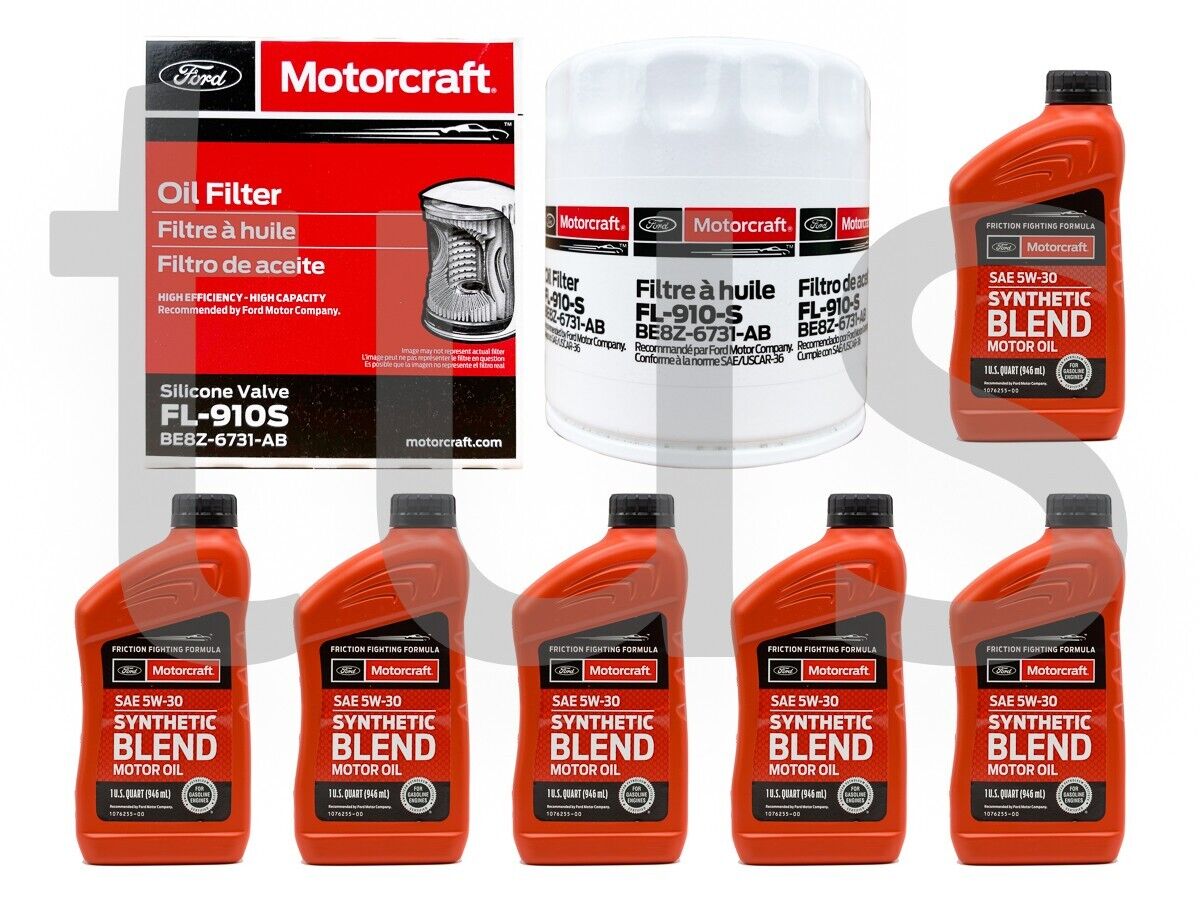
Comparison: Ford Explorer Vs. Other Suvs Oil Capacity
How does the Ford Explorer’s oil capacity stack up against other popular SUVs? Here’s a quick comparison for context:
| Model | Engine | Oil Capacity (with filter) |
|---|---|---|
| Ford Explorer | 3.0L EcoBoost V6 | 6.0 quarts |
| Toyota Highlander | 3.5L V6 | 5.8 quarts |
| Honda Pilot | 3.5L V6 | 5.7 quarts |
| Chevrolet Traverse | 3.6L V6 | 6.0 quarts |
| Jeep Grand Cherokee | 3.6L V6 | 6.0 quarts |
As you can see, the Explorer’s oil capacity is in line with other midsize SUVs, but always check your exact model and engine.
Tips For Maximizing Engine Life With Proper Oil Maintenance
Keeping your Explorer’s engine healthy is about more than just filling it with the right amount of oil. These simple habits make a big difference:
- Check Oil Regularly: At least once a month, or before long trips, check your oil level and look for changes in color or smell.
- Change Oil on Time: Don’t push your oil past its recommended life, even if the oil still looks clean.
- Use Quality Filters: Cheap oil filters can clog or fail, reducing protection.
- Don’t Mix Oils: Stick to the same type and brand if possible, especially for synthetic blends.
- Pay Attention to Warning Lights: Never ignore the oil pressure or check engine lights.
Expert advice: Keep a log of your oil changes and the amount added. This helps track oil usage and catch leaks early.
Frequently Asked Questions
How Do I Know If I Have The Right Amount Of Oil In My Ford Explorer?
Check the oil dipstick after the engine has been off for a few minutes and is on level ground. The oil level should be between the “Min” and “Max” marks. If it’s low, add a little at a time—never overfill.
Can I Use Synthetic Oil In My Older Ford Explorer?
Yes, most older Explorers can use synthetic oil if it matches the required viscosity (like 5W-30). Synthetic oil offers better protection and longer life, especially in harsh conditions.
What Happens If I Overfill My Explorer With Oil?
Overfilling can cause oil to foam, lose pressure, or even force its way past seals and gaskets. This can lead to leaks, poor engine performance, and possible engine damage. Always use the recommended capacity.
How Often Should I Change The Oil In My Explorer?
For most Explorers, change oil every 5,000–7,500 miles if using synthetic oil, or every 3,000–5,000 miles with conventional oil. Always check your owner’s manual for your specific model and driving conditions.
Where Can I Find Official Ford Oil Capacity Information?
Official information is in your owner’s manual, or you can find it online at the Ford Support website.
Taking care of your Ford Explorer’s oil needs is a simple but powerful way to keep your SUV running for years. With the right oil capacity, type, and regular checks, you can enjoy reliable performance, lower repair costs, and peace of mind on every journey.