
If you own or maintain a Ford 7.3 gas engine, understanding its oil capacity is not just a technical detail—it’s a critical part of keeping your truck running smoothly. Whether you’re a first-time Ford Super Duty owner or a seasoned fleet manager, knowing exactly how much oil your engine needs can save you from costly mistakes and unnecessary wear. The Ford 7.3 gas engine, introduced in 2020 for heavy-duty applications, is known for its reliability and power. But like any engine, it depends on proper maintenance, and oil is at the heart of that care.
Many drivers underestimate the importance of oil capacity, thinking any “close enough” fill will do. However, the right oil amount ensures the engine stays lubricated, cool, and protected under stress. Overfilling or underfilling can lead to engine problems, decreased performance, and even long-term damage. In this guide, you’ll learn everything about the Ford 7.3 gas oil capacity, including exact numbers, step-by-step oil change instructions, how oil capacity compares to other engines, practical tips, and common mistakes to avoid. You’ll also discover non-obvious insights that even experienced owners sometimes miss.
Overview Of The Ford 7.3 Gas Engine
The Ford 7.3L V8 gasoline engine, also known as the “Godzilla” engine, is a modern powerhouse designed for Ford’s Super Duty trucks and commercial vehicles. Introduced in 2020, it quickly gained a reputation for simplicity, robustness, and impressive torque. Unlike the older 7.3 Power Stroke diesel, the 7.3 gas engine offers a less complex alternative with lower maintenance costs.
Key Features
- Displacement: 7.3 liters (445 cubic inches)
- Configuration: V8, overhead valve (OHV)
- Horsepower: Up to 430 hp (varies by application)
- Torque: Up to 475 lb-ft
- Applications: Ford F-250, F-350, F-450, F-550 Super Duty; E-Series vans; commercial chassis cabs
This engine is designed for durability. Its pushrod design, forged steel crankshaft, and iron block make it suitable for heavy-duty work. But, like any engine, it relies on regular oil changes and the correct oil volume.
Ford 7.3 Gas Oil Capacity: The Three Key Variations
When people ask about the oil capacity of the Ford 7.3 gas engine, they usually want to know one of three things:
- Oil capacity with a filter change
- Oil capacity without a filter change
- Dry fill (total capacity when engine is completely empty)
Each scenario has its own number and practical importance. Let’s explore them one by one.
1. Oil Capacity With Filter Change
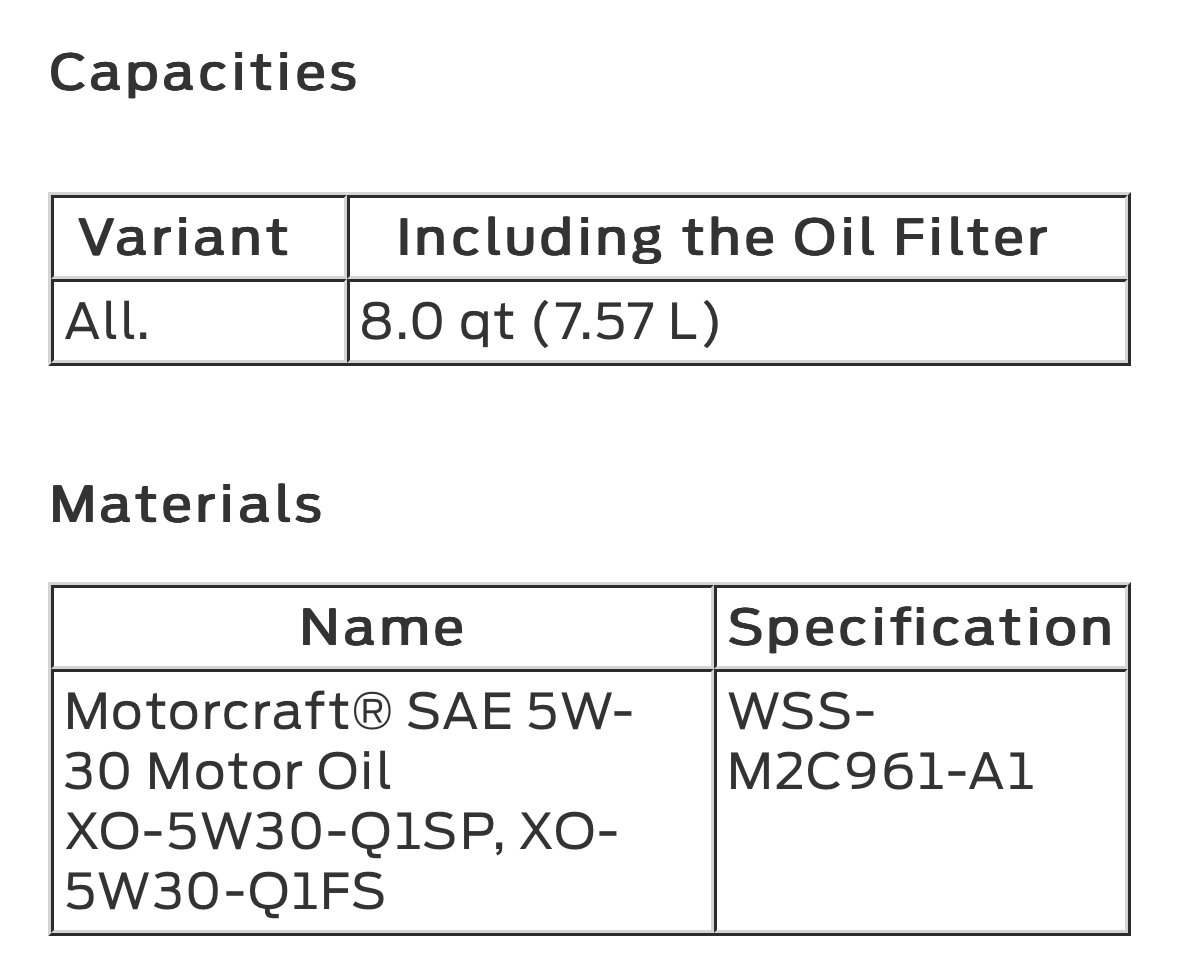
For most owners, this is the most important number. When you perform a standard oil change (draining the oil and replacing the oil filter), the 7.3 gas engine takes 8 quarts (7.6 liters) of oil.
- Why this number matters: This is the amount you’ll use for routine maintenance. Changing the filter is always recommended because the old filter holds dirty oil and contaminants.
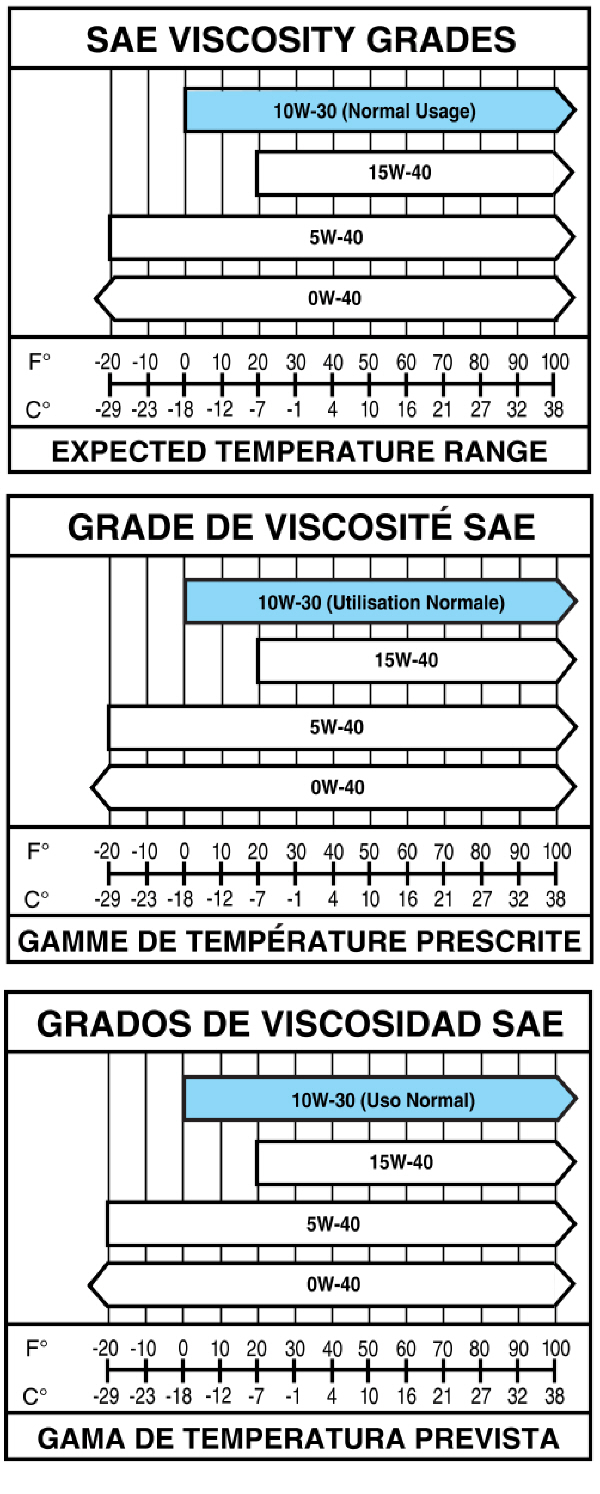
- Type of oil: Ford recommends SAE 5W-30 full synthetic oil for most climates. In extreme conditions, consult your owner’s manual for other options.
Pro Tip: Always check the oil level with the dipstick after refilling and running the engine for a minute. Sometimes, a small amount of old oil remains in the system, so the real-world fill may be just under 8 quarts.
2. Oil Capacity Without Filter Change
If you only drain the oil but don’t replace the filter, the capacity is 7.5 quarts (7.1 liters).
- Why this is different: The old oil filter holds about half a quart of oil, which does not drain out unless you remove and replace it.
- When would you do this? Only skip the filter change in rare situations, such as a very recent filter replacement or in an emergency. Most experts recommend always changing the filter.
Non-Obvious Insight: Some mechanics skip the filter to save time or money, but this can shorten engine life. Even if the oil looks clean, the filter may hold debris.
3. Dry Fill Capacity
This is the maximum oil the engine can hold when completely empty—such as after a full rebuild or when the engine is new from the factory. For the Ford 7.3 gas engine, the dry fill is 9.5 quarts (9.0 liters).
- Why dry fill is higher: When you change the oil normally, some oil remains in the engine’s passages and oil cooler. Only a brand-new or fully disassembled engine can take the full dry fill.
- When does this matter? This number is important for engine builders or during major repairs, not for routine maintenance.
Non-Obvious Insight: Overfilling with the dry fill amount during a standard oil change will cause the oil to foam, leading to poor lubrication and possible engine damage.
Side-by-side Oil Capacity Comparison
Here’s a quick comparison of the three oil capacity scenarios for the 7.3 gas engine:
| Scenario | Oil Capacity (quarts) | Oil Capacity (liters) | When Used |
|---|---|---|---|
| With filter change | 8.0 | 7.6 | Routine oil & filter change |
| Without filter change | 7.5 | 7.1 | Oil change, old filter stays |
| Dry fill (fully empty engine) | 9.5 | 9.0 | After rebuild or new engine |
Step-by-step Ford 7.3 Gas Oil Change Guide
Changing oil on the 7. 3 gas engine is straightforward, but small mistakes can lead to leaks or engine damage. Here’s a detailed guide to get it right.
What You’ll Need
- 8 quarts of SAE 5W-30 full synthetic oil (for filter change)
- New oil filter (Ford Motorcraft FL-2081 or equivalent)
- Oil drain pan (holds at least 10 quarts)
- Socket set or wrench (for oil drain plug)
- Funnel
- Clean rag or paper towels
- Oil filter wrench (optional but helpful)
- Gloves
Approximate Time
30-45 minutes for a beginner. Slightly less for experienced owners.
Step 1: Warm Up The Engine
Start the engine and let it run for 2-3 minutes. Warm oil flows better and carries more contaminants out. Turn off the engine and wait a few minutes so it’s warm, not hot.
Step 2: Raise The Vehicle (if Necessary)
If your truck sits low, use ramps or a jack with safety stands. The 7. 3 sits high in most Super Duty trucks, so you may not need to lift it.
Step 3: Drain The Old Oil
- Place the drain pan under the oil pan’s drain plug.
- Use a socket or wrench to remove the drain plug (turn counterclockwise).
- Allow oil to drain completely—wait until it drips slowly.
- Wipe the drain plug and replace the gasket if needed.
- Reinstall the drain plug snugly (do not overtighten).
Step 4: Replace The Oil Filter
- Move the drain pan under the oil filter.
- Use your hand or an oil filter wrench to unscrew the old filter.
- Let old oil drain from the filter location.
- Wipe the filter mounting area.
- Lightly oil the new filter’s rubber gasket.
- Screw on the new filter by hand—tighten until the gasket contacts the base, then turn 3/4 more.
Step 5: Add New Oil
- Remove the oil fill cap on top of the engine.
- Place a funnel in the opening.
- Pour in 8 quarts of oil (for filter change).
- Replace the cap.
Step 6: Check Oil Level And Start Engine
- Start the engine and let it idle for 1-2 minutes.
- Turn off the engine and wait 5 minutes.
- Pull out the dipstick, wipe it, reinsert, and check the level.
- Add oil if needed to reach the full mark.
- Check for leaks around the filter and drain plug.
Step 7: Proper Disposal
Pour old oil into a sealed container and take it to a recycling center or auto parts store.
Pro Tip: Always record the date and mileage of your oil change. This helps you keep a consistent maintenance schedule and can increase your truck’s resale value.

How The 7.3 Gas Oil Capacity Compares To Other Ford Engines
If you’re used to other Ford trucks, you might notice the 7.3 gas engine uses more oil than smaller V8s, but less than some diesels. Here’s a comparison with other popular Ford truck engines:
| Engine | Displacement (L) | Oil Capacity (with filter, quarts) | Type |
|---|---|---|---|
| 7.3L V8 Gas | 7.3 | 8.0 | Gasoline |
| 6.2L V8 Gas | 6.2 | 7.0 | Gasoline |
| 6.7L Power Stroke | 6.7 | 13.0 | Diesel |
| 5.0L Coyote V8 | 5.0 | 8.8 | Gasoline |
| 3.5L EcoBoost V6 | 3.5 | 6.0 | Gasoline |
Insight: The 7.3 gas engine’s 8-quart capacity is a balance between the smaller capacities of light-duty engines and the very high capacities of diesels. This helps with cooling and lubrication under heavy loads.
Why Oil Capacity Matters For Longevity
Oil does more than lubricate—it cools, cleans, and protects. Too little oil means parts may run dry, causing friction and damage. Too much oil can create foam and pressure, leading to leaks or engine failure. For the 7.3 gas engine, the 8-quart capacity is engineered to provide the right balance.
Impact On Cooling
The 7. 3 gas engine often works hard—towing, hauling, or running in hot conditions. The larger oil volume helps absorb and dissipate heat, reducing the risk of breakdowns and extending engine life.
Impact On Lubrication
More oil means more surface area covered, more contaminants suspended, and less risk of starvation during sharp turns or steep hills. This is especially important for commercial and fleet vehicles.
Non-Obvious Insight: Some aftermarket oil pans claim to hold more oil, but unless you do extreme towing or racing, the stock capacity is almost always the best choice.
Common Mistakes With Ford 7.3 Gas Oil Capacity
Even experienced owners make simple errors that can affect engine health. Here are some to watch out for:
- Overfilling the oil: Adding more than 8 quarts (with filter) can cause high crankcase pressure and oil leaks.
- Underfilling: Adding less oil means certain parts will not be lubricated properly, especially at high speeds.
- Forgetting the oil filter change: Skipping the filter means old contaminants stay in the system.
- Using the wrong oil: Always use the recommended viscosity and type. The 7.3 gas engine is designed for modern full synthetics.
- Not checking after filling: Always verify the oil level with the dipstick after running the engine. Small differences can happen based on how much old oil remains.
- Ignoring oil change intervals: Even the best oil degrades. Ford recommends oil changes every 7,500 miles (12,000 km) or 6 months, whichever comes first, but heavy-duty use may require shorter intervals.
Pro Tip: If you tow, idle for long periods, or drive in dusty conditions, change oil more often.
Tips For Extending Engine Life With Proper Oil Maintenance
- Stick to the 8-quart capacity (with filter). Don’t guess—measure.
- Check oil regularly—every 1,000 miles or monthly.
- Use only quality oil filters. Cheap filters can collapse or leak.
- Warm up the engine before draining oil for a more complete change.
- Inspect old oil for metal shavings or sludge. These can be early warning signs of trouble.
- Record your changes with date, mileage, and oil brand.
- If you notice frequent low oil, check for leaks or burning.
Signs You Might Have The Wrong Oil Level
Sometimes even careful owners end up with too much or too little oil. Watch for these symptoms:
- Oil pressure warning light
- Loud ticking or knocking noises
- Blue or white smoke from the exhaust
- Visible leaks under the truck
- Unusual engine vibration
If you see these, stop and check the dipstick. Running the engine with the wrong oil level can cause permanent damage.
Practical Questions About Oil Capacity
Many owners have questions that go beyond the basics. Here are answers to a few:
Can I Top Off Oil Between Changes?
Yes, if the level is low, add oil in small amounts. Always use the same type and viscosity as your last change.
What If I Accidentally Overfill?
If you add more than 8 quarts (with filter), drain out the excess immediately. Overfilling can cause serious issues.
Do Aftermarket Oil Pans Affect Capacity?
Some aftermarket pans hold more oil, but only use these for very heavy-duty or racing applications. Otherwise, stick to the factory specs.
Why Does My Dipstick Show Low Oil After The Correct Fill?
Sometimes oil needs more time to drain into the pan after running. Wait 10 minutes after shutting off the engine, then check again. Always park on a level surface.
Real-world Example: Fleet Maintenance
A large delivery fleet switched from the 6. 2L V8 to the 7. 3 gas engine. After a few months, they noticed some trucks had higher oil consumption. Investigation showed that some drivers were underfilling during quick oil changes—adding 7 quarts instead of 8.
This led to increased wear and more frequent top-offs. After retraining, using the full 8 quarts, the problem disappeared and engine life improved.
Lesson: Small mistakes in oil fill can add up over time, especially in commercial operations.
The Role Of Oil Filters In Capacity
The oil filter is not just a minor part—it directly affects how much oil your engine holds. The Ford Motorcraft FL-2081 is the factory filter, but some aftermarket filters can be larger or smaller. Always check the manufacturer’s specs. If you use a larger filter, you may need to add a bit more oil (usually less than half a quart).
Pro Tip: Stick with OEM or high-quality aftermarket filters to avoid leaks or fitment issues.
Environmental Impact: Proper Oil Disposal
Used engine oil contains heavy metals and chemicals. Never dump oil on the ground or in the trash. Most auto parts stores and service centers accept used oil for recycling. One gallon of used oil can contaminate a million gallons of water, so dispose of it responsibly.
How To Read The 7.3 Gas Dipstick
The dipstick is your final check. After an oil change:
- Pull it out, wipe clean.
- Insert fully, remove again.
- Oil should be between “MIN” and “MAX” marks, ideally at “MAX.”
- If below “MIN,” add oil. If above “MAX,” remove some oil.
Non-Obvious Insight: If the oil is foamy, smells burnt, or looks milky, do not drive—these are signs of bigger problems.
What Happens If You Use The Wrong Oil Capacity?
Running too little oil can cause the engine to seize—this is catastrophic and often means a full rebuild or replacement. Too much oil causes pressure and aeration, which damages seals and bearings. Both problems can void your warranty.
Practical Tip: Always double-check your owner’s manual for updates, as Ford sometimes changes specifications for newer models or in response to issues.
Trusted Resources For More Information
For more technical details and the latest updates, you can visit the official Ford Super Duty Chassis Cab page. This site provides detailed specs, manuals, and maintenance recommendations straight from the manufacturer.
Frequently Asked Questions
How Often Should I Change The Oil In My Ford 7.3 Gas Engine?
Ford recommends oil changes every 7,500 miles or 6 months under normal driving. If you tow, idle, or drive in harsh conditions, change oil more often—every 5,000 miles is safer for heavy-duty use.
Can I Use A Different Oil Viscosity Than 5w-30?
You can use a different viscosity if your climate or driving conditions require it, but always follow the recommendation in your owner’s manual. 5W-30 full synthetic is best for most environments.
What Happens If I Overfill My 7.3 Gas Engine With Oil?
Overfilling causes high pressure, oil foaming, leaks, and possible engine damage. If you overfill, drain the excess oil right away.
Is It Bad To Change The Oil Without Replacing The Filter?
Yes. The filter holds dirt and contaminants. If you skip the filter, you leave old debris in the engine, reducing oil life and protection.
Why Does My Engine Seem To “use” More Oil Than Before?
This could be due to leaks, worn seals, or incorrect oil changes. Always check for leaks and ensure you’re using the full 8 quarts (with filter change).
Final Thoughts
Getting the Ford 7.3 gas oil capacity right is simple but essential. The correct fill with filter is 8 quarts, without filter is 7.5 quarts, and the dry fill is 9.5 quarts—each for specific situations. Sticking to these numbers, using quality oil and filters, and checking your work can keep your 7.3 running strong for years. Oil may seem like a small detail, but it’s the lifeblood of your engine. A little attention now saves a lot of trouble later—so measure twice, fill once, and enjoy the power and reliability of your Ford 7.3 gas engine.