
Owning a Ford F250 means taking care of a strong and reliable truck. One of the most important parts of this care is checking and changing the oil. The oil keeps the engine running smoothly, protects its parts, and helps your F250 last longer. But many owners wonder: how much oil does my Ford F250 need? The answer depends on your truck’s model year and engine type. This guide will help you understand everything about Ford F250 oil capacity, and give you the information you need to keep your truck in top shape.
Why Oil Capacity Matters
Oil capacity is not just a number in your owner’s manual. It affects your engine’s health and performance. If your engine has too little oil, it cannot protect itself from heat and friction. This can lead to serious damage, expensive repairs, or even engine failure.
But adding too much oil is also a problem. It can cause leaks, foaming, or damage to seals and gaskets.
Getting the oil capacity right means your engine has just enough lubrication and cooling. It helps your F250 run smoothly, whether you use it for towing, hauling, or daily driving.
How Oil Capacity Is Measured
Oil capacity is usually measured in quarts or liters. Most American manuals use quarts. One quart is about 0. 95 liters. When you see a number like “7 quarts (with filter),” it means the engine plus the oil filter together need 7 quarts after a full oil change.
It’s important to know that oil capacity can vary for the same engine, depending on if you also change the oil filter. The filter holds extra oil, so if you replace it (as you should), always use the “with filter” number.
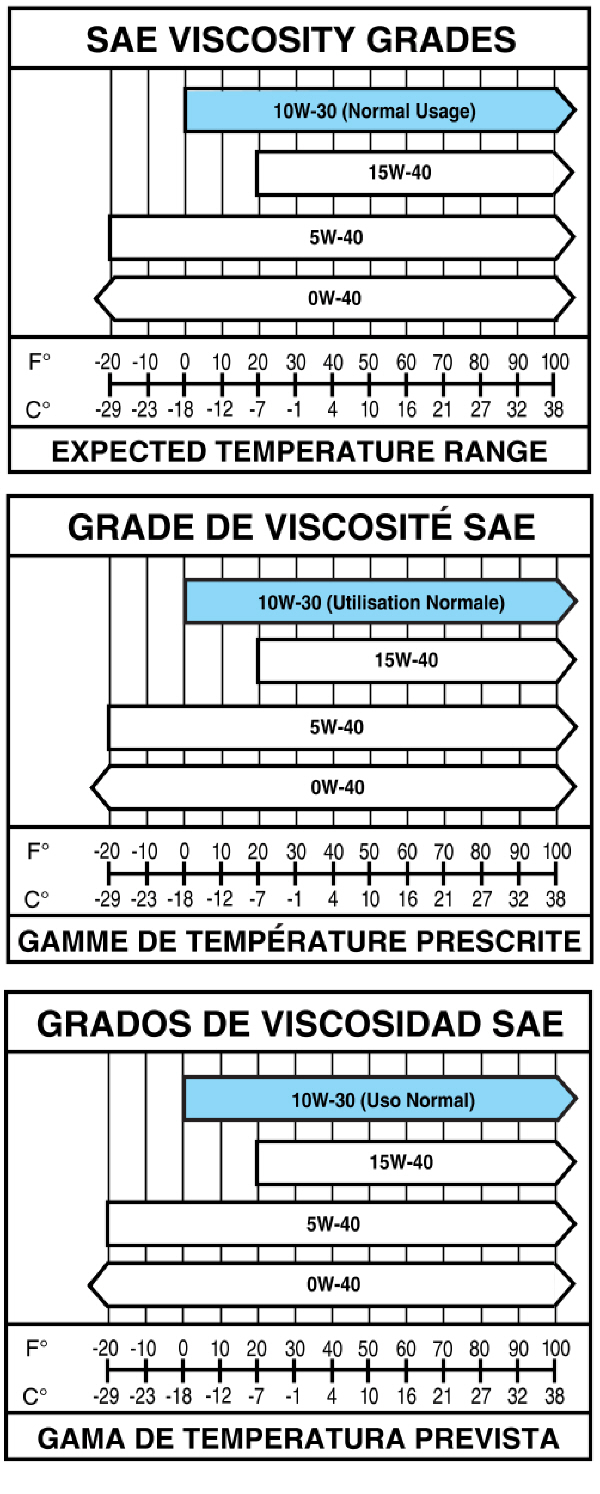
Ford F250 Oil Capacity By Engine And Year
Ford has made the F250 with many different engines over the years. Each engine has its own oil capacity. Here’s a breakdown of the most common F250 engines, their oil capacities, and special notes for each.
1. 5.4l Triton V8 (gasoline)
- Model Years: 1997–2010 (varies by trim)
- Oil Capacity: 6.0 quarts (with filter)
- Oil Type: 5W-20 or 5W-30 (check your manual for the right grade)
The 5. 4L V8 is a common engine in older F250s. It is known for its smooth power and reliability. Always use the oil grade recommended in your manual, as using the wrong grade can affect the engine’s performance, especially in cold or hot weather.
2. 6.2l Sohc V8 (gasoline)
- Model Years: 2011–present
- Oil Capacity: 7.0 quarts (with filter)
- Oil Type: 5W-20 (for most climates; check manual if you drive in extreme conditions)
This engine replaced the 5. 4L in many F250s. It’s built for strength and towing, but still needs regular oil changes to stay healthy. Some owners notice that this engine can burn a small amount of oil over time, so checking the level between changes is a good idea.
3. 7.3l V8 (gasoline, “godzilla” Engine)
- Model Years: 2020–present
- Oil Capacity: 8.0 quarts (with filter)
- Oil Type: 5W-30
Ford introduced the “Godzilla” engine for heavy-duty performance. It has a larger oil capacity because of its size and power. This engine is used in both F250 and larger Super Duty trucks. Be sure to use the right oil grade, as this engine is sensitive to thick or thin oils.
4. 6.8l V10 (gasoline)
- Model Years: 1999–2010
- Oil Capacity: 6.0 quarts (with filter)
- Oil Type: 5W-20 or 5W-30 (check your manual)
The V10 is less common, but some F250s were built with this engine for extra power. It is important to use the correct oil type and not to overfill, as the V10 can develop leaks if oil is added above the maximum line.
5. 6.0l Power Stroke V8 (diesel)
- Model Years: 2003–2007
- Oil Capacity: 15.0 quarts (with filter)
- Oil Type: 15W-40 (conventional), 5W-40 (synthetic, for cold climates)
The 6. 0L Power Stroke is a high-performance diesel engine. Its oil capacity is much larger than gasoline engines. Using the wrong oil or too little oil can cause serious problems. Diesel engines run hotter and need more oil for cooling and cleaning.
Extra Tip: This engine is known for being sensitive to oil changes. Many owners change oil every 5,000 miles instead of waiting for the full 7,500-mile interval.
6. 6.4l Power Stroke V8 (diesel)
- Model Years: 2008–2010
- Oil Capacity: 15.0 quarts (with filter)
- Oil Type: 15W-40 (conventional), 5W-40 (synthetic for cold)
The 6. 4L diesel is powerful but can have issues with fuel dilution (diesel fuel mixing with oil). This means oil changes are even more important. If you tow heavy loads or drive in stop-and-go traffic, you may need to change oil more often.
7. 6.7l Power Stroke V8 (diesel)
- Model Years: 2011–present
- Oil Capacity: 13.0 quarts (with filter, 2011–2016), 13.0 quarts (with filter, 2017–present)
- Oil Type: 10W-30 or 5W-40 (check manual; newer models may use lighter oil for fuel economy)
This is Ford’s latest diesel engine. It is cleaner and more efficient but still needs lots of oil. Some newer models use thinner oil for better fuel economy, but always check your owner’s manual or the oil cap for the correct type.
Non-Obvious Insight: For some 2020+ models, Ford recommends synthetic oil. Using synthetic can help the engine last longer, especially if you live in very hot or cold areas.
8. 7.3l Power Stroke V8 (diesel)
- Model Years: 1994–2003
- Oil Capacity: 15.0 quarts (with filter)
- Oil Type: 15W-40 (conventional for most climates)
The 7. 3L diesel is famous for its durability. It needs a lot of oil, and regular changes are key to making these engines last 300,000 miles or more. Owners often use high-quality filters and change oil every 5,000 miles for best results.
9. Other Engines
Some rare F250 models may have different engines, like smaller V8s, V6s, or special editions. Always check your owner’s manual or the sticker under the hood if you are unsure.
How To Check Your Oil Level (step-by-step)
Even if you know your oil capacity, you should always check the oil level after filling. Here’s how to do it correctly:
- Warm Up the Engine: Start your F250 and let it run for a few minutes. This warms up the oil and helps it settle.
- Turn Off and Wait: Turn off the engine and wait about 5 minutes. This allows oil to drain into the oil pan.
- Find the Dipstick: Open the hood and look for the oil dipstick. It usually has a yellow or orange handle.
- Pull and Wipe: Remove the dipstick, wipe it clean with a rag, and re-insert it all the way.
- Check the Level: Pull it out again and look at the oil level. It should be between the “MIN” and “MAX” marks.
- Add If Needed: If the level is low, add oil in small amounts (half a quart at a time). Repeat the check until it’s correct.
- Don’t Overfill: Stop when you reach the “MAX” mark. Too much oil is as bad as too little.
Oil Change Intervals And Best Practices
How often you should change your oil depends on your engine, oil type, and driving style. Here are some basic guidelines:
- Gasoline Engines: Every 7,500 miles or 6 months (whichever comes first), unless you tow often or drive in very dusty/hot areas. In those cases, every 5,000 miles is safer.
- Diesel Engines: Every 5,000–7,500 miles. If you idle for long periods, tow heavy loads, or drive in extreme conditions, change oil more often.
- Synthetic Oil: If you use full synthetic oil, you might be able to go longer between changes (up to 10,000 miles), but always check your manual.
Pro Tip: Set a reminder on your phone or write down the mileage after every oil change. Forgetting oil changes is a common cause of engine trouble.
Choosing The Right Oil For Your F250
Picking the right oil is not just about capacity. The type and grade of oil matter a lot. Ford recommends certain grades for each engine and climate:
- 5W-20 or 5W-30: Most modern gasoline engines
- 15W-40: Most diesel engines, especially in warm climates
- 5W-40 or 10W-30 Synthetic: For extreme cold or newer diesels
What Do the Numbers Mean?
- The first number (e.g., 5W) shows how thick the oil is when cold.
- The second number (e.g., 20, 30, 40) shows how thick it is when hot.
Example: If you live in Alaska, 5W-40 is better for cold starts. In Texas, 15W-40 protects better in heat.
Don’t Guess: Always check the oil cap or manual for your exact engine. Using the wrong oil can cause leaks, poor performance, or engine damage.

Oil Filters: Why They Matter
Every oil change should include a new oil filter. The filter catches dirt, metal shavings, and other junk that could harm your engine. Using a cheap or wrong filter can cause low oil pressure or leaks.
Tips for Choosing a Filter:
- Use Ford Motorcraft filters or a trusted brand that matches your engine.
- Check the part number (it is in your manual or at the auto parts store).
- Never reuse an old filter.
Step-by-step: How To Change Oil On A Ford F250
Many F250 owners like to change their own oil. It saves money and lets you see the condition of your engine up close. Here’s a simple guide:
What You Need
- The correct amount and type of oil
- A new oil filter
- Oil catch pan (at least 15 quarts for diesel)
- Wrenches or socket set (usually 16mm or 19mm for drain plug)
- Funnel
- Rags and gloves
- Jack and jack stands (if needed)
Changing The Oil
- Warm the Engine: Run your truck for a few minutes to warm the oil. This helps it drain faster.
- Lift the Truck (if needed): Use jacks and stands for safety.
- Remove the Drain Plug: Place the pan under the oil pan. Use a wrench to remove the plug. Let the oil drain out completely.
- Remove the Old Filter: Use an oil filter wrench. Be careful—some oil will spill.
- Install the New Filter: Put a little fresh oil on the new filter’s rubber seal. Screw it on by hand (not too tight).
- Replace the Drain Plug: Tighten it snug, but do not over-torque.
- Add New Oil: Use a funnel and pour in the right amount for your engine.
- Start the Engine: Run for a minute and check for leaks.
- Check the Level: Wait, then check the dipstick. Add oil if needed.
Practical Tip: Used oil is dangerous to the environment. Take it to an auto parts store or recycling center—never pour it down the drain.
Common Mistakes F250 Owners Make With Oil
Many owners, especially new ones, make the same oil-related mistakes. Here’s how to avoid them:
- Overfilling the Oil: Too much oil can damage seals or cause leaks. Always check the dipstick after filling.
- Using the Wrong Oil Type: Diesel and gas engines need different oils. Using the wrong kind can hurt your engine.
- Skipping Oil Changes: Delaying oil changes is tempting but can lead to engine sludge, overheating, or failure.
- Forgetting the Oil Filter: Always change the filter with the oil. An old filter can ruin clean oil.
- Not Checking for Leaks: Look under your truck after an oil change. Catch small leaks before they become big problems.
- Ignoring the Manual: The owner’s manual has the right information for your exact model. Never guess if you are unsure.
Signs Your F250 Needs An Oil Change
Sometimes, you might forget the last oil change, or your truck has been working hard. Look for these signs that it’s time for fresh oil:
- The “Check Engine” or oil light comes on
- The engine sounds louder or knocks
- Oil looks black or gritty on the dipstick
- You smell burning oil
- The truck runs hot or loses power
If you see these signs, change the oil as soon as possible.
Oil Capacity And Towing/heavy Use
If you use your F250 for towing, hauling, or long trips, your engine works harder and oil breaks down faster. This doesn’t change your oil capacity, but it means you may need to change oil more often.
Example: If you tow a trailer every weekend, try changing oil every 3,000–5,000 miles, even if you use synthetic oil.
Non-Obvious Insight: If you tow in the mountains, oil temperature goes higher. Check your oil level more often, as some engines burn a little oil when working hard.
Oil Leaks: What To Watch For
Oil leaks are common on older F250s, especially diesels. Common spots for leaks:
- Oil pan gasket
- Valve cover gasket
- Rear main seal
- Oil filter housing
If you notice oil spots under your truck, check the dipstick often and fix leaks quickly. Low oil can ruin your engine in minutes.
Practical Tip: Clean your engine bay after fixing a leak. This makes it easier to spot any new leaks.
High-mileage F250s: Special Oil Advice
If your F250 has over 100,000 miles, consider using “high mileage” oil. This oil has extra conditioners to protect seals and reduce leaks. It can help older engines run smoother and burn less oil.
When to Switch: If you notice leaks, burning oil, or lower oil pressure, try high-mileage oil for your next change.
Frequently Asked Questions
Can I Use Synthetic Oil In My F250?
Yes, most modern F250s can use synthetic oil. Synthetic oil protects better in extreme heat or cold and lasts longer. Some older engines may do fine with conventional oil, but synthetic is often a good upgrade.
What Happens If I Use Too Much Oil?
Too much oil can cause foaming, leaks, and seal damage. It can also make the engine work harder. If you overfill, drain some oil until the level is right.
Is It Okay To Mix Oil Brands Or Types?
It’s best to use the same brand and type for each oil change. Mixing small amounts is usually safe, but try to keep the same grade and formula for best results.
Where Can I Find My F250’s Oil Capacity?
Check your owner’s manual, the sticker under the hood, or trusted sources online like the [Ford Motor Company website](https://www.ford.com/support/).
What If I Lost My Owner’s Manual?
Most manuals are available online as PDFs for free. You can search “Ford F250 owner’s manual [your year]” to download the correct one.
Troubleshooting Oil Problems
If you notice oil pressure warning lights, engine noise, or oil leaks, do not ignore them. Here’s what to do:
- Low Oil Pressure: Check the oil level first. If it’s full, the problem could be the oil pump, clogged filter, or sensor.
- Oil on the Ground: Find the source. It could be a loose drain plug, filter, or worn gasket.
- Burning Oil Smell: Look for leaks near the exhaust or valve covers.
- Milky Oil: If oil looks milky, coolant may be leaking into the oil. This is serious—see a mechanic.
How To Read Your F250’s Oil Life Monitor
Many newer F250s have an oil life monitor on the dashboard. This system tracks driving habits and tells you when to change oil. But it’s not perfect. If you tow, idle a lot, or drive in dust, you may need to change oil before the monitor says.
Pro Tip: Use the monitor as a guide, but also check your oil and follow the severe service schedule if you work your truck hard.
Seasonal Oil Change Tips
- Winter: Use lighter oil (like 5W-30 or 5W-40) for easier cold starts.
- Summer: Use thicker oil (like 15W-40) if you tow or carry heavy loads.
- Before a Big Trip: Always check and change oil if a long drive is coming up.
What If You Add The Wrong Oil?
If you accidentally use the wrong grade or type, change the oil as soon as possible. One short drive is not likely to ruin your engine, but long-term use of the wrong oil can cause damage.
Example: Using gas engine oil in a diesel F250 can ruin the engine fast. Always double-check before pouring oil.
Expert Tips For F250 Owners
- Buy Extra Oil: Keep a quart in your truck for emergencies, especially on long trips.
- Record Every Change: Write down mileage, oil type, and filter used. This helps diagnose problems later.
- Use Quality Filters: Cheap filters can clog or leak. OEM or trusted brands are worth the extra cost.
- Learn Basic Checks: Knowing how to check oil and look for leaks can save you thousands in repairs.
Knowing your Ford F250 oil capacity is the first step to keeping your truck reliable and strong. By using the right amount and type of oil, changing it on time, and watching for signs of trouble, you can keep your F250 running for hundreds of thousands of miles.
Always check your owner’s manual for your specific model, and if you are ever unsure, ask a trusted mechanic or your local Ford dealer. Taking care of your oil means taking care of your truck’s heart.
For more details on oil capacity and Ford engine specs, visit the official Ford support site. Taking a few minutes to learn about your F250’s oil needs can save you time, money, and stress for years to come.