
When you think about car maintenance, engine oil is one of the first things that comes to mind. For car enthusiasts, especially those who drive sports coupes like the Toyota 86, Subaru BRZ, or Scion FR-S, understanding oil capacity is more than just a number—it’s about keeping the car running strong and reliable. Whether you’re a new owner or an experienced DIY mechanic, knowing the exact FRS oil capacity and how it affects your engine’s health can save you from expensive repairs and help your car perform at its best.
The world of engine oil might seem simple, but there’s a lot beneath the surface. The right oil capacity ensures your engine gets proper lubrication, cooling, and cleaning. If you put in too little, you risk engine damage from overheating and friction.
Too much, and you could cause seal leaks or even engine failure. This article will guide you through everything you need to know about FR-S oil capacity, from manufacturer specs to real-life tips for easier oil changes. By the end, you’ll feel confident about managing your car’s oil needs—whether you’re changing it yourself or talking to your mechanic.
What Is The Scion Fr-s?
Before diving into oil details, it’s important to know what the Scion FR-S is. Released in 2012, the FR-S was a joint project between Toyota and Subaru, known elsewhere as the Toyota 86 or Subaru BRZ. It’s a lightweight, rear-wheel-drive sports coupe with a 2.0-liter flat-four boxer engine—loved by drivers for its balance, handling, and fun driving experience.
The FR-S is powered by the FA20 engine, a naturally aspirated 2.0L four-cylinder. This engine is unique because it combines Toyota’s D-4S direct and port injection system with Subaru’s boxer engine design. These technical details matter because they affect how much oil the engine needs and how often you should change it.
Fr-s Oil Capacity: The Official Numbers
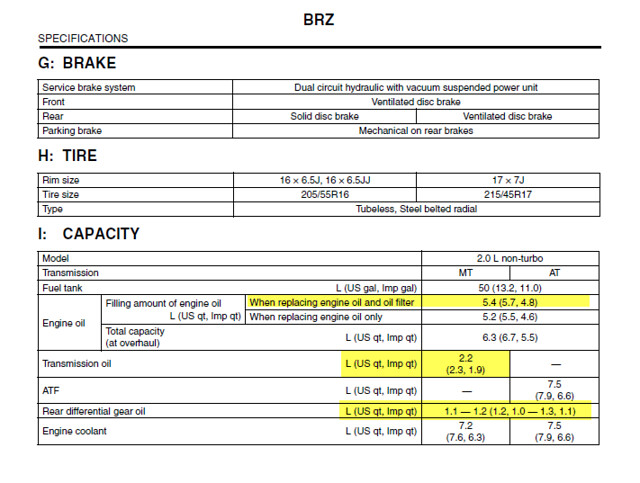
The first thing every FR-S owner should know is the manufacturer’s oil capacity specification. This is the amount of oil your engine needs for safe and proper operation. For the Scion FR-S (2013-2016 models), the oil capacity is:
- With oil filter change: 5.4 quarts (5.1 liters)
- Without oil filter change: 5.1 quarts (4.8 liters)
These numbers are based on the official Toyota and Subaru service manuals for the FA20 engine. Most owners change the oil filter every time, so 5. 4 quarts is the number you’ll use most often.
Why The Difference?
The oil filter holds a small amount of oil, so when you change it, you need a little more to fill the system completely. If you skip changing the filter, you need slightly less oil.
Real-world Example
If you buy a 5-quart jug of oil, you’ll need to open a second smaller bottle to reach the full 5. 4 quarts. Many owners pour in 5 quarts, then check the dipstick and slowly add oil until it reaches the full line.
Why Oil Capacity Matters
You might wonder why being precise with oil capacity is so important. Here’s why:
- Proper Lubrication: Enough oil ensures all moving parts are coated and protected.
- Heat Control: The right amount of oil helps carry heat away from the engine.
- Contaminant Removal: Oil picks up dirt and particles, keeping your engine clean.
- Engine Longevity: Correct oil levels prevent premature wear and reduce the risk of engine failure.
Too little oil, and you risk oil starvation—where parts rub together without enough lubrication. Too much oil, and you can create foam, which lowers oil pressure and can damage seals or gaskets.
How To Check Fr-s Oil Capacity
Checking oil is a basic but crucial task. Here’s how you do it right:
- Park on a Level Surface: An uneven surface gives a false reading.
- Turn Off the Engine: Wait at least 5-10 minutes after running the engine. This lets oil drain to the pan.
- Pull the Dipstick: Wipe it clean, reinsert, and pull out again.
- Check the Level: The oil should be between the “Low” and “Full” marks.
If you’re adding oil after a change, pour in about 5 quarts, check the dipstick, then top up as needed. Always avoid overfilling, as it’s harder to remove oil than to add more.
Types Of Oil For The Fr-s
Not all oils are the same. Using the right oil type is as important as the right amount.
- Viscosity: The manufacturer recommends 0W-20 synthetic oil for the FR-S. This oil is thin enough for cold starts but thick enough to protect the engine at high temperatures.
- Oil Quality: Use oils that meet API SN or newer standards. Synthetic oil is preferred for better protection and longer life.
If you track your car or drive aggressively, consider changing oil more often or using a high-performance synthetic.
Fr-s Oil Change: Step-by-step Guide
If you’re ready to change your own oil, here’s a detailed guide. This is a great way to save money and get to know your car better.
What You’ll Need
- 5.4 quarts (5.1 liters) of 0W-20 synthetic oil
- New oil filter (OEM or quality aftermarket)
- Socket wrench and filter wrench
- Oil drain pan
- Funnel
- Gloves and rags
Steps
- Warm Up the Engine: Run for a few minutes to thin the oil.
- Lift the Car: Use ramps or a jack and jack stands.
- Remove the Undertray: The FR-S has a plastic shield under the engine. Remove it for access.
- Drain the Oil: Place the pan under the drain plug. Remove the plug and let oil drain fully.
- Replace the Oil Filter: Use the filter wrench. Wipe the filter seat and apply a little new oil to the gasket of the new filter before installing.
- Replace the Drain Plug: Tighten securely but don’t over-tighten.
- Add New Oil: Pour in about 5 quarts, then check the dipstick.
- Start the Engine: Let it run for 30 seconds. Check for leaks.
- Check the Oil Level Again: Top up to 5.4 quarts if needed.
- Reinstall Undertray: Make sure all bolts are tight.
Pro Tips
- Always use a new crush washer on the drain plug to prevent leaks.
- Old oil can be recycled at auto parts stores.
- Write down your mileage and date for the next oil change reminder.
Common Mistakes When Changing Oil
Changing oil might seem simple, but here are some mistakes to avoid:
- Overfilling: Always check the dipstick as you add oil. Overfilling can cause foaming and leaks.
- Underfilling: Not enough oil won’t protect your engine. Take your time to get it right.
- Reusing Old Filters: Always use a new filter with every oil change.
- Not Replacing the Crush Washer: This small part prevents leaks at the drain plug.
- Forgetting to Check for Leaks: After the change, always run the engine and look under the car for drips.
Oil Change Intervals For Fr-s
The oil change interval depends on how you drive:
- Normal driving: Every 7,500 miles (12,000 km) or 12 months, whichever comes first.
- Severe driving: Every 5,000 miles (8,000 km) or 6 months. “Severe” includes short trips, frequent idling, or track use.
Some owners prefer to change oil more often, especially if they drive hard or live in very hot or cold climates.
Fr-s Oil System: Key Components
Understanding the parts involved in the oil system helps you see why oil capacity matters.
- Oil Pan: Holds the oil at the bottom of the engine.
- Oil Pump: Moves oil through the engine.
- Oil Filter: Removes dirt and particles.
- Dipstick: Lets you check oil level.
- Oil Cooler (some models): Helps keep oil temperature down during hard driving.
If any part of this system fails, your oil capacity can drop or your engine might not get enough lubrication.
How Oil Capacity Affects Performance
Oil isn’t just about lubrication. The right oil capacity directly impacts engine performance and reliability:
- Consistent Oil Pressure: Too little oil can cause pressure to drop, leading to warning lights and engine damage.
- Engine Cooling: Oil helps carry heat away from moving parts.
- Cleanliness: The right amount lets oil carry away more contaminants before the next oil change.
For sports cars like the FR-S, regular spirited driving or track days can make oil consumption higher. Always check your oil level more frequently if you drive hard.
Modifications And Oil Capacity
Many FR-S owners modify their cars for more power or better handling. Some changes can affect oil needs:
Oil Coolers
Installing an oil cooler can add a small amount to your system’s oil capacity. The extra lines and the cooler itself hold more oil. After installing, you’ll need to check and adjust the total oil added.
Turbo/supercharger Kits
Forced induction kits (turbo or supercharger) can also affect oil needs. Some kits require tapping into the oil system, slightly changing total capacity. Always follow the kit manufacturer’s recommendations.
Deep Sump Oil Pans
For track use, some upgrade to a larger oil pan (deep sump). This increases capacity, which can help prevent oil starvation during hard cornering. Again, check the new capacity and fill accordingly.
How The Fr-s Compares To Similar Cars
It helps to see how the FR-S stacks up against other sporty coupes in terms of oil capacity:
| Car Model | Engine | Oil Capacity (with filter) |
|---|---|---|
| Scion FR-S / Toyota 86 / Subaru BRZ | 2.0L FA20 Boxer | 5.4 quarts (5.1L) |
| Mazda MX-5 Miata (ND) | 2.0L Skyactiv | 4.5 quarts (4.3L) |
| Honda Civic Si (10th Gen) | 1.5L Turbo | 3.7 quarts (3.5L) |
| Ford Mustang EcoBoost | 2.3L Turbo | 5.7 quarts (5.4L) |
As you can see, the FR-S’s oil capacity is on the higher side for a small 2. 0L engine. This is partly because the boxer engine has a wider design and needs more oil for proper lubrication.
Signs You Need To Check Your Oil
Sometimes, problems come up between oil changes. Here are signs you should check your oil level right away:
- Oil warning light: Never ignore this light.
- Strange engine noises: Tapping, knocking, or ticking can mean low oil.
- Visible leaks under the car: Puddles or drips could mean a leak.
- Burning smell: Oil burning off hot engine parts.
- Smoke from exhaust: Blue smoke can mean oil is being burned.
If you notice any of these, stop driving and check your oil immediately.
How To Read The Dipstick Accurately
Many beginners are unsure how to read the dipstick. Here’s a quick guide:
- Wipe the Dipstick Clean: Pull it out, wipe it, and reinsert fully.
- Check the Level: Look for the oil mark between the “Low” and “Full” lines.
- Oil Color: Fresh oil is amber. Dark oil is normal, but milky or gritty oil means trouble.
If the level is below “Low,” add oil as soon as possible. If it’s above “Full,” you may need to drain some out.
What Happens If You Overfill Or Underfill?
Both overfilling and underfilling can cause problems:
Overfilling
- Foaming: Too much oil can whip into foam, which doesn’t lubricate.
- Increased Pressure: Can lead to blown seals or gaskets.
- Catalytic Converter Damage: Excess oil can enter the exhaust and damage emissions equipment.
Underfilling
- Oil Starvation: Not enough oil reaches moving parts.
- Overheating: Less oil means less cooling.
- Increased Engine Wear: Leads to expensive repairs.
Always check your level after every oil change, and after a few days of driving.
Choosing The Best Oil Filter
A good oil filter matters as much as the oil itself. For the FR-S, OEM (Original Equipment Manufacturer) filters are a safe choice. Brands like Toyota, Subaru, or quality aftermarket brands like K&N or Mobil 1 are recommended.
When choosing a filter:
- Look for anti-drainback valves.
- Avoid very cheap, generic filters.
- Change the filter every oil change for best protection.
Synthetic Vs. Conventional Oil
The FR-S is designed for synthetic oil (0W-20), but what’s the difference?
- Synthetic oil: Lasts longer, protects better at high and low temperatures, and resists breakdown.
- Conventional oil: Cheaper, but needs more frequent changes and doesn’t protect as well under stress.
Using synthetic oil is worth the extra cost for most FR-S owners, especially if you drive hard or in extreme weather.
How To Dispose Of Used Oil Safely
Used engine oil is toxic and must be disposed of properly. Most auto parts stores and recycling centers accept used oil for free. Never pour oil down the drain or into the ground—it’s illegal and harms the environment.
To store used oil:
- Use the empty oil jug or a clean container with a tight lid.
- Label it clearly.
- Take it to a recycling center as soon as possible.

Credit: www.youtube.com
Tracking Your Oil Changes
Keeping a log of your oil changes is smart. Write down:
- Date and mileage of each change
- Type and amount of oil used
- Brand and part number of the oil filter
This helps you remember when the next change is due and is useful for resale value.
High-mileage Fr-s: Does Oil Capacity Change?
If your FR-S has high mileage (over 100,000 miles), you might wonder if oil capacity changes. The answer: Capacity stays the same. However, older engines can burn more oil or develop leaks, so check your oil level more often.
Some owners use “high mileage” oils, which have additives to protect seals and reduce leaks. But always stick to the recommended 0W-20 viscosity unless you have a specific reason to change.
Best Practices For Fr-s Oil Maintenance
To keep your FR-S running its best, follow these tips:
- Use the correct oil type and capacity every time.
- Change oil and filter at recommended intervals.
- Check oil level monthly, or before long trips.
- Watch for leaks or burning oil.
- Keep records of all maintenance.
A little attention goes a long way toward keeping your engine healthy.
Additional Tips And Insights Most Beginners Miss
Many new FR-S owners overlook these important details:
- Check oil level after hard driving or track days. The FR-S can use more oil when pushed hard.
- Always let the engine cool a bit before draining oil. Hot oil drains faster but can burn you.
- Use a torque wrench on the drain plug. Over-tightening can strip threads or crack the oil pan.
- Inspect the old oil for metal flakes. This can be an early sign of engine wear.
Paying attention to these small details can prevent big headaches later.
Fr-s Oil Capacity And Warranty
If your FR-S is still under warranty, using the correct oil type, grade, and capacity is important. If you use the wrong oil or overfill/underfill, you might risk warranty coverage. Always follow the owner’s manual and keep records of all oil changes.
Where To Find More Information
The best place for up-to-date oil information is your owner’s manual or the official Toyota and Subaru websites. For more technical details and community advice, the FT86Club forums are a great resource. For oil specifications and standards, you can also check the Wikipedia – Motor Oil page.
Quick Reference: Fr-s Oil Change Specs
Here’s a summary for fast reference:
| Specification | Value |
|---|---|
| Oil Capacity (with filter) | 5.4 quarts (5.1L) |
| Oil Type | 0W-20 Synthetic |
| Oil Change Interval (normal) | 7,500 miles / 12 months |
| Oil Change Interval (severe) | 5,000 miles / 6 months |
| Recommended Filter | OEM Toyota/Subaru or quality aftermarket |
Keeping this information handy will make every oil change easier and safer.
Frequently Asked Questions
What Is The Exact Oil Capacity For A Scion Fr-s With An Oil Filter Change?
The exact oil capacity for a Scion FR-S when changing the oil and filter is 5.4 quarts (5.1 liters). Always check the dipstick after filling, as small differences can occur depending on how much old oil drains out.
Can I Use 5w-30 Oil Instead Of 0w-20 In My Fr-s?
The manufacturer recommends 0W-20 synthetic oil for best performance and protection. Using 5W-30 is not advised unless you have a specific reason, such as high oil consumption in an older engine. Always consult your owner’s manual before changing oil grade.
How Often Should I Check My Oil Level?
It’s a good idea to check your oil at least once a month and before long trips. If you drive your FR-S hard or attend track days, check more often, as the engine can consume more oil under stress.
What Happens If I Overfill The Oil In My Fr-s?
Overfilling oil can cause foaming, which reduces lubrication, and increases pressure inside the engine. This can damage seals, gaskets, and even the catalytic converter. If you overfill, remove the excess oil as soon as possible.
Do Modifications Like Oil Coolers Or Bigger Oil Pans Change The Oil Capacity?
Yes, adding an oil cooler or a larger oil pan can increase total oil capacity by up to a quart or more. Always check the specific capacity after installing such parts and fill accordingly.
Taking care of your FR-S’s oil needs is one of the best ways to keep your car reliable, fun, and ready for any drive. Being precise with oil capacity might seem small, but it’s a detail that makes a big difference.
Whether you’re a weekend DIYer or simply want to be an informed owner, understanding FR-S oil capacity is a key part of smart car care.