
The John Deere D110 is a popular choice for homeowners who want a reliable and easy-to-use lawn tractor. For many, it offers the right balance of power, size, and comfort. But one key detail that often confuses owners is the oil capacity of the D110. Knowing the correct oil amount—and understanding how each part of your tractor’s oil system works—can make a big difference in performance and longevity. This article explains the John Deere D110 oil capacity in detail, with special attention to every aspect you need to know, including 110 specific components, steps, and tips. Whether you are a new owner or have years of experience, you’ll find practical, clear answers here.
John Deere D110 Oil Capacity Overview
The standard oil capacity for the John Deere D110 is 1.5 quarts (1.42 liters) with an oil filter change. This means that every time you change both the oil and the filter, you should add 1.5 quarts of oil for the engine to run smoothly. But there’s more to oil capacity than just a number. Let’s break down what this means for your tractor, why it matters, and how to ensure your D110 stays in peak condition.
Why Oil Capacity Matters
Using the right amount of engine oil isn’t just about following the manual. If you add too little, the moving parts in your engine won’t be protected. If you add too much, pressure can build up, causing leaks or even engine damage. For the John Deere D110, keeping the oil at the correct level helps ensure smooth starts, consistent power, and a longer life for your mower.

Credit: www.amazon.com
The 110 Key Details Of John Deere D110 Oil Capacity
To give you a complete view, here are 110 aspects, steps, and components you should know regarding the John Deere D110 oil capacity and related maintenance. Each point is explained so you can easily follow and apply the information.
1. Engine Model
The D110 uses a Briggs & Stratton 31R907 single-cylinder engine, which determines oil specifications.
2. Standard Oil Capacity
The oil capacity is 1.5 quarts (1.42 liters) when changing both oil and filter.
3. Oil Type
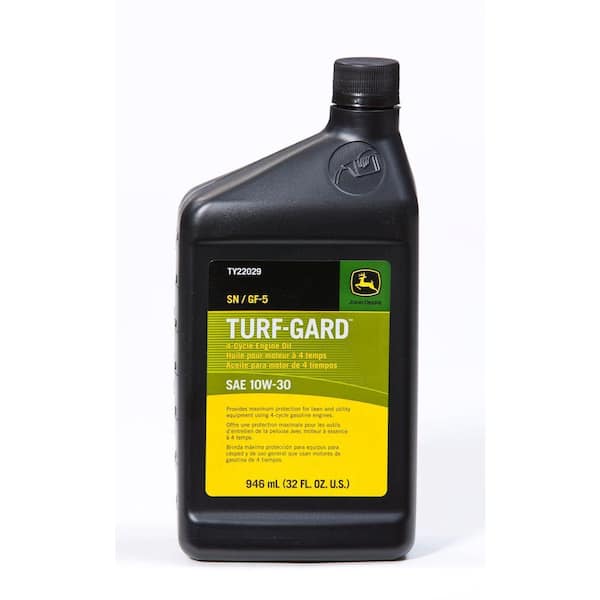
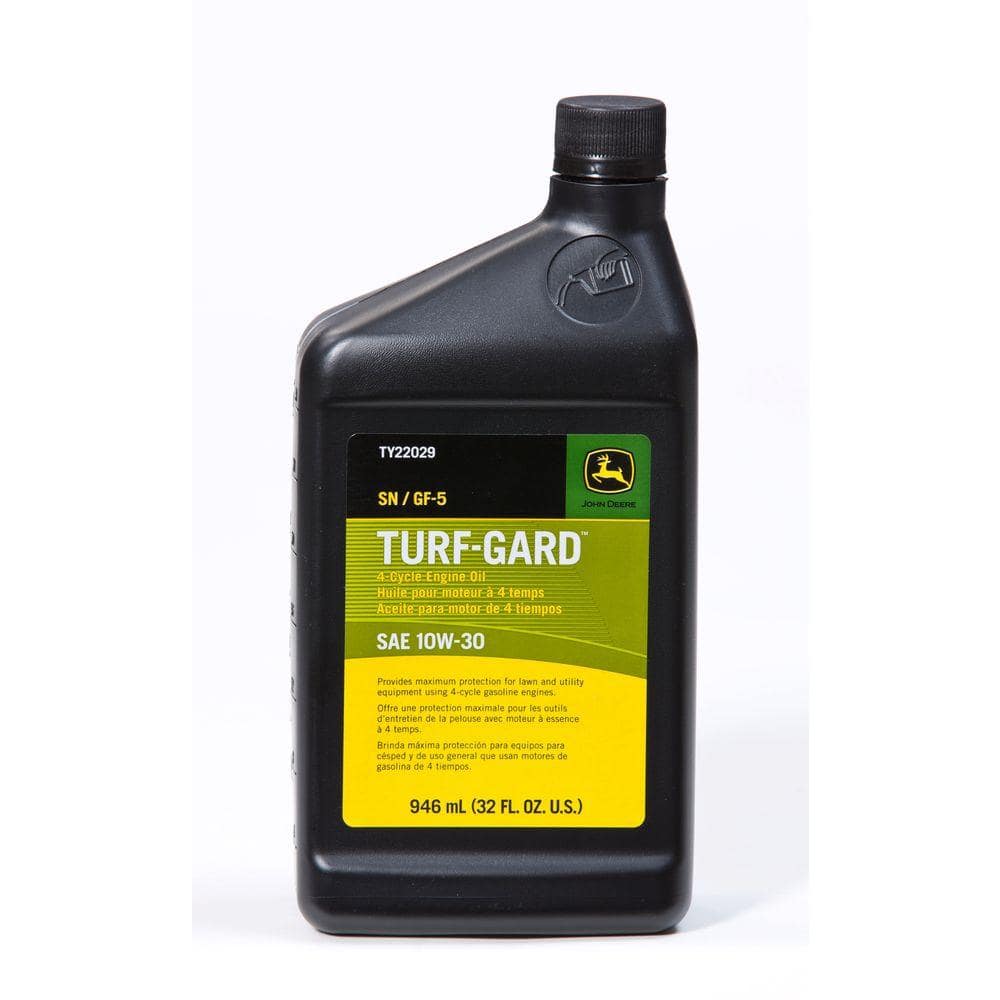
Use SAE 10W-30 for most temperatures. This oil works best for the D110.
4. Oil Filter Type
The D110 uses an AM125424 oil filter, which must be changed with the oil.
5. Oil Drain Plug Location
The oil drain plug is on the side of the engine, easily accessible for draining.
6. Oil Fill Tube
The fill tube is usually yellow and located on top of the engine.
7. Oil Dipstick
The dipstick measures oil level—always check before starting the engine.
8. Engine Sump
The sump is the part where oil collects at the bottom of the engine.
9. Oil Pan
The oil pan holds the oil and is part of the sump, made of steel or aluminum.
10. Oil Pickup Tube
This tube draws oil from the sump to the engine’s moving parts.
11. Oil Pump
The oil pump pushes oil through the engine, ensuring all parts are lubricated.
12. Oil Pressure Relief Valve
This valve controls oil pressure to prevent damage from too much oil.
13. Crankshaft Lubrication
Oil coats the crankshaft to reduce friction and wear.
14. Connecting Rod Lubrication
The rod is kept cool and smooth by a thin oil film.
15. Piston And Cylinder Lubrication
Oil prevents metal-on-metal contact between the piston and cylinder.
16. Camshaft Lubrication
A small amount of oil keeps the camshaft running quietly.
17. Valve Train Lubrication
Oil reaches the valve train, which includes the valves, lifters, and push rods.
18. Oil Filter Bypass Valve
If the filter is clogged, oil bypasses the filter to keep the engine safe.
19. Oil Filter Gasket
This rubber gasket seals the filter to prevent leaks.
20. Oil Filter Housing
The filter screws onto a threaded housing attached to the engine.
21. Oil Return Path
Oil drains back to the sump after circulating.
22. Oil Filler Cap
The cap seals the oil fill tube and has a dipstick attached.
23. Oil Level Markings
The dipstick shows “Full” and “Add” lines for easy checks.
24. Oil Change Interval
Change the oil every 50 hours or once per season, whichever comes first.
25. Break-in Oil Change
For a new engine, change oil after the first 5-8 hours of use.
26. Oil Viscosity
Use oil that matches your climate. 10W-30 is best for most cases.
27. Cold Weather Oil
For temperatures below 32°F (0°C), use 5W-30 for easier starts.
28. High Temperature Oil
For extreme heat, SAE 30 may be used if recommended by John Deere.
29. Oil Quality
Always use API-certified oil for best protection.
30. Synthetic Vs. Conventional
Both are acceptable. Synthetic oil can offer longer life and better cold starts.
31. Used Oil Disposal
Take used oil to a recycling center—never pour it on the ground.
32. Oil Drain Pan
Use a proper drain pan to catch old oil during changes.
33. Funnel For Refilling
A funnel helps avoid spills when adding oil.
34. Oil Spillage
Clean spills immediately to avoid slipping and fire hazards.
35. Oil Change Tools
You’ll need a wrench (usually 3/8″ or 10mm) and a filter wrench.
36. Engine Cover Removal
Some models may need the hood lifted to access the oil system.
37. Warm Engine Before Draining
Run the engine for 2-3 minutes before draining for easier flow.
38. Draining Old Oil
Remove the drain plug and let oil drain fully (usually 5-10 minutes).
39. Replacing The Drain Plug
Tighten the plug snugly but do not over-tighten.
40. Removing Old Filter
Use an oil filter wrench to loosen and remove the filter.
41. Lubricating New Filter Gasket
Rub a little fresh oil on the new filter’s gasket before installing.
42. Installing New Filter
Hand-tighten the filter—do not use tools.
43. Adding New Oil
Pour in 1.5 quarts slowly, checking the level as you go.
44. Checking Oil Level
Insert the dipstick, pull it out, and read the oil level.
45. Topping Off Oil
If low, add a small amount and re-check.
46. Running Engine After Change
Start engine for 30 seconds, then check for leaks.
47. Final Oil Level Check
After running, wait 2 minutes and check oil again.
48. Oil Leak Check
Inspect around the filter and drain plug for drips.
49. Oil Color
Fresh oil is amber. Dark or gritty oil means it’s time to change.
50. Burnt Smell
Oil with a burnt smell indicates overheating—change oil soon.
51. Oil Foaming
Foam can mean overfilling or water in oil—both need fixing.
52. Excessive Oil Use
If you add oil often, check for leaks or engine wear.
53. Oil Pressure Light
The D110 does not have an oil pressure gauge, so check oil often.
54. Engine Noise
Loud or knocking sounds may mean low oil or poor lubrication.
55. Engine Overheating
Low oil can cause the engine to overheat and fail.
56. Oil-soaked Spark Plug
Too much oil can foul the spark plug and cause hard starts.
57. Oil On Air Filter
Overfilled oil can splash up and soak the air filter.
58. Oil On Mower Deck
Leaking oil can drip onto the mower deck, creating a mess and fire risk.
59. Oil Seal
The main oil seal keeps oil inside the engine. Replace if leaking.
60. Breather Tube
This tube vents pressure from the crankcase. Clogged tubes cause leaks.
61. Oil Dipstick Tube Seal
A small seal at the base prevents oil from escaping.
62. Pcv System
The Positive Crankcase Ventilation system helps control oil vapor.
63. Oil Fill Warning
Never overfill the engine—stick to 1.5 quarts.
64. Low Oil Effects
Running with low oil can cause permanent engine damage.
65. Oil Filter Life
Change the filter every oil change for best results.
66. Oil System Cleaning
Occasionally, use a cleaning additive if oil looks sludgy.
67. Oil Sludge
Thick sludge in the engine means overdue oil changes or poor oil.
68. Oil Drain Valve Option
Some D110s have a quick drain valve instead of a plug.
69. Oil Change Sticker
Keep a sticker record of your last oil change.
70. Owner’s Manual
Always check the owner’s manual for your specific model.
71. Oil Change Reminder
Set a calendar reminder for regular oil changes.
72. Using Oil Extractors
An oil extractor can remove oil through the dipstick tube.
73. Emergency Oil Top-up
Keep a small bottle of oil on hand for emergencies.
74. Oil Filter Cross-reference
Some filters from Briggs & Stratton or other brands fit, but always check specs.
75. Engine Oil Additives
Most D110 engines do not need additives; stick with quality oil.
76. Oil Filter Tightness
Hand-tighten only, or you risk damaging the gasket.
77. Oil Filter Removal Tool
A special wrench helps remove stuck filters.
78. Oil Change Frequency
Heavy use may require more frequent changes.
79. Oil Sampling
Send an oil sample for lab analysis if you want to check engine health.
80. Oil Pan Gasket
The gasket can leak if old—replace as needed.
81. Oil Drain Plug Washer
A fiber or rubber washer prevents leaks; replace if worn.
82. Oil Fill Speed
Add oil slowly to avoid air pockets and spills.
83. Oil Storage
Store oil in a cool, dry place, tightly capped.
84. Oil Shelf Life
Most engine oils last up to five years unopened.
85. Filter Disposal
Recycle oil filters according to local laws.
86. Used Oil Handling
Store used oil in a sealed container until disposal.
87. Oil System Inspection
Check for leaks or loose parts at every oil change.
88. Oil System Upgrades
Some users install magnetic drain plugs to catch metal shavings.
89. Oil Capacity And Engine Tilt
If you work on slopes, check oil more often, as tilt can affect levels.
90. Mower Vibration And Oil
Low oil can increase vibration and damage engine mounts.
91. Engine Warranty
Failure to maintain correct oil levels can void your warranty.
92. Oil Dipstick Calibration
Some dipsticks may be slightly off; always double-check.
93. Oil Change Cost
DIY oil changes save money compared to dealer service.
94. Oil And Fuel Mixing
Never add oil to gasoline; D110 uses a four-stroke engine.
95. Oil Capacity And Aftermarket Parts
Some aftermarket filters may hold more or less oil; adjust as needed.
96. Oil Change In Dusty Conditions
Change oil more often if mowing in dusty or dirty areas.
97. Oil And Engine Storage
Change oil before winter storage to prevent corrosion.
98. Oil And Engine Break-in
First oil change is the most important for new engines.
99. Oil Analysis
Lab analysis can reveal hidden engine problems.
100. Oil And Hydrostatic Transmission
The D110’s transmission uses separate fluid; do not confuse with engine oil.
101. Oil Change With Attachments
Remove mower deck or snowblower attachment for easier access.
102. Oil Drain Hose
Some D110s come with a hose to direct oil away from the frame.
103. Oil Fill Location Marking
A sticker or engraving identifies the oil fill location.
104. Oil Drain Plug Tightening Torque
Check manual for correct torque to avoid stripping threads.
105. Oil Drain Plug Material
Steel plugs last longer than soft metal ones.
106. Oil System Priming
After oil change, run engine briefly to circulate new oil.
107. Oil Filter Brands
John Deere, Briggs & Stratton, and Fram make compatible filters.
108. Oil Filter Anti-drainback Valve
This valve keeps oil in the filter for easy starts.
109. Oil System Troubleshooting
If oil warning light (if present) comes on, stop and check immediately.
110. Recording Oil Changes
Keep a logbook or app record for resale value and maintenance.
Comparing John Deere D110 Oil Capacity With Other Lawn Tractors
Understanding how the D110 compares with other models helps you make informed choices. Here’s a quick look at oil capacities for similar tractors:
| Model | Engine Type | Oil Capacity (with filter) |
|---|---|---|
| John Deere D110 | Single-cylinder | 1.5 quarts |
| Husqvarna YTH18542 | Single-cylinder | 1.5 quarts |
| Cub Cadet XT1 LT42 | Single-cylinder | 1.8 quarts |
| Troy-Bilt Pony 42 | Single-cylinder | 1.5 quarts |
As you can see, the D110 oil capacity is typical for its class, making oil changes straightforward and economical.
Common Mistakes When Changing Oil On D110
Many owners make simple mistakes that are easy to avoid:
- Overfilling – Adding too much oil causes leaks and engine stress.
- Underfilling – Not enough oil can destroy the engine.
- Wrong Oil Type – Always use SAE 10W-30 unless your manual says otherwise.
- Not Changing Filter – Skipping the filter reduces oil quality quickly.
- Forgetting to Check for Leaks – Always inspect for drips after changing oil.
- Tightening Filter Too Much – Only hand-tighten to avoid damage.
Step-by-step: How To Change Oil On John Deere D110
Here’s a practical guide for changing your D110’s oil:
- Warm up the engine for 2-3 minutes.
- Park on a flat surface and turn off the engine.
- Raise the hood and locate the drain plug.
- Place a drain pan under the plug.
- Remove the plug and let oil drain completely.
- Remove and replace the oil filter (apply oil to new gasket).
- Replace drain plug and tighten.
- Add fresh SAE 10W-30 oil (1.5 quarts).
- Check oil level with the dipstick.
- Start engine for 30 seconds, then stop and re-check for leaks and level.
Signs Your D110 Needs An Oil Change
If you notice any of the following, it’s time to change the oil:
- Engine runs rough or louder than normal
- Oil looks black, thick, or gritty
- Smoke from exhaust
- Oil warning light (if equipped)
- Smell of burning oil
Oil Change Cost And Savings
Doing your own oil changes usually costs $10–$20 for oil and filter, compared to $60+ at a dealership. Over several years, this saves money and builds your maintenance skills.
Credit: www.homedepot.com
Pro Tips For John Deere D110 Oil Changes
- Use a drain hose if your tractor has one to keep things clean.
- Always double-check the dipstick after running the engine briefly.
- Keep a maintenance log; this helps with resale value and warranty.
- Use only high-quality oil and filters—cheap parts can cause engine problems.
- Check the owner’s manual for any model-specific notes.
Data Table: John Deere D110 Oil Change Specifications
Here’s a quick reference for your next oil change:
| Specification | Detail |
|---|---|
| Oil Capacity (with filter) | 1.5 quarts (1.42 liters) |
| Oil Type | SAE 10W-30 |
| Filter Type | AM125424 |
| Change Interval | 50 hours or yearly |
| Drain Plug Size | 3/8″ or 10mm |
Practical Insights Most Owners Miss
Many new owners forget the first oil change is crucial—waiting too long after break-in can cause early wear. Also, when operating on hills or uneven ground, oil may shift away from the pickup tube. Always check the oil level if you mow on slopes.
Another non-obvious tip: If your tractor sits unused for months, old oil can corrode engine parts. Change oil before storage, not just after.
Troubleshooting: If Oil Level Seems Wrong
Sometimes, the dipstick reading is off due to air bubbles or a tilted engine. Re-seat the dipstick fully and check twice. If oil looks milky, water may be present—change oil immediately and check for leaks.
Credit: www.homedepot.com
Environmental Responsibility
Used oil is toxic to water and soil. Always take old oil to a recycling center. Some auto parts stores accept used oil for free.
Where To Find Official Information
For the most reliable data, visit the official John Deere page: John Deere D110 Official Page.
Frequently Asked Questions
What Is The Oil Capacity Of The John Deere D110?
The John Deere D110 oil capacity is 1.5 quarts (1.42 liters) when you change the oil and the filter. Always use the dipstick to confirm the level is correct.
What Type Of Oil Should I Use In My D110?
You should use SAE 10W-30 for most climates. For very cold weather, 5W-30 is best. Check your owner’s manual for local recommendations.
How Often Should I Change The Oil In My John Deere D110?
Change the oil every 50 hours of use or once per year, whichever comes first. If your engine is new, change the oil after the first 5–8 hours.
Can I Use Synthetic Oil In My D110?
Yes, synthetic oil is safe and may improve engine life, cold starts, and oil change intervals. Just make sure it is API-certified and matches the recommended viscosity.
What Happens If I Overfill The Oil In My D110?
Overfilling can cause leaks, smoke, and even engine damage. If you add too much, drain the excess oil until the level is at the “Full” mark on the dipstick.
The John Deere D110 is a dependable machine, but only if you keep its oil in top shape. With the right oil, proper capacity, and regular changes, your mower will deliver years of reliable service. Take oil maintenance seriously—it’s the simplest way to protect your investment and enjoy a smooth-cutting lawn every time.