
Every Jeep Wrangler owner knows the thrill of off-road adventures and the pride in driving an icon. But with power comes responsibility—especially when it comes to maintaining your Jeep’s engine. One of the most common questions among Wrangler owners is about Jeep Wrangler 2.0 oil capacity. This small detail is essential for engine health, performance, and longevity. Yet, many drivers overlook it or misunderstand what it truly means for their Jeep.
If you drive a Jeep Wrangler with the 2. 0L turbo engine, understanding its oil requirements is not just about filling to the right level—it’s about protecting your investment. This article will guide you through everything you need to know, from exact capacities to oil change tips, mistakes to avoid, and what really happens if you get it wrong.
We’ll also look at different Wrangler model years, compare oil types, and give you solid advice you won’t find in the owner’s manual.
What Is Engine Oil Capacity And Why Does It Matter?
Every engine is designed to work with a specific amount of oil. This is called engine oil capacity. For the Jeep Wrangler 2.0L, this number isn’t just a suggestion—it’s a requirement. The oil lubricates moving parts, cools the engine, and removes debris. Too little oil means parts rub together and overheat. Too much oil increases pressure, risks leaks, and can even cause damage.
Most drivers know they need to change oil regularly. But many don’t realize how dangerous it can be to get the oil capacity wrong. Even small mistakes can lead to lower performance, higher fuel use, or—worst case—engine failure.
Jeep Wrangler 2.0 Oil Capacity: The Official Numbers
The Jeep Wrangler 2.0L turbo engine, often called the Hurricane 2.0L I4, debuted in 2018. It powers several Wrangler models, including the JL series. According to the official Jeep owner’s manuals, the oil capacity for the 2.0L engine is:
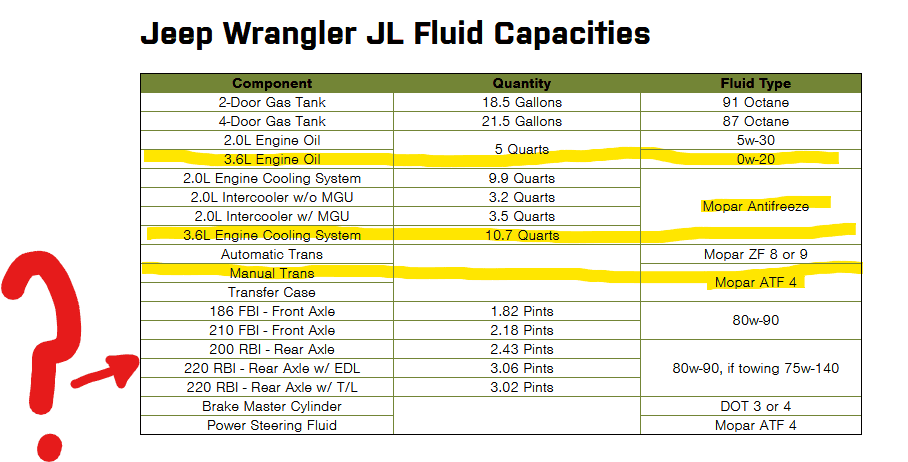
- 5.0 quarts (4.7 liters), including the oil filter
This amount covers most Wrangler JL 2. 0L models from 2018 onward. Always check your specific year to be sure, but in almost all cases, 5 quarts will fill the engine after a full oil change and filter replacement.
Oil Capacity Differences By Model Year
While the 2.0L turbo engine’s oil capacity is consistent, it’s smart to check for small changes or updates. Here’s how the numbers stack up for recent model years:
| Model Year | Engine | Oil Capacity (with filter) |
|---|---|---|
| 2018 | 2.0L Turbo I4 | 5.0 quarts (4.7 L) |
| 2019 | 2.0L Turbo I4 | 5.0 quarts (4.7 L) |
| 2020 | 2.0L Turbo I4 | 5.0 quarts (4.7 L) |
| 2021 | 2.0L Turbo I4 | 5.0 quarts (4.7 L) |
| 2022 | 2.0L Turbo I4 | 5.0 quarts (4.7 L) |
| 2023 | 2.0L Turbo I4 | 5.0 quarts (4.7 L) |
In rare cases, a special edition or a different engine (like the 3. 6L V6 or the diesel) may have a different oil capacity. Always match your engine type before filling.
Choosing The Right Oil For Jeep Wrangler 2.0
Oil capacity matters, but so does oil quality. Jeep specifies a certain viscosity and oil type for the 2.0L engine. Using the wrong oil can reduce performance, cause more wear, and even void your warranty.
Recommended Oil Type And Viscosity
For the Jeep Wrangler 2.0L turbo:
- SAE 5W-30 Full Synthetic is recommended
Synthetic oil offers better protection, especially for a turbocharged engine that runs hotter and under more stress than a standard engine. 5W-30 works well for most climates, but if you drive in extremely cold or hot areas, check your manual for alternatives.
Oil Brands: Does It Matter?
You don’t need to use Jeep-branded oil, but you should choose a high-quality, certified synthetic oil. Some trusted brands for the Wrangler 2.0L include:
- Mopar
- Mobil 1
- Pennzoil
- Valvoline
All these brands offer synthetic 5W-30 oils that meet Jeep’s MS-13340 specification. Using certified oil helps protect your engine and warranty.
Comparing Synthetic Vs. Conventional Oil
For the Jeep Wrangler 2. 0L, always use synthetic. Conventional oil cannot handle the high temperatures and stress of a turbo engine as well.
| Oil Type | Protection | Change Interval | Cost |
|---|---|---|---|
| Full Synthetic | Excellent (high temp) | 5,000–10,000 miles | Higher |
| Conventional | Good (low temp) | 3,000–5,000 miles | Lower |
Synthetic oil lasts longer, protects better, and is worth the extra cost for the Wrangler 2. 0L turbo.
How To Check Your Oil Level Correctly
Many drivers only check their oil at oil change time. But regular checks can help you spot leaks or burning oil before they become serious.
Step-by-step Oil Check
- Park on level ground and turn off the engine. Wait at least 5 minutes for oil to settle.
- Open the hood and locate the dipstick (usually with a yellow handle).
- Pull out the dipstick, wipe it clean, then reinsert it fully.
- Remove the dipstick again and check the oil level. It should be between the “MIN” and “MAX” lines.
- If the oil is low, add oil in small amounts and recheck. Never overfill.
Checking oil monthly or before long trips can prevent bigger problems.
Non-obvious Insight: Cold Vs. Hot Engine
Many owners check oil right after stopping the engine, but the most accurate reading comes after the engine has cooled for 10–15 minutes. This lets all the oil drain back to the pan, giving a true reading.
How To Change Oil In A Jeep Wrangler 2.0
Changing your own oil saves money and helps you understand your vehicle better. Here’s how to do it safely:
Tools And Materials Needed
- 5 quarts of 5W-30 synthetic oil
- New oil filter (for 2.0L turbo engine)
- Oil drain pan (at least 6 quarts)
- Socket wrench set
- Funnel
- Gloves and shop towels
- Jack and jack stands (if needed)
Oil Change Steps
- Warm up the engine for a few minutes. Warm oil drains faster.
- Park on a flat surface and turn off the engine.
- Use jack stands if you need more space under the Jeep.
- Place the oil drain pan under the drain plug.
- Remove the drain plug with a socket wrench. Let oil drain completely (about 10–15 minutes).
- Replace the drain plug and tighten (do not over-tighten).
- Remove the old oil filter. Some oil will spill—be ready.
- Rub a little new oil on the gasket of the new filter, then install it by hand.
- Add 5 quarts of new oil through the oil filler cap.
- Start the engine for 30 seconds, check for leaks.
- Stop the engine, wait 10 minutes, and check the oil level with the dipstick. Top up if needed.
Dispose of the old oil and filter at a recycling center.
Non-obvious Insight: Priming The Oil Filter
Before installing the new oil filter, fill it halfway with new oil and let it soak for a minute. This reduces the time the engine runs “dry” on startup—a small trick that helps your turbo last longer.
Signs Of Incorrect Oil Level
Knowing the Jeep Wrangler 2.0 oil capacity isn’t enough if you don’t recognize when things go wrong. Here’s what to watch for:
Too Little Oil
- Oil pressure warning light
- Knocking or ticking noises
- Overheating
- Oil not showing on dipstick
Too Much Oil
- White smoke from exhaust
- Strong oil smell
- Leaking seals or gaskets
- Sudden engine misfire
If you overfill by a small amount, drain off the extra. Too much oil can foam, reducing lubrication and risking damage.
How Oil Capacity Affects Engine Performance
The Jeep Wrangler’s 2.0L turbo is a modern, high-performance engine. Oil capacity is not just about volume—it’s about engine balance.
- Correct capacity: Ensures all moving parts are coated and cooled, especially the turbocharger.
- Low oil: Turbo runs hotter, more wear on bearings, shorter engine life.
- High oil: Increased pressure, risk of blown seals, possible engine failure.
If you use your Wrangler for towing, off-roading, or in hot weather, keeping the oil at the correct level is even more critical.
Example: Off-roading And Oil Use
Many Jeep owners love off-roading. Climbing steep hills or crawling over rocks makes your engine work harder and hotter. If your oil is even half a quart low, your turbo may not get enough lubrication during these moments. Always check your oil before and after tough trips.
Jeep Wrangler 2.0 Oil Change Intervals
Changing oil on time is as important as using the right amount.
- Normal driving: Every 7,500–10,000 miles (using synthetic)
- Severe use (towing, off-roading, short trips): Every 5,000 miles
Short trips in cold weather, heavy off-roading, or lots of stop-and-go driving count as “severe use. ” In these cases, change your oil more often. Always replace the filter with every oil change.
Comparing Oil Capacity: Jeep Wrangler 2.0 Vs. Other Engines
How does the 2.0L turbo’s oil capacity compare to other Wrangler engines? Here’s a quick look:
| Engine | Oil Capacity (with filter) | Oil Type |
|---|---|---|
| 2.0L Turbo I4 | 5.0 quarts (4.7 L) | 5W-30 Synthetic |
| 3.6L Pentastar V6 | 5.0 quarts (4.7 L) | 0W-20 Synthetic |
| 3.0L EcoDiesel V6 | 9.0 quarts (8.5 L) | 5W-40 Synthetic |
| 6.4L V8 (Rubicon 392) | 7.0 quarts (6.6 L) | 0W-40 Synthetic |
The Wrangler 2. 0L and 3. 6L both use 5 quarts, but require different oil grades. The diesel and V8 engines need much more oil and different types.
Common Mistakes When Changing Oil In A Jeep Wrangler 2.0
Even experienced owners make errors when changing oil or filling to capacity. Here are the most common mistakes and how to avoid them:
- Not replacing the oil filter: The filter holds dirty oil. Always change it with the oil.
- Over-tightening the drain plug: This can strip the threads or crack the oil pan.
- Using the wrong oil type: Always use 5W-30 synthetic that meets Jeep’s specification.
- Not checking for leaks: Run the engine briefly and check under the Jeep before driving.
- Guessing oil level: Always use the dipstick and fill to the correct mark.
- Forgetting to reset the oil change indicator: After changing oil, reset the system so you get accurate reminders.
What Happens If You Use The Wrong Oil Capacity?
Using too much or too little oil isn’t just a small mistake. It can cause real damage.
- Too little oil: Engine parts overheat, turbocharger wears faster, sludge builds up.
- Too much oil: Oil foams, bearings get less protection, seals may blow, and you risk engine failure.
Modern engines are built with tight tolerances. Even being half a quart off can affect fuel efficiency, emissions, and power.
How To Reset The Jeep Wrangler Oil Change Indicator
After changing your oil, the Jeep’s computer keeps track of when the next change is due. If you don’t reset it, you may get a warning too soon or too late.
Steps To Reset:
- Turn the ignition to the “On” position (do not start the engine).
- Press the gas pedal to the floor slowly three times within 10 seconds.
- Turn the ignition off.
- Start the engine to confirm the light is off.
If the warning comes back, repeat the steps. If it still does not reset, consult your manual or dealer.
Oil Capacity And Your Jeep’s Warranty
Jeep warranties require you to use the correct oil type, capacity, and change intervals. If you use the wrong oil or overfill/underfill, you could void your warranty. Always keep records of oil changes, including receipts and mileage, in case you need to make a claim.
Environmental Tips For Oil Changes
Used oil is dangerous for the environment. Never pour it down a drain or on the ground. Most auto parts stores and recycling centers accept used oil and filters for free. Bring your old oil in a sealed container, and ask staff for directions.

Cost Of An Oil Change For Jeep Wrangler 2.0
Prices vary by location and whether you do it yourself or go to a shop:
- DIY oil change: $35–$60 (for oil, filter, and supplies)
- Professional service: $70–$120 (includes labor, inspection, and disposal)
Doing it yourself is cheaper, but shops may check for leaks and other issues you might miss.
Tips For Longer Engine Life
Getting oil changes right is the best way to help your Jeep last. Here’s how to maximize engine life:
- Stick to 5.0 quarts every change.
- Use only certified full synthetic 5W-30 oil.
- Change your oil filter every time.
- Check oil monthly, especially after hard use.
- Warm up your engine gently on cold days.
- Fix leaks or oil loss quickly.
- Keep records of every oil change.
Real-world Example: A Costly Mistake
One Wrangler owner filled his 2.0L with over 6 quarts by mistake. After a few weeks, white smoke appeared, and oil started leaking onto the driveway. The excess pressure had blown a gasket, leading to expensive repairs. This could have been avoided by using the correct Jeep Wrangler 2.0 oil capacity.

Frequently Asked Questions
What Is The Exact Oil Capacity For The Jeep Wrangler 2.0l Turbo?
The official oil capacity is 5.0 quarts (4.7 liters), including the oil filter, for all model years of the Wrangler JL with the 2.0L turbo engine.
Can I Use 5w-20 Oil Instead Of 5w-30 In My Wrangler 2.0?
No. You should always use 5W-30 full synthetic oil that meets Jeep’s specification. 5W-20 is too thin for the turbo engine and may not provide enough protection.
How Often Should I Change The Oil In My Jeep Wrangler 2.0?
For normal driving, change your oil every 7,500 to 10,000 miles. If you drive off-road, tow, or make many short trips, change it every 5,000 miles.
What Happens If I Overfill The Oil In My Wrangler 2.0?
Too much oil can cause foaming, leaks, and possible engine damage. If you overfill, drain out the extra oil to reach the correct level.
Where Can I Find More Information About Wrangler Maintenance?
The official Jeep website and owner’s manual are the best sources. You can also check Jeep’s official site for the latest updates and resources.
Keeping your Jeep Wrangler 2. 0L turbo in top shape starts with understanding its oil needs. Use the right oil, fill to the correct capacity, and stick to a regular maintenance routine. It’s a small investment that pays off with more power, longer life, and trouble-free adventures—on or off the road.