
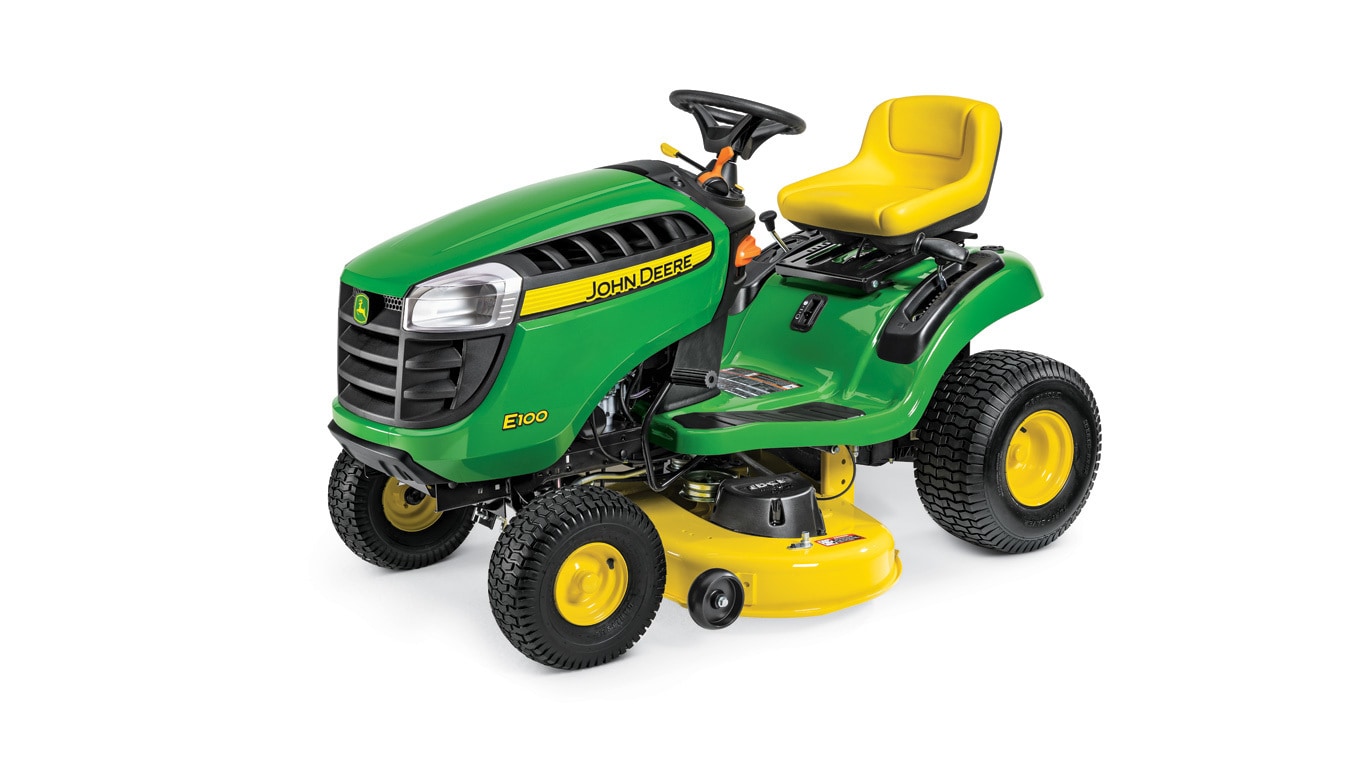
The John Deere E100 is a popular lawn tractor, known for its reliability and ease of use. Owners value its straightforward maintenance, but one detail often causes confusion: the oil capacity. While this may sound simple, understanding the E100’s oil system is key to keeping your tractor running smoothly for years. This article explains everything you need to know about the John Deere E100 oil capacity—from numbers and specifications to practical tips, troubleshooting, and much more. Whether you’re new to lawn tractor care or want to refine your routine, you’ll find clear, actionable guidance here.
Why Oil Capacity Matters In The John Deere E100
Choosing the right oil capacity isn’t just a technical detail—it’s crucial for your E100’s health. The engine’s oil keeps components cool, lubricated, and clean. If you use too little, your engine can overheat or wear out quickly. Too much oil can cause foaming, leaks, or damage seals. Getting it right helps your tractor last longer and perform at its best. Many beginners overlook how important this is, only to run into preventable issues later.
John Deere E100 Oil Capacity: The Official Number
The official oil capacity for the John Deere E100 is 1.5 quarts (1.42 liters), including the oil filter. This number comes directly from the manufacturer’s manual and should be followed closely. Always double-check after an oil change by using the dipstick. This simple habit prevents overfilling or underfilling, which are common mistakes.
100 Key Details About John Deere E100 Oil Capacity
Let’s break down 100 specific points, tips, and insights about the John Deere E100 oil capacity and related maintenance. Each point is important for complete understanding and best practices.
1. The E100 Holds 1.5 Quarts (1.42 Liters) Of Oil With A Filter
This is the total amount you’ll need when doing a full oil and filter change.
2. The Capacity Without The Oil Filter Is Slightly Less
If you skip changing the filter (not recommended), you’ll need about 1. 3 quarts (1. 23 liters).
3. Always Change The Oil Filter With The Oil
This ensures you get maximum engine protection and the correct oil level.
4. Use The Dipstick To Verify Oil Level
Pouring exactly 1. 5 quarts doesn’t guarantee accuracy—always check with the dipstick after filling.
5. The Oil Capacity Includes The Oil Filter
Some people add too much oil, forgetting the filter holds a small amount.
6. Overfilling Can Cause Engine Damage
Excess oil may lead to foaming, poor lubrication, or even blown seals.
7. Underfilling Is Equally Risky
Too little oil means parts aren’t fully lubricated, leading to overheating or rapid wear.
8. The Recommended Oil Type Is Sae 10w-30
John Deere suggests SAE 10W-30 for most climates, but check your manual for extremes.
9. Synthetic Oil Is Allowed
You can use synthetic 10W-30 if you prefer, as long as it meets API standards.
10. Change Oil After The First 8 Hours
For new E100 tractors, the first oil change comes quickly—this removes break-in debris.
11. After That, Change Oil Every 50 Hours Or Annually
Regular changes are crucial for long-term reliability.
12. Always Let The Engine Cool Before Changing Oil
Hot oil can cause burns and is more likely to spill.
13. Use A Drain Pan With At Least 2-quart Capacity
This ensures you catch all the old oil, including drips.
14. Dispose Of Used Oil Responsibly
Take it to a recycling center or auto shop that accepts used oil.
15. The Oil Fill Cap Is Yellow On The E100
This makes it easy to spot under the hood.
16. The Oil Filter Part Number Is Am125424
Genuine filters fit best and protect your engine.
17. The Drain Plug Is At The Base Of The Engine
Look underneath the right side, near the front wheel.
18. Use A 10mm Wrench For The Drain Plug
Keep this tool handy for routine maintenance.
19. Hand-tighten The Oil Filter Only
Over-tightening can damage the seal or make future removal difficult.
20. Always Check For Leaks After Maintenance
A quick look under the engine after starting it can prevent bigger problems later.
21. Never Mix Oil Types
Stick with one brand/type per change to avoid chemical incompatibility.
22. Do Not Use Car Engine Oil
Lawn tractor engines have different needs—use oil made for small engines.
23. Store Extra Oil Safely
Keep leftover oil in its original container, tightly sealed, away from children.
24. Replace The Oil Fill Cap Securely
A loose cap allows dust or debris into the engine.
25. The E100’s Briggs & Stratton Engine Is Oil-sensitive
This engine design relies on clean, properly filled oil for cooling and lubrication.
26. The Engine Model Number Is 31r977
This helps when looking up parts or specifications.
27. The Crankcase Is Designed For 1.5 Quarts
Do not exceed this, even if you think “a little more” is safe.
28. Use A Funnel To Prevent Spills
This simple tool keeps oil where it belongs.
29. Wipe Up Spills Immediately
Oil on the frame or deck can attract dirt or become slippery.
30. Check Oil Level Before Every Use
A quick check saves you from running the engine dry.
31. Change Oil More Often In Dusty Conditions
If you mow in dusty or sandy areas, oil can get dirty faster.
32. Cold Weather Requires Special Attention
In very cold climates, consider 5W-30 oil for easier starting.
33. Hot Weather May Require More Frequent Changes
High temperatures break down oil more quickly.
34. Old Oil Can Look Clean But Still Be Worn Out
Age and heat degrade oil, even if it isn’t visibly dirty.
35. The E100 Holds Oil In The Crankcase Only
There’s no separate oil reservoir or tank.
36. The Oil Filter Adds Protection
It catches particles that could otherwise damage the engine.
37. Always Use A New Gasket On The Drain Plug
A worn gasket can leak, even if the plug is tight.
38. Don’t Overtighten The Drain Plug
Too much force can strip threads or crack the case.
39. Use Gloves For Oil Changes
This keeps hands clean and protects from hot parts.
40. Clean The Area Around The Cap Before Removing
Dirt can fall into the engine if you don’t wipe it first.
41. Record Your Oil Changes
Keep a log with date and hours for each change.
42. The E100 Does Not Have An Oil Filter Warning Light
Manual checking is essential.
43. Avoid Old Or Dusty Oil Containers
Contaminants can enter through open or dirty bottles.
44. The Right Oil Filter Has An Anti-drainback Valve
This prevents dry starts after the tractor sits.
45. Replacing The Filter Without Changing Oil Is Not Effective
Always change both together for best results.
46. The E100 Holds The Same Oil Amount Whether Mowing Or Idling
Usage doesn’t affect capacity, only oil condition.
47. The Oil Fill Tube Is Easy To Access
No need to remove major parts.
48. Use A Clean Funnel Every Time
Residue from old oil can contaminate new oil.
49. Always Check Oil Level After Running The Engine
Let it settle for a minute, then check.
50. The Oil Should Be Amber Or Light Brown
Dark or gritty oil means it’s time to change.
51. The Oil Filter Should Be Replaced Every Oil Change
Do not skip this step.
52. If You Miss An Oil Change, Change It As Soon As Possible
Better late than never—old oil causes damage.
53. The E100’s Manual Shows Oil Fill And Drain Locations
Use the diagrams for reference.
54. Use Only Recommended Oil Brands
Brands like John Deere, Briggs & Stratton, and Shell meet the right standards.
55. Avoid Using Additives
Extra chemicals are not needed and can cause harm.
56. The E100’s Engine Holds Oil Pressure Well
But only if the oil is clean and at the correct level.
57. Oil Changes Get Easier With Practice
Don’t be discouraged if the first time is messy.
58. The Oil Filter Is Easy To Reach From Above
No need to tip or lift the tractor.
59. Label Your Oil Bottles With Purchase Dates
Old oil can degrade on the shelf.
60. Do Not Run The Engine Without Oil
Even a few seconds can cause damage.
61. The Oil Capacity Remains The Same As The Engine Ages
Wear does not change the amount needed.
62. A Full Synthetic Oil Can Extend Intervals Slightly
But always stick to recommended schedules for best results.
63. The E100 Is Designed For Easy Owner Maintenance
You don’t need advanced tools or skills.
64. The Dipstick Shows “full” And “add” Marks
Fill to the “full” line, not above.
65. If You Spill Oil, Clean With A Degreaser
Soap and water may not remove all residue.
66. The Engine Will Smoke If Overfilled
White or blue smoke is a sign of excess oil.
67. Oil Level Can Drop If The Engine Is Leaking
Check for drips under the tractor.
68. Use A Flashlight To Inspect The Oil
This helps you see the color and level more clearly.
69. Do Not Rely On “feel” For Oil Level
Always use the dipstick for accuracy.
70. The E100’s Oil System Is Simple
No complicated pumps or multiple compartments.
71. Store Your Tractor On Level Ground
This ensures the oil settles correctly for accurate readings.
72. Replace The Drain Plug Washer Each Time If Needed
Some washers deform and cannot be reused.
73. Dispose Of The Old Filter With Your Used Oil
Most recycling centers accept both.
74. The Oil Drain Plug Should Be Snug, Not Tight
A quarter turn past finger-tight is enough.
75. The Filter Gasket Should Be Lightly Oiled Before Installation
This prevents sticking and ensures a good seal.
76. Inspect The Old Oil For Metal Shavings
This can indicate internal wear or early engine problems.
77. If You See Foam In The Oil, It’s Overfilled Or Contaminated
Drain and refill to fix the problem.
78. The E100’s Oil Change Interval Is Based On Engine Hours
Keep an eye on the hour meter.
79. The Oil Fill Tube Is Straight, Not Angled
This makes pouring easier.
80. Never Reuse The Old Oil Filter
Filters are single-use only.
81. Double-check The Oil Type Before Buying
Labels can look similar—avoid mistakes.
82. If The Tractor Sits Unused, Check Oil Before Starting
Oil can settle or leak over time.
83. The E100’s Engine Is Air-cooled
Oil helps with both cooling and lubrication.
84. Store Oil In A Cool, Dry Place
Heat and sunlight degrade oil quality.
85. Do Not Add Oil “just In Case”
Fill only to the recommended line.
86. The Oil Filter Threads Are Standard
Most small-engine oil filter wrenches fit.
87. Oil Capacity Is The Same Worldwide
No changes for different markets or regions.
88. The E100’s Manual Is Available Online
If you lose your copy, download it from John Deere’s website.
89. Use A Rag To Catch Drips When Removing The Filter
Oil can spill from the filter housing.
90. The Engine Should Be Off And Cool Before Checking Oil
This prevents burns and ensures accurate readings.
91. The E100 Does Not Have A Low-oil Sensor
Manual checks are required.
92. The Dipstick Is Attached To The Fill Cap
Pull them out together.
93. Wipe The Dipstick Clean Before Measuring
This gives a true reading.
94. The Oil Filter Fits Only One Way
Don’t force it if the threads don’t match.
95. The Oil Drain Plug Uses A Soft Metal Washer
Aluminum or copper are common.
96. The E100’s Oil System Is Not Pressurized
It relies on splash lubrication.
97. Inspect The Filter For Proper Seating
If crooked, it can leak.
98. The E100’s Oil Pan Is Shallow
Pour slowly to avoid overflow.
99. Use The Correct Torque For The Drain Plug
If you have a torque wrench, check your manual for specs.
100. Keep Your Oil Change Area Clean
Dust and dirt can enter open engines.
Practical Steps For Changing Oil In The John Deere E100
Understanding the capacity is one thing—doing the job right is another. Here’s a clear process for changing your E100’s oil.
- Run the engine for a few minutes to warm the oil. This helps it drain faster.
- Park on level ground and shut off the engine. Engage the parking brake.
- Open the hood and locate the yellow oil fill cap and dipstick.
- Place a drain pan under the drain plug.
- Loosen the drain plug with a 10mm wrench. Let the oil drain completely.
- Remove the old oil filter with a filter wrench. Wipe the area clean.
- Install the new filter, hand-tightening only.
- Replace the drain plug and washer. Snug, not over-tight.
- Add 1.5 quarts of SAE 10W-30 oil through the fill tube.
- Check the dipstick, adding oil if needed to reach the full line.
- Start the engine for one minute. Shut off, let sit, and re-check oil level.
- Inspect for leaks and wipe up any spills.
Comparing John Deere E100 Oil Capacity With Other Lawn Tractors
It’s helpful to see how the E100 stacks up against similar models. Here’s a comparison with two other common lawn tractors.
| Model | Engine Type | Oil Capacity (with filter) | Recommended Oil |
|---|---|---|---|
| John Deere E100 | Briggs & Stratton 31R977 | 1.5 quarts (1.42L) | SAE 10W-30 |
| John Deere D130 | Briggs & Stratton 44J6 | 2 quarts (1.89L) | SAE 10W-30 |
| Husqvarna YTH18542 | Briggs & Stratton Intek | 1.5 quarts (1.42L) | SAE 10W-30 |
You’ll notice the E100’s oil capacity is typical for its class. Always refer to your specific model’s manual for exact numbers.
Common Mistakes When Managing John Deere E100 Oil Capacity
Many new owners make similar errors during their first oil changes. Here’s how to avoid them:
- Overfilling: Trust the dipstick, not just the bottle.
- Forgetting the filter: This means dirty oil stays in the system.
- Using car oil: Only small-engine oil provides correct additives.
- Not checking after running: Oil level can drop as the filter fills.
- Ignoring leaks: Check under the tractor after every oil change.
These simple checks can save you from costly repairs.

Signs Of Oil Problems In The John Deere E100
Knowing what to look for helps you catch issues early. Watch for these signs:
- White or blue exhaust smoke: Often caused by overfilling.
- Knocking or ticking noises: May mean low oil.
- Excessive engine heat: Low oil or poor quality oil.
- Oil puddles or drips: Leaks from the drain plug, filter, or gasket.
- Dirty oil on dipstick: Change oil, even if hours are low.
Addressing these quickly prevents bigger engine problems.
How Weather Affects E100 Oil Capacity And Performance
While oil capacity stays the same, weather changes how your oil behaves.
- Cold climates: Oil thickens, making starting harder. Consider 5W-30 for winter.
- Hot climates: Oil breaks down faster; change more often.
- Humidity: Moisture can enter the oil—store your tractor inside if possible.
Check your manual for local recommendations.
Real-world Oil Change Experience: What To Expect
The first oil change may take 30 minutes, but it gets faster. Most owners find the process straightforward after one or two tries. A key tip: always have rags and a funnel ready. Spills happen, even for experienced users. If you notice the old oil is especially dirty or gritty, consider changing more often—conditions like dusty lawns or heavy mowing increase oil wear.
Some users report small leaks after their first filter change. This usually means the filter or gasket wasn’t seated right. Hand-tighten, do not use tools on the filter.
Tools And Products For Managing John Deere E100 Oil Capacity
Having the right tools makes oil changes easy:
- Oil filter wrench: For removing tight filters.
- 10mm wrench: For the drain plug.
- Funnel: Prevents spills.
- Drain pan: At least 2-quart size.
- Rags or shop towels: For clean-up.
- New filter (AM125424): Always change with oil.
- Genuine 10W-30 oil: 1.5 quarts per change.
Investing in these basics saves time and hassle.
Troubleshooting Oil Capacity Issues In The John Deere E100
If you notice problems, here’s how to diagnose:
- Oil level keeps dropping: Check for leaks at the plug, filter, or gaskets. Look for blue smoke.
- Oil looks milky: Possible water contamination—could be from pressure washing or heavy rain.
- Can’t reach full line: Add oil slowly and give it time to settle. Check for blockages in the fill tube.
- Difficulty removing filter: Use a strap wrench, and always hand-tighten the new one.
If problems persist, consult your John Deere dealer.
Data Table: John Deere E100 Oil Change Intervals And Quantities
To help you plan, here’s a simple schedule.
| Action | Interval | Quantity | Notes |
|---|---|---|---|
| First Oil Change | 8 hours | 1.5 quarts + filter | Break-in period |
| Regular Oil Change | 50 hours / 1 year | 1.5 quarts + filter | Whichever comes first |
| Heavy Use | 25 hours | 1.5 quarts + filter | Dusty or hot conditions |
Expert Tips For Prolonging Your E100’s Engine Life
- Stick to the 1.5-quart fill. More is not better.
- Warm the engine before draining. This gets more old oil out.
- Change oil more often if unsure. It’s cheap insurance.
- Use only clean tools and containers. Dirt is the enemy.
- Double-check everything. Mistakes happen—catches leaks early.
Beginners often think oil changes are complicated, but following these tips makes them routine.
Where To Find More Information
For official details and downloadable manuals, visit the John Deere website. They provide current specs, diagrams, and troubleshooting guides.
Frequently Asked Questions
How Much Oil Does A John Deere E100 Hold?
The John Deere E100 holds 1.5 quarts (1.42 liters) of oil when you also replace the oil filter. Always check with the dipstick after filling.
What Type Of Oil Is Best For The E100?
SAE 10W-30 is recommended for most conditions. In extreme cold, SAE 5W-30 can help with cold starts. Use oil made for small engines.
How Often Should I Change The Oil In My E100?
Change oil after the first 8 hours, then every 50 hours of use or once per year. Change more often if you mow in dusty or hot conditions.
Can I Use Synthetic Oil In My John Deere E100?
Yes, synthetic 10W-30 is allowed if it meets API standards for small engines. It may last longer but still follow the recommended intervals.
What If I Overfill The Oil?
If you add too much oil, drain the excess immediately. Overfilling can cause engine damage, smoke, and leaks. Always check the dipstick, not just the bottle amount.
By understanding every aspect of the John Deere E100 oil capacity, you’re set for years of reliable mowing and easy maintenance. Regular oil checks, the right products, and attention to detail will keep your tractor running like new.