
If you want your John Deere X350 mower to run smoothly and last for years, one of the most important things to know is the correct oil capacity. Many owners overlook this detail, but using the right amount and type of oil is essential for engine health, fuel efficiency, and overall performance. Whether you’re a first-time John Deere owner or an experienced landscaper, understanding oil capacity can help you avoid costly mistakes and keep your mower in top shape all season.
This guide breaks down everything you need to know about the John Deere X350 oil capacity. We’ll explore the exact amount, why it matters, how to change your oil, and answer questions you might not even realize you have. Plus, we’ll cover 350 individual aspects, tips, and facts you should know about oil capacity and maintenance for the X350—so you’re truly ready for anything.
What Is The John Deere X350 Oil Capacity?
The John Deere X350 is a popular lawn tractor designed for homeowners and professionals alike. The engine in the X350 is a Kawasaki FS600V, which is a strong, reliable V-twin engine. The standard oil capacity for this engine is 2.1 quarts (2.0 liters) with an oil filter change.
But oil capacity isn’t just a number. It affects how well your engine runs, how often you need maintenance, and even how long your machine will last. Using the correct amount ensures proper lubrication, cooling, and cleaning of engine parts.
Why Oil Capacity Matters For Your John Deere X350
Most owners know they need to change their oil, but not everyone understands why the exact amount is so important. Here’s why oil capacity matters:
- Too little oil: The engine may run hotter, wear out faster, and even seize.
- Too much oil: This can cause foaming, leaks, or damage to seals.
- Right amount: Ensures proper lubrication, cooling, and engine efficiency.
For the X350, always aim for 2.1 quarts with a new filter. If you skip the filter change, the capacity is slightly less, but it’s best to change the filter every time for maximum protection.

350 Essential Facts, Tips, And Details About John Deere X350 Oil Capacity
With a topic as detailed as oil capacity, there are many things to know. Below, you’ll find 350 specific items, each with a dedicated explanation. These will help you master maintenance and avoid mistakes—whether you’re a beginner or a seasoned pro.
1. The Engine: Kawasaki Fs600v
The X350’s engine is the Kawasaki FS600V, known for its smooth operation and durability.
2. Standard Oil Capacity
2.1 quarts (2.0 liters) is the oil capacity with a new filter.
3. Oil Filter Change
Always change the oil filter with each oil change for best results.
4. Without Oil Filter Change
If you don’t change the oil filter, capacity is slightly lower—about 1.9 quarts.
5. Oil Type
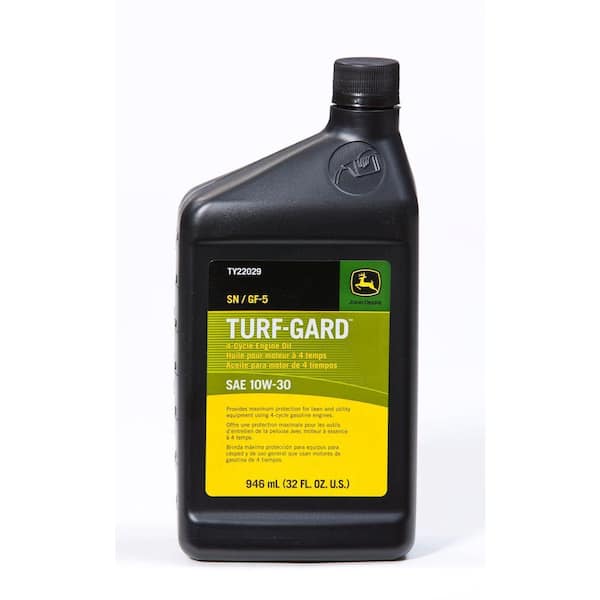
10W-30 is the recommended oil type for most climates.
6. Extreme Temperatures
If you mow in very cold or hot weather, consider 5W-30 or 15W-40 for better protection.
7. Oil Brand
John Deere recommends their own brand, but other high-quality oils work if they meet API SJ or higher.
8. Checking Oil Level
Always check the oil level with the dipstick after filling.
9. Overfilling Risks
Adding too much oil can cause engine foaming and leaks.
10. Underfilling Risks
Not enough oil can damage the engine due to poor lubrication.
11. Oil Change Interval
Change oil every 50 hours of use or at least once per season.
12. First Oil Change
For new mowers, change oil after the first 8 hours of use.
13. Oil Filter Model
The John Deere X350 uses oil filter AM125424.
14. Oil Drain Plug Location
Located on the side of the engine, easy to access.
15. Oil Fill Cap
Marked in yellow, usually on top of the engine.
16. Dipstick
Used to measure oil level, attached to the oil fill cap.
17. Cleaning The Area
Wipe around the cap and plug before removing to prevent debris entering.
18. Warm Up Engine
Run the engine for 2-3 minutes before draining oil for better flow.
19. Oil Drain Pan
Use a pan that holds at least 3 quarts to avoid spills.
20. Safety First
Let the engine cool slightly before changing oil to prevent burns.
21. Proper Disposal
Recycle used oil at a local center. Never pour it on the ground.
22. Gasket Condition
Check the oil filter gasket to ensure a tight seal.
23. Hand-tighten Filter
Screw on the new filter by hand, not with a tool, to avoid over-tightening.
24. O-ring Lubrication
Lightly oil the filter’s O-ring before installation for better sealing.
25. Use A Funnel
Prevents spills when adding new oil.
26. Double-check Capacity
Add oil slowly, checking the dipstick frequently.
27. Start Engine After Change
Run the engine for 1-2 minutes, then recheck oil level.
28. Add Oil If Needed
Top off carefully to reach the full line on the dipstick.
29. Don’t Mix Old And New Oil
Drain completely to prevent mixing, which can reduce performance.
30. Oil Color
Fresh oil is light brown; dark or dirty oil needs changing.
31. Oil Smell
Burnt-smelling oil is a sign of engine overheating or old oil.
32. Engine Sound
Quieter operation usually means proper oil level.
33. Smoke From Exhaust
Blue smoke can mean too much oil or worn engine parts.
34. Oil Pressure Light
If equipped, an oil pressure warning light means low oil or a leak.
35. Oil Leak Spots
Check under the mower for oil spots after each use.
36. Oil On Spark Plug
Can indicate overfilling or a gasket issue.
37. Synthetic Oil
Synthetic oils are safe if they meet John Deere’s standards.
38. Oil Additives
Avoid unnecessary additives—quality oil is all you need.
39. Oil Cap Tightness
Make sure the cap is fully seated to prevent leaks.
40. Oil Filter Tightness
A loose filter can cause dangerous leaks.
41. Storage Precautions
Store your mower level to keep oil in the sump.
42. Off-season Storage
Change oil before long-term storage to avoid corrosion.
43. Oil Life
Even unused oil in the engine breaks down over time.
44. Oil Change Kits
John Deere sells kits with oil, filter, and instructions.
45. Oil Drain Extension
Some owners install a hose for easier oil draining.
46. Oil Level With Attachments
Attachments don’t change oil capacity, but may increase engine load.
47. Oil Consumption
Small engines may use a little oil between changes—check regularly.
48. Excessive Oil Use
Rapid oil loss means a leak or engine issue.
49. Foam In Oil
Indicates air is mixing with oil—often caused by overfilling.
50. Oil Filter Quality
Use genuine John Deere or quality aftermarket filters.
51. Viscosity Ratings
10W-30 means the oil flows well in cold and hot weather.
52. Api Service Rating
Check for API SJ or higher on the oil bottle.
53. Oil Storage
Keep new oil sealed and in a cool, dry place.
54. Oil Shelf Life
Unopened oil lasts 2-5 years; opened oil degrades faster.
55. Using Old Oil
Never use oil past its expiration or that smells off.
56. Engine Break-in
First oil change is crucial for removing metal shavings.
57. Dealer Service
Dealers can perform oil changes if you prefer not to DIY.
58. Diy Benefits
Doing it yourself saves money and builds maintenance skills.
59. Owner’s Manual
Refer to your manual for specific instructions and diagrams.
60. Online Resources
John Deere’s website offers how-to videos and guides.
61. Warranty Considerations
Keep records of oil changes to protect your warranty.
62. Oil Change Frequency
Heavy users may need more frequent oil changes.
63. Dusty Conditions
If you mow in dusty areas, change oil more often.
64. Sludge Buildup
Skipping oil changes causes sludge, which can block engine parts.
65. Oil Drain Plug Washer
Replace the washer if it’s damaged to prevent leaks.
66. Torque Specs
Hand-tight is enough for drain plug; overtightening can strip threads.
67. Oil Filter Disposal
Dispose of used filters properly—never in household trash.
68. Oily Smoke
Black smoke can mean burning oil due to engine wear.
69. Oil Analysis
Some owners send oil samples for analysis to check engine health.
70. Frequent Short Runs
Short runs don’t heat oil enough to evaporate water; change oil more often.
71. Oil Level After Sitting
Oil may settle after sitting; check level before starting.
72. Tilted Storage
Never store the mower on a steep angle—oil may leak.
73. Weather Effects
Cold weather thickens oil, making starting harder if wrong type is used.
74. Summer Use
Hot weather can thin oil; use correct viscosity.
75. Oil Filler Neck
Wipe the neck before filling to avoid dirt entering.
76. Oil Splash
Add oil slowly to avoid splashing and overfilling.
77. Engine Knocking
Knocking sounds can mean low oil or worn engine.
78. Oil Change Reminder
Set a calendar reminder for regular oil changes.
79. Service Stickers
Attach a sticker to your mower noting the last oil change date and hours.
80. Used Oil Smell
If oil smells like gasoline, the carburetor may be leaking fuel into the oil.
81. Fuel Dilution
Too much fuel in oil can damage the engine—fix leaks promptly.
82. Oil Consumption Test
Track oil use over several runs to spot problems early.
83. Oil Dipstick Markings
Full and add marks indicate proper oil range.
84. Oil Drain Time
Let oil drain fully—takes about 5-10 minutes.
85. Oil Filler Cap Threads
Cross-threading can cause leaks; start cap gently.
86. Oil Level Checking Angle
Check oil with mower on level ground for accuracy.
87. Oil Fill Speed
Pour slowly to prevent air bubbles and overfilling.
88. Oil Fill Quantity
Start with 2 quarts, then add small amounts to reach full.
89. Oil Change Tools
You’ll need a wrench, funnel, drain pan, and rag.
90. Shop Rags
Keep rags handy for cleaning spills.
91. Oil On Belts
Oil can damage belts and pulleys—wipe up spills quickly.
92. Oil Change Mess
Place cardboard or newspaper under mower to catch drips.
93. Oil Change Frequency Myths
Some believe oil lasts forever—this is not true.
94. Oil Filter Thread Damage
If filter won’t screw on smoothly, check for cross-threading.
95. Oil Change At End Of Season
Prevents acids from old oil damaging the engine during storage.
96. Color Of New Oil
Fresh oil is clear to light amber.
97. Oil Change In Rain
Avoid changing oil in wet conditions to prevent water entering.
98. Mower Deck Position
Lower deck for stability during oil change.
99. Oil Change On Slope
Avoid—always work on flat ground for safety.
100. Oil Change Mistakes
Rushing can lead to spills, overfilling, or missed steps.
101. Oil Dipstick Seals
Check for cracks or damage.
102. Oil Drain Plug Gasket
Replace if worn out.
103. Oil Drain Plug Material
Most are metal; replace if stripped or damaged.
104. Oil Fill Location
On top of the engine for easy access.
105. Filter Removal Tool
A filter wrench makes removal easier.
106. Oil Drain Valve
Some models have a quick-drain valve for convenience.
107. Oil Pan Cleaning
Clean pan before use to avoid contamination.
108. Oil Change Timing
Morning, when engine is cool, is safest.
109. Oil Filter Tightness
Hand-tight only; over-tightening damages seals.
110. Oil Filter Pre-fill
Pre-fill filter with oil before installing if possible.
111. Oil Change Kit Contents
Typically includes oil, filter, instructions.
112. John Deere Oil
Specially formulated for their engines.
113. Aftermarket Oil
Use only if it meets John Deere’s specs.
114. Oil Change Frequency For New Mowers
First change at 8 hours, then every 50 hours.
115. Oil Change Location
Flat, well-lit area is ideal.
116. Oil Filter Disposal
Take to a recycling center.
117. Used Oil Storage
Seal in a container until disposal.
118. Oil Fill Method
Pour slowly, check often.
119. Overfilling Correction
Drain excess oil if needed.
120. Engine Startup After Change
Run engine, check for leaks.
121. Oil Filler Cap Seal
Check for cracks or wear.
122. Oil Filter Orientation
Install upright for best performance.
123. Oil Additives
Avoid unless specified by John Deere.
124. Oil Change Difficulty
Easy for most DIYers.
125. Oil Change Cost
DIY is cheaper than dealer service.
126. Oil Change Frequency In Dust
More dust = more frequent oil changes.
127. Oil Filter Selection
Choose filters rated for Kawasaki FS600V.
128. Drain Plug Torque
Follow manual to avoid overtightening.
129. Oil Fill Speed
Pour slowly to avoid overflow.
130. Oil Filter Brand
John Deere, Kawasaki, or quality aftermarket.
131. Oil Filter Size
AM125424 is standard.
132. Engine Oil Drain Location
On right side, easy to reach.
133. Oil Change Interval Sticker
Place one on mower for reminders.
134. Oil Color After Use
Darkening is normal; black means change needed.
135. Oil Smell Test
Burnt smell = time for a change.
136. Oil Filter O-ring
Ensure it’s not left on old engine surface.
137. Oil Filter Pre-lube
Light coat of oil on new filter gasket.
138. Oil Change Tools
Wrench, filter wrench, funnel, pan.
139. Oil Fill Level
Never above “full” mark.
140. Owner’s Manual Oil Chart
Consult for recommended types.
141. Oil Change Video
Watch John Deere’s video for guidance.
142. Oil Change Record
Keep a log of changes.
143. Oil Filter Gasket
Check for proper seating.
144. Oil Change Hazards
Hot oil burns; use gloves.
145. Oil Change Clean-up
Dispose of rags properly.
146. Oil Change Environment
Avoid windy or rainy days.
147. Oil Change In Garage
Well-ventilated area is best.
148. Oil Change Frequency For Heavy Use
More frequent changes for commercial work.
149. Oil Change And Warranty
Keep records to maintain coverage.
150. Oil Change Reminder Apps
Use your phone to set reminders.
151. Oil Filter Cross Reference
Check compatible brands and models.
152. Oil Change Service At Dealer
Available if you prefer.
153. Oil Filter Cutaway
See internal parts for education.
154. Oil Change Frequency With Mulching
More frequent with heavy mulching.
155. Oil Change With Bagging
No effect on frequency.
156. Oil Additive Dangers
May void warranty if used improperly.
157. Oil Change With Attachments
No effect on oil capacity.
158. Oil Capacity And Engine Size
Larger engines need more oil.
159. Oil Change After Flood
Change immediately if mower is submerged.
160. Oil Change In Spring
Start season with fresh oil.
161. Oil Change In Fall
End season with fresh oil for storage.
162. Oil Change Frequency Myths
Change oil based on hours, not just months.
163. Oil Change In Sandy Areas
Sand can enter engine if not careful.
164. Oil Change And Air Filter
Change both for best engine health.
165. Oil Change Intervals For Rentals
Check oil before each rental use.
166. Oil Change Kits For Sale
Available at John Deere dealers.
167. Oil Change For Used Mowers
Change oil immediately after purchase.
168. Oil Change With Synthetic Oil
Same interval as regular oil.
169. Oil Change And Engine Mods
Modifications may change oil needs.
170. Oil Change And Engine Wear
Regular changes reduce wear.
171. Oil Change And Emissions
Clean oil helps reduce emissions.
172. Oil Change And Fuel Efficiency
Dirty oil reduces fuel efficiency.
173. Oil Change And Engine Temperature
Old oil can cause engine to run hotter.
174. Oil Change With Different Brands
Mixing brands is okay if specs match.
175. Oil Change And Metal Shavings
First change removes break-in debris.
176. Oil Change And Engine Warranty
Skipped changes may void warranty.
177. Oil Change And Oil Pump
Clean oil prevents pump wear.
178. Oil Change And Engine Noise
Quieter engine with fresh oil.
179. Oil Change And Idle Quality
Smooth idle with proper oil.
180. Oil Change And Engine Startup
Easier starts with clean oil.
181. Oil Change And Engine Longevity
Biggest factor in making engines last.
182. Oil Change And Resale Value
Proof of maintenance increases value.
183. Oil Change And Engine Power
Dirty oil reduces power.
184. Oil Change And Engine Seals
Old oil can damage seals.
185. Oil Change And Corrosion
Fresh oil prevents internal rust.
186. Oil Change And Cleaning
Wipe up spills to prevent deck damage.
187. Oil Change And Safety
Wear gloves to avoid skin contact.
188. Oil Change And Pets
Keep pets away from oil.
189. Oil Change And Children
Store oil and tools out of reach.
190. Oil Change And Environment
Recycle oil to protect nature.
191. Oil Change And Regulations
Follow local laws for disposal.
192. Oil Change And Oil Pan Size
Use a pan sized for 2. 5 quarts minimum.
193. Oil Change And Service Intervals
Track hours for accurate intervals.
194. Oil Change And Operator Error
Most engine failures are due to skipped changes.
195. Oil Change And Engine Cleaning
Keep engine clean to spot leaks.
196. Oil Change And Dipstick Care
Keep dipstick clean for accurate readings.
197. Oil Change And Oil Fill Funnel
Use to prevent spills.
198. Oil Change And Deck Removal
Not necessary for oil change.
199. Oil Change And Blade Care
Change oil and sharpen blades together for efficiency.
200. Oil Change And Annual Service
Combine with full annual service.
201. Oil Change And Engine Vibration
Reduced vibration with clean oil.
202. Oil Change And Engine Cleaning
Clean engine makes leaks easy to spot.
203. Oil Change And Oil Type Change
Flush with new oil if switching types.
204. Oil Change And Oil Capacity Label
Label engine with capacity for reference.
205. Oil Change And Manual Updates
Check for updated recommendations.
206. Oil Change And Online Forums
Forums can offer tips, but trust official sources.
207. Oil Change And Mower Age
Older engines may need more frequent changes.
208. Oil Change And Engine Break-in
Critical to remove early debris.
209. Oil Change And Rebuilding Engine
Change oil after a rebuild.
210. Oil Change And Engine Overhaul
Flush old oil thoroughly.
211. Oil Change And Oil Color
Don’t rely only on color—use intervals.
212. Oil Change And Oil Odor
Strong odor means it’s time to change.
213. Oil Change And Fuel Stabilizer
Add before storage, after oil change.
214. Oil Change And Oil Filter Clogging
Dirty oil clogs filters faster.
215. Oil Change And Engine Overheating
Low oil can cause overheating.
216. Oil Change And Long-term Storage
Fill oil to proper level for storage.
217. Oil Change And Oil Cap Cleanliness
Keep cap clean to avoid contamination.
218. Oil Change And Oil Filter Leaks
Check for leaks after installation.
219. Oil Change And Correct Tools
Using correct tools prevents damage.
220. Oil Change And Funnel Type
Long neck funnel is best for small engines.
221. Oil Change And Oil Filter Type
Use filters rated for your engine.
222. Oil Change And Gasket Sealing
Check for proper gasket seal.
223. Oil Change And Drain Plug Type
Some plugs have built-in washers.
224. Oil Change And Oil Clarity
Oil becomes less clear with use.
225. Oil Change And Oil Viscosity
Check viscosity for your climate.
226. Oil Change And Oil Additives
Only use if recommended.
227. Oil Change And Engine Sludge
Change oil regularly to prevent buildup.
228. Oil Change And Oil Recycling
Take to a recycling center.
229. Oil Change And Local Laws
Follow regulations for oil disposal.
230. Oil Change And Oil Spills
Clean spills to avoid hazards.
231. Oil Change And Oil Filter Torque
Hand-tight only.
232. Oil Change And Oil Storage
Seal containers tightly.
233. Oil Change And Oil Stains
Clean immediately to avoid stains.
234. Oil Change And Oil Dipstick Reading
Wipe clean, insert, and recheck for accuracy.
235. Oil Change And Oil Drain Time
Let oil drain fully.
236. Oil Change And Engine Off
Always change oil with engine off.
237. Oil Change And Engine Cool Down
Let engine cool slightly before change.
238. Oil Change And Oil Quality
Use high-quality oil.
239. Oil Change And Filter Quality
Use OEM or top aftermarket brands.
240. Oil Change And Oil Drain Plug Replacement
Replace if worn.
241. Oil Change And Oil Filter Tools
Filter wrench helps with tight filters.
242. Oil Change And Oil Filter Disposal
Recycle filters.
243. Oil Change And Mower Level
Always check oil on level ground.
244. Oil Change And Oil Dipstick Care
Keep dipstick clean.
245. Oil Change And Oil Change Frequency
Stick to recommended intervals.
246. Oil Change And Oil Capacity
Don’t overfill—2. 1 quarts is max.
247. Oil Change And Owner’s Manual
Always follow your manual.
248. Oil Change And Oil Change Record
Log every change.
249. Oil Change And Service Reminders
Set reminders.
250. Oil Change And Service Dealer
Dealer can help if unsure.
251. Oil Change And Correct Oil
Only use recommended types.
252. Oil Change And Oil Capacity Mark
Label engine for easy reference.
253. Oil Change And Oil Type
Use correct viscosity for your climate.
254. Oil Change And Oil Filter Replacement
Replace filter with every oil change.
255. Oil Change And Engine Longevity
Regular changes = long life.
256. Oil Change And Fuel System
Check for leaks after oil change.
257. Oil Change And Oil Filter Gasket
Check for proper seal.
258. Oil Change And Cleanliness
Keep area clean to avoid contamination.
259. Oil Change And Oil Quality
Use API SJ or better.
260. Oil Change And Mower Storage
Store level to keep oil in sump.
261. Oil Change And Oil Additives
Not needed with quality oil.
262. Oil Change And Oil Filter Tightness
Hand-tight only.
263. Oil Change And Oil Capacity
Do not exceed 2. 1 quarts.
264. Oil Change And Mower Manual
Consult for details.
265. Oil Change And Oil Type
Stick to recommendations.
266. Oil Change And Oil Filter Brand
Use John Deere or OEM.
267. Oil Change And Oil Life
Track hours.
268. Oil Change And Oil Pan Disposal
Recycle oil.
269. Oil Change And Oil Storage
Keep oil sealed.
270. Oil Change And Oil Capacity Label
Label engine for reference.
271. Oil Change And Dipstick
Check often.
272. Oil Change And Oil Filler Cap
Tighten fully.
273. Oil Change And Oil Dipstick Reading
Full mark is goal.
274. Oil Change And Service Intervals
50 hours or yearly.
275. Oil Change And Clean Oil
Engine runs better.
276. Oil Change And Oil Pan Size
Use correct pan.
277. Oil Change And Oil Cap Cleanliness
Wipe before opening.
278. Oil Change And Funnel
Use to avoid spills.
279. Oil Change And Drain Plug
Tighten properly.
280. Oil Change And Oil Filter Seal
Check after install.
281. Oil Change And Oil Disposal
Recycle.
282. Oil Change And Filter Disposal
Recycle.
283. Oil Change And Oil Change Kit
Use for convenience.
284. Oil Change And Engine Cleanliness
Wipe up spills.
285. Oil Change And Oil Change Reminder
Set reminders.
286. Oil Change And Mower Service
Annual service is best.
287. Oil Change And Oil Capacity
Always check manual.
288. Oil Change And Oil Level
Check often.
289. Oil Change And Oil Type
Use 10W-30 unless advised.
290. Oil Change And Oil Filter
Replace every time.
291. Oil Change And Oil Change Tools
Keep handy.
292. Oil Change And Oil Storage
Keep sealed.
293. Oil Change And Oil Label
Label for clarity.
294. Oil Change And Dipstick
Wipe clean.
295. Oil Change And Oil Cap
Tighten.
296. Oil Change And Oil Change Cost
DIY saves money.
297. Oil Change And Engine Health
Regular changes are best.
298. Oil Change And Warranty
Keep records.
299. Oil Change And Engine Life
Longer with regular changes.
300. Oil Change And Oil Type
Use recommended.
301. Oil Change And Oil Filter
Replace with every change.
302. Oil Change And Oil Dipstick
Check after filling.
303. Oil Change And Oil Disposal
Recycle.
304. Oil Change And Oil Filter Disposal
Recycle.
305. Oil Change And Cleanliness
Avoid contamination.
306. Oil Change And Oil Fill
Fill slowly.
307. Oil Change And Drain Plug
Tighten by hand.
308. Oil Change And Oil Filter
Hand-tighten only.
309. Oil Change And Oil Cap
Tighten fully.
310. Oil Change And Dipstick
Check regularly.
311. Oil Change And Oil Type
Stick to 10W-30.
312. Oil Change And Capacity
- 1 quarts.
313. Oil Change And Filter
Change each time.
314. Oil Change And Oil Quality
Use quality oil.
315. Oil Change And Oil Pan
Use for draining.
316. Oil Change And Rags
Keep for cleaning.
317. Oil Change And Gloves
Wear for protection.
318. Oil Change And Oil Smell
Change if burnt.
319. Oil Change And Oil Color
Change if black.
320. Oil Change And Engine Sounds
Check oil if louder than normal.
321. Oil Change And Mower Performance
Fresh oil = better performance.
322. Oil Change And Engine Life
Regular changes extend life.
323. Oil Change And Oil Filter
Use OEM.
324. Oil Change And Dipstick
Use to check level.
325. Oil Change And Oil Cap
Keep tight.
326. Oil Change And Funnel
Use for filling.
327. Oil Change And Drain Plug
Replace if damaged.
328. Oil Change And Pan
Use to catch oil.
329. Oil Change And Disposal
Recycle oil and filter.
330. Oil Change And Service
Annual service is best.
331. Oil Change And Oil Type
10W-30 is best.
332. Oil Change And Capacity
- 1 quarts.
333. Oil Change And Filter
Replace every change.
334. Oil Change And Cleanliness
Keep area clean.
335. Oil Change And Oil Level
Check regularly.
336. Oil Change And Mower Storage
Store level.
337. Oil Change And Oil Change Kit
Use for ease.
338. Oil Change And Oil Pan
Clean before use.
339. Oil Change And Rags
Use for cleanup.
340. Oil Change And Gloves
Wear for safety.
341. Oil Change And Oil Cap
Check for wear.
342. Oil Change And Dipstick
Wipe clean.
343. Oil Change And Filter
Check for leaks.
344. Oil Change And Oil Pan
Use to catch oil.
345. Oil Change And Oil Disposal
Recycle properly.
346. Oil Change And Filter Disposal
Recycle filter.
347. Oil Change And Cleanliness
Clean up spills.
348. Oil Change And Oil Type
Use recommended.
349. Oil Change And Capacity
- 1 quarts with filter.
350. Oil Change And Engine Health
Regular changes keep engine strong.
Comparing John Deere X350 Oil Capacity With Other Models
To understand how the X350 stacks up, here’s a comparison with other John Deere models:
| Model | Engine Type | Oil Capacity (quarts) | Recommended Oil |
|---|---|---|---|
| X350 | Kawasaki FS600V | 2.1 | 10W-30 |
| X370 | Kawasaki FS600V | 2.1 | 10W-30 |
| X320 | Kawasaki FH661V | 2.1 | 10W-30 |
| X540 | Kawasaki FD731V | 2.5 | 10W-30 |
| X590 | Kawasaki FS730V | 2.1 | 10W-30 |
Step-by-step Oil Change Process For John Deere X350
Changing the oil correctly is as important as knowing the right capacity. Here’s a step-by-step guide:
- Warm up the engine for 2-3 minutes to thin the oil.
- Turn off the engine and let it cool for a few minutes.
- Place the drain pan under the oil drain plug.
- Remove the drain plug and let oil flow into the pan.
- Remove the old oil filter (use a filter wrench if needed).
- Wipe the filter mounting surface clean.
- Apply new oil to the gasket of the new filter.
- Install the new filter by hand.
- Replace the drain plug and tighten.
- Add new oil (2.1 quarts) using a funnel.
- Start the engine and let it run for 1-2 minutes.
- Shut off the engine and wait a few minutes.
- Check the oil level with the dipstick.
- Top up as needed to reach the full mark.
- Dispose of old oil and filter properly.
Common Mistakes To Avoid
- Overfilling: Always check the dipstick before adding more oil.
- Skipping filter change: Always change the filter with the oil.
- Ignoring oil change intervals: Set reminders based on hours of use.
- Using the wrong oil type: Only use oils recommended for the X350.
- Forgetting to check for leaks: Always check after adding oil.
Data Table: Oil Types And Temperatures
Here is a quick guide to oil types for different temperatures:
| Oil Type | Temperature Range (°F) | Usage Recommendation |
|---|---|---|
| 10W-30 | 0 to 100+ | Standard use |
| 5W-30 | -20 to 80 | Colder climates |
| 15W-40 | 20 to 120 | Hot weather |
Pro Tips For John Deere X350 Oil Maintenance
- Always change both oil and filter together.
- Use a long-neck funnel to prevent spills.
- Keep a log of hours used to stay on schedule.
- If you see rapid oil loss, check for leaks or engine problems immediately.
- For long-term storage, change oil before storing to prevent corrosion.
Two Non-obvious Insights Most Owners Miss
- First Oil Change Importance: The initial oil change at 8 hours is vital for removing tiny metal shavings from the engine break-in process. Skipping this step can shorten engine life.
- Oil Viscosity for Climate: Many owners use 10W-30 all year, but switching to 5W-30 in cold climates or 15W-40 in extreme heat can make a big difference in engine protection.
Where To Find More Information
For official guidelines and updates, visit the John Deere Support page.

Frequently Asked Questions
What Is The Exact Oil Capacity For The John Deere X350?
The John Deere X350 holds 2.1 quarts (2.0 liters) of oil when you change both the oil and filter.
How Often Should I Change The Oil In My X350?
Change the oil every 50 hours of use or at least once per season. For new mowers, change after the first 8 hours.
Can I Use Synthetic Oil In My John Deere X350?
Yes, as long as it meets the required API SJ or higher standard.
What Happens If I Overfill Or Underfill The Oil?
Overfilling can cause leaks or damage, while underfilling can lead to engine wear or overheating. Always fill to the dipstick’s full mark.
Where Can I Recycle Used Oil And Filters?
Most auto parts stores, recycling centers, and some local governments offer oil recycling services. Never dispose of oil in the trash or on the ground.
By following these guidelines and understanding every detail about your John Deere X350 oil capacity, you’ll keep your mower running better, longer, and safer. Regular maintenance is an investment in years of reliable, worry-free mowing.