
The Kawasaki FS481V engine is a trusted workhorse in the world of commercial and residential lawn equipment. If you use mowers, utility vehicles, or other outdoor power tools, there’s a good chance you’ve come across this engine. But there’s a detail that many owners overlook: understanding the exact oil capacity and how to maintain it properly. The right oil level not only keeps your engine running smoothly, but it also extends its life and prevents costly repairs. In this detailed guide, you’ll learn everything you need to know about the oil capacity of the Kawasaki FS481V, as well as best practices for oil changes, oil type selection, troubleshooting, and more.
Whether you’re a first-time owner or an experienced technician, this article will help you avoid common mistakes and keep your FS481V engine in top condition. We’ll break down technical terms, provide step-by-step instructions, and highlight insights that even seasoned users often miss.
By the end, you’ll feel confident about servicing your engine and making the most of your investment.
Understanding The Kawasaki Fs481v Engine
The Kawasaki FS481V is part of Kawasaki’s FS series, known for durability and performance. With a V-twin, air-cooled design and a displacement of 603cc, it’s commonly found in mid- to high-end zero-turn mowers and ride-on lawn tractors. This engine is valued for its smooth operation, fuel efficiency, and reliability under heavy loads.
The V-twin configuration means the engine has two cylinders arranged in a V-shape. This design helps reduce vibration and gives a smoother, quieter ride compared to single-cylinder engines. The 603cc displacement provides enough power for most heavy-duty mowing jobs, yet it’s compact enough for smaller equipment.
Key Features Of The Fs481v
- 603cc V-twin engine: Delivers consistent power for demanding tasks. This size is a sweet spot for both commercial and residential users, offering a good balance of fuel economy and muscle.
- Overhead V-valve: Increases efficiency and helps with smooth running. The V-valve setup allows for better airflow and combustion, which leads to improved performance and cleaner emissions.
- Cast iron cylinder liners: Adds strength and extends engine life. Cast iron resists wear much better than aluminum, so the engine lasts longer even under tough conditions.
- Dual-stage air filtration: Keeps dust and debris out of the engine. This is critical for mowers, which operate in dirty, dusty environments. A clogged air filter is a common cause of poor engine performance, so this feature saves money and hassle.
- Pressurized lubrication system: Provides even oil flow to critical parts. Unlike splash lubrication, pressurized systems ensure all moving parts get enough oil, even on slopes or hillsides.
These features make the FS481V a popular choice for landscaping professionals and homeowners who want reliable performance. One thing often missed: the pressurized lubrication system, combined with dual-stage air filtration, means this engine can tolerate more demanding conditions than many competitors.
Exact Oil Capacity Of The Kawasaki Fs481v
The official oil capacity for the Kawasaki FS481V engine is:
- 1.8 liters (1.9 US quarts) when the oil filter is changed at the same time.
- 1.7 liters (1.8 US quarts) if you are only changing the oil and not the filter.
These figures are based on Kawasaki’s official documentation and are standard across most FS481V models. However, it’s always wise to check your specific owner’s manual, as certain equipment configurations (like extra oil coolers or different sump designs) could cause slight variations.
It’s also important to remember that oil capacity includes the oil held in the filter. If the filter isn’t changed, some old oil remains, which is why the amount is slightly less.
Fs481v Oil Capacity Quick Reference
Here’s a simple table for quick lookup:
| Service | Oil Capacity |
|---|---|
| Oil + Filter Change | 1.8 liters (1.9 US quarts) |
| Oil Only Change | 1.7 liters (1.8 US quarts) |
Non-obvious insight: Many owners make the mistake of pouring exactly 1.8 liters without checking the dipstick. Always add oil slowly and check the level, as small differences in engine angle or leftover old oil can affect the true capacity.
Another thing often missed: residue from old oil can stay in the engine, especially if you don’t let it drain fully. Waiting an extra few minutes for every last drop can make a difference in oil quality over time.
Why Oil Capacity Matters
Using the correct amount of oil is more than just following a manual. Too much or too little can cause serious engine problems.
- Too little oil means critical engine parts won’t get lubricated, causing excessive wear or even engine seizure.
- Too much oil can create foam, reduce lubrication, or even damage seals and gaskets.
Both situations can shorten the life of your FS481V and lead to expensive repairs. That’s why it’s important to always measure carefully and check levels after each oil change.
It’s easy to underestimate how quickly a small leak or a few hours of hard mowing can lower the oil level. For example, a mower with a small gasket leak may lose 100 ml per mowing session. Over a few uses, this adds up and can bring oil levels dangerously low.
Checking the level before each use is a simple habit that prevents engine failure.
Non-obvious insight: The FS481V’s pressurized oil system depends on consistent oil levels. Low oil can cause the pump to lose prime, making lubrication uneven and increasing wear, especially during hot weather or when mowing on inclines.
Choosing The Best Oil For The Fs481v
Selecting the right oil is as important as knowing the quantity. The FS481V is designed to work best with high-quality detergent oils designed for air-cooled, four-stroke engines.
The detergent in the oil helps prevent sludge and carbon buildup, which is especially important for engines that run hot and in dusty environments. Using car engine oil can be risky if it doesn’t meet the right specification, because additives for car engines may not protect air-cooled designs.
Recommended Oil Types
- API Service Category: Use oils with a rating of SG, SH, SJ, or higher.
- Viscosity: The most common recommendation is SAE 10W-30 for most temperatures.
- For high-temperature environments (above 32°C / 90°F), SAE 30 can be used.
- For colder climates (below 0°C / 32°F), SAE 5W-20 or 5W-30 is preferable.
It’s tempting to buy the cheapest oil available, but using high-quality, name-brand oil can make a big difference in long-term engine health. Oil designed for small engines often has extra additives for high-heat, high-load use.
Viscosity And Temperature Table
To clarify which oil is best for your climate, see this table:
| Ambient Temperature | Recommended Oil |
|---|---|
| Below 0°C (32°F) | SAE 5W-20, 5W-30 |
| 0°C to 32°C (32°F to 90°F) | SAE 10W-30 |
| Above 32°C (90°F) | SAE 30 |
Non-obvious insight: While multi-viscosity oils (like 10W-30) are more versatile, using a straight SAE 30 oil in hot climates can actually reduce oil consumption and improve engine protection.
Many owners don’t realize that if you switch oil types or brands, you should monitor oil consumption and engine behavior during the first few hours. Some engines use more oil until the new oil’s additives coat the internal parts.
How To Check Oil Level In Your Fs481v
Checking the oil level is a simple but essential habit. Doing this before each use can prevent many engine problems.
Steps To Check Oil Level
- Park on a Level Surface: Make sure the engine is off and sitting flat.
- Let Engine Cool: Wait at least 10 minutes after running to let oil settle.
- Remove Dipstick: Wipe it clean with a cloth.
- Reinsert Dipstick: Insert fully, then pull out again.
- Read Level: Oil should be between the two marks (Low and Full).
If you need to add oil, do it slowly and recheck the dipstick often. Overfilling is just as harmful as running low.
Example Of Oil Level Reading
If your dipstick shows oil just below the “Full” line, that is perfect. If it’s at or below “Low,” add small amounts of oil (about 50-100 ml at a time) and recheck.
Non-obvious insight: On some FS481V engines, the dipstick threads into the fill tube. Make sure you check the level with the dipstick fully screwed in, as checking with it just resting can give a false high reading.
Also, check the oil color. Fresh oil is golden or amber; dark or black oil means it’s time for a change. If you see metal flakes, stop using the engine and consult a mechanic.
Step-by-step Oil Change Procedure
Changing oil in your FS481V isn’t complicated, but doing it right ensures long engine life. Here’s how to do it safely and efficiently.
What You’ll Need
- Correct oil (see earlier section)
- New oil filter (recommended every other change)
- Wrench or oil filter tool
- Oil drain pan
- Clean rags
- Funnel
- Gloves (optional, but keeps hands clean)
A tip: Place cardboard or an old sheet under the mower to catch any spills and make cleanup easier.
Oil Change Steps
- Run Engine Briefly: 2-3 minutes to warm up oil (helps it drain better).
- Turn Off Engine: Remove key and let it cool for a few minutes.
- Remove Oil Fill Cap: This helps oil drain faster.
- Place Oil Pan: Position under the drain plug.
- Remove Drain Plug: Use a wrench; let oil drain completely.
- Remove Oil Filter: If changing, use an oil filter tool.
- Install New Oil Filter: Lightly oil the gasket on the new filter and screw it on by hand.
- Replace Drain Plug: Tighten securely but don’t overtighten.
- Add New Oil: Use a funnel and pour slowly. Start with about 1.6 liters, then check the dipstick.
- Check Oil Level: Add small amounts until the oil is at the “Full” mark.
- Run Engine: Let it idle for 1-2 minutes, then shut off. Wait 5 minutes and check oil again; top up if needed.
- Dispose Old Oil Properly: Take used oil to a recycling center.
Approximate Time
An oil change on the FS481V usually takes about 30-40 minutes, including warming up and cleanup.
A good practice: After your first oil change, check for leaks around the drain plug and oil filter after running the engine for a few minutes. A loose filter or drain plug is a common source of leaks.
How Often Should You Change Oil?
Oil change frequency depends on how often and in what conditions you use your equipment.
- First oil change: After the first 8 hours of use (break-in period).
- Regular changes: Every 100 hours of operation or at least once per season, whichever comes first.
- Severe conditions: If you use your mower in dusty, hot, or heavy-load situations, change oil every 50 hours.
For operators who mow professionally, this means oil changes may be needed every two weeks during the busy season. If your mower sits unused for long periods, change the oil before storing it and again at the start of the season.
Oil Filter Change
Replace the oil filter every other oil change, or every 200 hours, whichever comes first. If you see signs of dirty or contaminated oil, change both immediately.
Non-obvious insight: If you notice your oil turning dark quickly, it may be due to excessive dust or a clogged air filter. Changing the air filter more often can extend oil life.
Signs Of Oil Problems In The Fs481v
Knowing how to spot oil-related problems can save your engine from damage. Watch for these warning signs:
- Oil warning light (if equipped) stays on.
- Excessive oil consumption (oil level drops quickly).
- Dirty or milky oil on the dipstick.
- Unusual engine noises (knocking or ticking).
- Smoke from exhaust (blue smoke means burning oil).
If you notice any of these, stop using the engine and check the oil level and quality immediately.
Non-obvious insight: Sometimes, a mower running on a slope for long periods can make the oil warning light flicker or the oil level look lower than it is. Always check oil on flat ground.
Another subtle sign is a slight decrease in power or increased fuel consumption, which can indicate oil breakdown or contamination even before obvious symptoms appear.
Common Mistakes To Avoid
Even experienced users sometimes make errors when dealing with oil changes or checks. Here are some to watch out for:
- Overfilling the oil: This can cause leaks, foam, and high oil pressure.
- Using the wrong oil type: Cheap or incorrect oil can cause engine wear.
- Not replacing the filter: Skipping filter changes lets dirt and debris circulate.
- Failing to check level after running: Oil settles after running, so check again 5-10 minutes after stopping.
- Ignoring small leaks: Even slow drips can lead to low oil levels over time.
A less obvious mistake: Forgetting to tighten the oil filter or drain plug properly. This leads to leaks that may not be seen until significant oil is lost. Always double-check these after a change.
Differences Between Fs481v And Other Kawasaki Engines
Understanding how the FS481V compares to its siblings helps you avoid confusion, especially if you own multiple Kawasaki-powered machines.
| Model | Displacement | Oil Capacity (w/ Filter) |
|---|---|---|
| FS481V | 603cc | 1.8 L (1.9 US qt) |
| FS541V | 603cc | 1.8 L (1.9 US qt) |
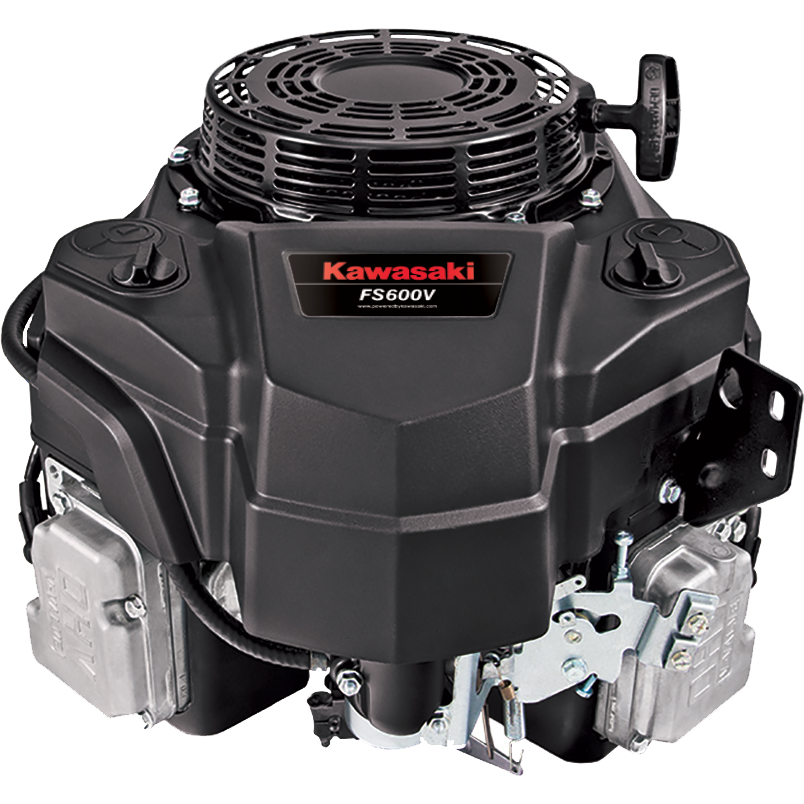
| FS600V | 603cc | 1.8 L (1.9 US qt) |
| FX600V | 603cc | 1.8 L (1.9 US qt) |
| FR651V | 726cc | 2.0 L (2.1 US qt) |
Notice that the FS481V shares oil capacity with many similar engines. However, larger Kawasaki engines (like the FR651V) require more oil, so always check your model number.
If you own different models, label your oil containers and filters for each engine to avoid mix-ups. Some filters look similar but have different internal designs.

Best Practices For Oil Maintenance
Keeping your FS481V running at its best isn’t just about regular oil changes. Here are some professional tips:
- Inspect for leaks each time you check the oil.
- Use a clean funnel to avoid introducing dirt.
- Keep extra oil on hand for quick top-ups.
- Record oil changes in a logbook. This helps you keep track and can be useful for warranty claims.
- Store oil properly (cool, dry place) to prevent degradation.
- Check oil color and smell; if oil looks black, gritty, or smells burnt, change it immediately.
Non-obvious insight: If you mow on hills or uneven terrain, oil can shift away from the pickup tube, causing temporary low oil pressure. In these situations, check oil more frequently and avoid operating on steep inclines for long periods.
Another good practice: If you have seasonal changes in temperature, consider switching to different oil viscosities at the start of hot or cold seasons for extra protection.
Troubleshooting: Oil-related Issues In Fs481v
Even with good care, problems can happen. Knowing how to troubleshoot saves time and money.
Engine Consumes Too Much Oil
- Check for oil leaks around the crankcase, filter, or drain plug.
- Make sure you’re using the correct oil viscosity.
- Worn piston rings or valve seals can cause burning oil—look for blue smoke.
- If you recently changed oil, you may have overfilled.
Sometimes, oil loss is due to a loose or missing oil fill cap, which can blow out oil during use. Always check caps are secure.
Oil Looks Milky Or Foamy
- Water contamination is likely—often from washing the engine or mower.
- Drain oil, replace filter, and refill with fresh oil.
- Avoid spraying water directly at the engine.
If the milky look returns quickly after a change, check for a leaking head gasket or condensation from short run times.
Low Oil Pressure Warning
- Check oil level first.
- Replace oil and filter if dirty.
- If warning persists, the oil pump or pressure sensor may be faulty.
A clogged oil filter can also trigger low oil pressure warnings. Replace filters regularly.
Oil Smells Burnt
- Oil has degraded from overheating or running too long between changes.
- Change oil immediately and check for overheating causes (clogged cooling fins, blocked air filter).
Inspect the engine cooling fins and shrouds for grass buildup, as overheating is often caused by poor airflow.
Environmental And Safety Considerations
Used oil is hazardous to both health and environment. Never pour it down drains or on the ground.
- Collect used oil in a sealed container.
- Take to a recycling center or auto parts store that accepts used oil.
- Clean up spills promptly with absorbent material.
This protects the environment and avoids legal trouble in many regions.
If oil spills on concrete or grass, use cat litter or sawdust to absorb it, then sweep up and dispose of it safely. Always keep oil and chemical products out of reach of children and pets.
For more details on safe oil disposal, see the official EPA guidelines.
Frequently Asked Questions
What Is The Oil Capacity Of The Kawasaki Fs481v Engine?
The oil capacity is 1.8 liters (1.9 US quarts) when changing oil and filter together. If you only change the oil, use 1.7 liters (1.8 US quarts). Always check the dipstick to confirm.
Can I Use Synthetic Oil In My Fs481v Engine?
Yes, synthetic oils that meet the recommended API category (SG, SH, SJ, or higher) and viscosity can be used. Synthetic oil can offer better protection in extreme temperatures, but always change it at regular intervals.
How Often Should I Change The Oil In My Fs481v?
The first oil change should be after 8 hours of use. After that, change oil every 100 hours or at least once per season. In tough, dusty, or hot conditions, change every 50 hours.
What Happens If I Overfill The Oil In The Fs481v?
Overfilling can cause oil to foam, reduce lubrication, damage seals, or even enter the air filter. If you realize you’ve overfilled, drain excess oil until the level is correct.
Which Oil Filter Should I Use For The Fs481v?
Use the recommended Kawasaki oil filter (commonly part number 49065-7007 or compatible). Always match your filter to the engine’s model and avoid using non-standard filters, as they may not fit properly or filter as well.
Knowing the correct Kawasaki FS481V oil capacity, selecting the right oil, and following good maintenance habits will keep your equipment reliable for years. Don’t rush oil changes—take your time, check levels carefully, and use high-quality oils and filters. Small details can make a big difference in engine life and performance. With this knowledge, you’ll avoid common pitfalls and feel confident every time you service your FS481V-powered machine.