
The Mercruiser 5. 0 engine is a popular choice for boaters who want reliable power and smooth performance. But to keep this engine running well, you must choose the right oil and know the correct oil capacity. Many boat owners overlook these details, yet they have a direct impact on engine life, fuel efficiency, and even warranty coverage.
If you’re unsure about which oil to use or how much your Mercruiser 5. 0 needs, this guide will give you all the answers, backed by detailed explanations and practical advice.
Why Oil Type And Capacity Matter For Mercruiser 5.0
Choosing the correct oil type and maintaining the proper oil capacity are not just small tasks—they are essential parts of keeping your engine healthy. The oil lubricates moving parts, reduces friction, and helps control engine temperature. If you use the wrong oil or the wrong amount, you risk poor lubrication, overheating, and increased wear. Over time, these problems can lead to expensive repairs.
Many boat owners assume that any motor oil will work. This mistake can shorten engine life or void your warranty. The Mercruiser 5. 0 is a marine engine, meaning it faces unique challenges like higher operating loads, saltwater exposure, and long periods without use.
Marine oil has additives that protect against corrosion and moisture, which are not always present in car engine oil.
Understanding The Mercruiser 5.0 Engine
The Mercruiser 5.0 is a 5.0-liter V8 engine, often called the 5.0 MPI (Multi-Port Injection) or 5.0L TKS (Turn-Key Start). It’s widely used in inboard and sterndrive boats. This engine is known for its power, reliability, and ease of maintenance. However, because marine engines often work harder than car engines, they need oil that can handle higher stress and exposure to water.
Some key specs for the Mercruiser 5.0:
- Displacement: 305 cubic inches (5.0 liters)
- Configuration: V8, 2-valve per cylinder
- Typical power output: 220–260 HP
- Fuel type: Gasoline
- Cooling: Raw water or closed cooling (depending on the model)
Each of these factors influences what oil you should use and how much you need.
Recommended Oil Types For Mercruiser 5.0
Not all oils are created equal. For the Mercruiser 5.0, Mercury Marine (the manufacturer) recommends specific oil types to ensure best performance and protection.
1. Mercury Marine 25w-40 Synthetic Blend
This is the officially recommended oil for most Mercruiser 5.0 engines built after the early 2000s. It’s a synthetic blend, combining the benefits of synthetic and mineral oils. It offers excellent protection against wear, corrosion, and high-temperature breakdown.
- Viscosity: 25W-40
- Type: Synthetic blend
- Meets NMMA FC-W marine oil standards
Why use this oil?
- It’s designed for high-load, high-temperature marine engines.
- It offers better protection against moisture and rust than automotive oils.
- It keeps its viscosity in both cold starts and hot running conditions.
2. Mercury Marine 25w-40 Full Synthetic
If you want even better protection, especially for high-performance engines or extreme conditions, the full synthetic version is an excellent choice. It provides longer-lasting lubrication and better resistance to heat and oxidation.
- Viscosity: 25W-40
- Type: Full synthetic
- Meets NMMA FC-W requirements
When to choose full synthetic: If you boat in very hot climates, push your engine hard, or want maximum engine life, this oil is a wise investment.
3. Alternatives: 20w-40 Or 15w-40 Marine Oils
In some cases, you may not have access to Mercury-branded oils. Other marine oils that meet NMMA FC-W certification and have a viscosity of 20W-40 or 15W-40 can be used. Brands like Quicksilver, Valvoline, or Mobil make marine-grade oils suitable for the Mercruiser 5.0.
Important: Always make sure the oil bottle says “Marine Engine Oil” and “NMMA FC-W.” Never use regular car oil, as it lacks the correct additives.
4. Why Not Automotive Oil?
Using regular automotive oil is risky. Marine engines deal with higher humidity and longer periods of inactivity. Marine oils contain extra additives that prevent rust and water damage. Automotive oils often break down faster in these conditions and may not protect your engine.
5. Viscosity Explained
Viscosity tells you how thick or thin oil is at different temperatures. The “W” stands for winter, so 25W-40 means the oil flows well at cold temperatures (25W) and remains thick enough to protect at high temperatures (40). This range is ideal for most boating conditions.
Oil Capacity For Mercruiser 5.0
Knowing the correct oil capacity is just as important as using the right oil. Too little oil leads to poor lubrication and engine damage. Too much oil can create pressure problems, blow out seals, or cause foaming.
Standard Oil Capacity
Most Mercruiser 5.0 engines require:
- 4.5 quarts (4.3 liters) with filter change
- 4.0 quarts (3.8 liters) without filter change
This capacity includes the oil filter, which should be changed every time you change the oil.
Checking Oil Level
After filling, always use the engine’s dipstick to verify the oil level. Fill slowly, check often, and avoid overfilling. The dipstick has “Full” and “Add” marks—keep the oil between these lines.
Variations By Model Year
Some older Mercruiser 5. 0 engines may have slightly different oil pans or oil filters, which can change the total capacity by 0. 2 to 0. 3 quarts. Always check your owner’s manual or the label on the engine for the exact number.
Oil Capacity Table
Below is a summary of oil capacities for common Mercruiser 5.0 models:
| Model Year | With Filter Change | Without Filter Change |
|---|---|---|
| 2002–Present | 4.5 quarts (4.3 L) | 4.0 quarts (3.8 L) |
| 1996–2001 | 4.3–4.5 quarts (4.1–4.3 L) | 4.0 quarts (3.8 L) |
| 1990–1995 | 4.0–4.3 quarts (3.8–4.1 L) | 3.7–4.0 quarts (3.5–3.8 L) |
How To Change Oil On A Mercruiser 5.0
Changing the oil yourself is a good way to save money and ensure it’s done right. The process is simple, but there are a few things you must pay attention to.
Step-by-step Oil Change
1. Warm Up The Engine
Run the engine for 5–10 minutes. This helps the oil flow out easily and carries contaminants out with it.
2. Shut Down And Prepare
Turn off the engine and let it sit for a few minutes. Gather your tools: an oil extractor pump, oil filter wrench, new oil filter, and the correct oil.
3. Extract The Old Oil
Use the extractor pump through the dipstick tube or oil drain plug. Collect the oil in a suitable container for recycling.
4. Remove Old Oil Filter
Use the oil filter wrench to remove the filter. Some oil will spill—place a rag or tray underneath.
5. Install New Oil Filter
Before installing, put a small amount of fresh oil on the rubber gasket of the new filter. Screw it on by hand until snug, then tighten a little more (not too tight).
6. Add New Oil
Pour in the recommended amount (usually 4. 5 quarts). Go slowly and check the dipstick as you fill.
7. Check For Leaks
Start the engine and let it run for a minute. Check under the engine for any leaks, then shut down and check the oil level again.
8. Dispose Of Old Oil Properly
Take the old oil and filter to a recycling center. Never dump oil in the water or trash.
Practical Tips
- Always change the filter with the oil.
- Use a funnel to avoid spills.
- Check your owner’s manual for special instructions.
- Label your oil change date and hours on the engine.
Oil Filter Choices For Mercruiser 5.0
The oil filter is just as important as the oil. It removes dirt, metal, and other particles that could damage your engine.
Recommended Filters
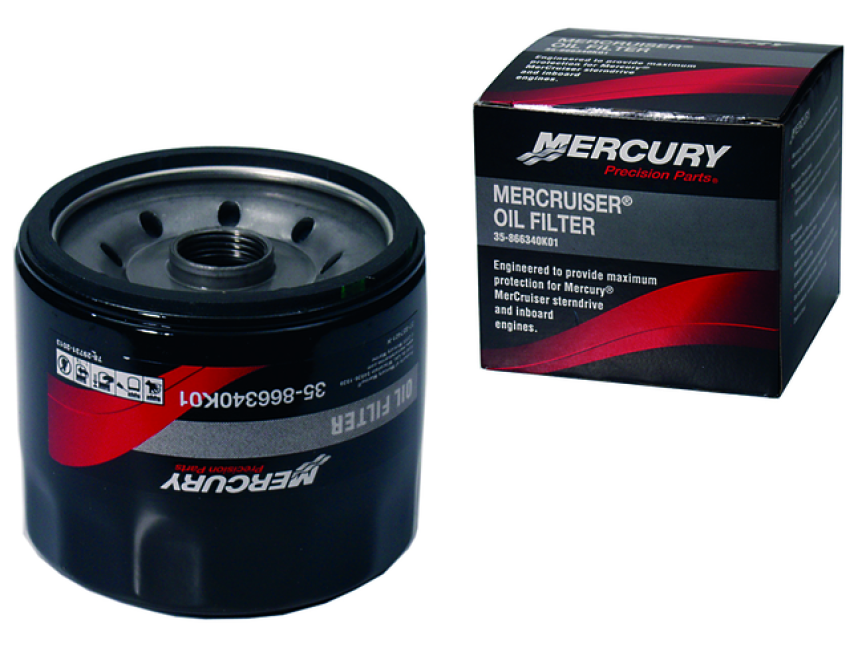
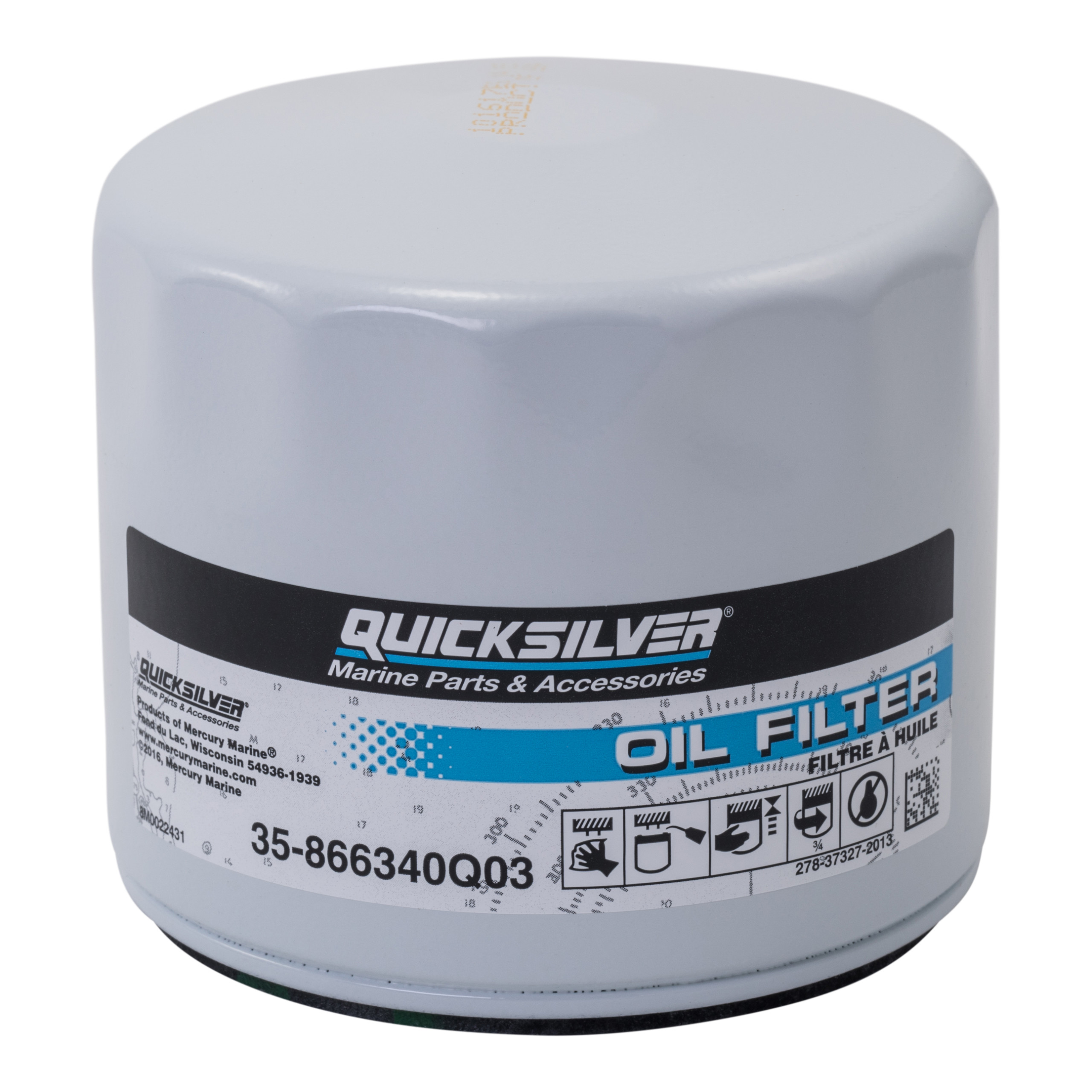
Mercury Marine recommends their own branded filters, but you can also use equivalent marine oil filters from brands like Fram, Wix, or Sierra, as long as they match the size and specifications.
Filter Cross-reference Table
Here’s a handy comparison for common filter brands:
| Brand | Part Number | Fits Mercruiser 5.0? |
|---|---|---|
| Mercury Marine | 35-866340K01 | Yes |
| Fram | PH8A | Yes |
| Wix | 51069 | Yes |
| Sierra | 18-7878 | Yes |
Always double-check the threads and gasket size before installation.

Oil Change Intervals And Maintenance Schedule
How often should you change your oil? For most Mercruiser 5.0 engines, the answer is simple:
- Every 50–100 engine hours
- Or at least once per boating season
If you use your boat in saltwater, heavy loads, or high temperatures, change oil more often. Old oil breaks down and can’t protect your engine as well.
Storage And Off-season
If you store your boat for the winter, always change the oil before storage. Old oil contains acids and moisture that can corrode engine parts. Fresh oil provides a protective layer during months of inactivity.
Common Mistakes When Choosing Oil
Some boat owners make errors that can have long-lasting effects on their engine. Here are mistakes to avoid:
1. Using Automotive Oil
As mentioned earlier, automotive oil lacks marine additives. It breaks down faster, especially in humid or wet conditions. This can lead to rust and sludge buildup.
2. Wrong Viscosity
Choosing oil that’s too thin or thick for your climate or engine condition can cause poor lubrication. Stick with 25W-40 marine oil for best results.
3. Overfilling Or Underfilling
Too much oil causes foaming and pressure problems. Too little oil leads to overheating and rapid wear. Always use the dipstick to verify the level after filling.
4. Skipping The Oil Filter
Changing the oil without changing the filter leaves contaminants in your engine. Always replace both together.
5. Ignoring The Nmma Fc-w Standard
Some oils claim to be “marine” grade but don’t have NMMA FC-W certification. Always check the label.
Signs Of Oil Problems In Your Mercruiser 5.0
Learning to spot oil-related issues early can save you thousands in repair costs. Here are warning signs to watch for:
1. Milky Oil
Indicates water contamination—often from a bad gasket or cracked part. Immediate attention is needed.
2. Low Oil Pressure
Can signal worn bearings, low oil level, or a faulty oil pump.
3. Burnt Smell
Means the oil is breaking down, usually from overheating or old age.
4. Metal Flakes In Oil
Shows internal engine wear; change the oil and inspect for further damage.
5. Rapid Oil Loss
Could be due to leaks, faulty seals, or burning oil internally.
If you notice any of these, don’t keep running the engine. Investigate and fix the cause before more damage occurs.
How Temperature And Climate Affect Oil Choice
Most Mercruiser 5.0 owners can stick with 25W-40 marine oil year-round. However, if you operate in very cold or very hot climates, slight adjustments may help:
- Cold weather (<32°F/0°C):20W-40 or 15W-40 marine oil may flow better at startup.
- Hot weather (>95°F/35°C): Full synthetic 25W-40 gives extra protection against thinning and breakdown.
Never use straight-weight (single viscosity) oils, as they don’t protect well across temperature changes.
Advanced Tips For Maximum Engine Life
Experienced boaters know a few extra tricks for getting the most from their Mercruiser 5.0:
1. Install An Oil Pressure Gauge
This lets you monitor oil pressure in real time. Drops in pressure warn of problems before damage occurs.
2. Use An Engine Flushing System
After saltwater use, flush the engine to remove salt and prevent corrosion—especially important for oil system longevity.
3. Add A Magnetic Drain Plug
This simple upgrade traps metal particles, making it easier to spot early wear.
4. Keep A Maintenance Log
Write down oil change dates, hours, and any issues. This helps you spot patterns and proves good maintenance for resale value.
5. Consider Oil Analysis
Some boaters send a sample of used oil to a lab. This reveals hidden engine problems before they become serious.
These steps may sound advanced, but they’re simple to start and can save you money and stress in the long run.
Environmental And Legal Considerations
Improper oil disposal harms the environment and can lead to fines. Always recycle used oil at a certified collection center. Never pour oil into the water, drains, or on the ground.
Some states and countries require proof of proper disposal. Keep your receipts or records from recycling centers. For more information, the U.S. Environmental Protection Agency offers guidance on boat maintenance and oil disposal. For details, see this EPA resource.
Comparing Mercruiser 5.0 With Other Marine Engines
How does the Mercruiser 5.0 compare to similar marine engines in terms of oil needs? Here’s a quick look:
| Engine Model | Recommended Oil Type | Oil Capacity (with filter) |
|---|---|---|
| Mercruiser 5.0 | 25W-40 Marine Synthetic Blend | 4.5 quarts (4.3 L) |
| Volvo Penta 5.0GXi | SAE 30, 10W-40 Marine Oil | 5.5 quarts (5.2 L) |
| Indmar 5.0L | 15W-40 Marine Oil | 5.0 quarts (4.7 L) |
Each brand has its own recommendations. Always check your specific engine’s manual for the final answer.
What To Do If You Overfill Or Underfill Oil
Mistakes can happen, even to experienced boat owners. If you overfill the oil:
- Don’t run the engine.
- Use the extractor pump to remove excess oil until it’s at the correct dipstick level.
If you underfill the oil:
- Add oil slowly until you reach the correct mark.
- Running with too little oil, even briefly, can cause serious damage.
If you’re unsure about the level, seek help from a marine mechanic.
Non-obvious Insights For Mercruiser 5.0 Owners
Many new boaters believe oil type and brand don’t matter much. But small changes can have big results:
1. Brand Consistency Matters
Using the same brand and type of oil over time ensures consistent lubrication and fewer compatibility issues. Mixing oils with different additives can sometimes reduce their effectiveness.
2. Oil Additives Are Usually Not Needed
Some companies sell “engine oil additives” for extra protection. For the Mercruiser 5. 0, high-quality marine oil already has the necessary additives. Extra additives can disrupt oil chemistry and may void your warranty.
3. Short Trips Are Harder On Oil
Starting the engine for a short run (less than 15 minutes) causes more condensation and moisture in the oil. Try to run your boat long enough to fully warm up the engine and evaporate moisture.
4. Altitude May Affect Oil Choice
If you boat in high-altitude lakes, your engine may run hotter due to thinner air. Consider using full synthetic oil for extra heat protection.
Frequently Asked Questions
What Is The Best Oil Type For Mercruiser 5.0?
The best oil is Mercury Marine 25W-40 Synthetic Blend or Full Synthetic, certified to NMMA FC-W standards. This oil is designed for marine conditions and protects against wear, heat, and moisture.
How Much Oil Does A Mercruiser 5.0 Engine Hold?
With a filter change, the Mercruiser 5.0 holds 4.5 quarts (4.3 liters). Always check the dipstick after filling to ensure the correct level.
Can I Use Car Engine Oil In My Mercruiser 5.0?
No, you should not use automotive oil. Marine engines need oil with special additives for corrosion and moisture protection. Always use marine-grade oil with NMMA FC-W certification.
How Often Should I Change Oil In My Mercruiser 5.0?
Change the oil every 50–100 engine hours or at least once per season. If you use your boat in tough conditions, change it more often.
What Happens If I Overfill Or Underfill The Oil?
Overfilling can cause foaming and seal damage. Underfilling can lead to overheating and engine wear. Always keep the oil at the proper level using the dipstick.
Boating is more enjoyable when your engine runs smoothly and reliably. Using the right oil and knowing the correct capacity for your Mercruiser 5. 0 are the most important steps in engine care. With the guidance in this article, you can avoid common mistakes, extend your engine’s life, and enjoy peace of mind every time you take to the water.