
The Nissan Rogue is one of the most popular compact SUVs on the road today. With its smart design, advanced features, and reliable performance, it appeals to a wide range of drivers. But owning a Nissan Rogue also means paying attention to the little things that keep your vehicle running smoothly. One of the most important of these is understanding the oil capacity of your engine, especially if you drive the 1.5-liter version.
Many car owners overlook the simple details of engine oil capacity until it’s time for maintenance. However, using the right amount of oil is critical for engine health, performance, and longevity. If you use too little, your engine may overheat or suffer damage. Too much oil can lead to leaks, increased pressure, and expensive repairs. For the Nissan Rogue 1.5, knowing the correct oil capacity, type, and maintenance routine can save you money and trouble in the long run.
This guide will cover everything you need to know about the Nissan Rogue 1.5 oil capacity. We’ll break down the exact amount you need, the best oil types, how to check and change your oil, how the oil system works, and common mistakes to avoid. Whether you do your own oil changes or want to be better informed when visiting your mechanic, you’ll find practical advice and insights here.
Understanding Nissan Rogue 1.5 Oil Capacity
The first step in proper maintenance is knowing the specific oil capacity for your vehicle. The Nissan Rogue 1.5 uses a modern turbocharged 1.5-liter 3-cylinder engine, introduced in more recent models. Oil capacity can vary between engine types and model years, so it’s important to get this detail right.
What Is The Oil Capacity Of The Nissan Rogue 1.5?
For the 1.5-liter turbocharged engine in the Nissan Rogue, the engine oil capacity is typically:
- 4.8 quarts (4.5 liters) with oil filter change
This capacity includes both the oil in the engine itself and the oil that fills the filter during a standard oil change. Always check your owner’s manual for your exact model year, but for most 2022 and newer Nissan Rogue 1.
5 engines, 4. 8 quarts is the recommended amount.
Why The Right Oil Capacity Matters
Using the correct oil capacity is more than a technical detail—it affects almost every aspect of engine performance:
- Lubrication: Enough oil ensures all moving parts are coated and protected from friction.
- Cooling: Oil helps remove excess heat from the engine.
- Cleaning: Oil picks up small particles and debris, keeping your engine clean.
- Efficiency: Too much or too little oil can reduce fuel efficiency and power.
One detail many beginners overlook is that the oil filter also holds oil. If you skip changing the filter, the total oil needed may be slightly less, but it’s always best to replace the filter to ensure proper filtration and capacity.
1. Recommended Oil Types For The Nissan Rogue 1.5
The next step to keeping your Nissan Rogue’s engine in top shape is choosing the right engine oil type. Not all oils are created equal, and using the wrong type can lead to poor performance or even void your warranty.
Best Oil Viscosity For The 1.5-liter Engine
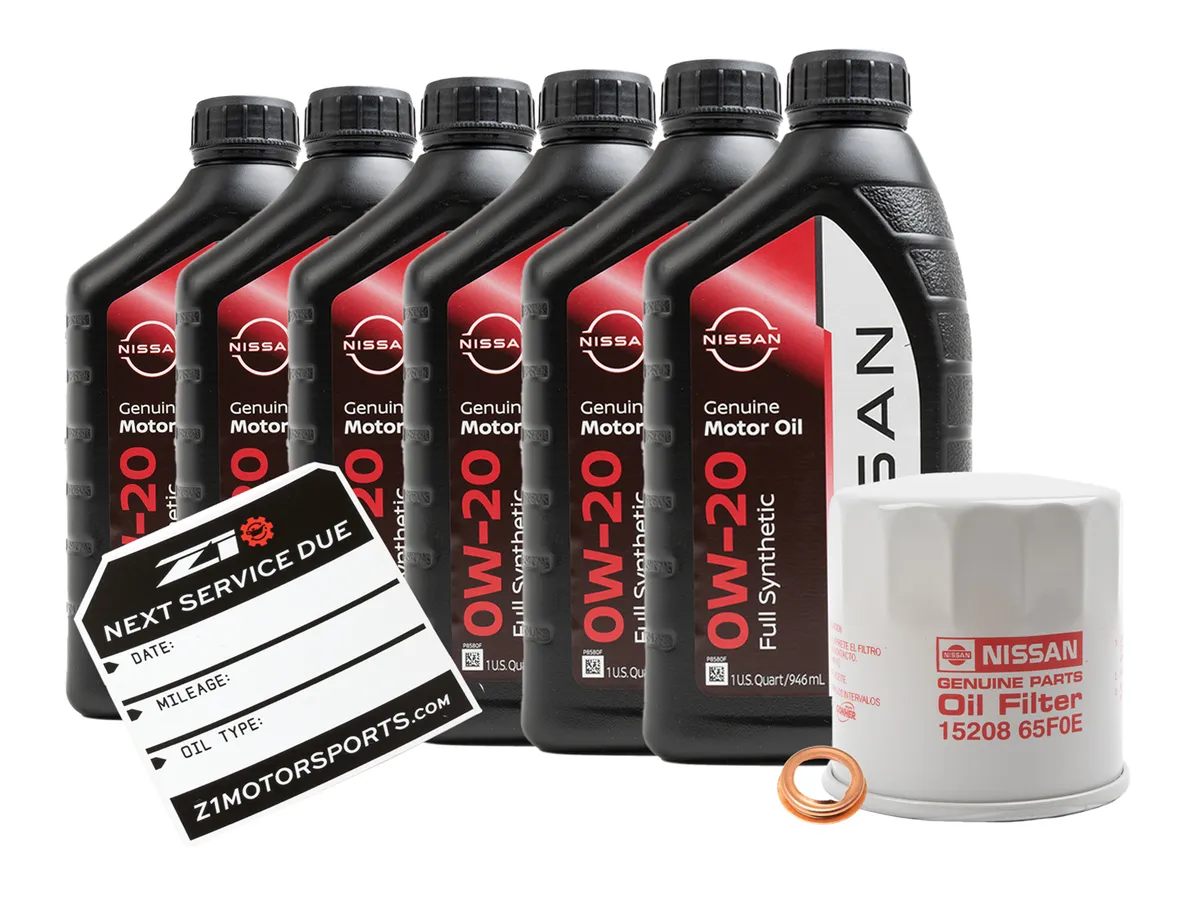
Nissan recommends a 0W-20 full synthetic oil for the Rogue 1.5. This oil type provides the best balance between cold-start protection and high-temperature stability.
Why 0w-20 Full Synthetic?
- Cold Starts: The 0W rating means the oil flows easily at low temperatures, protecting your engine during startup.
- Heat Stability: The 20 indicates the oil remains stable at engine operating temperatures, reducing wear.
- Turbo Protection: Synthetic oil resists breakdown under the higher heat and stress of a turbocharged engine.
Approved Brands And Alternatives
While you don’t need to use only Nissan-branded oil, it’s important to choose reputable brands that meet the API SP or ILSAC GF-6 standards. Some popular options include:
- Mobil 1 Advanced Full Synthetic 0W-20
- Castrol EDGE 0W-20
- Valvoline Advanced Full Synthetic 0W-20
Never mix conventional oil with synthetic, as this can reduce protection and efficiency.
What About Oil Additives?
Some drivers are tempted to add aftermarket oil additives, hoping for better performance. For the Nissan Rogue 1. 5, these are usually unnecessary. Modern full synthetic oils already contain detergents and anti-wear agents. Adding more may upset the oil’s balance and could risk engine damage or warranty issues.
2. How To Check Oil Level In The Nissan Rogue 1.5
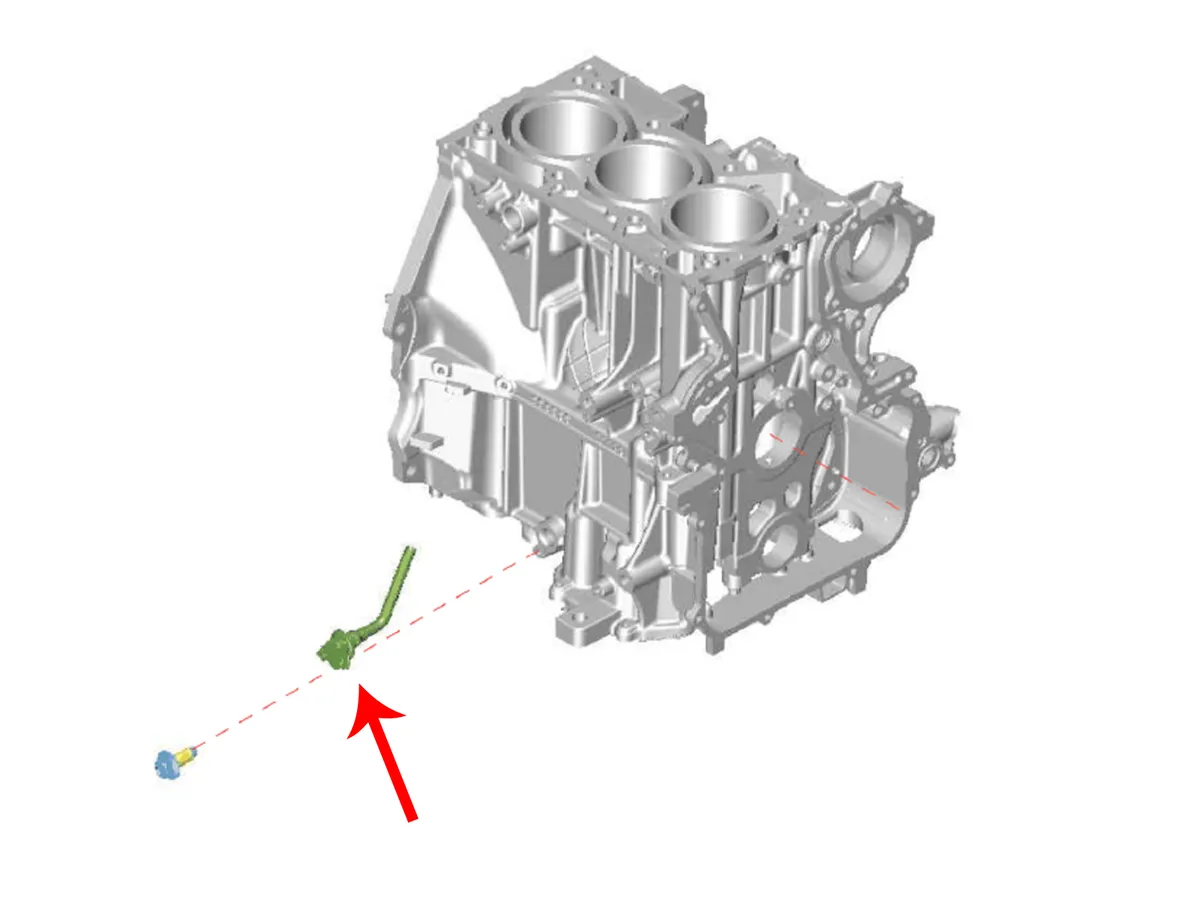
Even if you get regular oil changes, it’s wise to check your engine oil level between services. This helps you spot leaks or burning oil early, which could prevent expensive repairs.
Steps To Check Oil Level
- Park on Level Ground: Wait for the engine to cool for 5–10 minutes after shutting off.
- Open the Hood: Locate the oil dipstick. In the Rogue 1.5, it’s usually marked with a yellow or orange handle.
- Remove and Clean: Pull out the dipstick, wipe it clean with a cloth or paper towel.
- Reinsert and Remove Again: Insert it fully, then pull it out to check the oil level.
- Read the Level: The dipstick will have two marks: MIN and MAX. Oil should be between these lines.
- Check Oil Condition: Fresh oil looks amber and clear. Dark, gritty oil means it’s time for a change.
What To Do If Oil Level Is Low
If the oil is below the MIN line, add a small amount of the recommended oil type. Wait a minute, then recheck. Avoid overfilling; too much oil is just as risky as too little.
Non-obvious Insight: Watch For Gradual Loss
Some Nissan Rogue 1. 5 owners find their cars use a little oil between changes—this is common for turbo engines. If you’re adding oil regularly, have your mechanic check for leaks or excessive consumption. Catching this early can prevent major engine problems.
3. Nissan Rogue 1.5 Oil Change Procedure
Changing your own oil can save money and help you understand your vehicle better. Here’s how to perform a safe and effective oil change on the Nissan Rogue 1. 5.
Tools And Supplies You’ll Need
- 0W-20 full synthetic oil (at least 5 quarts)
- New oil filter (Nissan OEM or quality aftermarket)
- Oil filter wrench
- Socket set and wrench
- Oil drain pan
- Funnel
- Gloves and rags
- Car jack and jack stands (if needed)
Step-by-step Oil Change Instructions
- Warm Up the Engine: Let the engine run for a few minutes. Warm oil drains more easily.
- Secure the Vehicle: Park on a level surface and use the parking brake.
- Lift the Car (if needed): Use a jack and stands to access the oil pan under the engine.
- Remove the Oil Drain Plug: Place the drain pan under the oil pan, then use a wrench to remove the plug. Be careful—oil may be hot.
- Drain the Old Oil: Wait until the flow slows to a drip.
- Replace the Drain Plug: Tighten securely, but don’t over-tighten.
- Remove the Oil Filter: Use the oil filter wrench. Some oil will spill out—have rags handy.
- Install New Filter: Lightly oil the gasket on the new filter, then screw it on by hand.
- Add New Oil: Use the funnel to pour in 4.8 quarts of 0W-20 synthetic oil.
- Check for Leaks: Start the engine and let it run for 2–3 minutes. Check under the car for leaks.
- Recheck Oil Level: Turn off the engine, wait a few minutes, and check the dipstick. Add oil if needed.
Oil Change Interval For The Nissan Rogue 1.5
Nissan recommends changing the oil every 7,500 miles or 12 months, whichever comes first. If you drive in harsh conditions (frequent short trips, stop-and-go traffic, extreme temperatures), change oil more often—about every 5,000 miles.
Practical Tip: Dispose Of Old Oil Properly
Never pour old oil down the drain. Most auto parts stores and recycling centers will take used oil for free.

4. Nissan Rogue 1.5 Oil System Overview
Understanding how your Rogue’s oil system works helps you spot problems before they get serious.
Main Oil System Components
- Oil Pan: Holds the oil at the bottom of the engine.
- Oil Pump: Moves oil throughout the engine.
- Oil Filter: Removes dirt and particles.
- Oil Galleries: Channels that deliver oil to moving parts.
- Turbocharger Oil Lines: Special lines that keep the turbo’s bearings lubricated and cool.
How Oil Circulates In The Rogue 1.5 Engine
When you start the engine, the oil pump draws oil from the pan and pushes it through the filter. Clean oil then flows to all moving parts—crankshaft, camshaft, pistons, turbocharger—before draining back to the pan. This cycle repeats thousands of times per minute.
Importance Of Oil Pressure
The Nissan Rogue 1.5 engine is sensitive to oil pressure. If oil is too low or dirty, pressure drops. This can cause warning lights or, in rare cases, engine damage. Always act quickly if you see the oil warning light.
Turbocharger And Oil
The 1. 5-liter engine’s turbo spins at very high speeds and gets extremely hot. It depends on a steady flow of clean oil for cooling and lubrication. Skipping oil changes or using the wrong oil can destroy the turbo—an expensive repair.
Non-obvious Insight: Short Trips Are Tough On Oil
If most of your trips are under 10 miles, your engine oil may not get hot enough to burn off moisture and contaminants. This can lead to sludge buildup, which blocks oil flow. In this case, change your oil more often, even if you haven’t reached the mileage limit.
5. Common Mistakes And How To Avoid Them
Even careful owners can make mistakes with oil changes. Avoid these common pitfalls to protect your Nissan Rogue 1. 5’s engine.
Overfilling Or Underfilling Oil
Adding too much oil can cause foaming, leaks, and pressure problems. Too little oil leaves parts unprotected. Always check the dipstick after filling and add oil in small amounts.
Using The Wrong Oil Type
Never use thicker or thinner oil than recommended. For the Rogue 1.5, stick to 0W-20 full synthetic. Using 5W-30 or conventional oil can reduce turbo protection and efficiency.
Skipping Oil Filter Replacement
Some drivers change only the oil and leave the old filter. The filter traps dirt and metal—reusing it means dirty oil circulates in your engine.
Not Tightening The Drain Plug Or Filter
A loose drain plug or oil filter can cause leaks. Hand-tighten the filter and use a wrench for the plug, but don’t overtighten, which can strip threads.
Ignoring Warning Lights
If the oil or check engine light comes on, don’t ignore it. Stop as soon as safe, check your oil level, and add oil if needed. If the light stays on, have your car checked by a professional.
Waiting Too Long Between Oil Changes
Even if the oil looks clean, it loses its protective properties over time. Stick to the recommended interval, and change more often if you drive in harsh conditions.
Comparison: Nissan Rogue 1.5 Oil Capacity Vs. Other Rogue Engines
To help you see how the 1.5-liter engine compares to other Nissan Rogue options, here’s a quick comparison:
| Engine Type | Oil Capacity (with filter) | Recommended Oil Type |
|---|---|---|
| 1.5L Turbo 3-Cylinder | 4.8 quarts (4.5L) | 0W-20 Full Synthetic |
| 2.5L 4-Cylinder (previous gen) | 4.9 quarts (4.6L) | 0W-20 Full Synthetic |
| 2.0L Hybrid | 4.2 quarts (4.0L) | 0W-20 Full Synthetic |
As shown, the 1. 5-liter engine’s capacity is similar to other Rogue engines but always check your model year and engine code for exact specs.
Data Table: Oil Change Cost Comparison
Knowing the cost difference between doing your own oil change and going to a shop can help you plan your maintenance budget.
| Option | Average Cost (USD) | What’s Included |
|---|---|---|
| DIY Oil Change | $35–$55 | Oil, Filter, Tools (one-time) |
| Dealership Service | $75–$120 | Oil, Filter, Inspection, Labor |
| Quick Lube Shop | $50–$90 | Oil, Filter, Basic Check |
DIY can save money, but be sure you follow all steps for safety and accuracy.
Key Takeaways For Nissan Rogue 1.5 Owners
- Use 4.8 quarts (4.5L) of 0W-20 full synthetic oil with every oil and filter change.
- Check your oil regularly, especially before long trips or after hard driving.
- Stick to Nissan’s recommended oil change intervals, or change more often in tough conditions.
- Avoid common mistakes like overfilling, using the wrong oil, or skipping filter changes.
- Proper maintenance protects your engine, improves performance, and saves money over time.
Caring for your Nissan Rogue 1. 5 doesn’t have to be complicated. With the right oil, regular checks, and good habits, your engine will reward you with years of reliable service.
Frequently Asked Questions
What Is The Exact Oil Capacity For The Nissan Rogue 1.5 Engine?
The correct oil capacity for the Nissan Rogue 1.5 turbo engine is 4.8 quarts (4.5 liters) when changing both the oil and the filter. Always check your owner’s manual for your specific model year, as there could be small differences.
Can I Use 5w-30 Oil Instead Of 0w-20 In My Nissan Rogue 1.5?
It’s best to use 0W-20 full synthetic oil as Nissan recommends. Using 5W-30 or another type can reduce protection, especially for the turbocharger. Only use a different oil if you have no other option and change back to the correct type as soon as possible.
How Often Should I Change The Oil In My Nissan Rogue 1.5?
Nissan suggests changing the oil every 7,500 miles or 12 months, whichever comes first. If you drive in harsh conditions (frequent short trips, extreme heat or cold, stop-and-go traffic), change your oil every 5,000 miles for better protection.
What Happens If I Overfill Or Underfill The Oil?
Overfilling can cause leaks, high pressure, or foaming, while underfilling leaves engine parts unprotected and increases wear. Always fill to the correct level, check the dipstick after filling, and add oil in small amounts if needed.
Where Can I Find More Information About Nissan Rogue Maintenance?
For the most accurate and up-to-date information, visit the official Nissan USA Maintenance Schedule. This resource includes service intervals, oil types, and other maintenance guidelines for your specific model.
Taking care of your Nissan Rogue 1.5’s oil system is a simple but powerful way to protect your investment and enjoy smooth, reliable driving every day. By following the advice and details in this guide, you’ll stay ahead of problems and keep your Rogue running like new.