
The Nissan Versa is one of the most popular compact cars in North America. For many, it’s a reliable and economical choice, known for low maintenance costs and efficiency. But even the most dependable car needs regular oil changes. One simple detail often overlooked is the Nissan Versa oil capacity—a critical number that affects engine health, performance, and how much oil you actually need to buy. Understanding the correct oil capacity is not just about pouring the right amount; it also means protecting your engine from damage and running costs.
Let’s take a detailed look at everything you need to know about the Nissan Versa oil capacity. Whether you own a Versa from 2007 or just picked up a new model, this guide will help you avoid mistakes, save money, and keep your car running for years.
What Does Oil Capacity Mean?
When you hear the term oil capacity, it refers to the total volume of engine oil that your car’s engine holds during an oil change, including the oil filter. This is not just a random figure. The right amount of oil ensures proper lubrication, cooling, and cleaning of engine parts. Too little oil and your engine risks friction damage. Too much, and you can cause leaks or pressure issues.
For the Nissan Versa, oil capacity varies by model year, engine type, and even by small design changes. That’s why it’s important to check the specifications for your exact Versa.
Why Oil Capacity Matters For The Nissan Versa
Many drivers change their oil without thinking about the exact amount needed. Some simply pour until the dipstick reads “full,” but this practice ignores specific needs of different engines.
Here’s why the right oil capacity matters:
- Engine Protection: Enough oil protects moving parts from wear and heat.
- Fuel Efficiency: The right amount helps maintain fuel economy.
- Preventing Leaks: Overfilling can increase pressure, leading to gasket leaks.
- Avoiding Engine Damage: Running low on oil can destroy an engine quickly.
A common beginner’s mistake is buying oil in quart increments without checking the owner’s manual or the oil cap. Even small differences can add up over time.
Nissan Versa Oil Capacity By Model Year
The oil capacity for the Nissan Versa changes depending on the year and engine type. Here is a breakdown of the most common Versa generations and engines. This information is especially helpful if you buy oil in bulk or want to change your own oil.
| Model Year | Engine | Oil Capacity (with filter) | Oil Capacity (without filter) |
|---|---|---|---|
| 2007-2011 | 1.8L MR18DE | 4.1 qt (3.9 L) | 3.9 qt (3.7 L) |
| 2012-2019 | 1.6L HR16DE | 3.7 qt (3.5 L) | 3.4 qt (3.2 L) |
| 2020-present | 1.6L HR16DE | 4.2 qt (4.0 L) | 4.0 qt (3.8 L) |
Key Insights
- Always check your owner’s manual or the oil cap for the exact number.
- The 1.8L engine (older models) needs a bit more oil than the newer 1.6L.
- Modern models (2020 and up) have a slightly increased capacity, so don’t rely on past experience alone.
How To Check Your Nissan Versa’s Oil Level
Checking your oil level is a simple skill, but it’s often done wrong. Here’s the best practice for accurate results:
- Park on Level Ground: Slopes can give false readings.
- Let the Engine Cool: Wait 10-15 minutes after driving.
- Pull the Dipstick: Wipe it clean, then reinsert fully.
- Check the Mark: Oil should be between the “L” (Low) and “H” (High) marks.
If you’re unsure, repeat the check. If the oil looks dirty or smells burnt, consider changing it sooner.

Oil Change Intervals For The Nissan Versa
How often should you change your oil? While the Nissan Versa owner’s manual gives you a basic schedule, real-world driving can change things.
- Normal conditions: Every 5,000 to 7,500 miles (8,000 to 12,000 km)
- Severe conditions (frequent short trips, extreme heat/cold, dusty roads): Every 3,000 to 5,000 miles (5,000 to 8,000 km)
Modern synthetic oils allow for longer intervals, but don’t push it. Old oil loses its effectiveness, even if you haven’t driven much.
Choosing The Right Oil For Your Nissan Versa
The correct oil type is as important as oil capacity. Nissan recommends specific viscosities for the Versa, depending on your climate and engine.
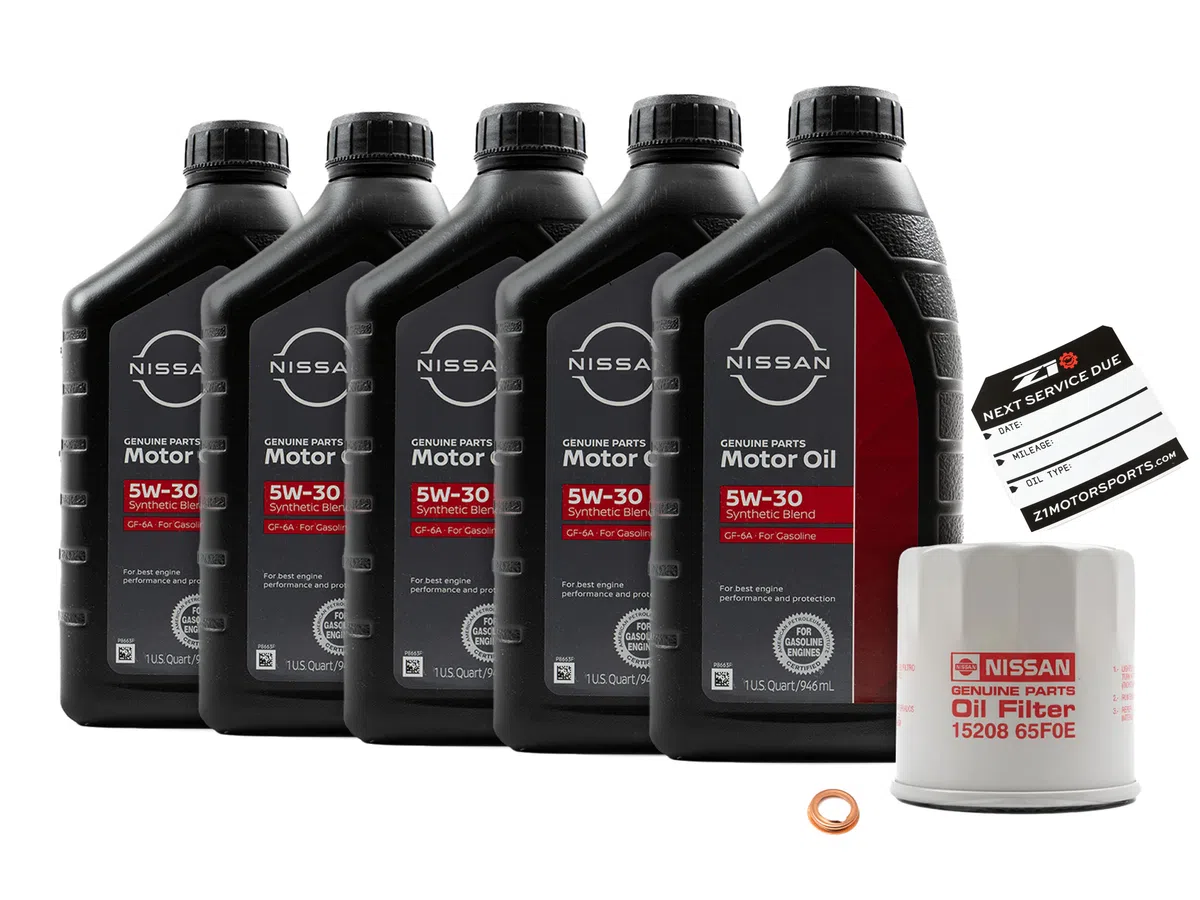
- For most models: 5W-30 or 0W-20 synthetic oil
- For older models: 5W-30 conventional or synthetic blend
Choosing the wrong oil can reduce engine life or void your warranty. Always check your manual or consult a professional if in doubt.
Viscosity Explained
- 5W-30: Good for most temperatures, offers good protection.
- 0W-20: Flows better in cold weather, more common in newer Versas.
Oil Filter: Why It Matters For Capacity
When you change your oil, always replace the oil filter. The filter holds a small amount of oil, and leaving an old filter can contaminate fresh oil. Most Nissan Versa oil capacities are listed “with filter,” because that’s the recommended method.
If you change oil but skip the filter, you’ll use less oil. But this is not recommended for engine health.
Step-by-step Guide To Changing Nissan Versa Oil
Changing your own oil can save money and help you understand your car better. Here’s how to do it safely.
What You Need
- Correct amount of oil (see table above)
- New oil filter
- Oil drain pan
- Funnel
- Socket wrench
- Gloves
- Rag/towel
Steps
- Warm Up Engine: Run the car for 5 minutes to thin the oil.
- Lift the Car: Use a jack and jack stands or ramps.
- Remove Drain Plug: Place pan under oil pan, unscrew plug, let oil drain.
- Replace Oil Filter: Unscrew old filter, coat new filter gasket with a bit of oil, install hand-tight.
- Replace Drain Plug: Tighten firmly, but don’t over-torque.
- Add New Oil: Use a funnel, pour in the right amount (see your model and year).
- Check Level: Start engine, let it run 1 minute, turn off, wait 5 minutes, check dipstick.
- Top Off if Needed: Add small amounts if low, but do not overfill.
Dispose of used oil and filter at a recycling center. Never pour oil down the drain.
Signs Of Incorrect Oil Level
Even experienced drivers sometimes get the oil level wrong. Here’s what to watch for:
- Low Oil: Engine noise, ticking sounds, oil light on dashboard.
- High Oil: Blue smoke from exhaust, oil leaks, rough idle.
If you notice these problems after an oil change, check your oil level immediately.
Common Mistakes When Adding Oil
Many Versa owners make the same errors. Avoid these to keep your car running smoothly:
- Rushing: Pouring oil too quickly can lead to overfilling.
- Not Checking After Running: Oil settles after running the engine; always check and top off if needed.
- Using Wrong Oil: Double-check viscosity and type.
- Ignoring the Filter: Skipping filter replacement is a shortcut that costs more later.
Nissan Versa Oil Capacity In Different Driving Conditions
Real-world conditions affect oil use and condition. If you drive in severe conditions, your oil might break down faster, and your engine may use a bit more oil.
- Highway Driving: Oil stays cleaner, but check before long trips.
- Short Trips: Oil gets dirty faster, check and change more often.
- Hot Climates: Oil can thin out, watch for low levels.
- Cold Climates: Oil thickens, use recommended viscosity.
Cost Of An Oil Change For Nissan Versa
How much should you expect to pay if you don’t do it yourself? Here’s what you’ll find at most shops in North America.
- DIY Oil Change: $25–$40 (oil + filter)
- Dealer/Professional: $45–$80 (synthetic oil, filter, labor)
- Premium Service: $100+ (includes inspection, tire rotation, fluid top-off)
Changing your own oil saves money, but always use the right oil capacity and type for your Versa.
Oil Capacity And Engine Longevity
Oil isn’t just a “maintenance item. ” It’s the lifeblood of your engine. Using the correct oil capacity can add thousands of miles to your Nissan Versa’s life.
Engines running with low oil break down faster. Overfilled engines can blow seals and gaskets, leading to expensive repairs. Staying within the recommended oil capacity is one of the best ways to protect your investment.
Comparing Nissan Versa Oil Capacity With Other Compact Cars
How does the Versa stack up against other small cars? Here’s a comparison with a few common competitors.
| Car Model | Engine | Oil Capacity (with filter) |
|---|---|---|
| Nissan Versa | 1.6L HR16DE | 3.7–4.2 qt (3.5–4.0 L) |
| Toyota Yaris | 1.5L 4-cyl | 3.9 qt (3.7 L) |
| Honda Fit | 1.5L 4-cyl | 3.8 qt (3.6 L) |
| Hyundai Accent | 1.6L 4-cyl | 3.6 qt (3.4 L) |
As you can see, the Versa’s oil capacity is right in line with its competitors. This makes finding oil and filters easy, and you can often use similar tools and supplies.
How To Find Your Exact Nissan Versa Oil Capacity
If you’re unsure, there are several ways to confirm the right oil capacity for your exact Versa:
- Owner’s Manual: The best, most accurate source.
- Oil Cap: Many Versas have the oil type and sometimes capacity printed here.
- Dealership: Service departments can provide specs for your VIN.
- Official Nissan Website: Updated specs by year and model.
- Trusted Online Resources: Use only reputable sites for this info.
A handy tip: write your oil type and capacity on a sticker under the hood or in your glovebox for quick reference.
The Role Of Oil Additives
Some car owners use oil additives, hoping for extra protection. For the Nissan Versa, additives are rarely necessary if you use quality oil at the correct capacity. Too many additives can actually reduce effectiveness or void your warranty.
Stick with high-quality oil recommended by Nissan, and you won’t need extras.
Synthetic Vs Conventional Oil And Oil Capacity
Does oil type change your Versa’s oil capacity? No—the volume stays the same, but synthetic oil lasts longer and offers better protection.
- Synthetic oil: More stable in extreme temperatures, lasts longer, better for newer Versas.
- Conventional oil: Cheaper, but needs more frequent changes, better for older or high-mileage Versas.
If you switch from conventional to synthetic, you don’t need to change oil capacity.
Environmental Impact Of Proper Oil Changes
Disposing of used oil properly is as important as using the right oil capacity. One gallon of used oil can contaminate one million gallons of water. Always recycle oil and filters. Most auto parts stores offer free recycling.
Nissan Versa Oil Capacity: Real-world Owner Experiences
Many Versa owners share stories of overfilling or running low on oil. Here are two insights beginners often miss:
- Oil filter changes matter: Skipping the filter can lead to overfilling, as the old filter doesn’t hold new oil.
- Aftermarket parts may change capacity: Some aftermarket oil pans or filters hold more or less oil. Always check after installation.
How Oil Capacity Affects Engine Performance
A well-maintained engine with the correct oil capacity runs quieter, accelerates better, and gets better mileage. Too much or too little oil can cause sluggishness, rough idling, or even check engine lights.
If you notice a change in performance after an oil change, double-check your oil level and capacity.
Oil Capacity For Nissan Versa Note
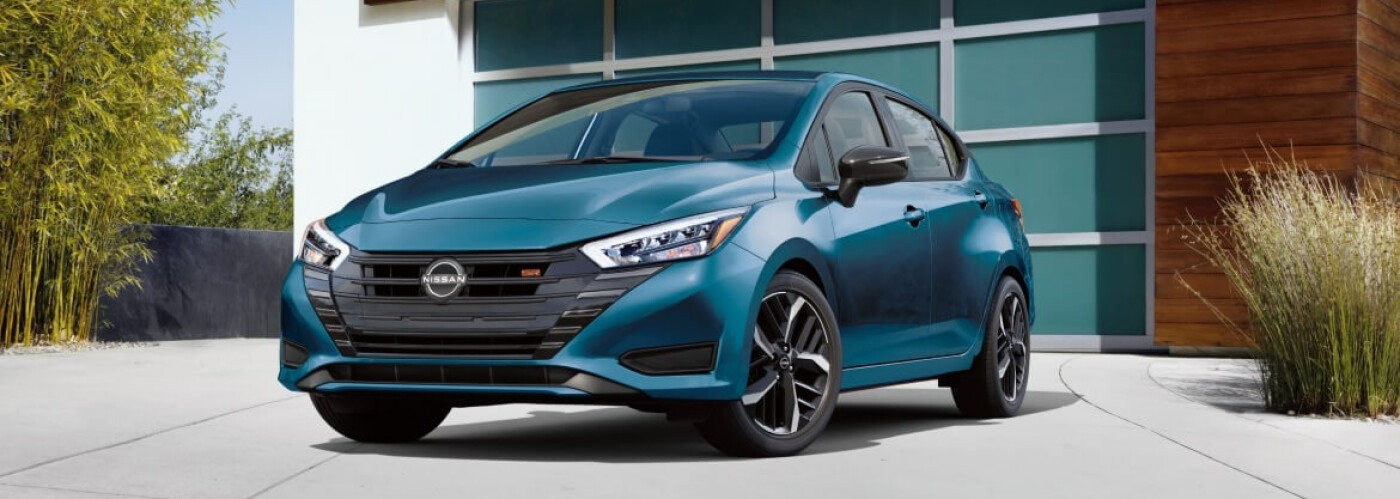
The Nissan Versa Note is a hatchback version with similar engines. Its oil capacity is usually the same as the sedan, but always check your year:
- 2014–2019 Versa Note: 1.6L HR16DE, 3.7 qt (3.5 L) with filter
Some early models and special editions may vary slightly, so confirm with your manual.
Nissan Versa Oil Capacity For High-mileage Engines
If your Versa has over 100,000 miles, you might see slight oil consumption between changes. This is normal as engines wear. However, the oil capacity remains the same.
- Top off regularly: Check oil every 1,000 miles.
- Watch for leaks: High-mileage engines may develop small leaks.
- Consider high-mileage oil: These oils help protect older engines but do not change the required volume.
The Impact Of Oil Capacity On Warranty
Using the wrong oil capacity or type can void your Nissan powertrain warranty. Always keep receipts and records of oil changes, especially during the warranty period.
If you have service done at a shop, verify the amount and type of oil used.
Using Oil Life Monitors In The Nissan Versa
Newer Nissan Versa models have oil life monitoring systems. These electronic reminders are helpful, but they don’t measure oil level or capacity—only estimated oil condition. Always check your oil manually, especially before long trips.
Troubleshooting Oil-related Problems
If you notice oil spots under your car, blue or white smoke, or a burning smell, check your oil level immediately. These signs can mean leaks or overfilling. Prompt attention prevents bigger problems.
Tips For Maximizing Nissan Versa Engine Life With Proper Oil Capacity
- Stay Consistent: Always use the recommended oil capacity.
- Check Regularly: Monthly checks catch leaks or consumption early.
- Follow the Manual: Specs can change by year or engine.
- Don’t Mix Oils: Stick to one type/brand per change if possible.
- Use Quality Filters: Cheap filters can fail and cause oil loss.
Nissan Versa Oil Capacity: At A Glance
To summarize, the Nissan Versa oil capacity depends mainly on model year and engine type. Most modern Versas (2012 and newer) use between 3.7 and 4.2 quarts (3.5–4.0 liters) with a new oil filter. Always verify for your specific car, as small differences matter.
Proper oil changes and correct oil capacity are some of the easiest ways to get maximum life and performance from your Nissan Versa.
Frequently Asked Questions
What Is The Oil Capacity Of A 2019 Nissan Versa?
The 2019 Nissan Versa with the 1.6L HR16DE engine takes 3.7 quarts (3.5 liters) of oil with a filter change. Always check your manual to confirm.
Can I Use 5w-30 Oil In My Nissan Versa?
Yes, 5W-30 is recommended for most Nissan Versa models, especially in moderate climates. For newer models, 0W-20 may also be approved. Check your manual for your specific car.
What Happens If I Overfill The Oil In My Nissan Versa?
Overfilling oil can cause leaks, foaming, and damage to engine seals. It may also trigger warning lights or reduce performance. If you overfill, drain the excess oil as soon as possible.
Do I Need To Change The Oil Filter Every Oil Change?
Yes, always change the oil filter with every oil change. A clean filter keeps new oil free of debris and prevents contamination. Skipping the filter can reduce engine life.
Where Can I Find The Official Oil Capacity For My Nissan Versa?
The most accurate source is your owner’s manual or the official Nissan website. You can also ask your dealership or check reliable automotive resources like Nissan USA.
Taking care of your Nissan Versa’s oil needs is simple but crucial. With the right oil capacity and type, your Versa will stay reliable, efficient, and ready for the road—mile after mile.