
The Toyota Prius has become a symbol of efficient driving, environmental responsibility, and advanced engineering. But even the most reliable car relies on something simple: the right amount of oil. If you own a Prius or plan to maintain one, knowing the Toyota Prius oil capacity is essential. Using the correct oil amount keeps the engine running smoothly, prevents damage, and ensures your hybrid lasts for years. In this detailed guide, you’ll find everything you need to understand, check, and manage your Prius’s oil needs, no matter which model you drive.
Why Oil Capacity Matters For The Toyota Prius
The oil capacity is not just a technical number. It directly affects how well your Prius engine functions. Too little oil means some parts won’t be lubricated, causing friction and possible engine damage. Too much oil is also risky. It can increase pressure, cause leaks, or even damage sensitive engine components.
Each Prius generation and engine type has a specific oil capacity. This is carefully chosen by Toyota’s engineers after many tests. Using the right amount means your hybrid’s unique engine can balance power, fuel economy, and emissions—what the Prius is famous for.
Toyota Prius Generations And Their Oil Capacities
The Prius has evolved through several generations, with each one bringing new technology and sometimes a new engine. Let’s look at the main Prius generations and their standard oil capacities.
First Generation (1997–2003)
The original Prius started Toyota’s hybrid revolution. Its engine is small but efficient.
- Engine type: 1.5L 1NZ-FXE inline-4
- Oil capacity (with filter): 3.7 liters (3.9 US quarts)
This amount includes the oil needed for both the engine and the oil filter. When changing oil, always add less than the full amount at first, then top up as needed.
Second Generation (2004–2009)
The second-generation Prius became a global hit, especially in the US and Europe.
- Engine type: 1.5L 1NZ-FXE inline-4 (slightly updated)
- Oil capacity (with filter): 3.7 liters (3.9 US quarts)
Toyota kept the engine similar, so the oil needs remain the same as the first generation.
Third Generation (2010–2015)
This generation brought a bigger engine and improved hybrid system.
- Engine type: 1.8L 2ZR-FXE inline-4
- Oil capacity (with filter): 4.2 liters (4.4 US quarts)
The increase in engine size means more oil is needed. Always check your owner’s manual to confirm, but this is the standard for most third-gen Prius models.
Fourth Generation (2016–present)
Toyota refined its hybrid technology even further in the latest Prius models.
- Engine type: 1.8L 2ZR-FXE inline-4 (improved)
- Oil capacity (with filter): 4.2 liters (4.4 US quarts)
Even with new features and improved efficiency, the oil capacity stays close to the previous generation.
Prius C (2012–2019)
A smaller, city-friendly version of the Prius.
- Engine type: 1.5L 1NZ-FXE inline-4
- Oil capacity (with filter): 3.7 liters (3.9 US quarts)
Prius V (2012–2017)
A larger wagon-style Prius, good for families.
- Engine type: 1.8L 2ZR-FXE inline-4
- Oil capacity (with filter): 4.2 liters (4.4 US quarts)
Prius Prime (2017–present)
This plug-in hybrid version gives you more electric range.
- Engine type: 1.8L 2ZR-FXE inline-4
- Oil capacity (with filter): 4.2 liters (4.4 US quarts)
Quick Comparison Of Prius Oil Capacities
To help you see the differences, here’s a side-by-side look at the main Prius models and their oil capacities:
| Pruis Model | Engine | Years | Oil Capacity (with filter) |
|---|---|---|---|
| Prius (1st Gen) | 1.5L 1NZ-FXE | 1997–2003 | 3.7 L (3.9 qt) |
| Prius (2nd Gen) | 1.5L 1NZ-FXE | 2004–2009 | 3.7 L (3.9 qt) |
| Prius (3rd Gen) | 1.8L 2ZR-FXE | 2010–2015 | 4.2 L (4.4 qt) |
| Prius (4th Gen) | 1.8L 2ZR-FXE | 2016–Present | 4.2 L (4.4 qt) |
| Prius C | 1.5L 1NZ-FXE | 2012–2019 | 3.7 L (3.9 qt) |
| Prius V | 1.8L 2ZR-FXE | 2012–2017 | 4.2 L (4.4 qt) |
| Prius Prime | 1.8L 2ZR-FXE | 2017–Present | 4.2 L (4.4 qt) |
How To Check Your Prius’s Oil Level
Knowing the correct oil capacity is important, but it’s just as vital to check your oil level regularly. This helps you catch problems early and avoid engine trouble.
- Park on Level Ground: Make sure your Prius is on a flat surface and the engine is off. Wait at least five minutes for the oil to settle.
- Open the Hood: Pull the hood release, then open the hood fully.
- Find the Dipstick: Look for a yellow or orange handle. That’s the oil dipstick.
- Wipe and Reinsert: Pull out the dipstick, wipe it with a clean cloth, then put it back all the way.
- Check the Level: Pull out the dipstick again. Look at the oil film on the end. There are two marks—Low and Full. The oil should be between them.
- Color and Texture: Good oil is amber or light brown. If it’s dark, dirty, or gritty, you might need an oil change.
Non-obvious Tip: Hybrid Engines Use Oil Differently
Prius engines sometimes run less often than regular cars because the electric motor does some of the work. This means oil can get old before it gets dirty. Don’t judge only by color; always follow the time or miles suggested by Toyota.
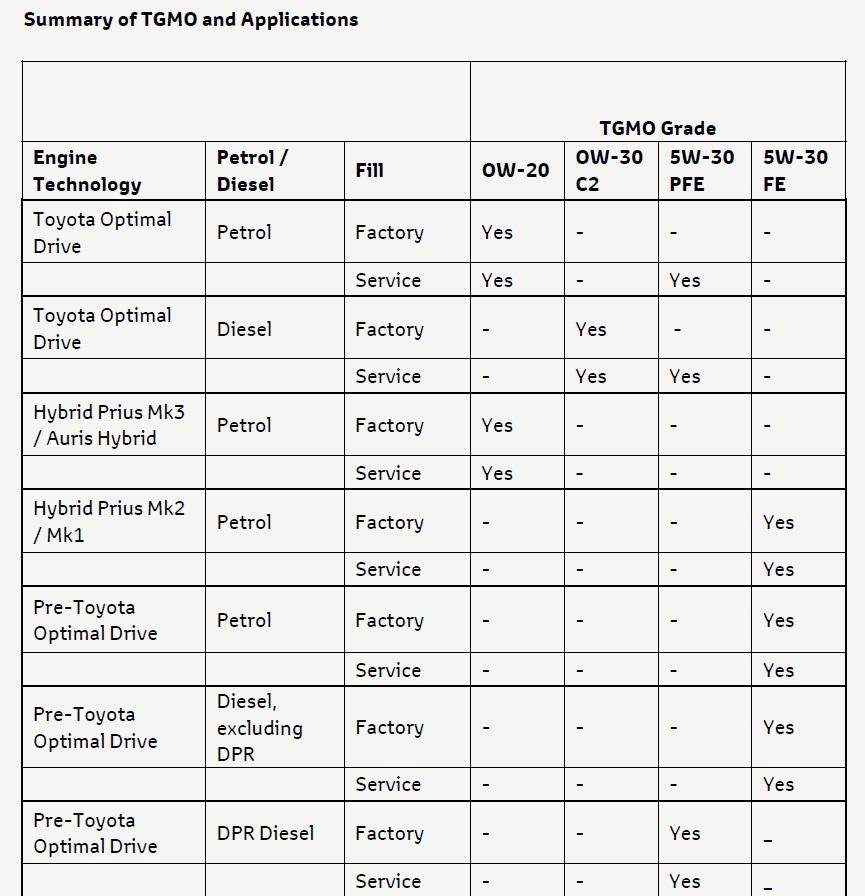
Recommended Oil Types For The Toyota Prius
Using the correct oil type is as important as the amount. Here’s what Toyota recommends for most Prius models:
- Viscosity: SAE 0W-20 synthetic (for most models since 2010)
- Older Models: Some early Priuses may allow 5W-30, but 0W-20 is now recommended by Toyota for backward compatibility.
Why synthetic oil? It flows better at low temperatures, resists breakdown, and gives better protection for start-stop hybrid engines.
What If You Use The Wrong Oil?
If you use oil that’s too thick (higher numbers), your Prius may become less efficient. Thinner oil than recommended can cause poor protection and more wear. Always use what Toyota recommends.
How Often Should You Change Prius Oil?
Toyota recommends changing the oil and filter every 10,000 miles or 12 months, whichever comes first, for most modern Prius models. Some mechanics suggest every 5,000 miles if you drive in very hot, cold, or dusty areas.
Prius Oil Change Intervals By Generation
Here’s a quick look at typical oil change intervals for different Prius models:
| Pruis Generation | Recommended Interval | Notes |
|---|---|---|
| 1st Gen (1997–2003) | 5,000 miles / 6 months | Conventional or synthetic oil |
| 2nd Gen (2004–2009) | 5,000 miles / 6 months | Can use synthetic |
| 3rd Gen (2010–2015) | 10,000 miles / 12 months | 0W-20 synthetic only |
| 4th Gen (2016–Present) | 10,000 miles / 12 months | 0W-20 synthetic only |
Non-obvious insight: Even if you don’t drive much, change the oil at least once a year. Short drives and start-stop traffic put stress on hybrid engines.
Step-by-step Prius Oil Change Guide
Changing your Prius’s oil isn’t as hard as you might think. Here’s how you can do it yourself, safely.
Tools And Materials You Need
- Correct amount of oil (see tables above)
- Oil filter (check your model)
- Oil drain pan
- Wrench (for oil drain plug)
- Funnel
- Gloves and rags
- Jack and jack stands (if needed for ground clearance)
Steps
- Warm Up the Engine: Run your Prius for a few minutes to thin the oil (not too hot).
- Lift the Car (if needed): Use jack stands to raise the front for easier access.
- Remove the Drain Plug: Place the oil pan under the plug, use a wrench to loosen, and let the old oil drain out.
- Change the Oil Filter: Unscrew the old filter. Coat the new filter’s rubber seal with a little fresh oil before installing.
- Replace Plug and Filter: Tighten the drain plug and install the new filter.
- Add New Oil: Pour in about 90% of the total capacity, then check the dipstick and add more if needed.
- Run the Engine: Let it idle for a minute. Check for leaks under the car.
- Check Level Again: Wait a few minutes, then check and top up if necessary.
Important Tips
- Don’t overfill. It’s safer to add a bit less, then slowly top up.
- Dispose of old oil properly at a recycling center.
Common mistake: Forgetting to replace the oil filter or the drain plug washer. This can cause leaks.
Prius Oil Filter: What You Need To Know
The oil filter is just as important as the oil itself. It removes dirt, metal bits, and other impurities.
- Replace the filter every oil change (not just every other).
- Use a quality filter designed for your Prius model.
- Some Prius models use a cartridge-style filter, while others use a spin-on type. Check before buying.
A poor-quality or dirty filter can cause low oil pressure or let dirt into your engine.
Can You Use Additives In Prius Oil?
Some drivers ask if they should use oil additives for better performance or cleaning. Toyota does not recommend extra additives for the Prius. Modern synthetic oils already contain all the chemicals needed for protection. Additives can sometimes do more harm than good, especially in hybrid engines with tight tolerances.
Credit: www.motivxtools.com
Special Considerations For High-mileage Prius Models
If your Prius has over 150,000 miles, you might notice oil consumption goes up. This is common as engines age.
- Check your oil level more often between changes.
- If you need to top up frequently, talk to a trusted mechanic. Sometimes, using a “high mileage” synthetic oil is acceptable, but always check Toyota’s advice first.
- Burning more oil does not mean you should add extra above the recommended capacity. Only add enough to keep it in the safe range.
Signs Your Prius Needs An Oil Change
Don’t wait for the warning light. Watch for these signs:
- Engine runs louder or rougher than normal
- Oil is dark and thick
- “Maintenance Required” light comes on
- Drop in fuel economy
- Unusual engine smells
If you see any of these, check your oil level and condition right away.
What Happens If You Overfill Or Underfill Prius Oil?
Overfilling your Prius oil can cause foaming, leaks, and even damage the catalytic converter. The engine may burn oil or run poorly.
Underfilling can lead to overheating, metal wear, and eventually engine failure.
Non-obvious detail: Even a small overfill can affect hybrid engines. Prius engines are designed to use every drop of oil efficiently, so always check with the dipstick after filling.
Do Different Climates Change Oil Needs?
If you drive your Prius in a very hot or cold area, you might wonder if you need a different oil or amount.
- Cold climates: 0W-20 is best for easy starts.
- Hot climates: Modern synthetic oils are stable in high heat, so no change is needed.
- Dusty areas: You may need to change oil and filter more often, but not use more oil.
Toyota recommends sticking to the official oil type and capacity, no matter the climate.
How To Read Your Prius Owner’s Manual For Oil Info
Your Prius owner’s manual is the best place for oil information. Look for the “Specifications” or “Maintenance” section.
- Find the exact engine type for your model year.
- Check for any notes about oil viscosity, capacity with/without filter, and change intervals.
- Some manuals show both liters and quarts—double-check units to avoid mistakes.
Prius Oil Capacity And Dealership Service
If you take your Prius to a dealer or service center, ask how much oil they put in. Sometimes, shops round up or add too much. It’s your right to confirm the correct amount is used. Bring your owner’s manual or point out the capacity if you’re unsure.

Credit: www.amsoil.com
Prius Oil Capacity Versus Other Hybrids
How does the Prius compare to other popular hybrids? Here’s a quick look:
| Hybrid Car | Engine Size | Oil Capacity |
|---|---|---|
| Toyota Prius (3rd/4th Gen) | 1.8L | 4.2 L (4.4 qt) |
| Honda Insight (2019+) | 1.5L | 3.6 L (3.8 qt) |
| Hyundai Ioniq Hybrid | 1.6L | 3.8 L (4.0 qt) |
| Ford Fusion Hybrid | 2.0L | 4.3 L (4.5 qt) |
The Prius uses a moderate amount of oil for its engine size, balancing efficiency and protection.
Common Prius Oil Capacity Myths
You might hear a few myths about Prius oil needs. Here’s the truth:
- “You can add more oil for safety.” False. Only fill to the recommended level.
- “Hybrid engines don’t need oil changes as often.” Also false. While they run less, the oil still ages.
- “Synthetic oil is optional.” For newer models, synthetic is required.
- “All Prius models use the same oil.” Not always. Check your specific model and year.
Practical Tips For Prius Owners
- Always keep a small bottle of 0W-20 oil in your trunk for emergencies.
- Check your oil level every month, especially if your Prius is older.
- Record every oil change with date, mileage, and amount of oil used. This helps if you have warranty issues later.
- If you see a drop in oil level but no leaks, your engine might be burning oil. Get it checked.
Where To Find More Information
Toyota’s official maintenance schedules and technical guides are a reliable source. For more details, see the Toyota Prius Wikipedia page.
Credit: www.toyotaownersclub.com
Frequently Asked Questions
What Happens If I Put Too Much Oil In My Prius?
Putting too much oil in your Prius can cause several problems. The oil may foam, which reduces its ability to protect the engine. It can also force seals to leak or damage the catalytic converter. Always fill only to the “Full” mark on the dipstick.
Can I Use 5w-30 Oil Instead Of 0w-20 In My Prius?
For most modern Prius models, Toyota recommends 0W-20 synthetic oil. 5W-30 might be allowed in older models (check your manual), but it is less efficient and can cause increased wear. Stick to 0W-20 for best results.
How Do I Know If My Prius Is Low On Oil?
Check your oil level regularly using the dipstick. If it falls below the “Low” mark, add oil right away. Signs of low oil include engine noise, warning lights, and poor fuel economy.
Does The Prius Oil Capacity Include The Filter?
Yes, the listed oil capacities in this article include the oil filter. If you change the oil but not the filter (not recommended), you will need slightly less oil.
How Often Should I Check My Prius’s Oil Level?
For best results, check your Prius’s oil level at least once a month, or before long trips. Older Prius models may need more frequent checks as they age.
The Toyota Prius is a smart, efficient car—but it relies on simple maintenance for a long life. Keeping the oil at the correct capacity, using the right type, and changing it on time will help your hybrid run smoothly for many years to come.
Whether you do your own oil changes or trust a professional, being informed is the best way to protect your investment.