
The Toyota Highlander is a popular midsize SUV known for its reliability, smooth ride, and family-friendly features. Whether you own a Highlander already or are considering buying one, understanding its oil capacity is important for proper maintenance. Regular oil changes help keep your engine running well, prevent damage, and extend the life of your vehicle. But oil capacity can vary by engine type and model year—if you get it wrong, you could risk engine problems or waste money on unnecessary oil.
This guide will cover everything you need to know about Toyota Highlander oil capacity. You’ll learn the exact oil capacities for different models and engines, how to check and change oil, what types of oil are best, and practical tips that even experienced owners sometimes miss.
By the end, you’ll feel confident about your Highlander’s oil needs and avoid common mistakes that can cost you time and money.
Why Oil Capacity Matters In Your Toyota Highlander
You may wonder why oil capacity is such a big deal. The answer is simple: the right amount of oil protects your engine. Oil lubricates moving parts, helps control engine temperature, and removes dirt and tiny metal particles that build up over time. If you use too little oil, your engine may overheat or wear out faster. Too much oil can cause leaks, foam, or even engine damage.
Every engine has a designed oil capacity. For the Toyota Highlander, this number depends on the year and the engine type. Knowing the exact capacity helps you:
- Avoid overfilling or underfilling the engine
- Plan better for oil changes
- Save money by buying the right amount of oil
- Protect your engine’s health and performance
Toyota Highlander Oil Capacity By Model Year And Engine
Toyota has made the Highlander in several generations since 2001, with different engines and options. Each has a specific oil capacity. The following sections break down Highlander oil capacities by year and engine.
2001–2007 Highlander (first Generation)
The first-generation Highlander came with two main engines:
- 2.4L 4-cylinder (2AZ-FE)
- 3.3L V6 (3MZ-FE)
| Engine | Year Range | Oil Capacity (with filter) |
|---|---|---|
| 2.4L 4-cylinder | 2001–2007 | 4.5 quarts (4.3 liters) |
| 3.3L V6 | 2004–2007 | 5.0 quarts (4.7 liters) |
Note: Always check your owner’s manual to confirm your engine type and exact oil capacity.
2008–2013 Highlander (second Generation)
This generation offered more engine choices:
- 2.7L 4-cylinder (1AR-FE)
- 3.5L V6 (2GR-FE)
- Hybrid 3.3L/3.5L V6 (2GR-FXE)
| Engine | Year Range | Oil Capacity (with filter) |
|---|---|---|
| 2.7L 4-cylinder | 2009–2013 | 4.6 quarts (4.4 liters) |
| 3.5L V6 | 2008–2013 | 6.4 quarts (6.1 liters) |
| 3.3L Hybrid V6 | 2008–2010 | 5.0 quarts (4.7 liters) |
| 3.5L Hybrid V6 | 2011–2013 | 6.4 quarts (6.1 liters) |
Tip: Hybrid models often use the same or very similar oil as their non-hybrid siblings.
2014–2019 Highlander (third Generation)
In this generation, the main engines were:
- 2.7L 4-cylinder (1AR-FE)
- 3.5L V6 (2GR-FKS and 2GR-FE)
- Hybrid 3.5L V6 (2GR-FXS)
| Engine | Year Range | Oil Capacity (with filter) |
|---|---|---|
| 2.7L 4-cylinder | 2014–2016 | 4.6 quarts (4.4 liters) |
| 3.5L V6 (2GR-FE) | 2014–2016 | 6.4 quarts (6.1 liters) |
| 3.5L V6 (2GR-FKS) | 2017–2019 | 5.8 quarts (5.5 liters) |
| 3.5L Hybrid V6 | 2014–2019 | 5.7 quarts (5.4 liters) |
Insight: The 3.5L V6 engine switched to a newer design around 2017, with a slightly lower oil capacity.
2020–present Highlander (fourth Generation)
The newest Highlanders use:
- 3.5L V6 (2GR-FKS) – through 2022
- 2.4L Turbo 4-cylinder (T24A-FTS) – 2023 onward
- 2.5L Hybrid 4-cylinder (A25A-FXS)
| Engine | Year Range | Oil Capacity (with filter) |
|---|---|---|
| 3.5L V6 | 2020–2022 | 5.8 quarts (5.5 liters) |
| 2.4L Turbo | 2023–present | 5.7 quarts (5.4 liters) |
| 2.5L Hybrid | 2020–present | 4.8 quarts (4.5 liters) |
Non-obvious insight: The new 2.4L turbo engine uses less oil than the old V6, but it’s even more important not to overfill, as turbo engines are sensitive to oil level changes.
How To Check Your Toyota Highlander Oil Level
Checking your oil level seems basic, but many owners get it wrong. Here is how to check the oil in your Highlander safely and accurately:
- Park on a level surface and turn off the engine. Wait at least 5-10 minutes to let the oil settle back into the oil pan.
- Open the hood and locate the engine oil dipstick—usually bright yellow or orange.
- Pull out the dipstick and wipe it clean with a lint-free cloth or paper towel.
- Reinsert the dipstick all the way, then pull it out again.
- Look at the oil level on the end of the dipstick. There are usually markings for “Full” and “Low” or two dots/lines.
- If the oil level is between the marks, your oil is at a safe level. If it’s at or below the lower mark, add oil.
Pro tip: Always check oil with the engine cold or after it has been off for several minutes. Hot oil expands and can give a false reading.
How To Change The Oil In A Toyota Highlander
Changing your own oil can save money and help you understand your vehicle better. Here’s a step-by-step guide:
- Gather your tools and materials:
- Oil filter wrench
- Socket set
- Drain pan
- Funnel
- New oil filter (check part number)
- Engine oil (match the type and amount for your engine)
- Gloves and rags
- Warm up the engine for a few minutes. Warm oil drains faster.
- Lift the vehicle safely with a jack and jack stands if needed.
- Place the drain pan under the oil pan. Remove the drain bolt (usually 14mm) and let the old oil drain completely.
- Remove the old oil filter with the wrench. Rub a little new oil on the gasket of the new filter, then install it by hand—snug, not overtight.
- Replace the drain bolt with a new washer if needed. Tighten to the recommended torque.
- Add new oil through the oil filler cap using a funnel. Pour in slightly less than full capacity, then check the dipstick and top off as needed.
- Start the engine for 30 seconds, check for leaks, then shut off and recheck the oil level. Add more oil if necessary.
Beginner mistake: Some people forget to put the drain plug back before pouring in new oil—double-check before adding oil!
Choosing The Right Oil For Your Highlander
Not all engine oils are the same. Toyota recommends specific oil types for each Highlander engine. Here’s what matters:
- Viscosity: This is the “weight” of the oil, such as 0W-20 or 5W-30.
- Synthetic vs. Conventional: Most newer Highlanders require synthetic oil for best performance and longer intervals.
- API Certification: Look for oils with the “API” starburst or donut symbol, which means they meet Toyota’s standards.
Common Highlander Oil Types
- 0W-20: Used in most 2010 and newer Highlanders (especially hybrids and modern engines).
- 5W-30: Used in many older Highlanders, especially those before 2010.
Non-obvious insight: If you live in a very hot or cold climate, ask your mechanic if a different oil weight is better for extreme conditions.
How Often Should You Change The Oil?
Toyota’s general recommendation for most Highlanders using synthetic oil is every 10,000 miles (16,000 kilometers) or 12 months, whichever comes first. For conventional oil, it’s usually every 5,000 miles (8,000 kilometers).
However, you should change oil more often if:
- You drive in stop-and-go traffic often
- You tow heavy loads
- Your vehicle is used for short trips only (the engine doesn’t fully warm up)
- You drive in extreme hot or cold weather
Practical advice: Even with synthetic oil, check the oil condition and level every 1,000 miles. Oil can get dirty or low before the scheduled change.
Signs Your Highlander Needs An Oil Change
Sometimes, your Highlander may need an oil change sooner than planned. Watch for these warning signs:
- Oil change light or “Maintenance Required” warning on your dash
- Dark, dirty, or gritty oil on the dipstick
- Engine runs noisier than usual
- Oil smell inside the cabin
- Poor acceleration or lower fuel economy
Don’t wait for a warning light—by then, the oil may already be too old.
What Happens If You Overfill Or Underfill Oil?
Adding too much or too little oil can cause real problems. Here’s what can happen:
- Overfilling: Can lead to foaming, increased pressure, oil leaks, or damage to engine seals. In turbo engines, overfilling may damage the turbocharger.
- Underfilling: Causes poor lubrication, leading to overheating, engine wear, or even complete engine failure.
Correct action: Always add oil slowly, check the dipstick, and never exceed the “Full” mark.
Comparing Highlander Oil Capacity To Other Suvs
It helps to see how the Highlander’s oil capacity compares to similar midsize SUVs. Here’s a quick comparison:
| Model | Engine | Oil Capacity (quarts) |
|---|---|---|
| Toyota Highlander (2023) | 2.4L Turbo | 5.7 |
| Honda Pilot (2023) | 3.5L V6 | 5.7 |
| Ford Explorer (2023) | 2.3L EcoBoost | 5.7 |
| Hyundai Santa Fe (2023) | 2.5L Turbo | 5.1 |
| Nissan Pathfinder (2023) | 3.5L V6 | 5.1 |
Insight: Most midsize SUVs have oil capacities between 5 and 6 quarts, so Highlander is right in the average range.
Can You Switch Oil Types In Your Highlander?
Many Highlander owners wonder if they can use a different oil type (for example, switching from 5W-30 to 0W-20). Here’s what you need to know:
- Follow Toyota’s recommendation for your year and engine. Using a different viscosity can affect engine performance.
- If your manual says you can use either one type “temporarily,” always switch back to the recommended oil at the next change.
- Never mix synthetic and conventional oil unless you’re in an emergency.
If you switch to synthetic oil, you can usually enjoy longer oil change intervals. But always watch for leaks or oil burning, especially on older engines.
Where To Find Your Highlander’s Oil Capacity Information
The best source for your specific Highlander’s oil capacity is:
- The owner’s manual
- The label under the hood (some years)
- Toyota’s official website
You can also find reliable oil capacity charts for your model and engine at Wikipedia.
Expert tip: Don’t rely only on online forums—they can contain incorrect or outdated information.
Common Mistakes When Changing Highlander Oil
Even experienced mechanics can make mistakes. Here are errors to avoid:
- Not replacing the oil filter at every oil change.
- Using the wrong oil type or viscosity.
- Over-tightening the oil filter or drain bolt, causing leaks or damage.
- Not checking the oil level after the engine has run and cooled down.
- Forgetting to reset the maintenance light after an oil change.
Reminder: A new crush washer for the drain bolt is recommended each time to prevent leaks.

How Much Does A Highlander Oil Change Cost?
The cost of an oil change depends on several factors:
- Oil type (synthetic is more expensive)
- Filter quality
- Labor costs at your dealership or mechanic
On average:
- DIY oil change: $40–$70 (using synthetic oil and a quality filter)
- Dealership/service center: $70–$120
Saving tip: Buying oil in bulk can reduce the cost per oil change if you plan to do it yourself.
Environmental Tips For Used Oil Disposal
Used engine oil is hazardous to the environment. Don’t pour it down the drain or in the trash. Here’s what to do:
- Collect used oil in a sealed container.
- Take it to a recycling center, auto parts store, or service station that accepts used oil.
- Never mix used oil with other fluids.
Fact: One gallon of used oil can contaminate a million gallons of water.
Understanding Oil Filters For Your Highlander
The oil filter is just as important as the oil itself. It traps dirt and debris, keeping your oil clean. When choosing a filter:
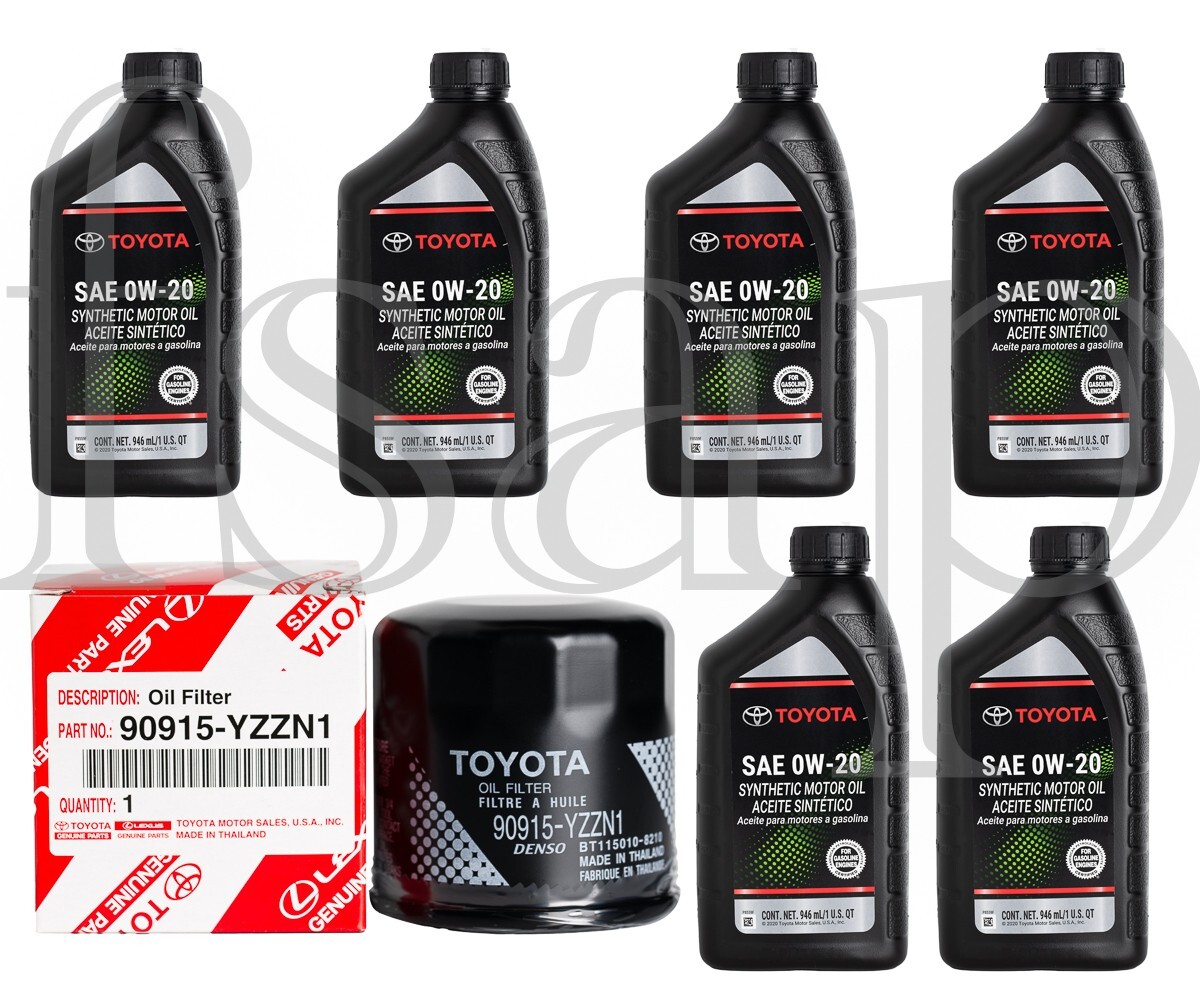
- Use a Toyota OEM filter or a reputable brand
- Check the part number for your year and engine
- Change the filter every time you change the oil
Pro insight: Cheap filters may fit, but can fail early or let dirt into your engine. Don’t risk it for a few dollars saved.
Signs Of Oil Leaks In Your Highlander
Oil leaks are not common in Highlanders but can happen, especially as your car ages. Watch for:
- Oil spots under the vehicle after parking
- Burning oil smell
- Low oil level without visible leaks
- Smoke from the engine bay
Most leaks come from the oil pan gasket, valve cover gasket, or a loose filter. Fix leaks quickly to avoid engine damage.
Oil Life Monitoring And Maintenance Reminders
Modern Highlanders have a maintenance reminder system. It counts miles driven and time between oil changes. After each oil change, reset the system:
- Turn ignition to “ON” (engine off)
- Press the trip meter button until “Trip A” appears
- Turn ignition off, then hold the trip button
- Turn the ignition to “ON” while holding the button
- Wait for zeros to appear, then release
Note: Your manual has specific instructions for your year.
Is A Highlander Hybrid Different For Oil Capacity?
Yes, Highlander Hybrids use unique engines and sometimes slightly less oil. But the process and oil types are almost the same as non-hybrids. Always double-check capacity in your manual.
Hybrid-specific tip: Hybrids may run their engines less often, so oil can age by time, not just miles. Change it at least once a year even if you drive less.
Frequently Asked Questions
What Is The Oil Capacity For A 2023 Toyota Highlander?
The 2023 Highlander with the 2.4L turbo engine takes 5.7 quarts (5.4 liters) of oil with a new filter. Always check your manual to confirm.
Can I Use 5w-30 Instead Of 0w-20 In My Highlander?
If your manual says 0W-20 is required, stick with it. Using 5W-30 can affect performance, especially in newer engines. Some older models allow 5W-30, but always return to the recommended oil at the next change.
How Do I Know If I Have Overfilled My Highlander’s Oil?
If the oil level is above the “Full” line on the dipstick, you’ve added too much. You might see smoke, leaks, or a rough-running engine. Drain excess oil immediately to prevent damage.
How Often Should I Check My Oil Level?
Check your oil at least once a month, or before long trips. If you notice leaks, check more often. This simple habit can help you catch problems early.
What Happens If I Don’t Change My Highlander’s Oil On Time?
Old oil breaks down and can’t protect your engine. This causes wear, overheating, and could lead to expensive repairs or even engine failure. Stick to the recommended interval for long engine life.
Toyota Highlander owners who pay attention to oil capacity and regular maintenance enjoy smoother driving and fewer problems. Taking time to learn these details now can save you money, frustration, and keep your SUV running strong for years to come.