
The Toyota Corolla is one of the world’s most popular cars, known for its reliability, fuel efficiency, and low maintenance cost. But even the most durable car needs regular care. One of the most important things you can do for your Corolla is to keep the right amount of engine oil in it. Many owners wonder about the Toyota Corolla 1.8 oil capacity—how much oil does the engine need, why does it matter, and what happens if you get it wrong? If you want your Corolla to run smoothly for years, understanding this topic is essential.
This guide will help you know everything about the oil capacity for the 1.8-liter Corolla engine. You’ll learn which models use this engine, the correct oil amount for each, how to check and fill oil, and common mistakes to avoid. Whether you’re a new owner or a DIY car enthusiast, you’ll find practical tips, expert insights, and answers to questions you didn’t know you had. Let’s dive into what makes the right oil capacity so important—and how to get it right every time.
Why Oil Capacity Matters For The Toyota Corolla 1.8
Every engine needs the correct amount of oil to work at its best. Oil capacity is the total volume of oil your engine needs for safe and smooth operation. For the Toyota Corolla 1.8, getting this number right is more important than many drivers realize.
If you put in too little oil, the engine may run hot, causing wear and possibly serious damage. Too much oil can create high pressure and foaming, which also hurts the engine. Both mistakes can shorten your engine’s life and lead to expensive repairs.
Another reason oil capacity matters is oil quality. Over time, oil breaks down and gathers dirt. The right amount of oil helps keep the engine parts coated and cool. It also means your oil and filter can work together to keep everything clean.
A well-maintained oil system supports better fuel economy, lower emissions, and a quieter ride. For the Toyota Corolla 1.8, this means the reliable performance drivers expect.
Toyota Corolla 1.8 Engine Overview
The 1.8-liter engine is one of Toyota’s most widely used designs. It’s famous for its balance of power and efficiency. Here’s what you need to know:
- The 1.8L engine is found in many Corolla models, especially since the late 1990s.
- It’s usually coded as 1ZZ-FE or 2ZR-FE, depending on the year and generation.
- Most versions are four-cylinder, 16-valve, and use a double overhead camshaft (DOHC).
This engine is used in models sold all over the world. Knowing your specific engine code helps you find the right oil capacity and type.
The 8 Key Items You Must Know About Toyota Corolla 1.8 Oil Capacity
Understanding oil capacity for your Corolla isn’t just about pouring oil until the dipstick looks full. Eight important factors shape how you care for your car’s oil system. Each point below is a must-know for proper maintenance.
1. Standard Oil Capacity For Different Model Years
The oil capacity for a Toyota Corolla 1.8 depends on the model year and specific engine code. Here’s a quick look at how oil capacity has changed over the years:
| Model Year | Engine Code | Oil Capacity (with filter) | Oil Capacity (without filter) |
|---|---|---|---|
| 1998–2008 | 1ZZ-FE | 4.4 quarts (4.2 liters) | 4.2 quarts (4.0 liters) |
| 2009–2013 | 2ZR-FE | 4.4 quarts (4.2 liters) | 4.2 quarts (4.0 liters) |
| 2014–2023 | 2ZR-FE | 4.4 quarts (4.2 liters) | 4.2 quarts (4.0 liters) |
| Hybrid (from 2020) | 2ZR-FXE | 3.9 quarts (3.7 liters) | 3.7 quarts (3.5 liters) |
Key insight: Most 1.8-liter Corollas use about 4.4 quarts (4.2 liters) of oil with a new filter. The small difference when not changing the filter comes from the oil left inside the old filter.
Always check your owner’s manual or the engine code under the hood for the most accurate number.
2. How To Check Oil Level Correctly
Knowing the oil capacity is important, but checking the oil level is just as crucial. Here’s a step-by-step method to check your Corolla’s oil:
- Park on level ground. Wait at least 5 minutes after turning off the engine. This lets the oil settle.
- Pull out the dipstick. Wipe it clean with a cloth.
- Insert fully. Pull it out again and look at both sides.
- Check the markings. The oil level should be between the “Low” and “Full” marks.
- Oil color and texture. Clean oil is light brown. Dark or gritty oil means it’s time for a change.
Tip: Never fill oil above the “Full” mark. If you’re near “Low,” add a little at a time and recheck.
Hidden insight: A small drop in oil level over time is normal. If you see a big drop suddenly, you may have a leak or engine problem.
3. Oil Filter’s Role In Oil Capacity
The oil filter is more important than many owners realize. It traps dirt and keeps oil clean. Each time you change oil, you should change the filter too. Why does this matter for oil capacity?
- The filter holds a small amount of oil (about 0.2 quarts or 200 ml).
- If you change oil without replacing the filter, you’ll need slightly less oil.
- Always use a quality filter that matches Toyota’s specs.
Practical example: If you add oil for a new filter but forgot to replace it, you might accidentally overfill.
Pro tip: Write down the date and mileage every time you change your oil and filter together. This helps you stick to a regular schedule.
4. Recommended Oil Type And Viscosity
Toyota recommends a specific oil type and viscosity for the Corolla 1.8. Using the wrong oil can harm your engine, even if the amount is right.
- Viscosity: Most 1.8 engines use 0W-20 or 5W-30 oil. Check your owner’s manual for the correct grade.
- Synthetic vs. Conventional: Toyota now recommends synthetic oil for most newer models.
- API Certification: Look for oils with the “API Starburst” mark.
Why viscosity matters: The number (like 0W-20) shows how oil flows at cold and hot temperatures. Thinner oils (0W-20) help with fuel economy and cold starts.
Non-obvious tip: If you live in a very hot or cold climate, you may need a different oil grade. Always follow Toyota’s advice.
5. Oil Change Intervals For Toyota Corolla 1.8
How often should you change your oil? The answer depends on your driving style, oil type, and car’s age.
- Synthetic oil: Change every 10,000 miles (16,000 km) or 12 months, whichever comes first.
- Conventional oil: Change every 5,000 miles (8,000 km) or 6 months.
- Severe conditions: Dusty roads, lots of stop-and-go driving, or short trips mean you should change oil more often—sometimes every 3,000 miles.
Older Corollas may need more frequent changes. Always check your service booklet for your car’s schedule.
Hidden insight: City driving is harder on oil than highway driving. If you make many short trips, change oil more often.
6. How To Refill Oil To The Correct Capacity
Adding oil is simple, but there are common mistakes. Here’s how to do it right:
- Remove the oil cap. It’s usually marked “Engine Oil.”
- Add oil slowly. Use a funnel to avoid spills.
- Pour in about 90% of the required amount (for example, 4 quarts if the total is 4.4 quarts).
- Wait a few minutes. Let oil settle in the engine.
- Check the dipstick. Top up if needed, but don’t overfill.
- Start the engine. Run for 1–2 minutes, then turn off and recheck the level.
- Add more oil if needed to reach the “Full” mark.
Common mistake: Pouring all the oil at once. It’s better to add less, check, and then top up.
Pro tip: Keep a small bottle of oil in your trunk for emergencies. This helps if you notice the oil light come on while driving.
7. Signs Of Incorrect Oil Level
Having the wrong amount of oil can cause several problems. Here’s what to watch for:
- Low oil: Engine noise (ticking or knocking), oil warning light, high engine temperature, or burning smell.
- High oil: White smoke from the exhaust, rough running, or oil leaks under the car.
Both conditions can cause engine damage if not fixed.
Hidden insight: If you see foam or bubbles on the dipstick, it means air is mixing with oil—often caused by too much oil or a leak in the system. This reduces oil’s ability to protect the engine.
8. Diy Oil Change Vs. Professional Service
Should you change your Corolla’s oil yourself or go to a mechanic? There are pros and cons to each:
- DIY oil change: Saves money, gives you control, and can be satisfying. But you need tools, space, and must dispose of old oil properly.
- Professional service: Fast and convenient. Mechanics check other parts of your car and handle waste oil safely. Costs more, but can catch problems early.
What beginners miss: If you do it yourself, always use a new washer for the drain plug. Reusing the old one can lead to leaks.
Tip: Keep records of all oil changes, even if you do them yourself. This helps with warranty claims and increases resale value.
Practical Examples Of Oil Change In Different Corolla Generations
The Toyota Corolla 1. 8 has gone through many generations. Here’s how oil capacity and oil change process look for three popular years.
1998–2008 Corolla (1zz-fe Engine)
- Oil capacity: 4.4 quarts (4.2 liters) with filter.
- Oil type: 5W-30 (conventional or synthetic).
- Change interval: 5,000 miles (8,000 km) or 6 months.
Owners of these models often find the drain plug and filter easy to reach. Be sure to check the condition of the oil pan gasket, as leaks can develop with age.
Non-obvious insight: If you see oil sweating around the valve cover, it’s common for older Corollas and should be fixed soon.
2009–2013 Corolla (2zr-fe Engine)
- Oil capacity: 4.4 quarts (4.2 liters) with filter.
- Oil type: 0W-20 (synthetic recommended).
- Change interval: 10,000 miles (16,000 km) or 12 months.
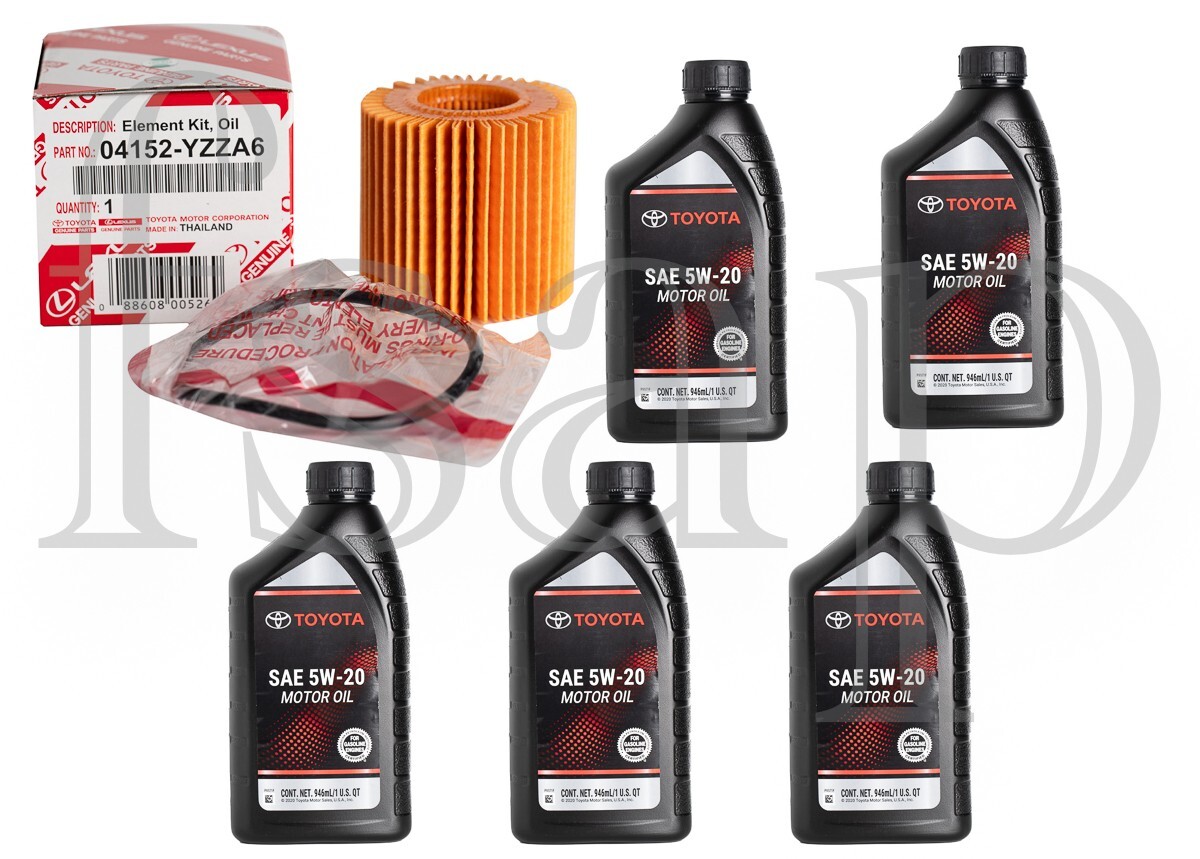
These models often use a cartridge-style oil filter, which is different from older spin-on filters. Make sure you have the right tool to remove the filter housing.
Practical tip: Always check the O-ring seal when replacing the filter. If it’s not seated properly, you’ll get leaks.
2014–2023 Corolla (2zr-fe Engine)
- Oil capacity: 4.4 quarts (4.2 liters) with filter.
- Oil type: 0W-20 (full synthetic).
- Change interval: 10,000 miles (16,000 km) or 12 months.
These newer Corollas have a plastic engine cover and improved filter access. The process is similar to the 2009–2013 models.
Hidden insight: The engine may use less oil if you mostly drive on highways. Always check the oil level at least once between changes.
Common Oil-related Mistakes Corolla Owners Make
Even experienced drivers can make errors with oil changes. Here are some common mistakes and how to avoid them:
- Not checking oil between changes. Even if your car uses little oil, always check the level every 1,000 miles.
- Using the wrong oil grade. This affects performance, especially in cold or hot weather.
- Over-tightening the oil filter or drain plug. This can strip threads or break the oil pan, leading to expensive repairs.
- Forgetting to change the oil filter. Old filters can clog, causing dirty oil to circulate.
- Not replacing the drain plug washer. This tiny part prevents leaks.
- Pouring in oil too quickly. Oil needs time to flow to the oil pan. Pour slowly and check the level.
- Ignoring the owner’s manual. Always check Toyota’s recommendations for your exact model and year.
Advanced tip: Use an oil catch pan with volume markings. This helps you see how much old oil you removed and if it matches the expected amount. If you drain much less oil than expected, you may have sludge inside the engine.
How Weather And Driving Conditions Affect Oil Capacity
You might think oil capacity is fixed, but weather and driving habits can have a small effect. For example:
- Extreme cold: Oil becomes thicker, and the engine needs the correct viscosity to flow well at startup. Always use the recommended grade.
- Hot weather or towing: The engine runs hotter and may burn a little more oil. Check oil more often in these conditions.
Non-obvious insight: If you drive short distances regularly, water and fuel can mix with the oil, making it less effective. This does not change capacity but means you should change oil more often.
Comparing Toyota Corolla 1.8 Oil Capacity With Other Similar Cars
To see how the Corolla stacks up, here’s a comparison with other popular compact sedans:
| Car Model | Engine Size | Oil Capacity (with filter) |
|---|---|---|
| Toyota Corolla 1.8 | 1.8L | 4.4 quarts (4.2 L) |
| Honda Civic 1.8 | 1.8L | 3.9 quarts (3.7 L) |
| Hyundai Elantra 2.0 | 2.0L | 4.2 quarts (4.0 L) |
| Mazda 3 2.0 | 2.0L | 4.4 quarts (4.2 L) |
Insight: The Corolla’s oil capacity is very similar to its main rivals, but slightly more than the Honda Civic 1.8L. This helps with longer oil change intervals and engine durability.
What Happens If You Overfill Or Underfill Oil?
Both overfilling and underfilling can damage your engine. Here’s what happens:
- Overfilling: Too much oil creates foam, which means less effective lubrication. It can also damage seals and cause leaks. In some cases, it leads to high pressure and engine failure.
- Underfilling: Not enough oil means some engine parts are unprotected, causing heat and wear. This can ruin the engine quickly.
Practical advice: If you overfill by a small amount (less than 0.2 quarts), you can usually drain some oil using the drain plug. If you underfill, simply add more.
Hidden risk: If the oil warning light comes on while driving, stop as soon as it’s safe. Driving without enough oil can destroy the engine in minutes.

How To Choose The Best Oil For Your Corolla 1.8
There are many brands and types of oil. Here’s what really matters when choosing:
- Viscosity: Always match Toyota’s recommended grade, usually 0W-20 or 5W-30.
- Synthetic vs. Conventional: Synthetic lasts longer and protects better, especially in extreme temperatures.
- Brand: Well-known brands like Mobil 1, Castrol, and Toyota Genuine Motor Oil are all good choices.
- Certification: Look for the API Starburst or ILSAC GF-5 badge.
- Additives: Some oils have additives for cleaning or high-mileage engines. Only use these if Toyota approves.
Pro tip: For new Corollas, use synthetic oil to keep your warranty valid.
How To Dispose Of Old Engine Oil Safely
Changing your own oil means you’ll have used oil to get rid of. Here’s how to do it safely:
- Collect oil in a sealed container.
- Take it to a recycling center, auto shop, or hazardous waste facility.
- Never pour oil down the drain or on the ground.
Used oil can pollute water and soil, and it’s illegal to dump it. Many auto parts stores will accept it for free.
Hidden insight: Used oil filters can also be recycled. Drain them upside down for at least 24 hours before disposal.
How To Read The Oil Dipstick Correctly
Reading the dipstick sounds easy, but small mistakes can give you a wrong impression. Here’s the right way:
- Pull out the dipstick and wipe it clean.
- Insert fully, then remove and check both sides.
- Look for the oil line between “Low” and “Full.” If the oil is below “Low,” add oil immediately.
- Oil should be light brown and clear. If it’s black, gritty, or smells burnt, change it soon.
Pro tip: Check oil after the engine cools down for the most accurate reading.
How Toyota Corolla 1.8 Oil Capacity Has Evolved
Over the years, the Corolla’s engine design has changed. The oil capacity has stayed around 4. 4 quarts, but newer engines are more efficient and need oil changes less often.
- Older engines (pre-2008): Used conventional oil and shorter change intervals.
- Modern engines (2009 and up): Use synthetic oil, longer intervals, and sometimes slightly smaller oil pans for better fuel economy.
Non-obvious trend: As emissions regulations get stricter, Toyota has adjusted oil recommendations to keep engines clean and efficient.
How Oil Capacity Affects Engine Life And Warranty
Using the correct oil capacity protects your engine. If you skip changes or use the wrong amount, you risk:
- Voiding your warranty: Toyota can deny engine repairs if you don’t follow maintenance rules.
- Shorter engine life: Sludge, wear, and overheating all happen faster with the wrong oil amount.
- Lower resale value: A well-documented service history helps you get a better price when selling your Corolla.
Pro tip: Always keep receipts and records of oil changes, even if you do them yourself.
Maintenance Records And Oil Capacity
Good records are your friend. Write down:
- Date and mileage of every oil change.
- Brand, type, and amount of oil used.
- Filter part number.
If you sell your car, these records show you cared for your Corolla—and buyers will pay more.

When To Seek Professional Help
Sometimes, DIY isn’t enough. If you notice:
- Leaks under your car.
- Oil level drops quickly.
- Strange engine noises or smoke.
- Trouble with the oil filter or drain plug.
It’s time to visit a mechanic. Early help can prevent big problems.
Where To Find Official Information
Always check your owner’s manual or look for a label under the hood. If you’ve lost your manual, you can find it on the official Toyota Owners Website.
Frequently Asked Questions
What Is The Exact Oil Capacity For A 2018 Toyota Corolla 1.8?
The 2018 Toyota Corolla 1.8 uses about 4.4 quarts (4.2 liters) of oil with a new filter. If you do not change the filter, use about 4.2 quarts (4.0 liters). Always check the dipstick after filling.
Can I Use 5w-30 Oil Instead Of 0w-20 In My Corolla 1.8?
For most modern Corollas (2009 and newer), 0W-20 synthetic is recommended. If 0W-20 is not available, 5W-30 can be used temporarily, but return to 0W-20 at the next oil change. Always follow Toyota’s advice.
How Often Should I Check My Oil Level?
Check your oil at least once a month or before long trips. If you notice oil spots on the ground, check more often. Regular checks help you spot leaks or problems early.
What Happens If I Overfill The Oil In My Corolla 1.8?
Too much oil can cause foaming, leaks, and engine damage. If you realize you’ve overfilled, drain some oil until the level is correct. Never drive with a high oil level.
Does The Oil Filter Affect Oil Capacity?
Yes. A new oil filter holds about 0.2 quarts (200 ml) of oil. If you change oil but not the filter, use less oil. Always check the dipstick after changing oil and filter.
Taking care of your Toyota Corolla 1.8’s oil capacity is one of the best things you can do for your car. It’s a simple task, but it keeps your engine healthy, improves fuel economy, and saves you money on repairs. With the right oil and regular checks, your Corolla will serve you well for many years.