
The Chevrolet Tahoe has become a favorite for families, adventurers, and anyone needing a strong, reliable SUV. One key part of Tahoe ownership is knowing how much oil your SUV needs. The Tahoe oil capacity is not just a number in your manual—it’s crucial for engine health, performance, and even fuel economy. Many people change their oil or top up without fully understanding the right amount, the effects of overfilling or underfilling, or how Tahoe oil capacity has changed over the years.
This article explores everything you need to know about Tahoe oil capacity. Whether you drive a brand-new Tahoe or an older model, you’ll find clear answers, data, and tips. You’ll learn about each generation’s requirements, common mistakes, how to check and change oil, and how oil capacity connects to real-world driving. Let’s dig into the details that keep your Tahoe running smoothly for years.
Why Oil Capacity Matters For The Tahoe
Every engine relies on the right amount of oil. For the Tahoe, oil lubricates the moving parts, cools the engine, and carries away dirt and metal. Too little oil means parts rub together, causing wear and overheating. Too much oil can foam, lose its protective ability, and even cause leaks or damage.
Tahoe oil capacity is set by the engineers based on the engine’s size, design, and expected use. Using the correct oil amount ensures:
- Maximum engine life
- Best fuel economy
- Smooth, quiet operation
- Fewer breakdowns
Ignoring oil capacity can turn a small mistake into a big repair bill. Even if your oil is only a quart low, it can reduce lubrication to critical parts. Over many miles, that small shortage can create extra friction, heat, and ultimately lead to engine failure.
On the other hand, overfilling by just half a quart can cause the crankshaft to whip air into the oil, which weakens its ability to protect engine parts.
Another important point is that modern Tahoes have more sensors and tighter tolerances than older models. The right oil level is even more important now, because electronic systems monitor oil pressure and quality. If the level is off, these systems might trigger warning lights or even limit engine power to protect the vehicle.
Chevrolet Tahoe Oil Capacity By Model Year
Tahoe engines have changed a lot since the 1990s. Oil capacity is different for each generation, engine type, and sometimes even for 2WD vs. 4WD models. Here’s a detailed look at oil capacities for all major Tahoe generations and engines.
1st Generation Tahoe (1995–1999)
The first Tahoes used mainly V8 engines, including the 5. 7L V8.
| Model Year | Engine | Oil Capacity (with filter) |
|---|---|---|
| 1995–1999 | 5.7L V8 | 5.0 quarts (4.7 liters) |
Most owners used 5W-30 oil for these engines, but always check your manual. In hotter climates or for heavy towing, some drivers switched to 10W-30 for slightly thicker protection. These older engines are more forgiving if you’re a little over or under, but it’s still best to stay as close as possible to the correct amount.
2nd Generation Tahoe (2000–2006)
This generation offered more engine choices, including the 4. 8L, 5. 3L, and 6. 0L V8s.
| Model Year | Engine | Oil Capacity (with filter) |
|---|---|---|
| 2000–2006 | 4.8L V8 | 6.0 quarts (5.7 liters) |
| 2000–2006 | 5.3L V8 | 6.0 quarts (5.7 liters) |
| 2000–2006 | 6.0L V8 | 6.0 quarts (5.7 liters) |
Some 6. 0L models, especially in performance trims, may need a little more oil. Always double-check your VIN-specific manual. Small differences in oil pan design or filter size are possible. For example, Z71 or Police Package Tahoes sometimes use slightly different hardware.
3rd Generation Tahoe (2007–2014)
The 3rd generation Tahoe continued with V8 engines, but added technologies like Active Fuel Management.
| Model Year | Engine | Oil Capacity (with filter) |
|---|---|---|
| 2007–2014 | 4.8L V8 | 6.0 quarts (5.7 liters) |
| 2007–2014 | 5.3L V8 | 6.0 quarts (5.7 liters) |
| 2007–2014 | 6.2L V8 | 8.0 quarts (7.6 liters) |
The 6. 2L engine is the outlier here—it needs significantly more oil than the smaller V8s. If you have a Tahoe with this engine, it’s easy to accidentally underfill if you’re used to the lower numbers.
4th Generation Tahoe (2015–2020)
This era brought new engines and more advanced systems. Both the popular 5. 3L and 6. 2L V8s continued.
| Model Year | Engine | Oil Capacity (with filter) |
|---|---|---|
| 2015–2020 | 5.3L V8 | 8.0 quarts (7.6 liters) |
| 2015–2020 | 6.2L V8 | 8.0 quarts (7.6 liters) |
Both main engines now use the same oil capacity. These engines run best on high-quality synthetic 0W-20 or 5W-20 oil. Using synthetic oil is not just about better performance—it also helps the engine last longer by protecting during cold starts and high heat, especially important for vehicles used in extreme climates.
5th Generation Tahoe (2021–present)
The newest Tahoe offers three engine choices: a 5.3L V8, a 6.2L V8, and a 3.0L Duramax diesel.
| Model Year | Engine | Oil Capacity (with filter) |
|---|---|---|
| 2021–Present | 5.3L V8 | 8.0 quarts (7.6 liters) |
| 2021–Present | 6.2L V8 | 8.0 quarts (7.6 liters) |
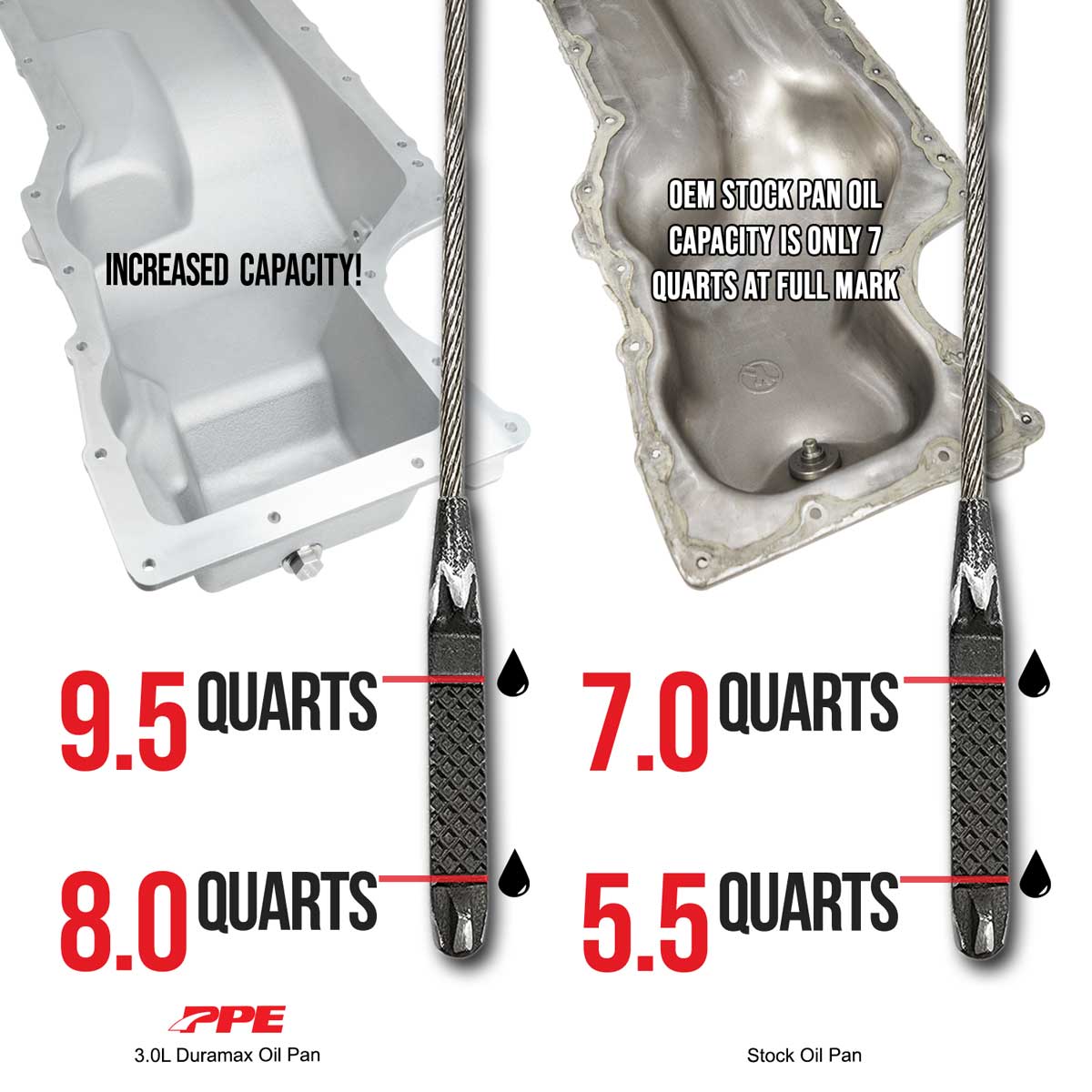
| 2021–Present | 3.0L Duramax I6 Diesel | 7.0 quarts (6.6 liters) |
The diesel engine uses less oil but requires diesel-specific oil (often 5W-30 or 0W-20, depending on climate). Always choose oil that meets GM dexosD or similar diesel specifications, as regular gasoline engine oil can cause problems with modern diesel emission systems.
How To Check And Change Tahoe Oil
Knowing your Tahoe oil capacity is only helpful if you know how to use it. Checking and changing your oil is simple, but there are some key steps to get it right.
Checking The Oil Level
- Warm up the engine for a few minutes, then turn it off and wait 5–10 minutes. This lets oil drain back into the pan.
- Open the hood and find the dipstick (usually marked in yellow).
- Pull out the dipstick, wipe it clean, reinsert fully, then pull it out again.
- Check the oil mark. It should be between the “MIN” and “MAX” lines.
- If the oil is below “MIN,” add oil in small amounts—never overfill.
When checking oil, make sure the Tahoe is on level ground. If it’s parked on a hill or slope, the reading can be inaccurate. Also, look at the color and texture of the oil. Fresh oil is amber and smooth; dark, gritty oil means it’s time for a change.
If you see milky or foamy oil, that can mean coolant is leaking into the engine, which is a serious issue.
Changing The Oil
- Gather supplies: The correct oil (see tables above), a new oil filter, a drain pan, a wrench, and gloves.
- Lift the Tahoe with ramps or a jack. Always use safety stands.
- Remove the drain plug (under the engine) and let oil drain completely.
- Replace the oil filter. Old filters can hold dirty oil.
- Put the drain plug back and tighten securely.
- Add new oil up to the recommended capacity.
- Run the engine for 1–2 minutes, then check the level again. Top up if needed.
Tip: Dispose of used oil responsibly. Most auto shops take used oil for free.
If you’re changing oil at home, it helps to write down the mileage and date. This makes it easy to remember when your next oil change is due. Also, before you start, make sure you have a funnel and rags nearby.
Oil spills can be slippery and hard to clean.
Common Mistakes To Avoid
- Not replacing the oil filter: This leaves old, dirty oil in the engine.
- Overfilling: Too much oil can cause leaks or engine damage.
- Using the wrong oil type: Modern Tahoes need synthetic oil; older models may need conventional or high-mileage blends.
- Ignoring the oil life monitor: Most new Tahoes have a digital oil life system. Reset it after every change.
Another common mistake is tightening the oil filter or drain plug too much. Over-tightening can strip threads or damage the oil pan. Always follow torque recommendations in your manual.
Tahoe Oil Capacity Vs. Other Suvs
How does the Tahoe compare with other large SUVs? Here’s a quick comparison with some popular full-size rivals.
| Model | Engine | Oil Capacity (with filter) |
|---|---|---|
| Chevrolet Tahoe (2021+) | 5.3L / 6.2L V8 | 8.0 quarts |
| Ford Expedition | 3.5L EcoBoost V6 | 6.0 quarts |
| Toyota Sequoia | 5.7L V8 | 7.4 quarts |
| Nissan Armada | 5.6L V8 | 6.9 quarts |
| GMC Yukon | 5.3L / 6.2L V8 | 8.0 quarts |
The Tahoe’s 8.0-quart oil capacity is one of the highest in its class. This means the engine can run cooler and cleaner between changes, but also means higher oil costs. For drivers who do a lot of towing or off-roading, the extra oil is an advantage—it helps keep temperatures stable under heavy loads and reduces the risk of oil breakdown.

What Affects Tahoe Oil Capacity?
Some drivers wonder why oil capacity changes, even for the same engine size. There are a few reasons:
- Oil pan design: Some years have a deeper or larger oil pan.
- Filter size: Bigger filters hold more oil.
- Engine cooling needs: Towing, high-power engines, or turbocharging can require more oil.
- Emissions systems: Modern engines may need more oil for better emissions control.
Insight: Even a small change—like switching to a larger oil filter—can slightly increase your total oil capacity.
Some models with heavy-duty towing packages or police use may have extra coolers or a different oil pan. If your Tahoe was ordered for fleet, off-road, or special use, double-check the specs, as these can add up to a quart more oil compared to the standard setup.
Signs Your Tahoe Oil Level Is Wrong
Many people only check oil at set intervals, but your Tahoe may warn you if the oil level is wrong:
- Warning lights: Modern Tahoes have oil level and oil pressure warnings.
- Ticking or knocking sounds: Low oil means poor lubrication.
- Excess smoke: Too much oil can burn and create blue or gray exhaust.
- Oil leaks: Overfilled oil can blow seals or gaskets.
If you notice these signs, stop and check your oil before driving further.
Another clue can be oil smell inside the cabin or visible oil under the vehicle. If you notice frequent drops in oil level with no leaks, your engine might be burning oil—a common issue in high-mileage vehicles, especially if the piston rings or valve seals are worn.

Oil Change Intervals And Their Impact On Capacity
The Tahoe’s oil change schedule depends on the model year, engine, and oil type.
- Older Tahoes (pre-2007): Every 3,000–5,000 miles (4,800–8,000 km) with conventional oil.
- Newer Tahoes (2007+): Every 7,500–10,000 miles (12,000–16,000 km) with synthetic oil, or as shown by the oil life monitor.
Longer intervals mean more oil is needed. Modern engines with higher oil capacity can go farther between changes without oil breakdown.
Insight: If you tow, drive in extreme heat/cold, or in dusty conditions, change oil more often—even if the oil life monitor says it’s OK.
Some Tahoe owners choose to change oil more often than recommended for peace of mind, especially if they do a lot of short trips, which cause more engine wear. Short trips do not allow the oil to get hot enough to burn off moisture and contaminants, leading to faster oil breakdown.
What Oil Type Should You Use?
Choosing the right oil is as important as the right amount. Tahoe engines are built for specific oil types:
- 1995–2014 models: Often use 5W-30 or 10W-30 (conventional or synthetic).
- 2015–present: Require full synthetic 0W-20 or 5W-20.
- Diesel Tahoe: Needs diesel-rated synthetic (often 5W-30 or 0W-20).
Always check your owner’s manual or under-hood label. Using the wrong oil type can reduce engine life or void your warranty.
For example, some oils have additives for cleaning or protecting seals, which may help with older engines. For cold climates, 0W-rated oils flow faster at start-up, reducing wear. For hot climates or heavy towing, a slightly higher viscosity might offer better protection, but only if allowed by the manual.
How To Top Up Tahoe Oil Safely
If your oil is a little low, topping up is easy:
- Add oil in small amounts (a quarter quart/liter at a time).
- Wait a few minutes, then recheck with the dipstick.
- Stop when the oil reaches the “MAX” line—never overfill.
Pro tip: Keep a small bottle of your oil type in the trunk, especially for road trips.
If you spill oil while topping up, clean it up right away. Oil on engine parts or belts can cause smells or even damage rubber parts over time. If you’re unsure about the oil type, double-check before adding—mixing different oil types isn’t ideal, but topping up a little is better than running low until your next full change.
High-mileage Tahoes: Does Oil Capacity Change?
If your Tahoe has over 100,000 miles (160,000 km), you may wonder if oil needs change. Usually, the oil capacity stays the same. But high-mileage engines might:
- Burn a little oil between changes
- Leak slightly around seals or gaskets
Some owners switch to high-mileage oil, which has seal conditioners and additives for older engines. Still, always add the same total capacity.
As engines age, internal clearances can increase slightly, causing more oil consumption. If you notice you’re adding oil often, check for leaks at the oil pan gasket, valve covers, or rear main seal. Regular inspections can help prevent bigger problems.
Diy Vs. Shop Oil Changes: Cost And Results
Should you change your Tahoe’s oil at home or go to a professional?
DIY Oil Change:
- Cost: $35–$70 (oil and filter)
- Takes 30–60 minutes
- Lets you inspect for leaks or problems
- You can use your favorite oil and filter
Professional Shop:
- Cost: $60–$120 (depends on oil type and region)
- Takes 30–45 minutes (you wait)
- Includes oil life monitor reset and inspection
- Often includes fluid top-up and tire rotation
Important: Some quick-lube shops may use the wrong oil or overfill/underfill. Always double-check the work.
Changing your own oil means you know exactly what goes into your engine. It’s also a chance to inspect belts, hoses, and tires. However, if you’re not comfortable with tools or don’t have a safe place to work, a shop visit may be best.
Ask the shop to show you the oil jug and filter before they start—this helps avoid mistakes.
How To Reset The Tahoe Oil Life Monitor
Most 2007+ Tahoes have a digital oil life system. After every oil change, reset it:
- Turn ignition to “ON,” without starting.
- Press the gas pedal fully three times within 5 seconds.
- The oil life should reset to 100%.
Some new models use the touchscreen—check your manual for the exact steps.
If the oil life monitor isn’t reset, it may remind you for an oil change too soon or too late. Keeping it accurate helps you stay on schedule and can help with warranty claims if needed.
Environmental Tips: Dispose Oil Responsibly
Used oil is harmful to the environment. Never pour it down the drain, on the ground, or in the trash. Instead:
- Collect oil in a sealed container.
- Take it to an auto shop, recycling center, or hazardous waste site.
- Many stores recycle oil for free.
One gallon of used oil can pollute one million gallons of water. Always recycle!
Also, never mix used oil with antifreeze, brake fluid, or other chemicals. This can make recycling impossible and increase the risk of pollution. Always store used oil in a leak-proof container until you can recycle it.
Non-obvious Insights For Tahoe Owners
- Oil filter brand and size affect total capacity: Some aftermarket filters are slightly larger or smaller than OEM, changing the amount of oil you need. Always check after adding oil—don’t rely just on the published number.
- Coolant leaks can affect oil checks: If your engine is losing coolant and mixing with oil (common in high-mileage Tahoes), the dipstick may show too much oil. This is a sign of bigger engine problems—don’t just drain some oil and keep driving.
- Remote start and oil checks: If you use remote start often, the engine may run more at idle. This can burn oil faster. Check your oil more often, especially in winter.
- Aftermarket oil pans: Some off-road or performance Tahoes have larger oil pans for extra cooling. These require more oil—always check your build specs.
A bonus tip: If you park on a slope, your oil level reading can be inaccurate. Always check on flat ground for the best results.
Frequently Asked Questions
How Do I Know The Correct Oil Capacity For My Tahoe?
The best source is your owner’s manual or the under-hood sticker. For most recent Tahoes (2015+), the 5.3L and 6.2L V8s use 8.0 quarts (7.6 liters), and the 3.0L diesel uses 7.0 quarts (6.6 liters). Always check based on your exact engine and model year.
If you buy your Tahoe used and don’t have the manual, check the VIN and search for engine details online or visit a Chevrolet dealer.
What Happens If I Put Too Much Oil In My Tahoe?
Overfilling can cause high pressure, leading to leaks, oil burning, or engine damage. The oil can foam, lose its lubricating properties, and even damage sensors or the catalytic converter. If you overfill, drain the extra oil immediately.
If you notice white smoke, hard starting, or a strong oil smell after an oil change, double-check the level as soon as possible.
How Often Should I Check My Tahoe’s Oil?
Check the oil at least once a month, or before and after long trips or towing. If your Tahoe is high-mileage or burns oil, check every two weeks. Always check after an oil change to ensure proper fill.
Regular checks catch leaks early and give you peace of mind, especially before road trips or during seasonal changes.
Can I Use Synthetic Oil In An Older Tahoe?
Yes, synthetic oil is safe for most older Tahoes and offers better protection, especially in extreme temperatures. However, use the viscosity grade recommended for your engine (often 5W-30 or 10W-30). If the engine leaks, high-mileage synthetic oil may help.
Switching to synthetic may even reduce engine deposits and help with cold starts.
Where Can I Find Official Information About Tahoe Oil Capacity?
You can find official oil capacities and recommendations in your owner’s manual, or check the Chevrolet official site. For further details and technical data, visit Wikipedia.
Tahoe oil capacity is more than just a number—it’s the key to a healthy, long-lasting engine. By understanding the correct amount, how to check and change it, and why it matters, you can enjoy reliable performance and avoid expensive mistakes.
Take the time to check your oil regularly, use the right type and amount, and your Tahoe will reward you with years of dependable service.