
Vanguard Engine Oil Capacity: A Complete Guide
When you own or maintain equipment powered by Vanguard engines, you quickly learn how important oil is for performance and engine life. Using the right amount and type of oil can mean the difference between smooth operation and expensive repairs. But what is the exact Vanguard engine oil capacity for your model? Why does it matter so much? And what are the practical steps to check, change, and top up oil safely? This guide will walk you through every essential detail, so you can keep your Vanguard engine running strong for years.
Whether you’re a landscaper using commercial mowers, a contractor relying on portable generators, or a homeowner with a ride-on mower, this article is for you. We will explain everything in clear, simple English, with examples, tips, and real-life advice. You will also find tables comparing oil capacities for popular Vanguard engines, answers to common questions, and expert suggestions to avoid costly mistakes.
Let’s get started on understanding Vanguard engine oil capacity and why it matters for every owner.
Why Oil Capacity Matters For Vanguard Engines
Oil capacity is more than just a technical number in your manual. It’s a key factor that affects engine cooling, lubrication, and protection. If you use too little oil, the engine can overheat or wear out faster. Too much oil can cause foaming, leaks, or even damage internal parts.
Vanguard engines are known for their durability and power in tough conditions. But even the best engines need the correct oil amount to:
- Maintain the right temperature under heavy load
- Reduce friction between moving parts
- Prevent buildup of harmful deposits
- Protect against rust and corrosion
If you don’t use the right oil capacity, you risk voiding the warranty and facing expensive repairs. That’s why checking the oil level regularly and understanding your engine’s specific needs is so important.
How To Find Your Vanguard Engine’s Oil Capacity
You might think all Vanguard engines use the same amount of oil, but this is not true. The oil capacity can vary by model, engine size, year, and even optional accessories like oil filters or coolers.
Here are the main ways to find the correct oil capacity:
- Owner’s Manual: The most reliable source. Every Vanguard engine manual lists the oil capacity, usually in liters or quarts.
- Manufacturer Website: Briggs & Stratton, the maker of Vanguard engines, provides detailed specs for each model.
- Engine Label: Many engines have a sticker or plate near the oil fill cap showing the recommended oil amount.
- Dealership or Service Center: If you’re unsure, an authorized dealer can provide the correct information.
Never guess or “top off” based only on what you think is right. Always use an accurate source.
Oil Capacity Chart For Popular Vanguard Engines
To help you get started, here’s a comparison of oil capacities for some of the most common Vanguard engines used in commercial and residential equipment.
| Vanguard Engine Model | Displacement (cc) | Oil Capacity (without filter) | Oil Capacity (with filter) |
|---|---|---|---|
| Vanguard 6.5HP (200) | 203 | 0.6L (20 oz) | 0.6L (20 oz) |
| Vanguard 8.0HP (240) | 232 | 0.7L (24 oz) | 0.7L (24 oz) |
| Vanguard V-Twin 16HP (480) | 479 | 1.4L (48 oz) | 1.7L (57 oz) |
| Vanguard V-Twin 23HP (627) | 627 | 1.7L (57 oz) | 1.9L (64 oz) |
| Vanguard EFI 37HP (993) | 993 | 2.2L (74 oz) | 2.4L (80 oz) |
Note: Capacities may change slightly for engines with remote oil filters or special accessories. Always double-check for your exact model.
Understanding Oil Capacity Differences
You may have noticed that some Vanguard engines list two different oil capacities—one with filter and one without filter. Here’s what that means:
- Without filter: The amount of oil needed if you do not change or have an oil filter.
- With filter: The amount needed if you replace the oil filter at the same time. The filter holds extra oil, so the total capacity is higher.
Changing the oil filter is highly recommended at every oil change, as old filters can hold dirty oil and reduce engine life.
How To Check And Add Oil Correctly
Checking and adding oil to your Vanguard engine is simple, but many people make small mistakes that can cause problems. Here’s the right way to do it:
Step 1: Park On A Level Surface
Always check oil when the engine is cold and on flat ground. If the engine is tilted, the reading will be wrong.
Step 2: Remove The Dipstick
Pull out the dipstick or oil fill cap. Wipe it clean with a cloth.
Step 3: Check The Level
Insert the dipstick fully, then remove and read the oil level. It should be between the “Full” and “Add” marks.
Step 4: Add Oil Slowly
If the oil is low, add small amounts at a time. Use a funnel to avoid spills. Wait a few seconds for oil to settle, then check again.
Step 5: Do Not Overfill
Adding too much oil can cause foaming or leaks. Stop when the oil reaches the “Full” line.
Step 6: Replace The Dipstick
Tighten the dipstick or cap securely.
Pro Tip
Some larger Vanguard engines may have an oil drain hose for easier changes. Check your manual for details.
Recommended Oil Types For Vanguard Engines
Oil capacity is only part of the story. Using the right oil type is just as important. Vanguard engines recommend high-quality detergent oils, but the best type depends on temperature and usage:
- SAE 30: Best for warmer weather (above 40°F / 4°C). Common for lawnmowers and generators.
- 10W-30: Works well in most climates, especially if temperatures change often.
- Synthetic 5W-30: Offers the best protection in cold and hot temperatures, helps with easier starts.
Never use non-detergent or 2-cycle oils. These do not protect modern engines properly.
Non-obvious insight: Synthetic oil can extend the time between oil changes, but always follow the hours or months listed in your manual.

Credit: www.cntavocats.com
How Often Should You Change Vanguard Engine Oil?
Changing oil on time is critical. The general rule for Vanguard engines:
- Change oil after the first 5-8 hours (break-in period on new engines).
- Then, change oil every 50-100 hours of use, or at least once a season.
If you use your engine in dusty, hot, or heavy-duty conditions, change oil more often. Dirty oil leads to wear and expensive breakdowns.
Missed by many: Even if you don’t use your machine much, change the oil at least once a year to remove moisture and acids that build up over time.
Step-by-step: Changing Oil In A Vanguard Engine
Changing oil is a simple job you can do with basic tools. Here’s a step-by-step guide:
- Warm up the engine for a few minutes. Warm oil drains out more easily.
- Turn off the engine and disconnect the spark plug for safety.
- Remove the oil drain plug or use the drain hose if available. Place a pan underneath to catch old oil.
- Remove the dipstick to help oil flow out.
- Let oil drain completely. Wait until it slows to a drip.
- Replace the drain plug and tighten securely.
- Remove the old oil filter (if equipped). Coat the gasket on the new filter with a little fresh oil and install it hand-tight.
- Add new oil slowly, using the correct capacity. Check the level with the dipstick.
- Reconnect the spark plug. Start the engine and let it run for a minute, then stop and check the oil again. Add more if needed.
- Dispose of old oil properly at a recycling center.
Common Mistakes And How To Avoid Them
Even experienced users sometimes make errors when dealing with Vanguard engine oil capacity. Here are mistakes to watch for:
- Guessing the oil amount: Always measure. Too little or too much can both damage your engine.
- Using the wrong oil type: Don’t use automotive or non-detergent oils. Stick to what the manual says.
- Not changing the oil filter: A dirty filter keeps old oil in the system.
- Forgetting to check oil level after filling: Oil settles. Check again after running the engine briefly.
- Leaving oil too long: Old oil loses its ability to protect. Change it on schedule, even if the oil “looks clean.”
Factors That Affect Oil Capacity In Vanguard Engines
Oil capacity is not always the same, even for engines with similar horsepower. Here are some factors that can change the amount needed:
Engine Displacement
Larger engines (measured in cc or cubic centimeters) usually need more oil. A 993cc V-Twin will require more oil than a small 200cc single-cylinder.
Oil Filter Size
Some engines have larger or remote oil filters that increase total oil capacity.
Engine Design
Vertical shaft engines (often used in mowers) may have slightly different capacities than horizontal shaft engines (used in generators or pumps).
Accessories
Oil coolers or other add-ons can affect the total oil needed.
Operating Angle
Engines used in special equipment (like zero-turn mowers) may require checking oil more often due to the way oil moves inside the engine.
Oil Change Intervals: Commercial Vs. Residential Use
How often you change oil depends on how you use your Vanguard engine.
| Usage Type | Recommended Change Interval | Why More Frequent Changes? |
|---|---|---|
| Residential | 50-100 hours or 1 year | Light use, less dust and heat |
| Commercial | 50 hours or less | Heavy loads, long run times, dirty conditions |
If you’re running your engine daily for long shifts, oil breaks down faster. Play it safe—shorter intervals mean longer engine life.
Signs Of Oil Problems In Vanguard Engines
How do you know if your engine has the wrong oil level or type? Look for these warning signs:
- Blue or white smoke: Too much oil may be burning inside.
- Low power or rough running: Not enough oil means poor lubrication.
- Unusual noises: Knocking or ticking can signal oil starvation.
- Oil leaks: Overfilling can push oil past seals or gaskets.
- Overheating: Lack of oil or dirty oil can’t cool the engine properly.
If you notice any of these, stop and check your oil immediately.

Credit: www.amazon.sa
What Happens If You Overfill Or Underfill Oil?
Both mistakes can damage your Vanguard engine, but in different ways.
Overfilling
- Oil may foam, losing its ability to lubricate.
- Can cause leaks or blown seals.
- May lead to carbon buildup or spark plug fouling.
Underfilling
- Increased friction and heat.
- Premature wear or even engine seizure.
- May void the engine warranty.
Important tip: Always add oil slowly, and re-check the level after running the engine briefly.
Oil Capacity And Engine Models: A Closer Look
Vanguard engines are used in many types of equipment. Here’s a breakdown of how oil capacity varies by engine type:
Single-cylinder Engines
Found in small mowers, tillers, and generators. These usually hold 0.6 to 0.7 liters of oil. Example: Vanguard 6.5HP (200cc).
V-twin Engines
Used in zero-turn mowers, large generators, and commercial gear. Oil capacity ranges from 1.4 to 2.4 liters. Example: Vanguard V-Twin 23HP (627cc).
Efi Engines
Modern Electronic Fuel Injection (EFI) engines often have slightly higher capacities to help with cooling and performance. Example: Vanguard EFI 37HP (993cc).
Engines With Remote Oil Filters
Some commercial engines use a remote filter, which can add 0.2 to 0.3 liters of extra oil capacity.
Not obvious: Always check the manual for your exact equipment, as manufacturers may fit a larger pan or add cooling features.
Seasonal Oil Changes: Best Practices
If you store your equipment for winter or a rainy season, follow these steps:
- Change oil before storage to remove acids and moisture.
- Run the engine for a few minutes to coat all parts with fresh oil.
- Store with a full oil level to reduce rust inside the engine.
When you start up again in spring, check oil level and add if needed.
How To Safely Dispose Of Used Oil
Never pour used oil down the drain or on the ground. Used oil contains harmful chemicals. Here’s what to do:
- Collect oil in a sealed container.
- Take it to a local recycling center, auto parts store, or hazardous waste site.
- Ask about recycling used oil filters as well.
For more information on recycling, see the EPA’s Used Oil Management Fact Sheet.
How To Read An Oil Dipstick Accurately
Many people check the dipstick but still get the wrong reading. Here’s how to do it right:
- Let the engine sit for a few minutes after turning off.
- Remove and wipe the dipstick clean.
- Insert fully, then remove and read the level.
- Oil should be clear and reach the “Full” mark. If it’s dirty or below “Add,” change or add oil.
Insider tip: On some Vanguard models, the dipstick threading must be fully seated to give a correct reading.
Choosing The Right Oil Filter For Your Vanguard Engine
Not all oil filters are the same. Using the wrong one can reduce oil flow or let dirt back into the engine.
- Always use a genuine Vanguard or Briggs & Stratton filter.
- Check the part number in your manual.
- Replace the filter at every oil change for best results.
Aftermarket filters may fit, but they do not always meet the high-quality standards of original parts.
Troubleshooting: Low Or High Oil Pressure In Vanguard Engines
Some larger Vanguard engines have oil pressure sensors or warning lights. Here’s what to do if you see low or high oil pressure:
- Low pressure: Check oil level first. If OK, look for leaks, dirty oil, or a clogged filter.
- High pressure: May be a blocked oil passage or the wrong oil viscosity. Change oil and filter.
If problems continue, consult a dealer or service center to avoid engine damage.
Oil Capacity And Engine Break-in
The first oil change is the most important. New Vanguard engines need a break-in period:
- Run the engine for 5-8 hours on the first fill.
- Change oil and filter after break-in, as metal particles may be present.
- Use regular oil for break-in, then switch to synthetic if desired.
Skipping this step can reduce engine life and void your warranty.
Quick Reference Table: Oil Capacity By Vanguard Engine Series
Here’s a summary for fast lookup:
| Engine Series | Common Models | Oil Capacity (with filter) |
|---|---|---|
| Single Cylinder | 6.5HP, 8HP, 10HP | 0.6–0.7L (20–24 oz) |
| V-Twin | 16HP, 18HP, 23HP | 1.4–1.9L (48–64 oz) |
| EFI (Electronic Fuel Injection) | 26HP, 37HP | 2.2–2.4L (74–80 oz) |
Always check your manual for your specific model.
Upgrades And Modifications: How They Affect Oil Capacity
Some users add accessories like oil coolers or larger oil pans. These can increase the amount of oil needed.
- If you upgrade, record the new oil capacity.
- Mark the new level on your manual or engine for future changes.
- Tell your mechanic or team about any changes.
Not adjusting for new capacity can cause underfilling or overfilling.
Environmental Conditions And Oil Choices
If you operate your Vanguard engine in extreme heat, cold, or dust, choose oil wisely:
- Hot climates: Use SAE 30 or synthetic for stability.
- Cold starts: Use 5W-30 synthetic for easy starting and protection.
- Dusty areas: Change oil more often, as dirt can contaminate oil faster.
Less-known advice: Engines working at high altitudes may need more frequent oil checks due to thinner air and different cooling.
Frequently Asked Questions
What Is The Most Common Oil Capacity For A Vanguard Engine?
The most common oil capacity for small single-cylinder Vanguard engines is 0.6 to 0.7 liters (20–24 oz). For V-Twin models, it ranges from 1.4 to 2.4 liters (48–80 oz) depending on engine size and whether an oil filter is used. Always check your specific model for the exact number.
Can I Use Synthetic Oil In My Vanguard Engine?
Yes, you can use synthetic oil in most Vanguard engines. Synthetic 5W-30 is recommended for wide temperature ranges and provides excellent protection. Just remember to change oil and filter at the intervals listed in your manual, as synthetic oil can sometimes last longer, but dirt and moisture can still build up.
What Happens If I Overfill The Oil In My Vanguard Engine?
Overfilling can cause foaming, leaks, or engine damage. The oil may not lubricate properly, leading to overheating or premature wear. If you overfill, drain excess oil to the correct level before running the engine.
How Do I Know If My Vanguard Engine Needs More Oil?
Check the dipstick with the engine cold and on a level surface. If the oil is below the “Add” mark, add oil slowly until it reaches the “Full” line. If you see signs like smoke, leaks, or unusual noises, check immediately.
Do All Vanguard Engines Have The Same Oil Change Interval?
No, oil change intervals depend on engine model, size, and use. Residential engines may go 50–100 hours between changes, while commercial engines should be changed every 50 hours or less. Dusty or hot conditions require even more frequent changes.
Caring for your Vanguard engine with the right oil capacity isn’t complicated, but it is essential for performance and reliability. With these tips and tables, you’re ready to keep your equipment running strong for years to come.
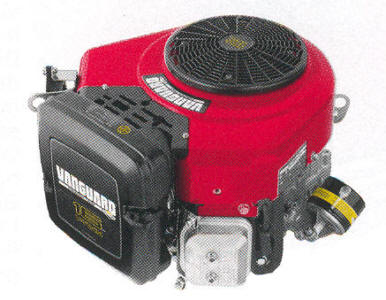
Credit: www.smallenginesuppliers.com