
If you own a Subaru WRX or are planning to buy one, understanding its oil capacity is crucial. Oil is the lifeblood of your engine, keeping it cool, lubricated, and clean. But knowing the exact oil capacity is not as simple as checking a dipstick; it changes depending on your WRX’s year, engine type, and even how you drive. Choosing the right oil type and changing it at the correct intervals can help your WRX perform better and last longer. Let’s explore everything you need to know about Subaru WRX oil capacity—from factory specifications to practical maintenance tips that many drivers miss.
Why Oil Capacity Matters For Your Subaru Wrx
Your car’s engine relies on a precise amount of oil to operate efficiently. Too little oil, and you risk increased friction, overheating, and even permanent engine damage. Too much oil can cause foaming, leaks, or even trigger warning lights. Subaru WRX engines, especially turbocharged models, operate under higher stress than most family cars. This makes correct oil levels even more important.
Many WRX owners don’t realize that newer turbocharged engines run hotter and are more sensitive to oil quality and quantity. If you overfill or underfill your oil, you may notice reduced performance, higher oil consumption, or the dreaded check engine light.
Subaru Wrx Oil Capacity By Year And Engine
The WRX has gone through several generations, each with its own engine configuration. Here’s a detailed breakdown of oil capacity for Subaru WRX models from 2002 to today. This helps you avoid guesswork and ensures you’re adding the right amount, whether you’re doing a routine oil change or topping off.
| Model Year | Engine Type | Oil Capacity (With Filter) | Recommended Oil Type |
|---|---|---|---|
| 2002-2005 | 2.0L Turbo (EJ205) | 4.8 quarts (4.5 liters) | 5W-30 |
| 2006-2014 | 2.5L Turbo (EJ255) | 4.2 quarts (4.0 liters) | 5W-30 |
| 2015-2021 | 2.0L Turbo (FA20DIT) | 5.4 quarts (5.1 liters) | 5W-30 (synthetic) |
| 2022-present | 2.4L Turbo (FA24F) | 4.8 quarts (4.5 liters) | 5W-30 (synthetic) |
The 2015-2021 FA20DIT engine stands out with a higher oil capacity compared to other years. Many new WRX owners are surprised by this, as it’s easy to underfill if you use older guides or generic advice.
Oil Capacity For Wrx Sti Models
The WRX STI, with its high-performance focus, uses the EJ257 engine (2.5L turbo) across 2004–2021. Its oil capacity is:
- 4.5 quarts (4.3 liters) with filter
Always check your owner’s manual or the cap on your engine before changing oil, as there can be minor changes based on region or model trim.
How To Check And Change Your Wrx’s Oil
Changing your own oil is a rewarding task, but it’s easy to make mistakes if you’re new to it. Here’s a practical, step-by-step guide.
Step 1: Gather Your Supplies
- Correct engine oil (see chart above)
- New oil filter
- Wrench or filter removal tool
- Oil catch pan
- Funnel
- Gloves and rags
Step 2: Warm Up The Engine
Run your WRX for a few minutes. Warm oil flows better, helping you drain more old oil.
Step 3: Drain The Old Oil
- Park on a flat surface.
- Remove the oil fill cap (engine top).
- Place the catch pan under the drain plug.
- Use a wrench to remove the drain plug.
- Allow all oil to drain—wait at least 5 minutes for best results.
Step 4: Replace The Oil Filter
Unscrew the old oil filter. Lightly oil the gasket of the new filter with fresh oil. Screw it in by hand until snug, then an extra quarter turn.
Step 5: Add New Oil
- Insert a funnel into the oil fill hole.
- Pour in the exact amount of new oil (see your WRX’s capacity).
- Replace the oil cap.
Step 6: Start And Check
Start the engine and let it idle for a minute. Shut it off, wait a few minutes, and check the dipstick. Add oil if needed to reach the full mark, but don’t overfill.
Tip: Always check for leaks around the filter and drain plug.
How Often Should You Change Oil In Your Subaru Wrx?
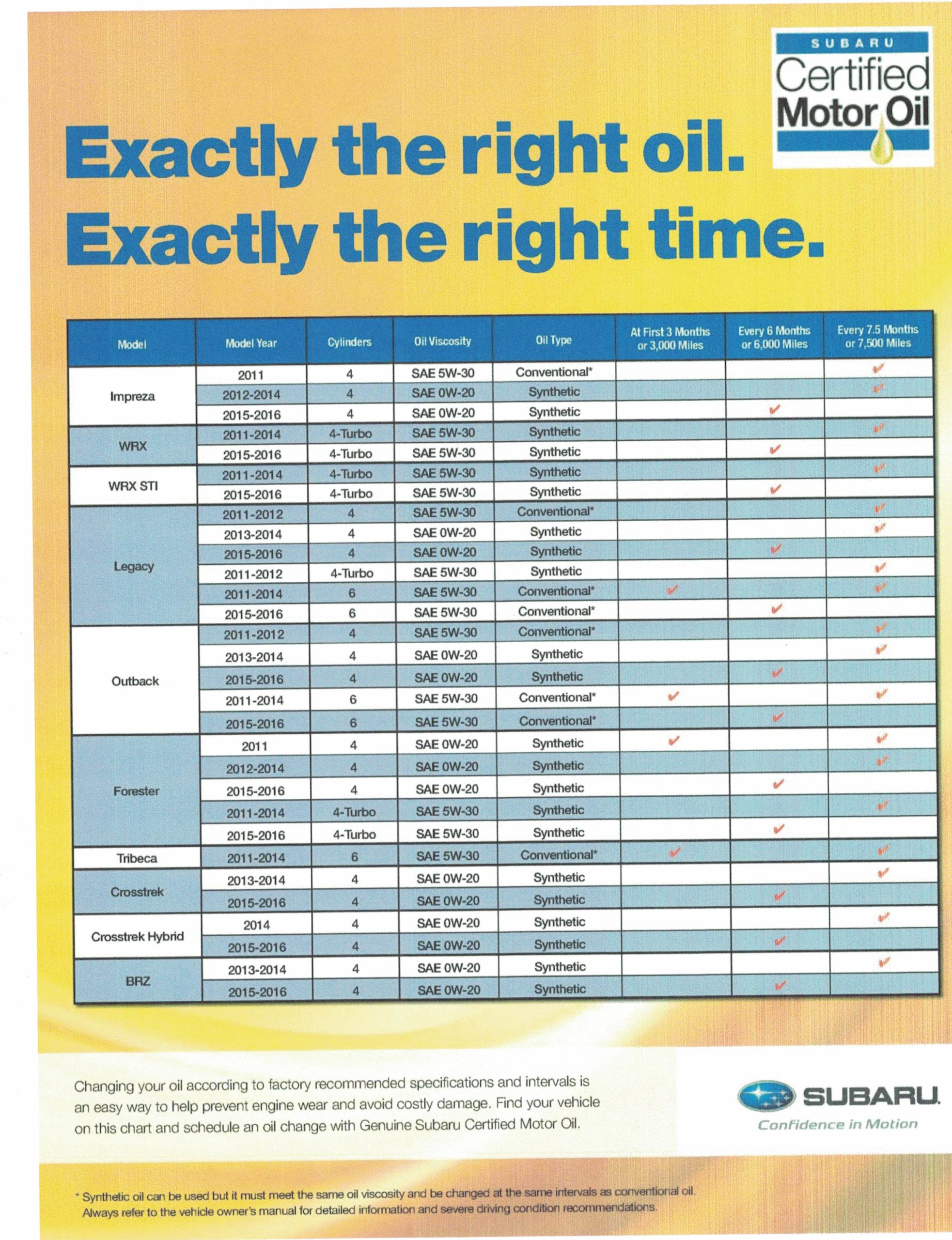
Subaru recommends changing oil every 6,000 miles (10,000 km) or 6 months for newer WRX models (2015+), whichever comes first. For older or modified WRX models, especially those driven hard, many enthusiasts prefer to change oil every 3,000–5,000 miles.
Factors Affecting Oil Change Interval
- Driving style: Frequent racing or hard driving increases oil breakdown.
- Climate: Hot or dusty areas require more frequent changes.
- Engine mods: Aftermarket turbos or tunes can put extra stress on oil.
If you drive short trips often or in stop-and-go traffic, oil can degrade faster. Even if you don’t hit the mileage, change it at least every 6 months to prevent moisture and sludge buildup.
Choosing The Right Oil For Your Subaru Wrx
Using the wrong oil can cause ticking noises, poor performance, or even engine damage. The WRX, especially turbo models, needs oil that can handle high temperatures.
Synthetic Vs. Conventional Oil
Most modern WRX engines require synthetic oil for its better heat resistance and protection. Older WRX models can use conventional oil, but synthetic is still recommended for better longevity.
Viscosity Grade
The most common oil for WRX models is 5W-30. This grade flows well in cold starts and protects under high heat. In hot climates or track use, some owners switch to 5W-40 or even 10W-40 for extra protection, but always check warranty requirements first.
Oil Brand
Subaru recommends brands like Subaru Genuine Oil, Mobil 1, Castrol Edge, and Pennzoil Platinum. The most important factor is meeting the API SN or SP standard.
Non-obvious insight: Many drivers forget to check the oil’s API rating. This is printed as “API SN” or “API SP” on the oil bottle. Using oil without this rating can void your warranty.
What Happens If You Overfill Or Underfill Your Wrx’s Oil?
Both overfilling and underfilling can cause expensive problems.
- Overfilling: Too much oil can cause foaming, which reduces lubrication. It can also lead to leaks or damage seals.
- Underfilling: Not enough oil increases friction, overheating, and wear. The WRX’s turbocharger is especially sensitive to low oil levels.
Non-obvious insight: The WRX’s oil level should always be checked with the car parked on a level surface and after waiting 5 minutes post-shutdown. Checking too soon can give a false reading, leading to accidental overfilling.
Oil Filter Importance: Don’t Ignore This Step
Changing the oil filter every time is not optional. Old filters can clog and reduce oil flow, starving your engine of lubrication. Subaru’s turbocharged engines are known for their tight tolerances. Even a partially clogged filter can cause oil starvation, especially at high RPMs.
Always use a filter designed for your WRX’s specific engine. Cheap or incorrect filters can cause leaks or not fit properly. Many drivers overlook the rubber gasket—always make sure the old gasket comes off with the old filter, or you’ll risk leaks.
Common Mistakes Wrx Owners Make With Oil Changes
- Using the wrong oil grade: Always check your owner’s manual.
- Overtightening the oil filter or drain plug: This can damage threads or the oil pan.
- Not warming up the engine: Cold oil doesn’t drain fully, leaving dirty oil behind.
- Forgetting to replace the crush washer: Subaru uses an aluminum washer on the drain plug. Reusing it can cause leaks.
- Not checking for leaks after an oil change: Always inspect for drips after running the engine.
Pro tip: Many first-time WRX owners don’t realize that oil consumption can be slightly higher on turbo engines, especially when new or under hard driving. It’s a good habit to check your oil every 1,000 miles until you know your car’s pattern.

Credit: www.youtube.com
Subaru Wrx Oil Capacity Vs. Other Subaru Models
It’s easy to confuse oil capacities between Subaru models. Here’s a quick comparison to show how the WRX stacks up:
| Model | Engine | Oil Capacity (With Filter) |
|---|---|---|
| WRX (2015-2021) | 2.0L Turbo (FA20DIT) | 5.4 quarts |
| Impreza | 2.0L NA (FB20) | 5.1 quarts |
| Forester XT | 2.0L Turbo (FA20) | 5.1 quarts |
| Outback | 2.5L NA (FB25) | 4.6 quarts |
| WRX STI | 2.5L Turbo (EJ257) | 4.5 quarts |
Notice the WRX FA20DIT has a slightly higher capacity than similar Subaru engines. Using the wrong number can lead to overfilling or underfilling if you use advice meant for other models.
Signs Your Wrx Needs An Oil Change
Sometimes, you’ll need to change your oil before the recommended interval. Watch for these signs:
- Oil looks black and gritty on the dipstick.
- Engine sounds louder than usual, especially at startup.
- Oil warning light comes on or flickers.
- Check engine light appears (can be oil level or pressure related).
- Oil level drops quickly between changes (may signal leaks or high consumption).
If you notice any of these, don’t wait for your next scheduled change.
Oil Consumption: Is It Normal For Wrx?
Many Subaru WRX owners notice their cars consume some oil between changes, especially when new or driven hard. Subaru considers up to 1 quart per 1,200 miles as normal, but if you’re losing more, have your car checked for leaks or engine problems.
Hard driving, long idling, and frequent turbo use can increase oil consumption. Always check your oil regularly, especially after spirited driving or track days.
Oil Additives: Should You Use Them?
Many aftermarket oil additives promise better protection or longer life. For Subaru WRX engines, these are usually unnecessary and sometimes harmful. Subaru does not recommend using oil additives. Modern oils already include the needed detergents and additives. Adding more can upset the oil’s balance and affect performance.

Credit: www.sosubaru.com
Do’s And Don’ts For Subaru Wrx Oil Maintenance
Do:
- Use the correct oil grade and API rating.
- Change oil filter with every oil change.
- Check oil level regularly, especially on turbo engines.
- Use a new crush washer every time you change oil.
Don’t:
- Overfill or underfill the oil.
- Use old or leftover oil from other cars.
- Ignore oil leaks or drops in oil level.
- Mix different brands or types of oil.
Practical Tips For First-time Subaru Wrx Owners
- Buy oil and filters in advance. Keep extra quarts in your garage or trunk.
- Label your oil change dates. Use a sticker or a phone app to track intervals.
- Check oil after hard driving. Turbo engines use more oil during spirited runs.
- Use ramps or jack stands for safety. Never rely on just a car jack.
- Dispose of old oil responsibly. Most auto stores will accept used oil for free.
Credit: allwheeldriveauto.com
Environmental Impact: Disposing Oil Safely
Used oil is hazardous to the environment. Never dump it down a drain or onto the ground. Pour used oil into a sealed container and take it to a recycling center or auto parts store. Many stores will also take your old oil filter.
Improper disposal can result in heavy fines and pollute water sources. One gallon of oil can contaminate a million gallons of water—so always recycle.
Upgrading Your Wrx’s Oil System: Is It Worth It?
Some performance enthusiasts upgrade their WRX’s oil pan, oil cooler, or switch to high-flow oil filters. This is often done for track use or highly modified engines.
- Larger oil pans: Increase capacity for better cooling and lubrication.
- Oil coolers: Keep oil temperatures stable during hard driving.
- High-performance filters: Offer better flow and filtration.
For most street-driven WRXs, the stock system is more than adequate. Upgrades are best for those who race or run high-boost setups.
Real-world Example: 2017 Wrx Owner’s Oil Change Experience
Consider a 2017 Subaru WRX with the FA20DIT engine. The owner follows the manual and uses 5. 4 quarts of 5W-30 synthetic oil. After a spirited mountain drive, the oil level drops slightly, requiring a top-off of about 0. 2 quarts before the next change.
This is normal and highlights why checking oil after hard driving is important.
If this owner had used only 4. 8 quarts (older WRX capacity), the engine would have run low, risking turbo wear. Always check and use the capacity for your exact year and engine.
Cost Of Oil Changes: Diy Vs. Professional
Changing your own oil can save money, but you need to factor in time and tools.
Diy Oil Change
- Oil (5 quarts synthetic): $35–$50
- Filter: $7–$15
- Crush washer: $1
- Total: $43–$66
Professional Service
- Dealership or shop: $90–$130
Doing it yourself saves money, but always double-check your work to avoid costly mistakes.
Subaru Wrx Oil Capacity In Extreme Conditions
If you drive in extreme cold, hot, or dusty environments, check your oil more often. You may need to use different viscosity grades or change oil more frequently. For example, in very hot climates or track use, 5W-40 synthetic oil can offer extra protection.
Subaru Wrx Oil Capacity: Quick Reference Table
For easy access, here’s a summary of the most common WRX oil capacities by year and engine:
| Year | Engine | Oil Capacity (With Filter) |
|---|---|---|
| 2002-2005 | 2.0L Turbo (EJ205) | 4.8 quarts |
| 2006-2014 | 2.5L Turbo (EJ255) | 4.2 quarts |
| 2015-2021 | 2.0L Turbo (FA20DIT) | 5.4 quarts |
| 2022-present | 2.4L Turbo (FA24F) | 4.8 quarts |
| WRX STI (All Years) | 2.5L Turbo (EJ257) | 4.5 quarts |
Keep this guide handy for your next oil change or when shopping for supplies.
Frequently Asked Questions
How Do I Know If I Added The Correct Amount Of Oil To My Wrx?
Always check the dipstick after filling. Start the engine, let it run for one minute, then turn it off. Wait five minutes, then check the dipstick on a level surface. The oil should be between the “low” and “full” marks.
Can I Use 0w-20 Oil In My Subaru Wrx?
No, WRX engines require 5W-30 (or sometimes 5W-40 for extreme conditions). 0W-20 is too thin for turbocharged engines and may not protect against heat and pressure.
Why Does My Wrx Seem To Use More Oil After Spirited Driving?
Turbocharged engines, like those in the WRX, can burn more oil during hard acceleration and high RPMs. This is normal to a degree, but check for leaks if consumption seems excessive.
What Happens If I Overfill The Oil In My Subaru Wrx?
Overfilling can cause foaming, leaks, and even damage seals. If you’ve overfilled, drain the excess oil immediately to avoid engine problems.
Where Can I Find The Most Accurate Oil Capacity For My Specific Wrx?
Check your owner’s manual or the official Subaru website. For technical service bulletins and updates, the Subaru Owners Resource page is a reliable source.
Taking care of your Subaru WRX’s oil needs will reward you with better performance, reliability, and peace of mind. Whether you’re an experienced DIY mechanic or just starting, knowing your WRX’s oil capacity and best practices is one of the smartest investments you can make in your car’s health.