
When you face a thick metal pipe, a rusty bolt, or an old metal fence, you might wonder: Can a reciprocating saw cut metal? Many people, especially beginners, ask this question before starting demolition, renovation, or repair projects. The answer is yes—a reciprocating saw can cut through metal, but there are important things to know to get clean, safe, and effective results. Let’s explore how this powerful tool handles metal, what you need to use it properly, and how to avoid common mistakes people make.
What Is A Reciprocating Saw?
A reciprocating saw is a handheld power tool that uses a push-and-pull (reciprocating) motion to cut through materials. It is often called a “Sawzall,” a brand name that has become a common term. Unlike circular saws or jigsaws, a reciprocating saw has a straight blade that moves rapidly back and forth. This makes it excellent for demolition, rough cuts, and working in tight spaces.
These saws are popular for cutting wood, but they are also used for metal, plastics, drywall, and more. They are especially useful in plumbing, electrical work, and construction, where you may need to cut pipes, nails, or sheet metal quickly.
Can A Reciprocating Saw Cut Metal?
Yes, a reciprocating saw can cut through various types of metal. The key is using the right blade and the correct technique. With the proper setup, you can cut through:
- Steel pipes
- Copper tubing
- Aluminum bars
- Metal rods
- Sheet metal
- Screws, nails, and bolts
However, not all metals are the same. Some are soft (like aluminum), while others are hard (like steel). The thickness and hardness of the metal affect the speed and quality of the cut, as well as the life of your blade.
Cutting metal requires more care than cutting wood because metal can dull blades faster and produce sharp, hot fragments.
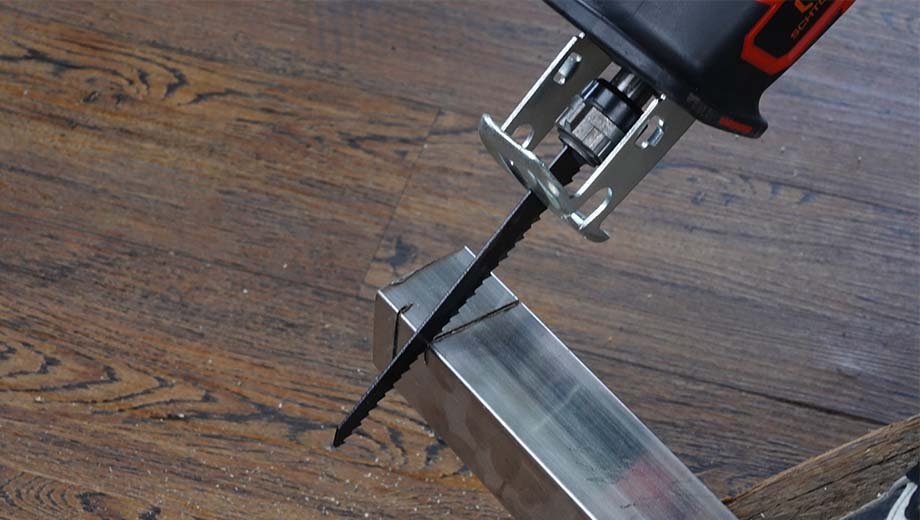
How Reciprocating Saws Cut Metal: The Science
When a reciprocating saw cuts metal, the blade’s teeth scrape and slice away small pieces of the material. The saw moves the blade in a fast, short, back-and-forth motion—sometimes up to 3,000 strokes per minute. Each tooth on the blade acts like a tiny chisel, shaving off bits of metal as it moves.
The process generates heat and friction. If you use the wrong blade or push too hard, the blade can overheat, dull quickly, or even break. Using the right blade and letting the tool do the work are essential for safety and efficiency.
Types Of Metal You Can Cut With A Reciprocating Saw
A reciprocating saw is versatile, but different metals require different approaches. Here are the most common types of metal you can cut:
- Steel Pipes and Tubing: Common in plumbing and construction, steel is tough but cuttable with a high-quality blade.
- Copper Pipes: Softer and easier to cut, copper is found in plumbing and HVAC systems.
- Aluminum: Lightweight and soft, aluminum is common in window frames and light fixtures.
- Rebar: Used to reinforce concrete, rebar is thick and requires a strong, durable blade.
- Sheet Metal: Found in ducts, roofing, and car bodies, sheet metal is thin but can be sharp.
- Nails, Screws, and Bolts: Reciprocating saws can cut through fasteners during demolition or repair.
- Cast Iron: With patience and the right blade, you can cut cast iron pipes, though it’s slow work.
Choosing The Right Blade For Cutting Metal
The blade is the most critical part when using a reciprocating saw for metal. Not all blades are equal. Here’s what you need to look for:
Blade Material
- High-Speed Steel (HSS): Durable, good for cutting metals.
- Bi-Metal: Combines flexibility and toughness; best for metal cutting.
- Carbide-Tipped: For the hardest metals; lasts longer but costs more.
Teeth Per Inch (tpi)
The blade’s TPI determines how smooth and fast the cut will be.
- Low TPI (6–10): Fast, rough cuts; best for wood.
- Medium TPI (14–18): Good for general metal cutting (pipes, rods).
- High TPI (18–24 or more): Smooth, slow cuts; best for thin sheet metal.
Blade Length And Thickness
- Short blades (4–6 inches): Better control, good for small pipes or tight spaces.
- Long blades (9–12 inches): Reach deeper cuts but can bend more easily.
- Thicker blades: Less likely to bend, ideal for demolition.
Blade Shape
Some blades are designed for plunge cuts (starting the cut in the middle of the material). Others are better for straight cuts. Look for blades labeled for “metal” or “demolition. ”
Here’s a quick comparison of blade types:
| Blade Type | Best For | Durability | Price |
|---|---|---|---|
| Bi-Metal | General metal cutting | High | Medium |
| High-Speed Steel | Thin metals | Medium | Low |
| Carbide-Tipped | Hard/thick metals | Very High | High |
How To Cut Metal With A Reciprocating Saw: Step-by-step
Cutting metal is not just about turning on the saw and pushing forward. Follow these steps for the best results:
- Wear Protective Gear
- Always wear safety glasses to protect your eyes from flying metal chips.
- Use gloves to guard against sharp edges and hot fragments.
- Consider ear protection; metal cutting is loud.
- Select the Right Blade
- Pick a blade designed for metal, with the correct TPI for your material.
- Secure the Metal
- Clamp the metal firmly. If it moves, the blade can bind or snap.
- For pipes, use a pipe vise or heavy-duty clamp.
- Mark Your Cut
- Use a marker or scratch awl to draw a straight line where you want to cut.
- Set the Saw Speed
- For most metals, use a medium to low speed. High speeds generate more heat and wear out blades faster.
- Start the Saw
- Place the blade against the metal, then start the saw at low speed.
- Let the blade “bite” into the metal before increasing speed.
- Let the Tool Do the Work
- Apply light, steady pressure. Forcing the saw can bend blades and overheat metal.
- Move the saw smoothly along the marked line.
- Cool the Blade (if needed)
- For thick metal, pause occasionally to let the blade cool.
- You can spray water or cutting oil to reduce heat, but be careful with electricity.
- Finish and Inspect
- When the cut is done, turn off the saw and wait for the blade to stop.
- Check the edges; file any sharp burrs.
Safety Tips For Cutting Metal With A Reciprocating Saw
Metal cutting can be dangerous if you skip safety steps. Here are vital tips to keep safe:
- Always wear eye protection—metal fragments fly fast and far.
- Use hearing protection to prevent long-term damage from loud noise.
- Wear gloves to protect from hot blades and sharp edges.
- Never force the blade—let it cut at its own speed.
- Clamp your work. Loose metal can twist or fling dangerously.
- Keep your hands away from the blade path at all times.
- Unplug the saw or remove the battery before changing blades.
- Watch for sparks—keep flammable materials away.
- After cutting, the metal and blade can be very hot. Let them cool before touching.
Many beginners ignore the need for clamps, leading to dangerous “kickback” where the tool jerks suddenly. It’s also easy to forget that metal edges are much sharper than wood, so always handle with care.
Common Problems And Solutions
Even with the right blade and technique, you may face issues. Here are common problems and how to solve them:
- Blade Dulls Quickly: Check if you’re using the right TPI and blade material. Hard metals need tougher blades. Also, reduce speed to prevent overheating.
- Blade Binds or Sticks: Metal is not secured well; clamp it tighter. Or, you may be twisting the saw—keep your cuts straight.
- Rough or Jagged Edges: Use a finer TPI blade and move slowly. Clean up edges with a metal file.
- Blade Breaks: Avoid bending the blade while cutting. Use a thicker blade for demolition or heavy work.
- Too Much Vibration: Hold the saw firmly with both hands. Some saws have anti-vibration technology.
One non-obvious tip: when cutting thin sheet metal, sandwich it between two pieces of wood. This reduces vibration and gives a cleaner cut.

How Reciprocating Saws Compare To Other Metal Cutting Tools
You may wonder if a reciprocating saw is the best tool for every metal cutting job. Here’s how it compares to other common tools:
| Tool | Best For | Speed | Cut Quality | Ease of Use | Portability |
|---|---|---|---|---|---|
| Reciprocating Saw | Pipes, demolition, general cuts | Fast | Medium | Easy | High |
| Angle Grinder | Thick metal, bolts, rebar | Very Fast | Rough | Medium | Medium |
| Hacksaw | Small pipes, fine work | Slow | Smooth | Easy | High |
| Jigsaw | Thin sheet metal, curves | Medium | Smooth | Medium | High |
| Metal Shears | Sheet metal | Fast | Clean | Easy | Medium |
Reciprocating saws are not as precise as some tools, but they are unmatched for quick demolition and working in tight spaces. For long, straight cuts or clean finishes, you may want a different tool.
When Should You Use A Reciprocating Saw For Metal?
Here are some situations where a reciprocating saw is the best choice:
- Demolition: Cutting old pipes, metal studs, or hardware.
- Plumbing/Electrical Work: Removing sections of metal pipe or conduit.
- Automotive Repair: Cutting off exhaust parts or rusted bolts.
- Emergency Rescue: Firefighters and rescue teams use reciprocating saws to cut metal barriers quickly.
If you need fast access, rough cuts, or have limited working space, this tool is ideal. For thin, decorative, or precise metal work, another saw might be better.
What Blades Last Longest When Cutting Metal?
Blade life depends on several factors:
- Blade Material: Bi-metal or carbide-tipped blades last longer than basic steel.
- Cooling: Letting the blade cool during tough cuts helps it last.
- Proper Use: Forcing the blade or using the wrong TPI shortens life.
- Type of Metal: Softer metals (aluminum, copper) are easier; hard steel wears blades faster.
On average, a high-quality bi-metal blade can last for many cuts in mild steel, but might wear out quickly in stainless or hardened steel. Carbide-tipped blades are expensive but can last up to 20 times longer in tough metals.
Cost Factors: Cutting Metal With A Reciprocating Saw
The cost of cutting metal includes more than just the saw. Consider:
- Blades: High-quality metal blades cost $3–$15 each. Carbide-tipped blades can cost $20 or more.
- Saw: Good reciprocating saws range from $60 (basic) to over $200 (professional).
- Safety Gear: Budget for goggles, gloves, and ear protection—about $20–$40.
- Maintenance: Blades wear out quickly on hard metals; expect to replace them often.
While the initial cost is higher than a manual hacksaw, the time and effort saved make reciprocating saws popular for frequent users.
Mistakes To Avoid When Cutting Metal
Many beginners make simple errors that ruin blades or cause accidents. Here are mistakes to watch out for:
- Using a Wood Blade on Metal: This can ruin the blade and damage your saw.
- Not Securing the Material: Metal must be clamped tightly to prevent dangerous movement.
- Cutting at Full Speed: High speeds can overheat the blade and produce rough cuts.
- Forcing the Saw: Let the blade do the cutting. Too much pressure breaks blades.
- Ignoring Blade TPI: Too coarse a blade will snag, too fine will cut slowly.
- Skipping Safety Gear: Eye and hand injuries are common.
- Not Cooling the Blade: For long or hard cuts, pause to let the blade cool.
- Starting the Saw Before Contact: Always place the blade on the metal before starting.
- Using a Dull Blade: Change blades when cutting slows or sparks increase.
- Working Near Flammable Materials: Sparks can start fires.
Advanced Tips: Getting The Best Results
To get cleaner, faster, and safer cuts:
- Use Lubricant: A drop of cutting oil on the metal reduces heat and extends blade life.
- Start With a Pilot Hole: For plunge cuts, drill a small hole first to guide the blade.
- Support Both Sides: Prevent the metal from pinching the blade by supporting both sides.
- Angle the Blade: For thick metal, start at a slight angle to help the teeth bite in.
- Keep the Shoe Against the Material: The saw’s shoe (the flat metal part) should rest against the work. This reduces vibration and helps control the cut.
Most beginners overlook the value of letting the blade cool between cuts. Also, many don’t realize that a dull blade not only slows progress but increases the risk of dangerous kickback.
Reciprocating Saw Blade Brands To Trust
Some brands have a reputation for strong, long-lasting blades:
- Diablo: Known for carbide-tipped blades.
- Lenox: Popular for demolition and metal work.
- Milwaukee: Offers “Ax” and “Torch” series for metal.
- DeWalt: Durable, widely available blades.
Buying a quality blade saves money in the long run and provides safer, smoother cuts.
Real-world Examples: Reciprocating Saw In Action
Example 1: Cutting Rusty Steel Pipe in Plumbing
A homeowner needed to remove a rusted 2-inch steel pipe in a basement. Using a bi-metal 14 TPI blade, the reciprocating saw cut through the pipe in under two minutes. The worker paused after each 30 seconds to let the blade cool and used cutting oil to extend blade life.
Example 2: Demolishing a Metal Fence
A demolition team used a reciprocating saw with a 9-inch, 18 TPI blade to cut through dozens of steel fence posts. By clamping each post and cutting at medium speed, they avoided blade binding and finished the job in half the time compared to manual tools.
Example 3: Automotive Exhaust Repair
A mechanic needed to replace a rusted exhaust section. The reciprocating saw, with a 6-inch, 18 TPI blade, allowed for a quick, clean cut, saving time versus using a hacksaw under the car.
Environmental And Health Considerations
Cutting metal produces fine dust and sharp fragments. Work in a well-ventilated area, and consider wearing a dust mask. Dispose of metal shavings properly—they can cause injuries or damage tires and machinery.
Additionally, reciprocating saws are noisy. Extended use can cause hearing damage, so never skip hearing protection.
Maintenance Tips For Your Reciprocating Saw
- Clean the saw after each use to remove metal dust and chips.
- Check the blade clamp for wear; a loose clamp can let blades slip.
- Lubricate moving parts according to the manufacturer’s instructions.
- Inspect power cords or batteries for damage.
- Store blades in a dry place to prevent rust.
Regular care keeps your tool working longer and safer.
Frequently Asked Questions
Can I Use Any Reciprocating Saw Blade To Cut Metal?
No, you should use blades specifically labeled for metal cutting. These have the right TPI, material, and design to handle metal without dulling quickly or breaking.
How Thick Of Metal Can A Reciprocating Saw Cut?
Most reciprocating saws can cut metal up to 1/2 inch thick, though with the right blade, you can cut thicker materials like rebar or cast iron pipes. For very thick or hard metals, expect slower cutting and more blade wear.
Is A Corded Or Cordless Reciprocating Saw Better For Metal?
Both can work well. Corded saws offer unlimited power for long jobs, while cordless saws are more portable and easier for tight spaces. For heavy demolition, a corded saw is often preferred.
How Do I Make Cleaner Cuts In Metal With A Reciprocating Saw?
Use a high-TPI blade, clamp the metal securely, cut at a steady speed, and support both sides of the cut. Adding a little cutting oil can also help produce cleaner edges.
What Should I Do If My Blade Gets Stuck In The Metal?
Stop the saw immediately. Wiggle the blade gently to free it, then check for any pinching or twisting of the material. Make sure the metal is clamped better before restarting.
Cutting metal with a reciprocating saw is not just possible—it’s practical and efficient when you use the right blade, safety gear, and cutting technique. With a little preparation, your reciprocating saw can handle a wide range of metal cutting tasks, from plumbing to demolition. If you want more technical details or see professional advice, visit Wikipedia for further reading. By understanding the tool, choosing the right blade, and following safety steps, you can work smarter and safer on any metal cutting project.