
Drilling a hole in concrete can seem hard, especially if you are new to DIY tasks or only have basic tools. The sound, the dust, and the tough surface can make even confident people hesitate. But with the right guidance, the correct tools, and a good understanding of each step, almost anyone can tackle this project safely and successfully.
Knowing how to drill a hole in concrete opens up many possibilities—hanging shelves, installing anchors, or running wires. This article will guide you through every detail, from choosing your drill to avoiding common mistakes, so you can work with confidence and get professional-looking results.
Understanding Concrete And Why It’s Challenging
Concrete is not like wood or drywall. It’s a mix of cement, sand, gravel, and water, which hardens into a very tough material. Sometimes, small stones or pieces of metal (like rebar) are inside, making it even harder. This strength is great for buildings but makes drilling more difficult. Regular drills can overheat or break, and the wrong bit can wear out quickly.
Most beginners miss that concrete is not the same everywhere. New concrete is softer than old concrete. Wet concrete is easier to drill than dry, cured concrete. Some walls have extra-hard aggregate or embedded stones, which can stop a drill bit. Knowing what you’re facing helps you choose the right tools and methods.
Choosing The Right Tools And Materials
Success in drilling concrete starts with your equipment. Using the wrong tool can waste time, break your bit, or even damage your wall.
Drills: Hammer Drill Vs. Rotary Hammer
You need more than a standard drill for concrete. Two main options work best:
- Hammer Drill
- Good for small to medium holes (up to 1/2 inch)
- Vibrates as it spins, “hammering” the bit forward
- Lighter, cheaper, easier to handle for DIYers
- Rotary Hammer
- Needed for large holes (over 1/2 inch) or tough concrete
- More power, uses special bits (SDS)
- More expensive, often used by professionals
| Feature | Hammer Drill | Rotary Hammer |
|---|---|---|
| Best For | Small holes, light use | Large holes, frequent use |
| Price | Lower | Higher |
| Drill Bit Type | Masonry bits | SDS bits |
| Weight | Lighter | Heavier |
| Noise/Vibration | Less | More |
Drill Bits: Masonry Bits
Masonry drill bits are made to cut through stone, brick, and concrete. They have a carbide tip that stays sharp and strong. Never use a wood or metal bit in concrete—they will dull and can even snap.
Look for these features:
- Carbide-tipped for longer life
- Fluted shaft to remove dust
- The right diameter for your anchor, screw, or bolt
If your bit gets dull, the drilling will take much longer, and you risk overheating.
Other Materials And Accessories
- Masking tape or painter’s tape: Helps mark your spot and prevents the bit from slipping
- Vacuum or brush: Removes dust during and after drilling
- Dust mask and safety goggles: Protects you from fine particles
- Ear protection: Drilling concrete is loud
- Anchors: Plastic or metal, for holding screws in the hole
- Water spray bottle (optional): Keeps the bit cool in long jobs
These items are not just for comfort—they help you work safely and avoid mistakes.
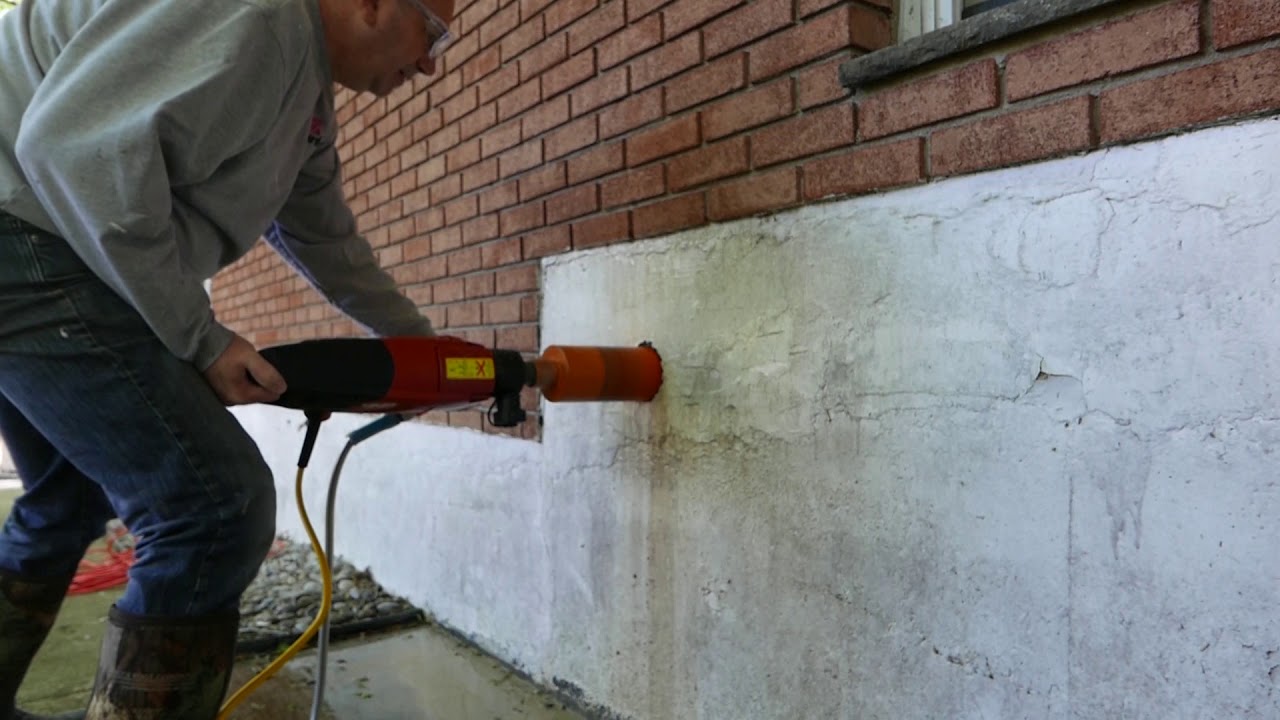
Preparing To Drill
Good preparation makes the job easier and reduces risk of mistakes.
Marking The Spot
Decide exactly where you want your hole. Measure carefully, since changing the position later is not easy. Mark the spot with a pencil or marker. Place a small piece of masking tape over the mark, especially if the surface is very smooth. The tape stops the bit from wandering when you start.
Checking For Wires And Pipes
Drilling blindly can be dangerous. Concrete walls often hide electrical wires, water pipes, or gas lines. Hitting one can be expensive and dangerous.
Use an electronic stud finder with a deep scan or a wire/metal detector. If you don’t have one, check building plans, or ask a professional. If you are unsure, never drill deeper than you need.
Setting Up Your Drill
- Choose the right bit: Match the bit size to your anchor or screw.
- Insert the bit tightly: Use the drill’s chuck key or tightening system so it doesn’t slip.
- Set the drill to “hammer” mode if using a hammer drill.
- Adjust speed: Start at a lower speed to help control the bit, then increase as needed.
Make sure your drill battery is fully charged, or if using a corded drill, that you have a safe power supply.
Safety Preparation
Concrete drilling creates dust and noise. Wear safety goggles to protect your eyes from flying chips. Use a dust mask so you don’t breathe in particles, and ear protection to reduce noise. Gloves can help with vibration but are optional.
Clear the area of people and pets. Protect nearby furniture or floors with plastic sheeting or old towels.
Step-by-step: How To Drill A Hole In Concrete
Now you’re ready for action. Follow these steps for the best results.
1. Double-check Your Position
Review your mark. Make sure it’s in the right spot, both for your project and for avoiding hidden hazards.
2. Drill A Guide Hole
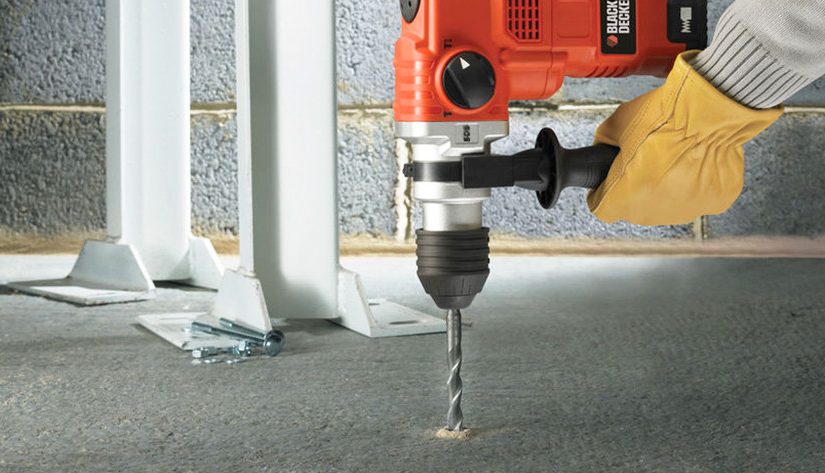
Set your drill bit on the mark. Hold the drill perpendicular (at a right angle) to the wall or floor. If you tilt the drill, the hole will not be straight, and anchors or screws may not fit well.
Drill slowly to start—a quick burst of power can make the bit slide. Press gently until the bit starts to bite into the surface. This creates a small guide hole that will keep your bit centered for the main drilling.
3. Increase Speed And Pressure
Once the bit is steady, increase the speed and apply more pressure. Let the drill do the work—don’t push too hard. If the drill is working, you’ll see concrete dust coming out of the hole.
If you feel the bit is stuck or moving very slowly, pull it out, clean the dust, and try again. For deep holes, pull out the bit every 15-20 seconds to clear debris. Use a vacuum or blow air to clean the hole.
4. Use Water For Cooling (optional)
Drilling concrete creates heat. If you are making a deep hole or drilling for a long time, spray a little water on the area to cool the bit. Never use too much water—just a small amount is enough. Too much water can make dust stick or damage your drill if it’s not designed for wet use.
5. Reach The Desired Depth
Most anchors and screws need a hole deeper than their length, so they fit completely. Some drill bits have a depth gauge—a small plastic part you can adjust. If not, wrap a piece of tape around the bit at the right length as a visual stop.
6. Clean The Hole
Concrete dust left inside can weaken the anchor. Use a vacuum nozzle, a small brush, or even blow into the hole to clear it out. For important jobs, use a special hole-cleaning brush for best results.
7. Install Your Anchor Or Fastener
Insert the anchor into the hole. Tap it gently with a hammer until it is flush with the surface. For some anchors, you may need to screw them in or expand them with a screwdriver. Now you are ready to attach your shelf, bracket, or other item.
Special Situations And Common Challenges
Every concrete drilling job is a little different. Here’s how to handle some tricky cases.
Drilling In Old Or Extra-hard Concrete
Old concrete (more than 10 years) can be much harder. You may hit stones, rebar, or other obstacles.
- Go slow: Let the bit do the work.
- Use a rotary hammer if a hammer drill is not working.
- Change bits: If your bit gets dull, replace it.
- Cool the bit: Take breaks to avoid overheating.
If you hit rebar (metal inside the concrete), stop. You may need a metal-cutting bit or a professional’s help.
Drilling Large Holes
For holes over 1/2 inch, a rotary hammer with an SDS bit is best. Drill a small pilot hole first, then switch to a larger bit. This reduces stress on your tool and makes drilling easier.
Drilling In The Ceiling Or Floor
Ceilings make dust fall straight into your face. Wear extra protection, and use a dust shroud or helper with a vacuum. For floors, drill slowly and control the tool so it does not slip.
Using Anchors In Hollow Blocks
Some walls are hollow inside. Use special anchors (like toggle bolts) for hollow concrete blocks. Standard anchors can fall out if there is no solid back.
Comparing Different Anchors For Concrete
The anchor you choose depends on the weight you need to support and the wall type.
| Anchor Type | Best Use | Load Capacity | Notes |
|---|---|---|---|
| Plastic expansion anchor | Light loads, shelves | Up to 50 lbs | Easy to install, cheap |
| Sleeve anchor | Medium/heavy loads | 50-200 lbs | Strong hold, for solid concrete |
| Wedge anchor | Heavy loads | 200+ lbs | Permanent, not for removal |
| Toggle bolt | Hollow walls | Up to 100 lbs | Expands behind wall |
Most DIY projects can use plastic expansion anchors or sleeve anchors. For very heavy items (TVs, cabinets), use wedge anchors.
Avoiding Common Mistakes
Even experienced DIYers make errors. Here are some important things beginners often miss:
Using The Wrong Drill Or Bit
A regular drill without hammer action will struggle. Using a wood or metal bit can ruin your tools and waste time.
Not Clearing Dust
Leaving dust in the hole makes anchors loose and weak. Always clear the hole before installing anything.
Drilling Too Deep Or Too Shallow
If your hole is too shallow, your anchor will stick out or won’t hold. Too deep, and the anchor may disappear or not expand. Use a depth gauge or tape for accuracy.
Overheating The Bit
If you push too hard or drill for too long without breaks, the bit can get red-hot and dull quickly. Take breaks and let the drill cool.
Not Wearing Safety Gear
Concrete dust can irritate your eyes and lungs. Always wear goggles and a mask. Hearing protection is also important—concrete drilling is much louder than wood.
Pro Tips For Clean And Accurate Holes
Some advanced tricks make drilling concrete easier and your results better.
- Use a pilot hole: For large holes, start with a smaller bit, then switch to the final size. This keeps holes straight and reduces bit wear.
- Support the drill: For precise work, use both hands or a drill guide. This prevents slipping and crooked holes.
- Work in short bursts: Drilling for 5–10 seconds at a time keeps the bit cool and prevents overheating.
- Check your progress: Remove the bit every so often to check depth and direction. Adjust if needed before going further.
- Catch dust with a helper: Hold a vacuum nozzle just below the hole as you drill. This keeps the area clean and protects your lungs.
How To Drill In Different Types Of Concrete
Not all concrete is the same. Each type needs a slightly different approach.
Poured Concrete Walls
Solid, strong, often found in basements or foundations. Use a hammer drill or rotary hammer. Anchors hold well here.
Concrete Block (cmu)
Hollow or filled blocks. Drill into the solid part, not the hollow section, for best results. Use toggle bolts for hollow areas.
Precast Concrete
Very dense and may have steel mesh inside. Use high-quality bits and check for rebar.
Exposed Aggregate
Decorative concrete with stones on the surface. Go slowly—bits can skip or catch on stones.
When To Call A Professional
Some jobs are too big or risky for DIY. Call a pro if:
- The hole must go through thick, reinforced concrete (over 4 inches)
- You hit rebar and can’t get through
- The area has lots of hidden pipes or wires
- You need a perfect hole for plumbing, gas, or structural work
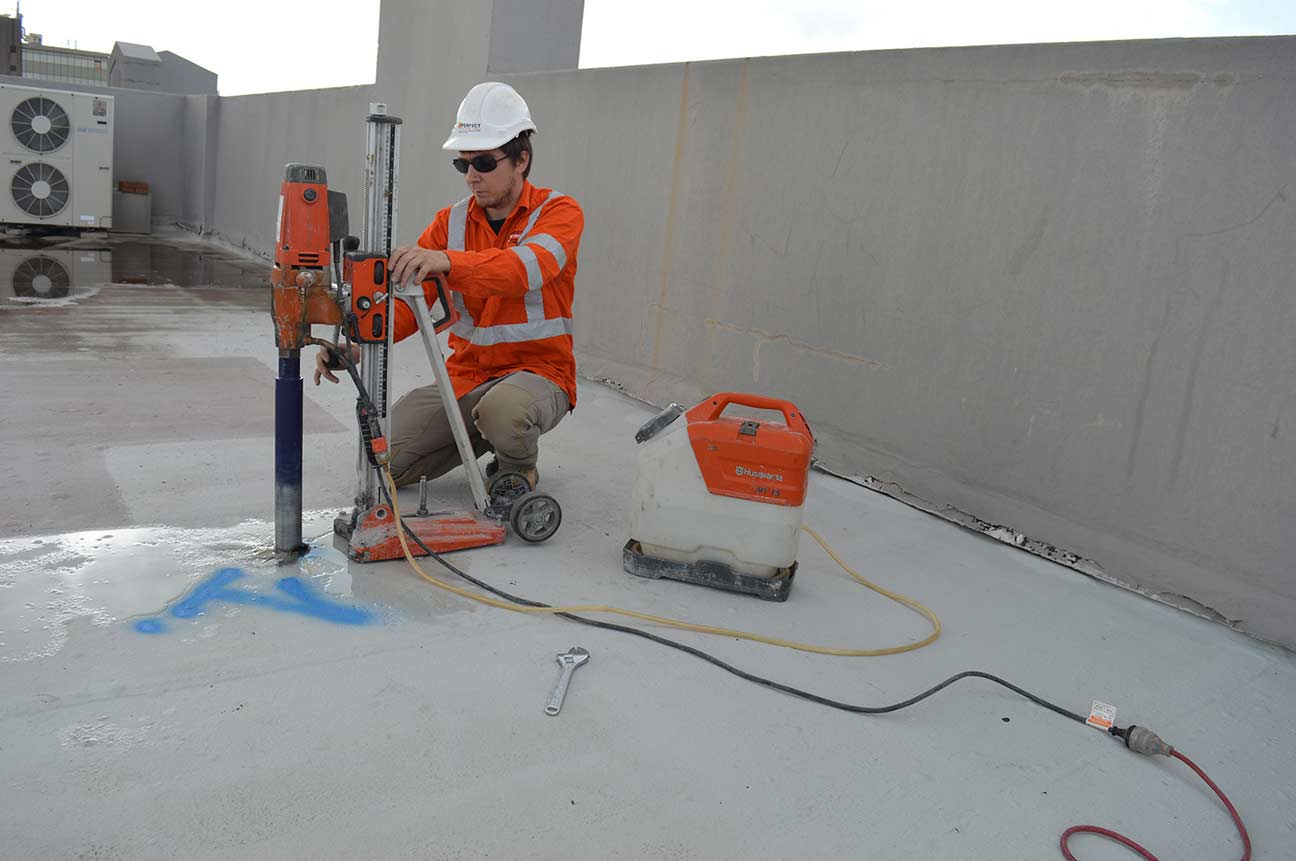
Professionals have special tools, like core drills, and can work safely in tough situations.
Safety Reminders And Clean-up
Once your hole is drilled and your anchor is in, clear up carefully.
- Sweep or vacuum all dust and chips, even small amounts
- Check the area for sharp bits or metal pieces
- Wash your hands after handling concrete dust
- Store tools safely, especially sharp bits
Concrete dust can be harmful if left around the home, especially for children or pets.
Environmental And Health Notes
Drilling concrete creates fine dust called silica, which can be dangerous if breathed in for long periods. Always use a mask and ventilate the area well. If you drill often, consider a HEPA vacuum or special dust control systems.
Some cities have rules for dust control in building work. Check your local laws before starting large projects.
For more details on silica safety, see the OSHA Silica Standard.
Frequently Asked Questions
What Is The Best Drill For Concrete?
The best drill depends on your project. For most home jobs, a hammer drill with a good masonry bit is enough. For large or deep holes, a rotary hammer is stronger and faster.
Can I Use A Regular Drill On Concrete?
A regular drill (without hammer action) can make small holes in soft concrete, but it’s slow and hard on the tool. For best results, always use a hammer drill or rotary hammer.
How Do I Know If I Hit Rebar?
If your drill suddenly stops, makes a metallic sound, or the bit sparks, you likely hit rebar (metal rod inside the concrete). Stop drilling—using a masonry bit on metal can ruin the bit. Use a metal-cutting bit if you must go through, or move your hole.
How Deep Should I Drill Into Concrete?
Drill a hole at least 1/4 inch deeper than the length of your anchor or screw. This ensures the anchor sits flush and holds strongly. For heavy loads, check the anchor manufacturer’s recommendation.
What If The Hole Is Too Big For My Anchor?
If the hole is too large, the anchor may not hold. Fill the hole with epoxy or use a larger anchor. Do not try to “stuff” the anchor in—it will not be safe for heavy objects.
Drilling a hole in concrete is a skill anyone can learn with the right tools, care, and patience. By following these steps, you’ll make strong, safe holes for any project—without extra stress or damage. Remember, preparation and safety are key.
With practice, you’ll get faster and more confident, opening up new possibilities for home improvement and repair.