
A shiny bead of molten metal, a steady blue arc, and the soft hiss of gas—these are the sights and sounds that come to mind when thinking about a TIG welder. But for many, the world of welding seems complex and mysterious.
What exactly is a TIG welder? Why do professionals choose it for some of their most demanding tasks? If you’re new to welding or simply curious about how things are made, understanding TIG welding opens a window into precise, high-quality craftsmanship.
What Is A Tig Welder?
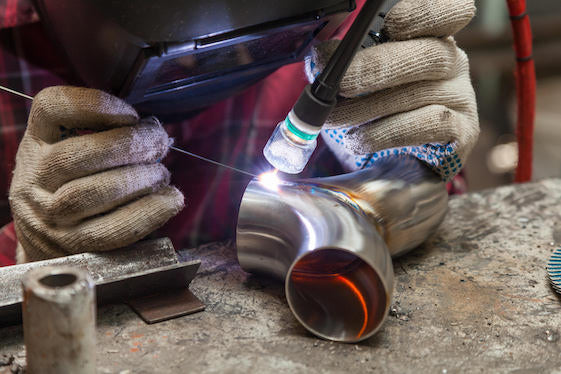
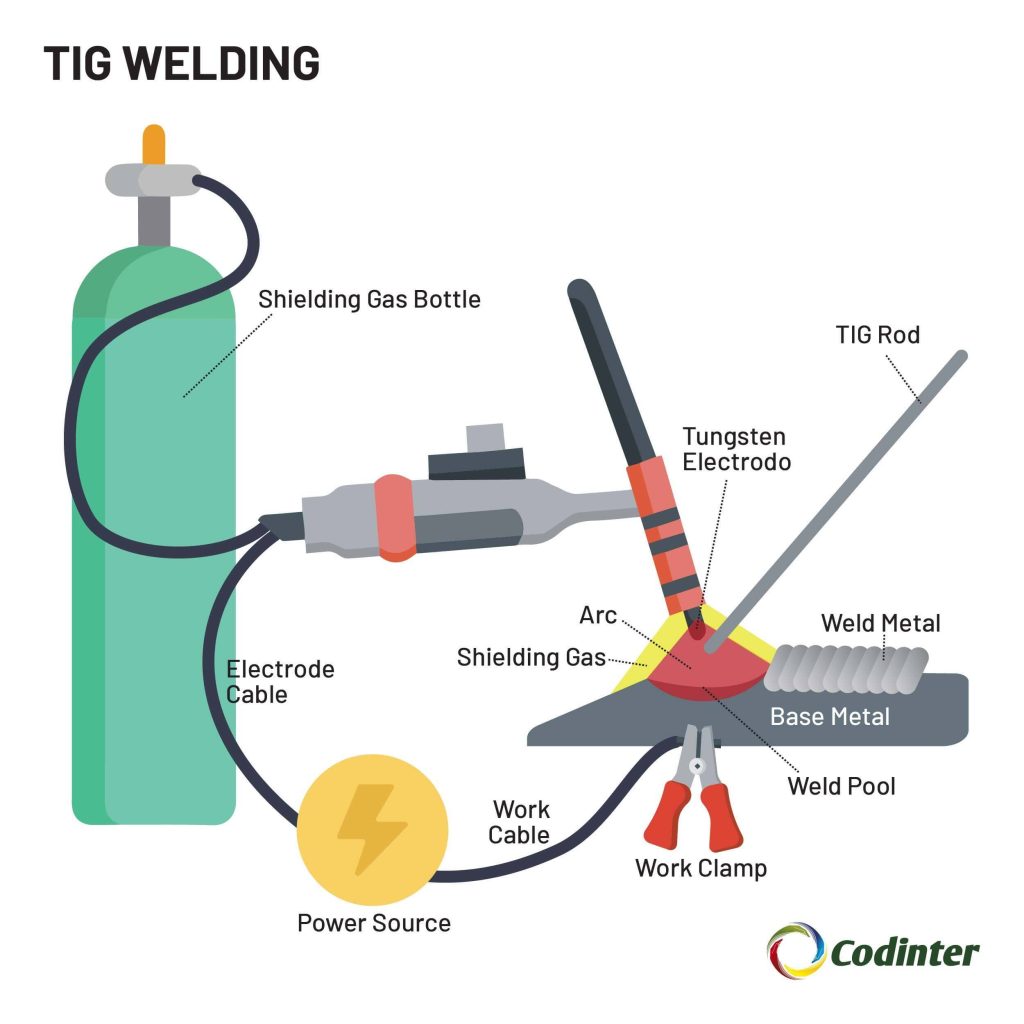
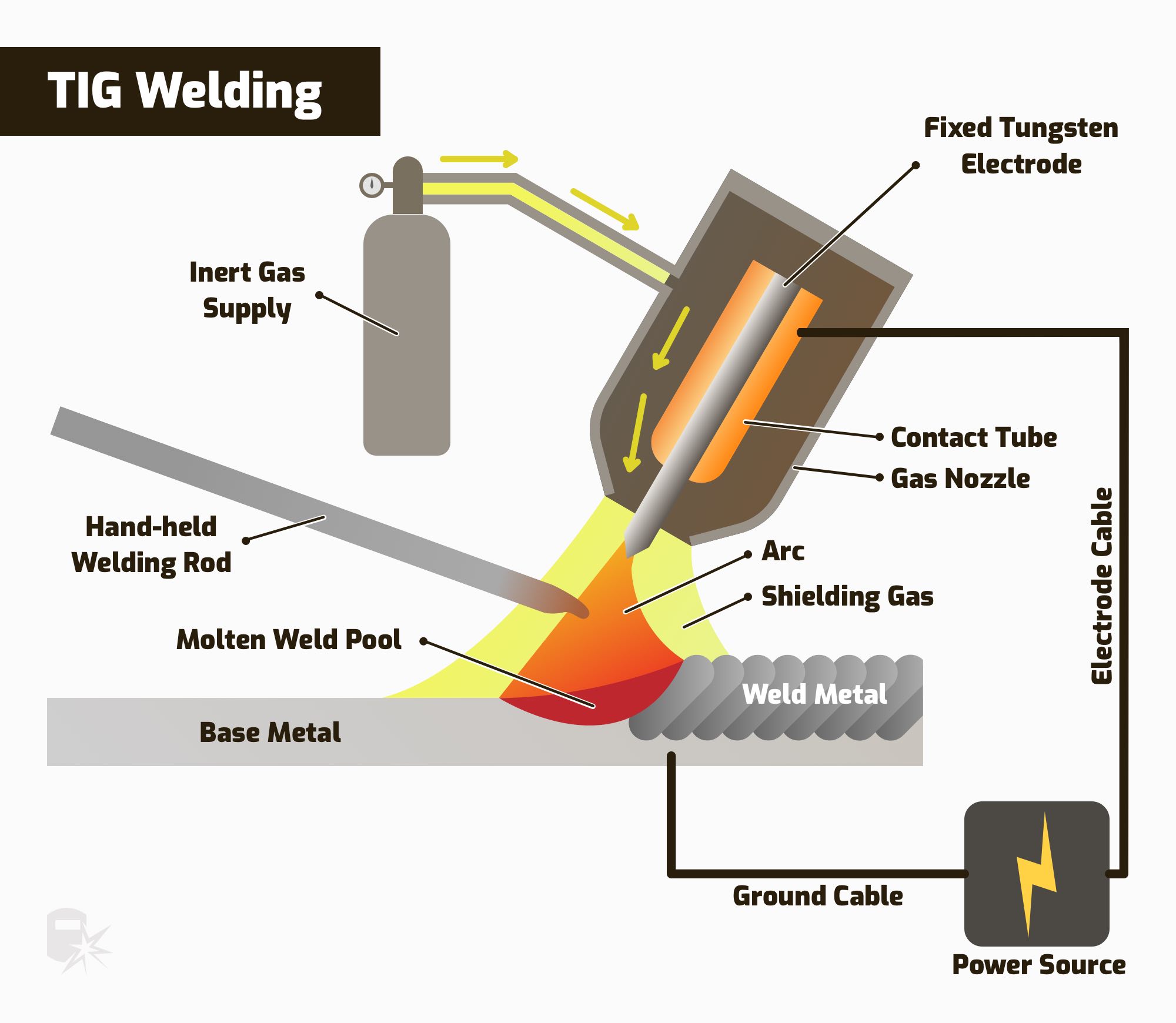
A TIG welder is a specialized machine used for a type of welding called Tungsten Inert Gas welding. You may also see this process called GTAW (Gas Tungsten Arc Welding). The main idea is simple: a non-consumable tungsten electrode creates an electric arc, and this arc melts the metal you want to join. At the same time, an inert shielding gas (usually argon) protects the weld area from air, stopping contamination and ensuring a clean, strong weld.
TIG welding is known for its precision. Unlike some welding methods, the welder can control the heat and add filler metal separately. This means you can make very neat, high-quality welds, even on thin or delicate materials. TIG welders are used in industries like aerospace, automotive, art sculpture, and pipework, where quality cannot be compromised.
How Does A Tig Welder Work?
At the heart of TIG welding is the tungsten electrode. This electrode does not melt during welding. Instead, it creates a focused, stable arc when an electric current passes through it. The workpiece (the metal you are welding) is part of the electrical circuit, and the arc jumps from the tungsten to the workpiece.
While the arc melts the base metal, a shielding gas flows out of the torch. This gas pushes away air, especially oxygen and nitrogen, which could cause problems like porosity or weak welds. Most TIG welders use pure argon or a mix of argon and helium.
If you need to add extra material to the weld, you feed a filler rod into the puddle by hand. This gives you full control over how much metal is added and where. The result? Smooth, clean welds with almost no spatter.
Key Components Of A Tig Welder
To understand how a TIG welder operates, let’s look at its main parts:
1. Power Source
The power source controls the amount and type of electricity sent to the torch. TIG welders can run on direct current (DC), alternating current (AC), or both. DC is common for steel and stainless steel, while AC is needed for materials like aluminum.
2. Tig Torch
The torch holds the tungsten electrode and channels the shielding gas. It can be air-cooled or water-cooled, depending on the welding current and job size.
3. Tungsten Electrode
This non-consumable rod is made from pure tungsten or alloys. Different types of tungsten are used for different jobs.
4. Shielding Gas Supply
Usually a cylinder of argon or argon-helium mix. Gas flows through a regulator and hose to the torch.
5. Filler Rods
Metal rods used to add material to the weld, if needed. The type matches the base metal.
6. Foot Pedal Or Hand Control
Many TIG welders use a foot pedal to adjust the arc current while welding, giving very fine control.
7. Ground Clamp
This connects the workpiece to the welder, completing the electrical circuit.
8. Cooling System
High-powered TIG torches often need water cooling to prevent overheating.
Each part plays a role in making TIG welding precise and flexible.
Tig Welding Vs. Other Welding Processes
How is TIG welding different from other methods? Here’s a simple comparison:
| Welding Type | Electrode | Shielding Method | Typical Use | Main Advantage | Main Limitation |
|---|---|---|---|---|---|
| TIG (GTAW) | Non-consumable tungsten | Inert gas (argon/helium) | Precision, thin metals | High-quality, clean welds | Slower, requires skill |
| MIG (GMAW) | Consumable wire | Inert/active gas (argon/CO2) | General fabrication, speed | Fast, easy for beginners | Less control, more spatter |
| Stick (SMAW) | Consumable rod | Flux coating | Outdoor, heavy steel | Simple, portable | Messier, more cleanup |
TIG welders stand out for their control and cleanliness. There’s almost no spatter, and you can weld thin materials without burning through. However, it’s not the fastest method, and it takes time to master.
Types Of Tig Welders
TIG welders come in different shapes and sizes, suited to various tasks:
Basic Ac/dc Tig Welders
These models can switch between AC and DC current. AC is essential for materials like aluminum and magnesium, while DC works for steel, stainless steel, and copper. Most hobbyists and small workshops start with an AC/DC machine for flexibility.
Dc-only Tig Welders
These welders use only direct current. They are cheaper and lighter, but cannot weld aluminum or magnesium effectively. They are fine for steel and stainless steel.
Inverter Tig Welders
Modern inverter machines use advanced electronics to create a smooth, adjustable arc in a compact package. They are lighter, more energy efficient, and allow extra features like pulsed welding. Inverters are popular for mobile work and professional use.
Multi-process Welders
Some machines combine TIG, MIG, and Stick welding in one unit. These are versatile, but may lack the fine control of a dedicated TIG welder.
Portable Tig Welders
Small, lightweight models are designed for field repair or remote work. These often run on lower power and may have fewer features, but are easy to transport.
Common Uses Of Tig Welders
TIG welding is chosen when quality matters more than speed. Here are some typical uses:
- Aerospace: Aircraft parts require flawless welds. TIG is the standard for thin aluminum, titanium, and stainless steel.
- Automotive: Used for roll cages, exhaust systems, and bodywork. TIG makes strong, neat welds that look good even without paint.
- Food Industry: Stainless steel tanks and piping must be clean and smooth. TIG welds meet sanitary codes.
- Art and Sculpture: Artists use TIG to join stainless steel, bronze, or aluminum for decorative pieces.
- Pipe and Tube Work: Precise joints, often in hard-to-reach places.
- Repair Jobs: Delicate repairs on bicycles, motorcycles, and machinery.
Main Advantages Of Tig Welding
Why choose TIG welding? There are several key reasons:
1. High-quality Welds
The process creates clean, precise welds with minimal spatter or cleanup.
2. Control Over Heat And Filler
You can adjust the heat and add filler metal separately, perfect for tricky joints.
3. Welds Almost Any Metal
TIG works on stainless steel, aluminum, magnesium, copper, titanium, and even exotic alloys.
4. No Flux Or Slag
The shielding gas protects the weld, so there is no residue to chip away.
5. Weld Thin Materials
Low heat input means even thin sheets can be joined without warping.
6. Beautiful Weld Appearance
A skilled TIG welder can create smooth, shiny welds that do not need grinding or finishing.
Limitations Of Tig Welding
No process is perfect. TIG welding also has its downsides:
- Slower Than Other Methods: TIG is not the fastest way to join metal. It takes longer to set up and weld.
- Requires Skill and Practice: Both hands are used—one for the torch, one for the filler rod. Foot or hand controls add complexity.
- Sensitive to Cleanliness: Base metals and filler rods must be spotless. Dirt or oil leads to poor welds.
- Higher Equipment Cost: TIG welders and accessories are more expensive than basic Stick or MIG gear.
- Less Portable: Full-featured TIG welders can be heavy, especially with cooling systems.
Tig Welding Power Settings Explained
Getting the settings right is crucial in TIG welding. Here’s what you need to know:
Current Type: Ac Vs Dc
- DC (Direct Current) is used for most steels and stainless steel. It gives a stable arc and deep penetration.
- AC (Alternating Current) is needed for aluminum and magnesium. AC “cleans” the oxide layer on aluminum, allowing a strong weld.
Amperage
The amperage controls how hot the arc gets. Thicker metals need more amps. For example:
- Thin sheet (1mm): 20–40 amps
- Medium steel (3mm): 60–100 amps
- Heavy plate (6mm+): 120 amps and up
Balance And Frequency (for Ac)
Advanced TIG welders let you adjust AC balance (how much of the cycle cleans vs. penetrates) and frequency (how fast the AC alternates). This fine-tuning helps with difficult jobs, like thin aluminum.
Post-flow And Pre-flow
- Pre-flow: Shielding gas flows before the arc starts, protecting the electrode.
- Post-flow: Gas continues after the arc stops, cooling the tungsten and weld.
Tungsten Electrodes: Types And Uses
Tungsten is at the heart of TIG welding. But not all electrodes are the same. The main types are:
| Type | Color Code | Main Use | Features |
|---|---|---|---|
| Pure Tungsten | Green | AC (aluminum, magnesium) | Cheap, forms ball tip |
| Thoriated | Red | DC (steel, stainless) | Easy start, long life (radioactive—handle with care) |
| Ceriated | Gray | AC & DC (all metals) | Low amps, good for automation |
| Lanthanated | Blue | AC & DC (all metals) | Stable arc, long life |
| Zirconiated | White | AC (aluminum) | Resists contamination |
Choosing the right tungsten is important for arc stability and weld quality.
Shielding Gases: What To Use And Why
The shielding gas keeps your weld clean and strong. TIG welding almost always uses:
- Argon: The most common gas. Works on all metals, stable arc, easy to control.
- Argon-Helium Mix: Helium adds heat, helpful for thick or highly conductive metals.
- Hydrogen Mixes: Used for some stainless steels, but only in special applications.
For most jobs, 100% argon is best. Always check your gas bottle and regulator for leaks or contamination.
Safety In Tig Welding
Safety is critical in TIG welding. The process is “clean” but not risk-free. Key hazards include:
- Intense UV Light: TIG arcs emit strong ultraviolet rays. Always wear a proper welding helmet with the correct shade.
- Hot Metal: The weld and nearby metal can cause burns. Use gloves and long sleeves.
- Fumes and Gases: TIG produces fewer fumes than Stick or MIG, but always work in a ventilated area.
- Electric Shock: Never weld in wet conditions. Check cables and connections.
- Tungsten and Thoria Dust: Thoriated electrodes are slightly radioactive. Avoid grinding without a dust mask and use a dedicated grinder.
Setting Up A Tig Welder: Step-by-step
Getting started with TIG welding involves several steps:
- Prepare the Workspace
- Choose a clean, dry area with good ventilation.
- Remove flammable materials.
- Set up a welding table or metal bench.
- Clean the Metal
- Use a wire brush, grinder, or sandpaper to remove rust, oil, or paint.
- Wipe with acetone for aluminum or stainless steel.
- Select Tungsten and Shielding Gas
- Fit the correct tungsten electrode into the torch.
- Connect the gas bottle and set the flow rate (typically 10–20 cubic feet per hour).
- Choose Filler Metal
- Match the filler rod to the base metal.
- Cut rods to a comfortable length.
- Set Up the Machine
- Select AC or DC mode.
- Adjust amperage for material thickness.
- Set pre-flow and post-flow times.
- Test on Scrap Metal
- Practice starting and stopping the arc.
- Adjust settings for a stable arc and clean weld.
- Welding
- Hold the torch at about a 15-degree angle.
- Start the arc, create a small molten puddle.
- Add filler rod as needed, controlling the speed and amount.
Practical Tips For Better Tig Welding
Even experienced welders face challenges with TIG. Here are some practical tips:
- Keep Everything Clean: Contamination is the enemy of TIG. Any oil, dirt, or even fingerprints can cause problems.
- Use Short Tungsten Stick-Out: The electrode should extend just a little from the cup (typically 3–6mm). This helps with gas coverage.
- Practice Steady Hands: Rest your hands on the table or use supports. TIG welding is like writing with a pen—stability matters.
- Watch the Puddle: Focus on the molten metal, not the arc. This tells you how the weld is forming.
- Control the Heat: Use the foot pedal or hand control to reduce heat at the end of the weld. This prevents craters or cracks.
- Try Different Filler Angles: Feeding the rod at a shallow angle helps it melt smoothly into the puddle.
One non-obvious insight: Many beginners focus on the arc but forget the importance of torch angle and distance. Even small changes can affect penetration and bead shape. Another tip—practicing on scrap metal with different settings builds skill faster than reading manuals.
Common Mistakes And How To Avoid Them
TIG welding has a learning curve. Here are mistakes to watch for:
- Contaminated Tungsten: Touching the filler rod or base metal with the electrode causes contamination. Stop, regrind, and restart.
- Poor Gas Coverage: Drafts or low gas flow let air reach the weld. Use a gas lens and work indoors if possible.
- Wrong Settings: Too much heat burns through; too little causes weak welds. Adjust amps based on metal thickness.
- Improper Filler Rod: Using the wrong type or a dirty rod weakens the weld.
- Bad Posture or Movement: Shaky hands or awkward positioning lead to uneven welds.
Choosing The Right Tig Welder
If you’re buying a TIG welder, consider:
- Power Needs: Higher amps for thick metal, AC/DC for all metals.
- Portability: Inverter models are lighter, transformer models are robust.
- Features: Foot pedal, pulse mode, digital controls, memory settings.
- Duty Cycle: Indicates how long you can weld at a set amperage before overheating.
- Brand Reputation: Stick with known brands for reliability and support.
- Budget: Entry-level models start around $500, while professional machines can cost several thousand dollars.
A common mistake is choosing a DC-only machine for aluminum work. Always check for AC capability if you plan to weld non-ferrous metals.
Real-world Examples
- Bicycle Frame Building: TIG is the method of choice for custom steel or titanium frames due to its control and clean appearance.
- Motorsport Roll Cages: Safety demands perfect welds. TIG welding is used for thin, high-strength tubing.
- Repairing Aluminum Parts: Unlike MIG or Stick, TIG can join thin aluminum without causing damage.
These examples show why TIG welding is trusted in demanding jobs.
The Future Of Tig Welding
Technology is changing TIG welding. Inverter-based machines are now common, offering more features in smaller packages. Pulse welding, digital displays, and memory settings make the process more repeatable and precise. Some machines can even be programmed for automation, used in robotic welding arms.
New electrode types and improved gas mixes allow TIG welding of even more exotic materials. As industries demand lighter, stronger, and cleaner joints, TIG remains at the forefront.
For more in-depth details and technical standards, you can explore resources like Wikipedia.
Frequently Asked Questions
What Metals Can I Weld With A Tig Welder?
You can weld steel, stainless steel, aluminum, magnesium, copper, titanium, and many alloys. The right settings and filler rods are essential for each metal.
Is Tig Welding Hard To Learn?
TIG welding takes practice because you use both hands and sometimes a foot pedal. It’s like learning to play a musical instrument—start with simple projects and work up as your coordination improves.
Do I Need Special Gas For Tig Welding?
Yes, TIG welding uses inert gases like argon or an argon-helium mix. These protect the weld from air. Do not use CO2 or other active gases, as they cause contamination.
Can I Weld Outdoors With A Tig Welder?
It’s possible, but wind can blow away the shielding gas. This leads to poor welds and contamination. For best results, weld indoors or use wind shields.
What Is The Difference Between Ac And Dc In Tig Welding?
DC is used for steel and stainless steel. AC is required for aluminum and magnesium because it helps remove the oxide layer. Good TIG welders can switch between both.
TIG welding is both an art and a science. With the right TIG welder, clean metal, and a bit of patience, you can achieve beautiful, strong welds that last a lifetime. Whether you’re building custom bikes, repairing machinery, or creating art, TIG welding gives you the control to join metals with skill and confidence.