
Drilling into brick is a common task for both homeowners and professionals. Whether you’re hanging shelves, mounting a TV, or installing outdoor lighting, knowing how to drill into brick the right way is essential. Many people feel nervous about drilling into hard surfaces like brick because mistakes can cause cracks, damage, or weak holes.
But with the right tools, preparation, and method, you can drill clean holes safely and confidently—even if you are new to DIY.
This guide will walk you through every step you need to know. You’ll learn how to choose the best drill and drill bits, how to prepare your wall, safety tips, drilling techniques, what to do if you hit problems, and even how to finish the hole for a lasting result.
Along the way, you’ll discover expert tips and common mistakes to avoid. By the end, you’ll have the confidence to tackle brick drilling projects without worry.
Understanding Brick As A Material
Before starting, it helps to understand what makes brick different from other materials like wood or drywall. Brick is a hard, dense material made from clay and fired at high temperatures. It is strong but can be brittle if treated the wrong way. The surface may look smooth, but inside, bricks have small air pockets. These can cause a drill bit to slip or break if you use the wrong tools or method.
Bricks are often joined with mortar, a softer material. Mortar is easier to drill into, but it may not hold heavy objects as well as brick. That’s why for most wall anchors or fixtures, you should drill into the brick itself, not the mortar joints.
Tools And Materials Needed
To drill into brick properly, you need the right tools and materials. Using the wrong equipment is the most common reason for failed attempts or wall damage. Here’s what you need:
- Hammer drill or rotary drill: A regular drill can work on soft bricks, but a hammer drill is best for most brick types. It combines rotation with a hammering action to break up the brick as it drills.
- Masonry drill bits: These have a special tip made from tungsten carbide. Never use wood or metal bits—they will dull quickly or break.
- Wall anchors or plugs: These go into the hole to hold screws securely.
- Screws: Choose screws that match your wall anchors and what you’re attaching.
- Tape measure and pencil: For marking precise locations.
- Level: To ensure your holes line up perfectly.
- Masking tape: For marking depth on the drill bit.
- Vacuum or brush: To remove dust from holes.
- Protective gear: Always wear safety goggles, a dust mask, and gloves.
Non-obvious tip: Not all brick walls are the same. Older bricks can be much softer or more brittle than new ones. Always test on a hidden area first.
Choosing The Right Drill And Drill Bit
The most important part of the process is selecting the right drill and bit. Using the wrong type can damage your wall or your drill.
Hammer Drill Vs. Regular Drill
A hammer drill is designed for masonry work. It moves the bit forward and backward rapidly while turning. This action chips away at the brick and helps the bit penetrate faster. Most hardware stores offer hammer drills to rent if you don’t own one.
A regular drill can work for soft bricks or small holes, but it will struggle on hard bricks or for holes larger than 6mm (1/4 inch). You may also burn out the motor if you force it.
Masonry Drill Bit Features
Masonry bits have a blunt tip made from tungsten carbide or similar hard materials. This tip grinds and chips the brick as you drill. Bits come in many sizes. Choose the size that matches your wall anchor or screw.
Some brands color-code their masonry bits for easy identification. Always check the packaging or the bit itself.
Non-obvious insight: Some manufacturers make “multi-material” bits, but these are often less effective on hard brick. Stick to true masonry bits for best results.
Preparing To Drill: Planning And Marking
Before drilling, planning your holes carefully can save a lot of trouble later. Incorrect placement can lead to unnecessary holes, weak support, or even structural issues.
Steps For Planning
- Decide on location: Use a tape measure to find the exact spot. Avoid mortar joints unless you’re attaching something very light.
- Mark the spot: Use a pencil or marker to make a small dot where you want to drill.
- Check for hidden pipes or wires: Use a stud finder with a live wire detector or consult building plans. Drilling into a pipe or wire is dangerous.
- Check brick quality: Tap the area gently. Hollow-sounding bricks may be weaker. Drill into solid bricks if possible.
Marking Depth
Wall anchors and screws need a hole of the correct depth. If you drill too shallow, the anchor won’t fit. Too deep, and you may weaken the wall.
A simple trick is to take your anchor and hold it against the drill bit. Wrap a piece of masking tape around the bit at the correct depth. This way, you’ll know when to stop drilling.
Safety Precautions You Must Take
Drilling into brick can create a lot of fine dust and flying debris. Protecting yourself is essential.
- Wear safety goggles: Brick dust can irritate or injure your eyes.
- Use a dust mask: Fine silica dust from bricks can harm your lungs.
- Wear gloves: Protect your hands from sharp brick edges and hot drill bits.
- Secure loose clothing and tie back long hair: Prevents them from getting caught in the drill.
- Work in a well-ventilated area: Open a window or use a fan to blow dust away.
Expert tip: Place a folded sheet or plastic bag below the drilling area to catch dust and debris for easier cleanup.
Step-by-step Guide: How To Drill Into Brick
Now you’re ready to start drilling. These steps will help you get a clean, safe hole every time.
1. Insert The Masonry Bit
Fit the correct size masonry bit into your hammer drill. Make sure it is tight and straight. Set your drill to the hammer function.
2. Position The Drill
Hold the drill at a 90-degree angle to the wall. This is important for a straight hole. Rest the tip of the bit on your marked spot.
3. Start Drilling Slowly
Begin with a slow speed and light pressure. This helps the bit bite into the brick and prevents slipping. Once you have a small indentation, you can increase speed and pressure.
4. Increase Speed And Pressure Gradually
As the bit starts to penetrate, apply slightly more pressure. Do not force the drill—let the tool do the work.
5. Pause Frequently
Stop every few seconds to pull out the bit and clear dust. This keeps the bit cool and prevents jamming. Use a vacuum or brush to clear debris from the hole.
6. Drill To The Correct Depth
Watch for the tape marker you put on the bit. Stop drilling when you reach it.
7. Remove The Bit Carefully
Pull the drill straight out. Do not wiggle, as this can widen or crack the hole.
8. Clean The Hole
Use a vacuum or a small brush to remove any remaining dust inside the hole.
Non-obvious insight: If you hit a hard spot and the bit stops moving, pull it out, cool it, and try again. For very stubborn bricks, a short burst of higher speed can sometimes help, but don’t overheat the bit.
/how-to-drill-into-brick-5218509_hero_01-65660423d3fe47bf92597c20e1942fd2.jpg)
What To Do If You Hit Problems
Even with the best preparation, things can go wrong. Here’s how to handle common issues.
The Drill Bit Slips
If the bit slides off your mark, place a small piece of masking tape over the spot. This gives the bit extra grip.
The Bit Overheats
If your bit gets very hot, stop drilling and let it cool. Overheating can dull the bit or even cause it to break.
The Brick Cracks
Cracking can happen if you use too much pressure, drill too close to an edge, or use the wrong bit. Always drill at least 1 inch (25mm) from any edge. If a crack appears, stop and choose a new spot.
The Hole Is Too Big
If your hole ends up too large for the anchor, you can use a bigger anchor, fill the hole with epoxy, or move slightly and try again.
The Wall Is Hollow
Some modern brick walls have hollow bricks. If you break through into an air pocket, use special wall anchors made for hollow masonry.
Comparison: Hammer Drills Vs. Regular Drills For Brick
To help you choose the right tool, here’s a comparison of hammer drills and regular drills for drilling into brick:
| Feature | Hammer Drill | Regular Drill |
|---|---|---|
| Drilling Speed | Fast | Slow |
| Suitable for Hard Brick | Yes | No |
| Bit Life | Longer | Shorter |
| Effort Required | Low | High |
| Cost | Higher | Lower |
| Best For | Frequent masonry work | Light, occasional tasks |
Expert advice: For most brick walls, especially if you plan to drill more than one hole, a hammer drill is worth the investment or rental fee.
Wall Anchors: Types And When To Use Each
Getting the right wall anchor is as important as drilling the hole. Different anchors are designed for different weights and types of brick.
| Anchor Type | Load Capacity | Best Use | Notes |
|---|---|---|---|
| Plastic Expansion Plug | Light (up to 10kg) | Pictures, small shelves | Most common, easy to use |
| Metal Sleeve Anchor | Medium (up to 25kg) | TV brackets, cabinets | Very strong, good for solid bricks |
| Resin Anchor | Heavy (over 50kg) | Structural loads | Requires special resin, more expensive |
| Toggle Bolt | Medium (up to 20kg) | Hollow brick walls | Expands behind wall |
Non-obvious insight: For outdoor or damp areas, use stainless steel screws and anchors to prevent rust.
Tips For A Professional Finish
A good finish makes your work look clean and lasts longer.
- Insert the wall anchor gently, tapping with a small hammer if needed.
- If the anchor won’t go in, check for dust or a too-small hole.
- Wipe the area with a damp cloth to remove dust before attaching your fixture.
- Use a level for shelves, rails, or anything that must be straight.
- Tighten screws firmly but avoid over-tightening, which can crack the brick or anchor.
Expert tip: For a neater look, use a countersink bit after drilling to create a slight recess for screw heads.

Common Mistakes And How To Avoid Them
Drilling into brick isn’t difficult, but some mistakes can cause big problems.
- Using the wrong drill or bit: Always use a hammer drill and true masonry bits.
- Drilling into mortar: Mortar is weaker than brick and may crumble.
- Drilling too close to edges: Can cause cracks or split the brick.
- Applying too much force: Let the drill do the work; don’t force it.
- Ignoring safety gear: Dust and debris are hazards.
- Not cleaning the hole: Anchors won’t hold in dusty holes.
- Using the wrong anchor: Choose anchors based on the load and brick type.
- Not checking for wires or pipes: Always scan before drilling.
- Not marking depth: Leads to holes that are too deep or shallow.
- Drilling at an angle: Always drill straight for best strength.
Non-obvious tip: If you need to drill multiple holes, let your drill and bit cool between holes to avoid overheating.
When To Call A Professional
Sometimes, it’s better to let an expert handle the job. Consider calling a professional if:
- You need to drill into structural or load-bearing brickwork.
- The wall is part of a historic or protected building.
- You find signs of water damage or loose bricks.
- You are unsure about hidden pipes or wiring.
Professionals have the tools and experience to handle difficult situations safely.
Advanced Techniques For Special Situations
Drilling Large Holes
For holes larger than 12mm (1/2 inch), start with a small bit and work up to the final size in steps. This reduces stress on the brick and your drill.
Drilling In Tight Spaces
If space is limited, use a right-angle drill attachment or a short masonry bit.
Anchoring In Hollow Brick
Use special hollow-wall anchors, such as toggle bolts or chemical anchors. These are designed to grip inside hollow spaces.
Working In Cold Weather
Bricks can become brittle in very cold weather. If possible, drill during warmer parts of the day or warm the area with a heat gun before starting.
Maintenance And Care For Your Tools
Good tools last longer with proper care.
- Clean masonry bits after use. Brush off dust and wipe with oil to prevent rust.
- Store your drill and bits in a dry place.
- Replace worn bits—they can damage brick and produce poor holes.
- Check the power cord and drill body for wear or cracks.
Pro tip: Label your masonry bits separately from wood or metal bits to avoid confusion.
Cost And Time Estimates
Drilling into brick is usually not expensive if you already have some tools. Here’s a general idea of costs and time:
- Hammer drill: $80–$200 (buy), $20–$40 (daily rental)
- Masonry bits: $5–$15 each
- Wall anchors: $5–$10 for a pack
- Safety gear: $10–$30
A single hole typically takes 10–15 minutes, including setup and cleanup. Multiple holes may take longer, especially if you need to measure and level carefully.
Data point: According to DIY industry surveys, over 60% of homeowners can drill into brick successfully with the right tools and preparation.
Environmental And Health Considerations
Brick dust contains silica, which can be harmful if inhaled over long periods. Always wear a dust mask and clean up thoroughly. Dispose of dust in sealed bags. If you have respiratory conditions, consider asking someone else to do the drilling or use a vacuum attachment.
Some modern anchors and resins contain chemicals that should not be touched with bare hands. Read labels and follow all safety advice.
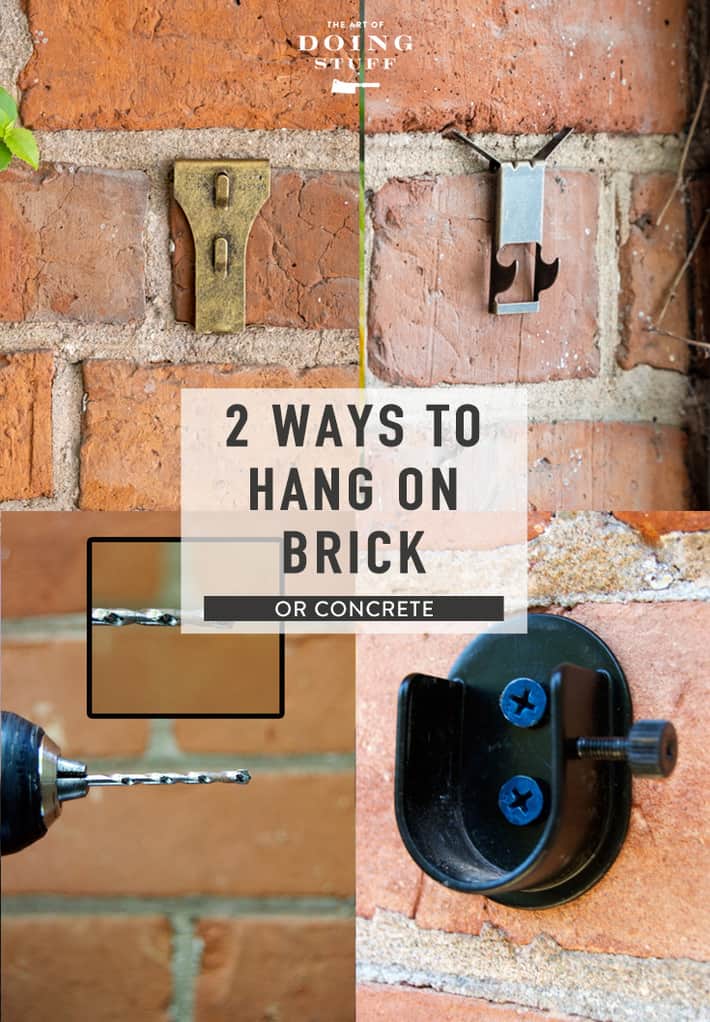
Real-world Example: Hanging A Heavy Shelf
Suppose you want to hang a shelf that will hold 20kg of books. Here’s how you would do it:
- Choose a location on solid brick, away from edges.
- Mark the shelf bracket holes using a level.
- Scan for pipes and wires.
- Select a 10mm masonry bit and matching metal sleeve anchors.
- Mark depth on the bit with tape.
- Drill holes using a hammer drill, pausing to clear dust.
- Clean the holes.
- Insert the anchors gently.
- Attach the shelf bracket with screws.
- Check level before tightening fully.
This method will support heavy loads safely.
Comparison: Drilling Into Brick Vs. Other Materials
Here’s how drilling into brick compares to other common wall materials:
| Material | Difficulty | Best Tool | Common Problems |
|---|---|---|---|
| Brick | Medium | Hammer drill | Cracking, dust |
| Concrete | Hard | Hammer drill, SDS drill | Very hard surface, slow progress |
| Drywall | Easy | Regular drill | Weak anchoring |
| Wood | Easy | Regular drill | Splitting if not careful |
Non-obvious tip: If you’re not sure what kind of wall you have, try pressing a thumbtack into it. If it goes in easily, it’s likely drywall—not brick.
Frequently Asked Questions
What Size Drill Bit Should I Use For Brick?
The size of the drill bit depends on the wall anchor you plan to use. Always check the packaging of your anchors or plugs—they will list the required hole size. Common sizes for light fixtures are 6mm or 8mm, while heavy-duty anchors may need 10mm or larger.
Can I Use A Regular Drill To Drill Into Brick?
A regular drill can work for very small holes or soft bricks, but it’s much slower and harder. For most brick walls, a hammer drill is strongly recommended, as it makes the job easier and produces cleaner holes.
Should I Drill Into Brick Or Mortar?
It’s best to drill into the brick, not the mortar. Mortar is softer and may crumble, leading to weak anchoring. Only drill into mortar for very light loads or if you have no other option.
How Do I Avoid Cracking The Brick?
To prevent cracks, stay at least 1 inch (25mm) away from any brick edge, use the correct bit, and apply steady—not excessive—pressure. Do not force the drill. If the brick is very old or brittle, drill slowly and take extra care.
How Do I Clean Up Brick Dust After Drilling?
Use a vacuum or a damp cloth to collect dust from the wall and floor. For tough dust, a soft brush can help. Always wear a mask during cleanup, as brick dust can stay in the air for some time.
Drilling into brick doesn’t need to be intimidating. With the right tools, good planning, and careful technique, even beginners can achieve professional results. Take your time, follow safety steps, and you’ll find that brick is a friendly material for many home projects. For more detailed safety advice and masonry techniques, visit the UK Health and Safety Executive. Happy drilling!