
Cutting metal can look difficult if you don’t have the right tools or experience. However, an angle grinder makes this job much easier and faster. This powerful handheld tool can slice through steel, iron, aluminum, and other metals when used correctly. But using an angle grinder is not just about turning it on and pressing it against metal. It requires knowledge, the right equipment, and safe working habits. If you want to know how to cut metal with an angle grinder, this complete guide will walk you through every detail, from choosing the tool to making safe and clean cuts.
Whether you’re a DIY fan, a home repair beginner, or someone starting in metalworking, learning to cut metal with an angle grinder is a valuable skill. This article will show you all the steps and give you tips most beginners miss.
By the end, you’ll feel confident and safe handling this tool for your next metal project.
Understanding The Angle Grinder
An angle grinder is a handheld power tool with a spinning disc. The disc can be swapped for different jobs—cutting, grinding, sanding, or polishing. Angle grinders come in several sizes, but the most common are 4.5-inch and 5-inch models. Larger models can cut thicker material but are heavier and harder to control.
Main Parts Of An Angle Grinder
- Motor: Powers the spinning disc.
- Disc/Wheel: The part that actually cuts or grinds.
- Guard: A shield to protect your hands and face from sparks and debris.
- Handle: Provides grip and control.
Understanding these parts helps you use the grinder safely and efficiently. For cutting metal, you’ll use a cutting wheel—a thin, hard disc designed to slice through metal.
Choosing The Right Angle Grinder And Accessories
Selecting the correct tool and disc is the first step toward a clean, safe cut. Not all grinders or discs are suitable for every type of metal or job.
Picking The Right Angle Grinder
- Disc Size: For most metal cutting, a 4.5-inch or 5-inch grinder is enough. These are lightweight and easy to control.
- Power: Look for a grinder with at least 7 amps (for corded) or 18 volts (for cordless). More power is helpful for thicker metal.
- Speed: Most grinders spin at 9,000–12,000 RPM. High speed helps make cleaner cuts.
- Comfort: Rubber grips, adjustable handles, and tool weight affect how long you can work without fatigue.
Choosing The Right Cutting Disc
Metal cutting discs are not all the same. The right disc depends on the type of metal and cut you need.
- Material: Most cutting wheels are made from aluminum oxide, ideal for steel and iron. For stainless steel, use an INOX (iron-free) disc.
- Thickness: Thin discs (1mm to 1.6mm) make fast, clean cuts. Thicker discs (2mm or more) last longer but cut slower and generate more heat.
- Diameter: Match the disc size to your grinder (e.g., 4.5-inch disc for a 4.5-inch grinder).
- Max RPM: Never use a disc rated for lower speed than your grinder produces.
Comparison Table: Cutting Disc Types
| Disc Type | Best For | Common Size | Advantages |
|---|---|---|---|
| Aluminum Oxide | General steel, iron | 4.5″, 5″ | Affordable, easy to find |
| INOX | Stainless steel | 4.5″, 5″ | No iron contamination, cleaner cut |
| Diamond Blade | Hard metals, heavy-duty | 5″, 7″ | Longer life, cleaner edges |
| Carbide | Thick, tough metals | 4.5″, 6″ | Very durable, less wear |
Safety Gear For Cutting Metal
Never skip safety equipment. Metal cutting produces sparks, flying fragments, and loud noise.
- Eye protection: Wear safety goggles or a face shield.
- Hearing protection: Use earplugs or earmuffs.
- Gloves: Heavy-duty work gloves protect your hands.
- Respirator or dust mask: Prevents inhaling metal dust.
- Protective clothing: Wear long sleeves and pants made from non-flammable material.
Preparing The Metal And Workspace
Proper preparation is often missed by beginners, but it’s key for safety and accuracy.
Clearing And Securing The Area
- Remove flammable objects (paper, sawdust, fuel, etc.) From your workspace.
- Ensure good ventilation, especially if working indoors. Metal cutting produces dust and fumes.
- Secure the metal piece with a clamp or vise. Loose metal can jump or spin, causing injury.
Marking The Cut Line
Use a marker or scribe to draw a clear line where you want to cut. For straight cuts, use a ruler or metal square. For curves, use a flexible tape measure or template.
Double-check Measurements
It’s easy to misread or mis-mark metal. Always double-check your measurements before you cut. Metal is expensive and mistakes are hard to fix.
Removing Rust, Paint, Or Oil
Clean the area where you’ll cut. Rust or paint can cause the disc to slip or bind. Wipe off oil or grease, as these can make the metal slippery and unsafe.
Setting Up The Angle Grinder
Before cutting, prepare your angle grinder for safe operation.
Inspect The Grinder And Disc
- Check the power cord or battery for damage.
- Inspect the disc for cracks, chips, or warping.
- Make sure the disc is tightly secured.
- Adjust the guard so it’s between you and the disc.
Test Run
Run the grinder for 30 seconds away from your workpiece. Listen for strange noises or vibrations. This step helps catch problems before you start cutting.
Grip And Position
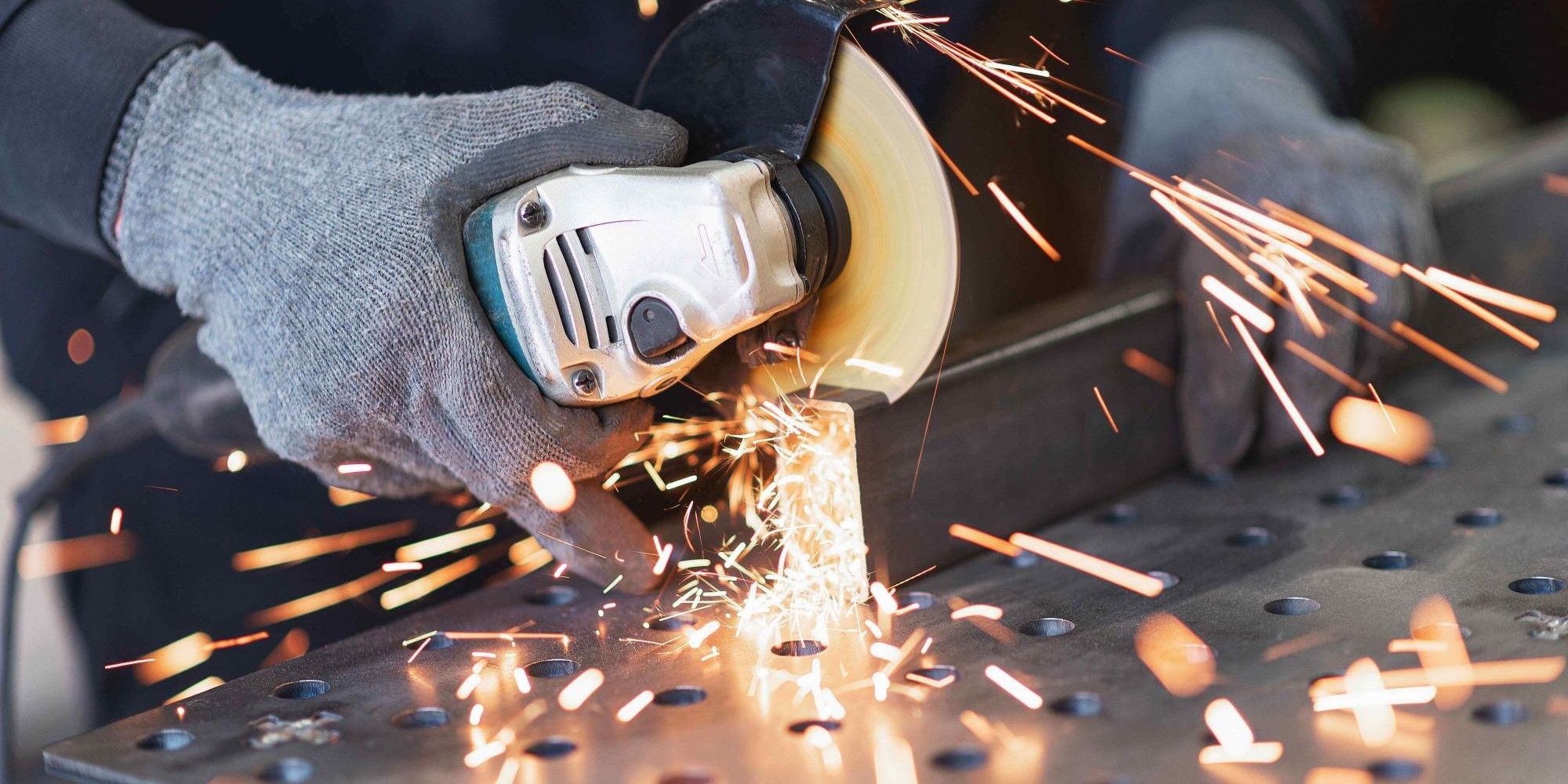
Hold the grinder with both hands—one on the main handle, one on the auxiliary handle. Stand so sparks fly away from your body and bystanders.

How To Cut Metal With An Angle Grinder: Step-by-step Guide
Let’s get into the actual process. Follow these steps for a safe, smooth cut.
1. Plan Your Cut
Look at your marked line and decide how to approach the cut. For long cuts, plan to move steadily from one end to the other. For complex shapes, consider breaking the cut into sections.
2. Secure The Metal
Use a clamp or vise to hold the metal tightly. Cutting loose metal is dangerous and results in poor quality.
3. Position The Grinder
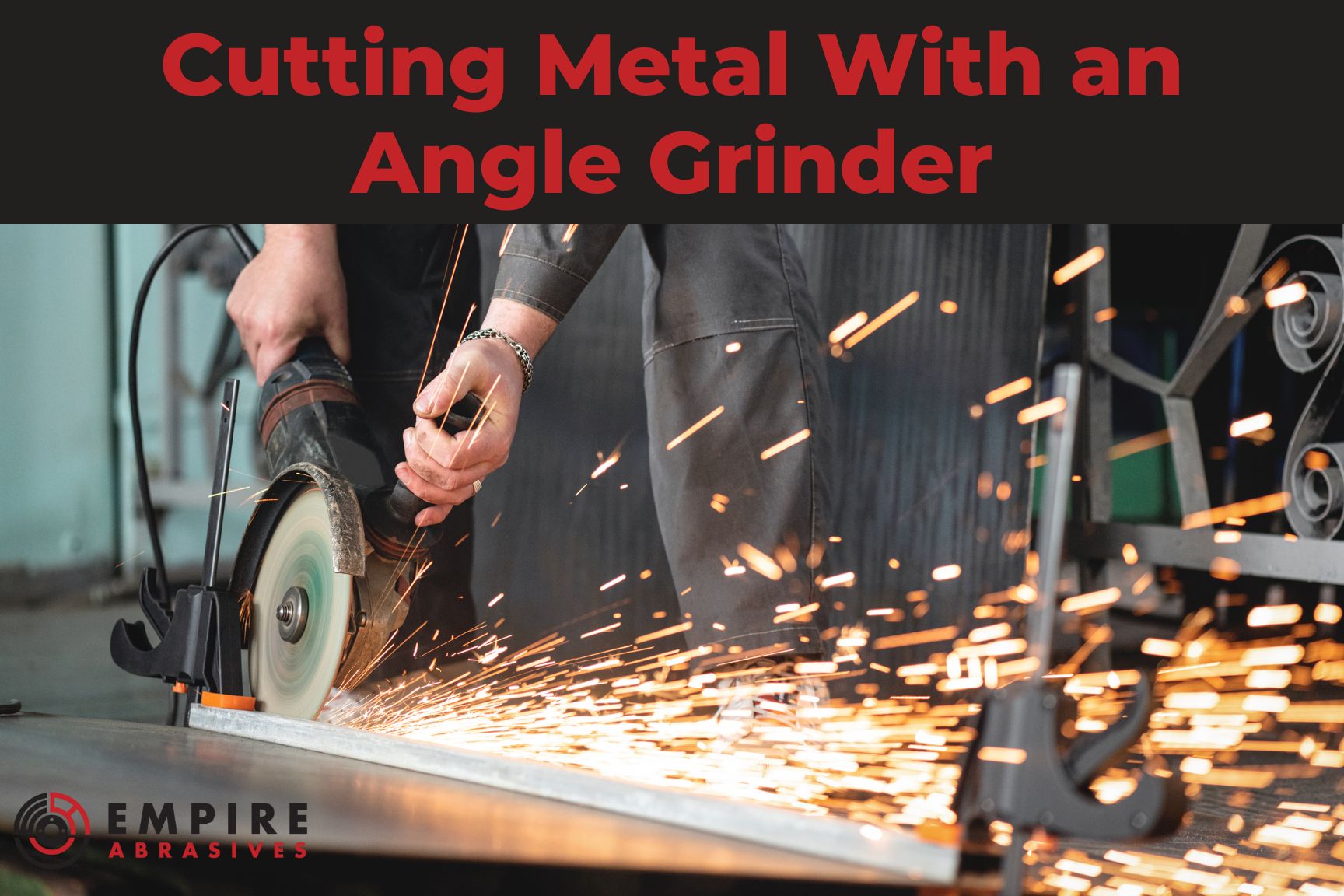
Align the cutting disc with your marked line. Hold the grinder so that the disc will hit the metal at a slight angle (about 15–30 degrees). This helps with control and reduces disc binding.
4. Start The Cut
- Switch on the grinder and let it reach full speed before touching the metal.
- Gently lower the disc onto the cut line.
- Do not force the disc; let the tool do the work. Forcing causes overheating and rapid disc wear.
5. Maintain A Steady Pace
- Move the grinder along the line at a consistent speed.
- Keep both hands on the tool for control.
- Avoid twisting or turning the grinder during the cut, as this can break the disc.
6. Complete The Cut
When you finish, lift the grinder away from the metal before turning it off. Wait until the disc stops spinning before setting the tool down.
7. Allow The Metal To Cool
Cut edges get extremely hot. Wait a few minutes before touching or handling the cut piece.
Example: Cutting A Steel Pipe
Suppose you need to cut a 1-inch steel pipe. Mark your line around the pipe with a pipe wrap or flexible tape. Secure the pipe in a vise. Use a thin (1mm) cutting disc. Start the grinder, lower it onto the pipe, and work around the circumference, letting the disc do most of the work.
When the cut is almost complete, support both sides of the pipe to prevent it from snapping or pinching the disc.
Tips For Clean, Accurate Cuts
A few expert tips can help you get cleaner, safer results.
Use A Guide
For straight cuts on flat metal, use a scrap piece of wood or metal clamped as a guide. Run the edge of the grinder along this guide for a perfect line.
Watch For Overheating
If you see the metal turn blue or the disc glows, you’re generating too much heat. Stop and let things cool down. Overheating can damage the metal and ruin the disc.
Make Shallow Passes
For thick metal, don’t try to cut through in one go. Make several shallow passes, deepening the cut each time. This method gives better control and extends disc life.
Control Sparks
Angle the grinder so sparks fly away from your body, flammable materials, and people. Sparks can travel several feet, so keep your work area clear.
Prevent Disc Binding
Never twist the grinder during a cut. If the disc binds, stop immediately and reposition. Binding can cause the disc to shatter or kick back.
Common Mistakes And How To Avoid Them
Beginners often make errors that can ruin the job or cause injury. Here’s how to avoid the most common ones.
Using The Wrong Disc
Cutting metal with a grinding or sanding disc is unsafe and ineffective. Always use a disc marked for metal cutting.
Skipping Safety Gear
Even a quick cut can send hot metal or sparks into your eyes or skin. Always wear safety goggles, gloves, and hearing protection.
Forcing The Tool
Let the grinder do the work. Forcing the tool increases the risk of disc breakage and poor cuts.
Not Securing The Metal
Loose metal can move during cutting, causing jagged edges or even injury. Always clamp your workpiece.
Ignoring Disc Ratings
Never use a disc that’s not rated for your grinder’s speed. Check the max RPM on both the grinder and disc.
Cutting Without A Plan
Rushing into a cut without marking and planning leads to mistakes and wasted material. Take time to measure and mark clearly.
Safety Tips For Cutting Metal With An Angle Grinder
Angle grinders are powerful and can be dangerous if not handled with care. Safety is the most important part of any cutting job.
Always Check Your Equipment
Inspect your grinder and disc before every use. Replace any disc with cracks, chips, or excessive wear.
Use The Guard
Do not remove the safety guard. It protects you from flying debris and disc fragments.
Stand In A Safe Position
Keep your body to the side of the disc, not directly behind it. This reduces the risk of injury if the disc breaks.
Unplug When Changing Discs
Always unplug the grinder or remove the battery before changing discs or adjusting the tool.
Store Safely
Keep discs in a dry, cool place. Moisture can weaken the disc and cause it to break during use.
Be Ready For Emergencies
Have a fire extinguisher nearby when cutting metal. Sparks can ignite dust, paper, or chemicals.
Cutting Different Types Of Metal
Not all metals are the same. Here’s how to approach different materials.
Cutting Steel
Most common job for angle grinders. Use an aluminum oxide or INOX disc. Steel heats up quickly, so make shallow passes and pause if it turns blue.
Cutting Aluminum
Aluminum is softer than steel and can gum up cutting discs. Use a disc marked for non-ferrous metals, and apply light pressure. Clean the disc often to prevent clogging.
Cutting Stainless Steel
Requires a special INOX disc to prevent contamination. Stainless is tough; make slow, shallow passes.
Cutting Cast Iron
Cast iron can be brittle. Use a thin disc and avoid heavy pressure to prevent cracking.
Cutting Rebar
Rebar is tough and often dirty. Use a strong, thick disc and clean the bar before cutting. Clamp securely for safety.
Comparison Table: Metal Types And Recommended Discs
| Metal Type | Recommended Disc | Special Tips |
|---|---|---|
| Steel | Aluminum Oxide/INOX | Shallow passes, let cool |
| Aluminum | Non-Ferrous Disc | Light pressure, clean disc often |
| Stainless Steel | INOX | Slow, steady passes |
| Cast Iron | Aluminum Oxide | Avoid force, risk of cracking |
| Rebar | Thick Cutting Disc | Clamp well, clean before cutting |
After Cutting: Cleaning And Finishing The Edge
A clean cut isn’t always the end. The edge may be sharp or rough.
Removing Burrs
Use a flap disc or grinding wheel to smooth the cut edge. This step removes burrs and makes the piece safer to handle.
Debris And Cleaning
Brush off metal dust and debris with a wire brush. Wipe the surface clean with a damp cloth.
Applying Rust Protection
Raw metal can rust quickly after cutting. Wipe with an oil-soaked rag or spray with a rust inhibitor, especially if you’re not painting or welding the piece right away.
Advanced Tips For Better Results
A few extra techniques can help you work faster and safer.
Use A Variable Speed Grinder
Some models allow you to adjust speed. Lower speeds are better for aluminum or thin metals, while higher speeds work well for tough steel.
Try A Diamond Blade
For frequent or heavy-duty cutting, a diamond blade lasts much longer and makes cleaner cuts than a standard disc.
Practice On Scrap Metal
Before making your final cut, practice on a piece of scrap. This helps you get a feel for the tool and the material.
Keep Extra Discs Handy
Cutting thick or dirty metal wears down discs quickly. Have spares ready so you don’t have to stop mid-project.
Avoid Cutting Large Sheets Freehand
If you need to cut large sheet metal, score the line with a utility knife first, then use the grinder along the groove for better accuracy.
Environmental And Noise Considerations
Cutting metal with an angle grinder is loud and messy. Consider your surroundings.
- Noise: Grinders can be over 100 decibels. Wear ear protection and warn others nearby.
- Sparks and Debris: Sparks travel far. Work away from cars, windows, and flammable materials.
- Dust: Metal dust is harmful. Use a dust mask and clean up your area after working.
Real-world Example: Cutting Metal For A Fence
Imagine you’re building a metal fence and need to cut several lengths of steel tubing. You set up a workbench outside, clamp each tube, and use a 4. 5-inch angle grinder with a thin aluminum oxide disc. You mark each tube with a permanent marker and double-check your measurements before each cut.
After cutting, you use a flap disc to smooth the edges and spray each end with a rust inhibitor. In a few hours, you have dozens of clean, accurate cuts ready for welding.
This approach saves time and money compared to using a hacksaw or paying for pre-cut metal.
Maintenance And Care Of Your Angle Grinder
A well-maintained angle grinder lasts longer and is safer to use.
Cleaning After Use
Wipe down your grinder after each job. Remove dust and metal shavings from vents and moving parts.
Inspect Discs Regularly
Check for chips, cracks, or excessive wear. Replace discs as needed.
Store Properly
Keep your grinder and discs dry and off the ground. Moisture damages both the tool and the discs.
Lubricate Moving Parts
Some grinders need occasional oiling. Check your manual for guidance.
Replace Brushes As Needed
Electric grinders have carbon brushes that wear down. If you notice sparks inside the tool or loss of power, check the brushes.
When Not To Use An Angle Grinder For Cutting Metal
Even though angle grinders are versatile, they are not suitable for every situation.
- Very thick metal: For thick steel (over 1 inch), a plasma cutter or cutting torch is faster and safer.
- Precision work: For small, detailed cuts, use a hacksaw or bandsaw.
- Confined spaces: Grinders need space for sparks and movement. In tight spots, other tools may be safer.
Comparison Table: Angle Grinder Vs. Other Metal Cutting Tools
| Tool | Best For | Speed | Precision | Safety |
|---|---|---|---|---|
| Angle Grinder | General metal cutting | Fast | Medium | Medium |
| Hacksaw | Thin metal, small jobs | Slow | High | High |
| Cut-off Saw | Thick metal, repetitive cuts | Very Fast | Medium | Medium |
| Plasma Cutter | Very thick or complex metal | Very Fast | High | Medium |
Frequently Asked Questions
What Size Angle Grinder Is Best For Cutting Metal?
A 4.5-inch or 5-inch angle grinder is ideal for most metal cutting tasks. These sizes are lightweight, easy to control, and powerful enough for steel, aluminum, and most other metals found in DIY or repair work.
Can I Use A Grinding Disc To Cut Metal?
No, you should only use a cutting disc for cutting metal. Grinding discs are thicker and designed to remove material, not slice through it. Using the wrong disc is unsafe and can damage your grinder and workpiece.
Why Does My Cutting Disc Wear Out So Fast?
Disc life depends on the metal type, disc quality, and how much pressure you use. Forcing the grinder, cutting dirty or rusty metal, or using a disc not rated for your grinder’s speed all cause faster wear. Always use light pressure and let the disc do the work.
How Do I Prevent The Metal From Overheating?
To avoid overheating, use shallow passes, don’t force the tool, and allow the metal to cool between cuts. If you see the metal change color (turning blue), you’re generating too much heat. Pause and let it cool down.
Is It Safe To Cut Metal Indoors With An Angle Grinder?
It’s possible, but you must ensure good ventilation and remove all flammable materials. Metal cutting makes sparks and dust, which are fire hazards. Always use safety gear and have a fire extinguisher nearby. For more on safety, see the Wikipedia article on angle grinders.
Cutting metal with an angle grinder is a skill anyone can learn with the right knowledge and practice. By following these steps and safety rules, you’ll make clean, safe, and accurate cuts every time. With experience, you’ll gain confidence and find even more uses for this powerful tool in your metalworking projects.