
Using soap with a pressure washer can transform your cleaning results. Many people buy a pressure washer to clean their car, house siding, driveway, or patio. But simply blasting water is not always enough. Soap, when used correctly, helps break down tough dirt, grease, and grime.
This makes washing faster, easier, and leaves things looking truly clean.
Yet, if you use soap the wrong way, it can cause problems. You might waste detergent, leave behind sticky residue, or even damage surfaces. Some people also worry about harming plants or the environment. The good news? With the right method, you can get professional-level results while avoiding these risks.
Let’s explore how to use soap with a pressure washer for the best results, from choosing the correct detergent to step-by-step instructions, safety tips, and troubleshooting. Whether you are a beginner or have some experience, this guide will help you clean more efficiently and safely.
Why Use Soap With A Pressure Washer?
Soap does more than just help things look cleaner. It actually changes the way water interacts with dirt and surfaces. Here’s why adding detergent to your pressure washer is often a smart move:
- Breaks down stubborn dirt: Many stains, like oil or grease, are hard for water alone to remove. Soap lifts and loosens these particles.
- Saves time and effort: Dirt comes off faster, so you don’t have to spend as long scrubbing or spraying the same spot.
- Better results: Soap can brighten surfaces, remove mold or mildew, and leave a lasting clean look.
- Protects surfaces: Specialized detergents can help protect paint, wood, or metal from damage.
For example, washing a car with plain water may leave behind a dull look. Soap not only removes road grime but also helps prevent water spots.
Types Of Detergent For Pressure Washers
Not all soaps are created equal, and using the wrong type can lead to poor results or even harm your equipment. Here are the main options:
Pressure Washer-safe Detergents
These are made specifically for pressure washers and are usually labeled as such. They create little foam, rinse off easily, and won’t clog your machine. Many are biodegradable, making them safer for the environment.
Multi-purpose Detergents
These work well for general cleaning of house siding, driveways, decks, and patios. They remove dust, dirt, and mild stains.
Surface-specific Soaps
Some detergents are designed for certain surfaces:
- Car wash soaps: Gentle on paint, help prevent scratches.
- Wood cleaners: Remove mold and mildew without damaging the grain.
- Concrete cleaners: Remove oil, rust, or algae from driveways and sidewalks.
Degreasers
Heavy-duty degreasers are for engines, garage floors, or machinery. They cut through thick oil and grease.
Eco-friendly Options
Biodegradable detergents break down naturally and are safer for plants and pets. Look for these if you’re washing near gardens or lawns.
Household Soaps: Should You Use Them?
Many people wonder if they can use dish soap or laundry detergent in a pressure washer. The answer is usually no. Regular household soaps often create too much foam, can damage seals, or leave a residue that is hard to rinse off. Stick to products labeled for pressure washer use.
Comparison Of Detergent Types
| Type | Best For | Foam Level | Rinse Ease | Environmental Impact |
|---|---|---|---|---|
| Pressure Washer-Safe | All surfaces | Low | Easy | Usually low |
| Multi-Purpose | General cleaning | Medium | Easy | Medium |
| Surface-Specific | Cars, wood, concrete | Varies | Easy to moderate | Varies |
| Degreasers | Engines, heavy grime | Low | Moderate | Medium to high |
| Eco-Friendly | Gardens, pets | Low | Easy | Very low |

Understanding Your Pressure Washer’s Soap System
Pressure washers deliver soap in two main ways: via a built-in detergent tank or through an external siphon tube. Knowing how your machine works is important for correct use.
Built-in Detergent Tanks
Many modern pressure washers include a tank where you pour the detergent. When you switch to the soap mode, the machine automatically mixes the soap with water.
Siphon Tube Attachment
Some models have a clear tube that you place into a bottle or bucket of soap solution. The pressure washer draws the detergent up as you spray.
Soap Nozzle Or Low-pressure Tip
To apply soap, you usually need to attach a soap nozzle (sometimes called a black nozzle) or a specific low-pressure tip. These nozzles lower the water pressure and create a soapy spray. Using a high-pressure tip will not draw soap correctly.
Dual-lance Wands
A few commercial models come with a dual-lance wand. This allows you to switch between high and low pressure without changing nozzles, making the process quicker.
Key Insight
A common mistake is trying to apply soap using a high-pressure nozzle. Only low-pressure settings will draw soap through most pressure washers. Check your user manual if you’re unsure.
How To Prepare Soap For Pressure Washing
Before you start, it’s important to mix and prepare the detergent correctly. Here are the steps:
- Read the instructions: Every detergent is different. Some are concentrated and need mixing, while others are ready to use.
- Mix with water: If needed, dilute the detergent in a bucket following the label instructions. Using too much soap can leave residue; too little will not clean well.
- Check compatibility: Make sure the soap is safe for your pressure washer and the surface you plan to clean.
- Test a small area: Try the solution on a hidden spot to check for color changes or surface damage.
Example Soap Mixing Ratios
Most pressure washer soaps suggest a 1:10 to 1:20 dilution (1 part soap to 10 or 20 parts water), but always check your detergent’s label.
Avoiding Common Mistakes
- Never use bleach or ammonia in your pressure washer. These can damage seals and are dangerous to inhale.
- Don’t overfill the detergent tank; leave space for the liquid to move.
Step-by-step Guide: How To Use Soap With Your Pressure Washer
Now that you’ve chosen the right detergent and prepared your equipment, let’s walk through the actual cleaning process.
Step 1: Set Up The Area
- Remove furniture, cars, or delicate plants from the area you plan to clean.
- Cover nearby electrical outlets or fragile surfaces.
- Sweep or rinse off loose dirt and debris. This helps the soap work better.
Step 2: Prepare The Pressure Washer
- Attach the siphon tube or fill the detergent tank with your prepared soap solution.
- Connect hoses and power up the machine.
- Choose the correct soap nozzle or low-pressure tip.
Step 3: Test The Spray
- Spray a small, hidden area to ensure the detergent applies evenly and doesn’t cause damage.
- Adjust the spray pattern if needed. A wide fan is usually best for even coverage.
Step 4: Apply Soap
- Hold the wand about 2-3 feet from the surface.
- Move in smooth, overlapping passes to avoid streaks.
- Cover the area with a layer of soapy water. Do not let the soap dry on the surface.
Step 5: Let The Soap Work
- Allow the detergent to sit for 5-10 minutes. This gives it time to break down dirt.
- If it starts to dry, lightly mist with more soap or water.
Step 6: Switch To Rinse
- Change to a high-pressure nozzle (usually white or green tip).
- Rinse the area from top to bottom, making sure to remove all soap residue.
- For stubborn spots, repeat the soaping and rinsing steps.
Step 7: Clean Up
- Disconnect and rinse the soap tank or siphon tube.
- Flush clean water through the pressure washer for 1-2 minutes to prevent soap buildup.
- Let surfaces dry before putting items back.
Soap Application Tips For Different Surfaces
Different cleaning jobs require slightly different techniques. Here’s how to adapt your approach:
Cars And Trucks
- Use a car wash soap with wax for added shine.
- Work in the shade to prevent soap from drying too quickly.
- Always rinse thoroughly to avoid streaks.
House Siding
- Start at the bottom and work up when applying soap to avoid streaks.
- Rinse from top down to push dirt away.
- For mold or mildew, use a detergent designed for siding.
Decks And Patios
- Use a wood-safe cleaner for decks; avoid harsh chemicals.
- Spray along the grain of the wood.
- Let the wood dry fully before walking on it.
Concrete And Driveways
- Use a concrete or degreaser detergent for oil stains.
- Scrub tough stains with a stiff brush after soaping, then rinse.
- Be careful around painted or decorative concrete.
Fences
- For vinyl fences, use a mild detergent.
- For wooden fences, avoid strong chemicals.
- Rinse carefully to prevent soap from entering the soil.
Roofs
- Use only detergents made for roofs, and never use high pressure.
- Let the soap sit longer for algae or moss, but keep surfaces wet.
How Much Soap Should You Use?
Using the right amount of detergent is key. Too much can leave residue, while too little may not clean well.
| Surface | Recommended Ratio (Soap:Water) | Typical Soap Needed (per 1,000 sq ft) |
|---|---|---|
| Car/Vehicle | 1:20 | 1-2 cups |
| House Siding | 1:15 | 2-3 cups |
| Deck/Patio | 1:10 | 2-3 cups |
| Concrete/Driveway | 1:10 | 3-4 cups |
Remember, these are general guidelines. Always check your detergent label for exact instructions.
Safety Tips When Using Soap And Pressure Washers
Pressure washers and soaps can be dangerous if used incorrectly. Follow these tips to stay safe:
- Wear protective gear: Use gloves and eye protection to avoid contact with soap and spray.
- Keep children and pets away: Detergent and high-pressure water can hurt skin or eyes.
- Avoid electrical hazards: Keep water and soap away from outlets, wires, and appliances.
- Check runoff: Make sure soapy water does not flow into storm drains or ponds.
- Store chemicals safely: Keep detergents in their original containers and out of reach of children.
Environmental Considerations
Many people forget about the impact of soap runoff. Detergents can harm plants, animals, and waterways. Here’s how to minimize your footprint:
- Use biodegradable soaps whenever possible.
- Block drains or use a wet/dry vacuum to collect runoff.
- Water lawns or gardens after washing to dilute any soap that lands there.
- Never let soapy water enter storm drains.
For more information on choosing environmentally-friendly cleaning products, visit the U.S. EPA Safer Choice program.
Troubleshooting: Common Problems And Solutions
Even with the right setup, issues sometimes happen. Here’s how to fix the most common problems:
Soap Isn’t Dispensing
- Check the nozzle: Make sure you are using the low-pressure soap nozzle.
- Inspect the siphon tube: It may be clogged or not submerged deep enough.
- Check for air leaks: Cracks in the tube or loose connections can stop soap flow.
- Dilution ratio: If the soap is too thick, it may not draw up properly.
Too Much Foam
- Wrong soap: Household detergents often foam too much.
- Over-mixing: Too much soap in the tank creates excess suds.
- High water pressure: Using a high-pressure nozzle can create more foam.
Soap Residue Left Behind
- Not rinsing enough: Make sure to rinse with clean water thoroughly.
- Too much soap: Use less detergent next time.
- Hard water: Minerals in hard water can react with soap, leaving a film.
Streaks Or Spots After Cleaning
- Soap dried on surface: Always rinse before soap dries.
- Using the wrong detergent: Some soaps are not made for certain surfaces.
- Unfiltered water: Dirt in water can cause streaks.
Low Pressure When Using Soap
- This is normal because soap is applied at lower pressure. Switch to a high-pressure nozzle for rinsing.
Nozzle Problems
- Clogged nozzle: Remove and clean with a pin or brush.
- Wrong tip: Double-check you are using the correct nozzle for soap or rinse.
Maintenance Tips For Pressure Washers After Using Soap
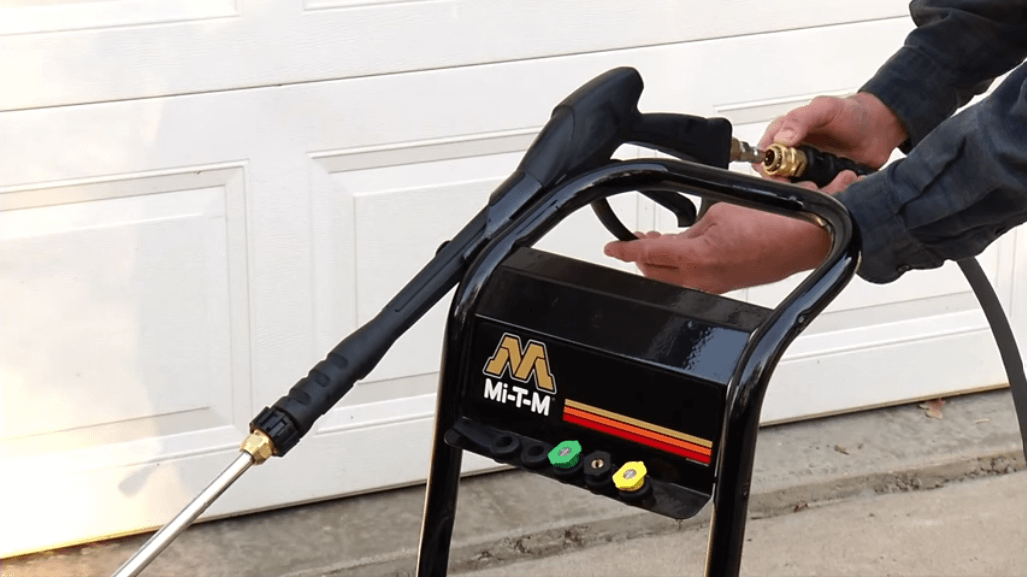
Soap can leave residue inside your pressure washer if not cleaned out. Here’s how to maintain your machine:
- Rinse the detergent tank: After each use, fill it with clean water and run the washer for a few minutes.
- Flush the siphon tube: Run water through the tube to prevent clogs.
- Clean nozzles: Remove and rinse soap and rinse nozzles after each use.
- Check seals and hoses: Soap can dry out rubber parts, so check for cracks or wear.
- Store properly: Let everything dry before storing your pressure washer to prevent mold or mildew.
These steps help extend the life of your equipment and ensure it’s ready for your next cleaning task.
Two Non-obvious Insights Beginners Often Miss
- Soap Application Timing Matters: Many people rush to rinse right after applying soap. Allowing the detergent to sit for a few minutes (but not dry) boosts cleaning power. This “dwell time” is key for removing tough stains.
- Rinsing Pattern Impacts Results: Rinsing from the bottom up can leave streaks or push dirt onto already-clean areas. Always rinse from the top down for the best finish and to avoid double work.
Comparing Soap Application Tools
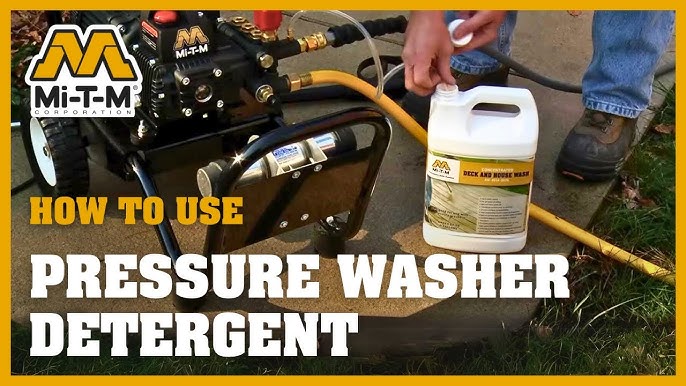
There are several ways to apply soap with your pressure washer. Here’s a quick comparison:
| Tool | Advantages | Disadvantages | Best Use |
|---|---|---|---|
| Built-in Tank | Convenient, always attached | Limited capacity | Home use, small jobs |
| Siphon Tube | Use any container, easy to switch soaps | Tube can clog | Medium jobs, flexibility |
| Foam Cannon | Thick foam, sticks to surfaces | Extra cost, may not fit all washers | Cars, delicate surfaces |
| Bucket and Brush | Manual control, zero pressure | Slower, more work | Tough stains, detail work |
Frequently Asked Questions
How Do I Know Which Soap Nozzle To Use?
Most pressure washers come with color-coded nozzles. The black nozzle (usually labeled “soap” or “low pressure”) is designed for applying detergent. Using any other nozzle may stop the soap from drawing up, so always check your manual if you’re unsure.
Can I Use Regular Dish Soap In My Pressure Washer?
It’s best not to use regular dish soap. It can create too much foam, damage the machine, and leave residue on surfaces. Use detergents labeled as pressure washer safe for the best results.
Why Is My Pressure Washer Not Drawing Soap?
The most common reasons are using the wrong nozzle, a clogged siphon tube, or a soap solution that is too thick. Switch to the soap nozzle, clean the tube, and thin your detergent with more water if needed.
Is Pressure Washer Soap Safe For Plants And Pets?
Many modern detergents are biodegradable and designed to be safer for plants and animals. However, it’s still a good idea to water plants after washing and keep pets away until surfaces are dry. Always check the label for environmental safety.
How Much Soap Should I Use For My Car Or House?
For a car, usually 1-2 cups of soap mixed with water (1:20 ratio) is enough for a full wash. For house siding, 2-3 cups at a 1:15 ratio is typical per 1,000 square feet. Check your detergent label for exact amounts.
Using soap with your pressure washer can make cleaning faster, easier, and more effective—if you use the right products and methods. Take a little time to read your equipment’s manual, choose the correct detergent, and follow these steps for safe, thorough cleaning.
Small details, like dwell time and rinsing pattern, can make a big difference in results. With practice and care, your surfaces will look cleaner and last longer, and you’ll spend less time and effort on every job.