
If you work with electronics, automotive wiring, or DIY projects, you may already know about heat shrink tubing. This simple plastic tube shrinks when heated, protecting and insulating wires and connections. But to use heat shrink tubing properly, you need the right tool: a heat gun. Choosing and using the best heat gun for heat shrink tubing is not always easy. Many beginners make mistakes that lead to poor results or even damage. If you want clean, safe, and professional results, it’s important to understand how to select, use, and care for your heat gun.
Let’s explore everything you need to know about heat guns for heat shrink tubing: what they are, how they work, choosing the right type, best practices, safety tips, and more. Whether you’re a hobbyist or a professional, this guide will help you get perfect results every time.
What Is Heat Shrink Tubing And Why Use It?
Heat shrink tubing is a special plastic tube that shrinks tightly when you apply heat. It’s made from materials like polyolefin, PVC, or fluoropolymer. You slide the tubing over wires, connectors, or splices, then use heat to shrink it. The result is a tight, protective cover that:
- Insulates against electricity
- Protects from moisture, dust, and chemicals
- Strengthens weak spots in wiring
- Prevents short circuits and damage
This simple method is used in electronics repair, car wiring, boat maintenance, industrial equipment, and even home projects.
How Does A Heat Gun Work?
A heat gun is a handheld tool that blows hot air. It looks a bit like a hair dryer, but it gets much hotter. Heat guns use a heating element and a fan to push hot air out of a nozzle. Most models let you adjust the temperature and air flow.
When you aim the hot air at heat shrink tubing, the tubing warms up and shrinks to fit tightly around the wire or connector. The process is quick—usually just a few seconds. Some heat guns can reach over 600°C (1112°F), but for heat shrink tubing, you usually need only 90°C to 200°C (194°F to 392°F).
Why Not Use A Hair Dryer Or Open Flame?
Many people try using a hair dryer or a lighter instead of a heat gun. This rarely gives good results. Here’s why:
- Hair dryers don’t get hot enough for most heat shrink tubing. They may work on very thin tubing, but results are slow and uneven.
- Open flames (matches, lighters) can burn or melt the tubing. The heat is not controlled, so you might damage wires, insulation, or even cause a fire.
A real heat gun gives you controlled, even heat—which means safer, cleaner, and more professional results.
Types Of Heat Guns For Heat Shrink Tubing
Not all heat guns are the same. Choosing the best type depends on your needs, budget, and how often you use it. Here are the main types:
Basic Electric Heat Guns
These are the most common. They plug into a wall socket and blow hot air. Most have two or more heat settings. They are affordable and reliable, good for most home and hobby projects.
Pros: Easy to use, widely available, budget-friendly
Cons: Limited features, can be bulky, need a power outlet
Adjustable Temperature Heat Guns
These models let you set the exact temperature and air flow. This feature is very useful for heat shrink tubing, because you can match the heat to the tubing size and material.
Pros: More control, better for delicate jobs
Cons: More expensive, sometimes larger
Cordless Heat Guns
Cordless models run on batteries. They are portable and convenient, especially for work in cars, boats, or outside.
Pros: Portable, no cords
Cons: Less powerful, battery runs out, usually more expensive
Industrial Heat Guns
These are heavy-duty models with higher power and advanced controls. Some have digital displays, precise temperature adjustment, and even memory settings.
Pros: High performance, precise control, long-lasting
Cons: Costly, usually only needed for frequent or large-scale work
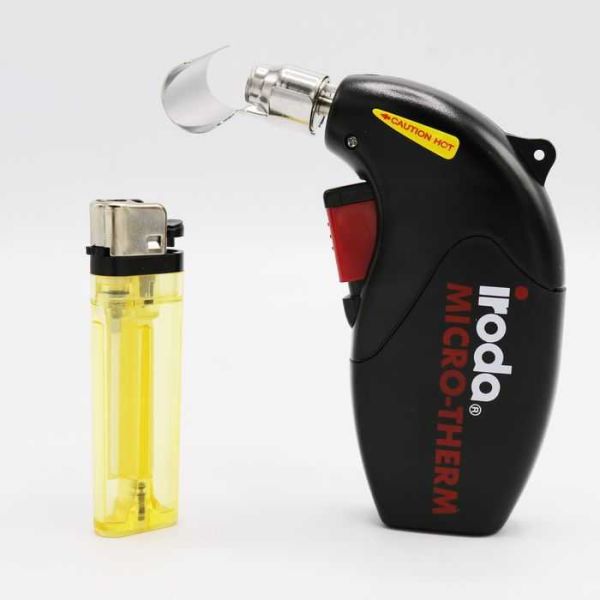
Mini Heat Guns
Mini or pencil heat guns are small and lightweight. They’re perfect for tight spaces or small-diameter heat shrink tubing.
Pros: Compact, easy to handle, great for electronics
Cons: Not suitable for large jobs, may not get hot enough for thick tubing
Key Features To Look For In A Heat Gun For Heat Shrink Tubing
When shopping for a heat gun, consider these important features:
- Temperature Range: Look for a model that can reach at least 200°C (392°F). Lower temperatures are fine for thin tubing, but thicker tubing needs more heat.
- Adjustable Settings: Variable temperature and fan speed give you more control and help avoid overheating or burning the tubing.
- Nozzle Attachments: Some heat guns come with different nozzles—like reflector or concentrator nozzles. These help direct heat more precisely, making it easier to shrink tubing evenly.
- Size and Weight: If you work in tight spaces or with small wires, a smaller, lighter gun is easier to handle.
- Safety Features: Look for cool-down modes, thermal cut-off, and stable stands to avoid accidents.
- Corded or Cordless: Think about where you’ll use it most. Cordless is good for fieldwork, while corded models are better for long jobs.
- Price and Quality: Cheap models can overheat or break. Spending a little more on a quality tool is usually worth it.
Example Data: Typical Heat Gun Specifications
Here is a quick comparison of common heat gun specs:
| Model Type | Temp Range (°C) | Air Flow (L/min) | Power (W) | Weight (kg) |
|---|---|---|---|---|
| Basic Electric | 50 – 500 | 200 – 400 | 1500 | 0.7 |
| Adjustable | 50 – 650 | 250 – 500 | 1800 | 0.9 |
| Cordless | 150 – 530 | 200 – 300 | 300 | 0.6 |
| Mini Heat Gun | 100 – 300 | 100 – 200 | 300 | 0.3 |
How To Use A Heat Gun For Heat Shrink Tubing
Getting good results is easy if you follow the right steps. Here’s how to use a heat gun for heat shrink tubing, even if you’re a beginner.
1. Prepare Your Wires And Tubing
- Make sure all electrical connections are solid and well insulated.
- Cut a piece of heat shrink tubing about 20–30% longer than the area you want to cover.
- Slide the tubing over the wire or connector before you make the final connection.
2. Set Up The Heat Gun
- Choose the right nozzle if your heat gun has options. A reflector nozzle is best for tubing.
- Set the temperature to a low or medium setting to start. You can increase it if needed.
- Plug in the gun or check that the battery is charged.
3. Apply Heat Evenly
- Hold the heat gun about 2–4 cm (1–1.5 inches) away from the tubing.
- Move the gun slowly back and forth, turning the wire if possible, so the tubing heats evenly.
- Watch carefully—when the tubing shrinks tightly and evenly, stop heating.
- Don’t stay in one spot too long, or you might burn the tubing or wire.
4. Let It Cool
- After shrinking, let the tubing cool for a few seconds before touching it.
- Check that it’s tight and smooth. If not, you can reheat gently.
5. Inspect Your Work
- Make sure there are no gaps or bubbles under the tubing.
- If you see burns, melted spots, or uneven shrinking, adjust your technique next time.
Practical Tip: Practice First
If you’ve never used a heat gun before, practice on some scrap wire and tubing. This helps you get a feel for the heat and distance needed.
Common Mistakes When Using A Heat Gun For Heat Shrink Tubing
Many beginners make the same errors when starting out. Avoid these to get better results:
- Overheating: Using too high a temperature can burn or melt the tubing.
- Too Much Distance: Holding the gun too far away means the tubing won’t shrink evenly.
- Staying in One Spot: This causes burns or holes in the tubing.
- Wrong Tubing Size: Using tubing that’s too small or too large gives poor coverage.
- Skipping Nozzle Attachments: Not using a reflector or concentrator nozzle can make heating uneven, especially for small jobs.
- Rushing: Moving too fast or stopping before the tubing is fully shrunk leads to loose or ineffective insulation.
Choosing The Right Heat Shrink Tubing For Your Project
The heat gun is only half of the equation. The type of heat shrink tubing also matters. Here are a few things to consider:
Tubing Diameter
Pick tubing with an inner diameter about 25–50% larger than the wire or connector before shrinking. Most tubing will shrink to half its original size, but check the label.
Shrink Ratio
Common ratios are 2:1, 3:1, and 4:1. For example, 2:1 tubing will shrink to half its original size, while 3:1 shrinks to one-third. Use higher ratios for irregular shapes.
Material
- Polyolefin: Most common, flexible, and flame-retardant
- PVC: Cheaper, less flexible, not as heat-resistant
- Fluoropolymer: Used for harsh environments, expensive
Adhesive-lined Tubing
Some tubing has a glue lining inside. When heated, the glue melts and seals out moisture, making it perfect for outdoor or marine use.
Color And Marking
Colored tubing can help identify wires. Clear tubing is good for showing labels or markings underneath.

Safety Tips When Using Heat Guns
Heat guns can reach very high temperatures, so safety is important. Follow these tips to avoid accidents:
- Wear gloves and safety glasses to protect from heat and fumes.
- Work in a well-ventilated area—some tubing can release fumes when heated.
- Keep flammable materials away from your work area.
- Never point the gun at yourself or others.
- Let the gun cool down before storing.
- Use the stand or holder when setting the hot gun down.
- Unplug after use to prevent accidental burns or fires.
Real-world Data: Common Accident Causes
According to a study by the Electrical Safety Foundation International, over 40% of workshop burns are caused by improper use of heat tools. Most accidents happen when users touch the hot nozzle or leave the gun running unattended.
Advanced Tips: Getting The Best Results
If you want your heat shrink work to look professional, try these extra tips:
- Preheat larger connectors: For big splices or connectors, preheat with the gun before sliding on the tubing.
- Use a heat reflector nozzle: This wraps heat evenly around the tubing, reducing the chance of burns.
- Secure wires before shrinking: Wires can move as the tubing shrinks, so hold them in place.
- Double up for extra protection: For high-stress areas, use two layers of tubing—one over the other.
- Check for complete seal: After shrinking, tug gently on the tubing to make sure it’s tight and fully sealed.
Non-obvious Insight 1: Cool Down Matters
Many people forget that tubing continues to shrink a little as it cools. If you stop heating while the tubing is just snug, it will tighten further as it cools, giving a perfect fit.
Non-obvious Insight 2: Watch For Tubing Memory
Heat shrink tubing can sometimes “remember” bends or creases from storage. Roll the tubing between your fingers before using to help it relax and shrink smoothly.
Comparing Top Heat Gun Models For Heat Shrink Tubing
Choosing the right heat gun can be confusing with so many brands and features. Here is a side-by-side comparison of popular models used by professionals and DIYers.
| Brand/Model | Max Temp (°C) | Adjustable? | Nozzle Types | Price Range | Best For |
|---|---|---|---|---|---|
| Wagner Furno 300 | 570 | No | Basic | $25–$35 | Home Use |
| Dewalt D26960 | 600 | Yes (Digital) | Multiple | $80–$100 | Professional |
| Makita HG6530V | 650 | Yes (Digital) | Wide Range | $110–$130 | Heavy Duty |
| Milwaukee M18 Cordless | 470 | No | Basic | $150–$180 | Portable/Field |
| Chandler Mini Heat Gun | 260 | No | Fine Tip | $20–$30 | Crafts/Electronics |
What Really Matters When Choosing
- For electronics or small wires: Look for a mini heat gun or one with a fine nozzle.
- For automotive or marine use: Cordless models are best for working in tight spots or outdoors.
- For workshops or frequent use: Get a model with adjustable temperature and multiple nozzles.
Heat Gun Vs. Other Shrinking Methods
You might wonder if there are alternatives to a heat gun for shrinking tubing. Here’s a look at common options:
| Method | Pros | Cons |
|---|---|---|
| Heat Gun | Controlled, even heat; safe; professional results | Needs power; can be bulky |
| Hair Dryer | Easy to find; safe for thin tubing | Not hot enough for most jobs; uneven shrinking |
| Lighter/Flame | Portable; no electricity needed | High risk of burns; uneven; can damage wire |
| Oven/Toaster Oven | Good for batch jobs | Not practical for wires; risk of overheating |
Caring For And Maintaining Your Heat Gun
To keep your heat gun working safely and efficiently:
- Clean the nozzle regularly to remove dust or melted tubing.
- Check the cord for wear or damage before each use.
- Let the gun cool before storing.
- Store in a dry place to avoid rust or moisture damage.
- Do not block air vents, as this can overheat the gun.
A well-maintained heat gun can last for many years, even with regular use.
Environmental And Health Considerations
Some types of heat shrink tubing, especially PVC, can release harmful fumes when heated. Always:
- Use polyolefin tubing when possible—it’s safer and more environmentally friendly.
- Work in a space with good air flow.
- Avoid inhaling fumes, especially if you use adhesive-lined tubing.
If you work with heat shrink tubing often, consider a heat gun with a built-in air filter.
For more on safe and sustainable electronics practices, see EPA’s Electronics Recycling Guide.

Frequently Asked Questions
What Temperature Should I Use To Shrink Heat Shrink Tubing?
Most heat shrink tubing shrinks at 90°C to 200°C (194°F to 392°F). Check the tubing label for the recommended temperature. Start with a lower setting and increase if needed. Too much heat can burn the tubing.
Can I Use A Heat Gun For Other Tasks Besides Heat Shrink Tubing?
Yes. Heat guns are very versatile. You can use them for paint removal, thawing pipes, bending plastic, drying, and even crafts. Always use the right temperature and nozzle for your specific task.
Is It Safe To Use A Heat Gun Indoors?
It is safe if you follow basic safety rules. Keep the area ventilated, especially if using tubing that may release fumes. Keep flammable objects away and never leave a hot gun unattended.
How Do I Know When The Heat Shrink Tubing Is Fully Shrunk?
The tubing will become tight, smooth, and will clearly show the shape of the wire or connector underneath. If you see bubbles, wrinkles, or gaps, heat a bit more—moving the gun for even coverage.
Do I Need Special Training To Use A Heat Gun For Heat Shrink Tubing?
No special training is needed, but you should read the manual and practice on scrap material first. Always follow safety instructions and start with low heat settings if you’re new to using a heat gun.
Using a heat gun for heat shrink tubing is a simple way to get professional, reliable results in electrical work and many other projects. With the right tool and a little care, you can protect your connections and make your work look clean and safe.
Whether you’re working on a quick repair or a big job, the right heat gun makes all the difference.