
If you discover a wet carpet in your home, your first instinct might be to reach for the vacuum. It seems fast and easy, especially if you want to prevent stains, mold, or bad smells. But is it really safe or effective to vacuum a wet carpet?
Many homeowners and renters face this problem after leaks, spills, or floods. The right method can save your carpet and even your floor, but the wrong one may cause more damage or create a safety hazard. Let’s explore everything you need to know about vacuuming wet carpets, so you can act confidently and protect your home.
Why Carpets Get Wet And Why It Matters
Wet carpets are more than just annoying—they can quickly become a serious problem. Water in carpets can come from many sources:
- Spills: Drinks, food, or even cleaning products.
- Plumbing leaks: Pipes, sinks, toilets, or water heaters.
- Weather: Flooding, heavy rain, or roof leaks.
- Appliances: Dishwashers, washing machines, or air conditioning units.
When a carpet gets wet, it creates the perfect home for mold and bacteria. Within 24 to 48 hours, mold can start to grow. This can cause health issues, especially for people with allergies or breathing problems. Wet carpets can also damage the floor underneath, leading to warping, rot, or permanent stains. That’s why fast, smart action is so important.
Can You Vacuum Wet Carpet? The Short Answer
You cannot safely use a regular vacuum on wet carpet. Most household vacuums are made for dry dirt and dust. If you try to vacuum up water or a soaked carpet, you risk:
- Electric shock: Water conducts electricity. Using a dry vacuum on wet surfaces is dangerous.
- Damaging the vacuum: Water can ruin the motor, filters, and electrical parts.
- Spreading bacteria: Wet messes inside the vacuum can grow mold and smell bad.
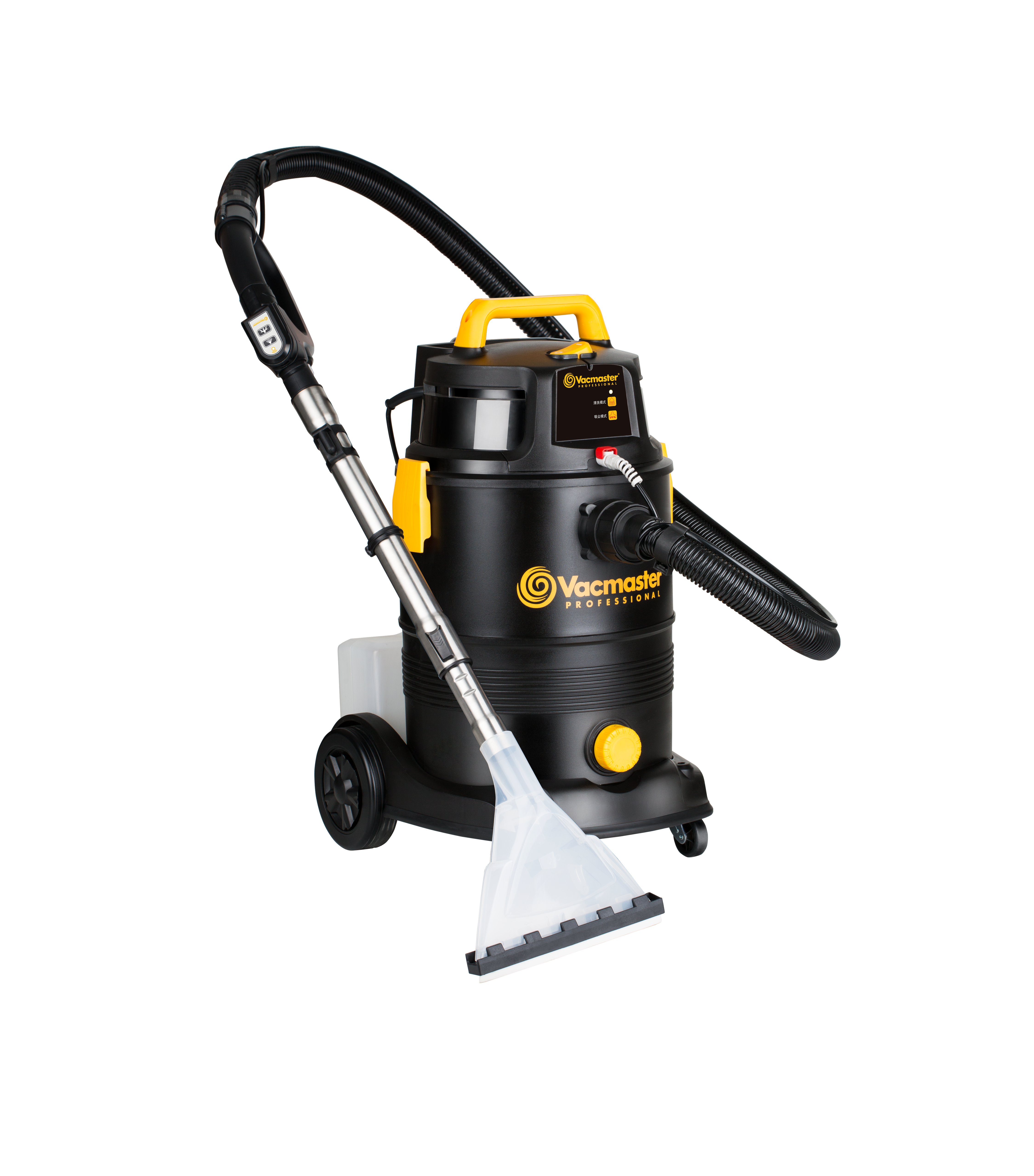
However, there are special machines called wet/dry vacuums (also known as shop-vacs) that are designed to handle water. These can safely remove water from carpets, but you need to use them correctly.
Understanding The Difference: Regular Vacuums Vs. Wet/dry Vacuums
Not all vacuums are created equal. Here’s how regular vacuums and wet/dry vacuums compare:
| Feature | Regular Vacuum | Wet/Dry Vacuum |
|---|---|---|
| Designed for Liquids? | No | Yes |
| Can Handle Wet Carpet? | No (dangerous) | Yes (safe) |
| Motor Protection | Not waterproof | Waterproof seals |
| Tank for Water | Dust bag only | Large water tank |
| Risk of Mold/Bacteria | High | Low (if cleaned) |
| Price | Cheaper | More expensive |
Wet/dry vacuums are built to safely suck up water and other spills. They have sealed motors and special tanks to collect liquids. Regular vacuums do not. Using the wrong machine can be dangerous for you and your home.
Steps To Safely Vacuum A Wet Carpet
If you have a wet carpet and a wet/dry vacuum, follow these steps to remove water effectively and safely:
1. Stop The Source And Clear The Area
Before you start, make sure you have stopped the leak or spill. Unplug any electrical devices near the wet area. Remove furniture and anything else on the carpet to prevent further damage.
2. Check Your Equipment
Only use a wet/dry vacuum (shop-vac) for this job. Make sure it is set up for liquid pick-up:
- Remove any dust bags or filters not rated for water.
- Attach the correct nozzle or floor tool.
- Check that the tank is empty and clean.
3. Vacuum Slowly And Evenly
Move the vacuum slowly over the wet area. Press gently to help the machine suck up as much water as possible. Go over each section several times. Empty the tank when it gets full.
4. Dry The Carpet Fully
Vacuuming removes a lot of water, but not all. Use towels to blot up extra moisture. Open windows and doors to let air circulate. Use fans or a dehumidifier to speed up drying. If possible, lift the carpet edges so air can flow underneath.
5. Clean And Disinfect
After removing the water, clean the carpet with a disinfectant or carpet cleaner to kill bacteria and mold. Clean the vacuum tank and parts as well.
Tip: Even if your carpet feels dry on top, the padding underneath can still be wet. It’s important to dry both layers to stop mold.

What If You Only Have A Regular Vacuum?
If you don’t have a wet/dry vacuum, do NOT use your regular vacuum on a wet carpet. Instead, try these steps:
- Use towels or rags to soak up as much water as possible.
- Press down with your hands or stand on the towels to absorb more.
- Use fans or a dehumidifier to speed up drying.
- If the area is large or very wet, rent a wet/dry vacuum or call a professional.
Some stores rent out wet/dry vacuums for emergencies. This can be a smart choice if you don’t want to buy one.
The Dangers Of Using A Regular Vacuum On Wet Carpet
Using a standard vacuum on a wet carpet is never a good idea. Here’s why:
- Electric shock risk: Water can cause a short circuit or shock, putting your safety at risk.
- Vacuum damage: Water ruins the motor, rusts metal parts, and destroys filters.
- Fire hazard: Water inside an electrical appliance can even cause a fire.
- Mold and bacteria: The inside of your vacuum becomes wet, dark, and warm—perfect for germs.
Not everyone knows that a vacuum’s warranty usually does not cover water damage. If you break your vacuum this way, repairs or replacements are often not covered.
How Wet Can A Carpet Be Before You Need A Wet/dry Vacuum?
Sometimes, a carpet is only a little damp (for example, after cleaning or a small spill). In these cases, you can blot with towels and use fans. But if you step on the carpet and see water pool around your foot, it’s wet enough to need a wet/dry vacuum.
Here’s a simple way to check:
- Damp: Feels cool or slightly wet, but no water pools. Use towels and fans.
- Wet: Water pools when pressed. Use a wet/dry vacuum.
- Soaked: Squishy and water flows up when pressed. May need professional help.
When To Call A Professional
Not all water damage can be fixed at home. You should call a professional carpet cleaner or water damage restoration service if:
- The carpet has been wet for more than 24 hours.
- The water is dirty (from sewage, toilets, or floods).
- The area is very large or you cannot dry it quickly.
- You smell mold or mildew.
Professionals have powerful equipment and can often save your carpet and floors when DIY methods cannot.
How Long Does It Take To Dry A Wet Carpet?
The drying time depends on several factors:
- Amount of water: More water takes longer.
- Type of carpet: Thick, padded carpets hold more water.
- Room ventilation: Open windows and fans help speed up drying.
- Weather: Humid weather slows drying, while dry air helps.
On average, it takes 12 to 24 hours to dry a carpet after using a wet/dry vacuum and fans. If you skip the vacuum and only use towels and fans, it may take several days.
Preventing Mold And Mildew
Mold is the biggest risk with wet carpets. Mold grows best in dark, damp areas and can start in as little as 24 hours. To stop mold:
- Remove as much water as possible, as quickly as possible.
- Keep the area well-ventilated.
- Use a dehumidifier if you have one.
- Clean with a disinfectant after drying.
If you see black, green, or white spots on the carpet, or smell a musty odor, mold may have started to grow. This is a sign to call in professionals.
Common Mistakes People Make With Wet Carpets
Many people make these errors, which can make the problem worse:
- Using a regular vacuum: This can damage the machine and cause safety risks.
- Waiting too long: The longer you wait, the higher the risk of mold.
- Not drying the padding: The carpet may feel dry, but the padding underneath stays wet.
- Skipping cleaning: Water from leaks or floods often contains bacteria.
- Ignoring small wet spots: Even small areas can grow mold if not dried properly.
Professional Equipment Vs. Home Equipment
If you want to understand the difference between professional and home equipment, look at this comparison:
| Feature | Home Wet/Dry Vacuum | Professional Restoration Equipment |
|---|---|---|
| Water Removal Power | Moderate | Very high |
| Carpet Drying Speed | 12-24 hours | 6-12 hours |
| Ability to Clean Padding | Limited | Yes |
| Mold Treatment | No | Yes |
| Cost | Low | High |
Professional equipment is much more powerful and can dry carpets and padding much faster. They also use special cleaning agents to kill mold and bacteria.
Choosing The Right Wet/dry Vacuum
If you decide to buy a wet/dry vacuum, consider these factors:
- Capacity: Larger tanks mean fewer trips to empty water.
- Motor power: Higher wattage gives stronger suction.
- Attachments: Look for floor nozzles designed for water.
- Ease of cleaning: Tanks and filters should be easy to wash.
- Cord length: Longer cords allow you to reach farther.
Wet/dry vacuums are available at most hardware stores and online. Prices range from $50 for small models to several hundred for large, commercial types.
How To Maintain Your Wet/dry Vacuum
After using your wet/dry vacuum for water, it’s important to keep it clean:
- Empty and rinse the tank right away.
- Wash and dry filters (if reusable).
- Wipe down hoses and nozzles.
- Let all parts dry completely before storing.
This prevents mold and keeps your vacuum working longer.
What About Carpet Extractors And Steam Cleaners?
Some people confuse carpet extractors and steam cleaners with wet/dry vacuums. Here’s the difference:
- Carpet extractors: Spray water and cleaning solution, then suck it back up. Great for cleaning, but not for large floods.
- Steam cleaners: Use hot water vapor for deep cleaning. Not made for water removal.
- Wet/dry vacuums: Best for sucking up water quickly after leaks or spills.
If your carpet is soaked, a wet/dry vacuum is the right tool to start.
Special Situations: Pet Urine, Sewage, And Contaminated Water
If your carpet is wet from pet urine, sewage, or dirty floodwater, you face extra problems. These situations bring germs and smells that are hard to remove.
- Pet urine: Clean up water first. Then use an enzymatic cleaner to break down smells and stains.
- Sewage: Do not try to clean this yourself. Sewage contains dangerous bacteria. Call professionals.
- Floodwater: May contain chemicals and dirt. Wear gloves and a mask, and clean thoroughly.
In all cases, drying is just the first step. Deep cleaning and disinfecting are also needed.
Insurance And Wet Carpets
Home insurance may cover water damage, but policies vary. Here are some important points:
- Sudden events: Burst pipes or appliance leaks are often covered.
- Slow leaks or neglect: Usually not covered.
- Flooding from outside: Usually only covered with special flood insurance.
Take photos of the damage and keep records of what you do. This can help if you need to file a claim.
Real-life Example: How One Homeowner Saved Their Carpet
After a washing machine overflowed, Maria found her living room carpet soaked. She acted fast:
- She unplugged all electrical devices near the wet area.
- She used towels to soak up as much water as possible.
- She rented a wet/dry vacuum from a local hardware store and slowly vacuumed the area.
- She ran fans and opened windows for 24 hours.
- She cleaned the carpet with a disinfectant.
Because she worked quickly, the carpet dried in 18 hours and no mold appeared. If she had used her regular vacuum or waited too long, she might have needed to replace the carpet.
:max_bytes(150000):strip_icc()/how-to-use-a-shop-vac-for-water-5081535-01-ba6add11c48944c7b18ca1a26c167b7f.jpg)
Two Insights Most People Miss
- Padding holds more water than you think. Even if the top of the carpet feels dry, the layer underneath can still be wet. This hidden moisture is where mold loves to grow. Always check the padding and dry it thoroughly.
- Humidity matters. Even if you remove all visible water, high humidity in the room can slow drying and help mold grow. Using a dehumidifier is often more important than just using fans, especially in basements or rainy weather.
Tips For Preventing Future Carpet Water Damage
- Fix leaks and drips right away.
- Avoid placing carpets in areas prone to water (like basements without waterproofing).
- Keep windows closed during heavy rain if water can get inside.
- Use waterproof mats under appliances.
- Clean gutters and downspouts to prevent roof leaks.
Prevention is always easier and cheaper than repair.
Frequently Asked Questions
Can I Use A Regular Vacuum If The Carpet Is Only A Little Damp?
No, even a slightly damp carpet can damage your regular vacuum. Always use towels or fans for small damp spots. Only use a wet/dry vacuum if the carpet is truly wet.
How Do I Know If My Vacuum Can Handle Water?
Check the manufacturer’s instructions. If it says “wet/dry” or mentions liquid cleaning, it is safe. If not, do not use it on wet surfaces.
Will My Carpet Smell After Getting Wet?
If you dry it quickly and clean it well, most smells will go away. But if water sits too long, bacteria and mold can cause a musty odor. Cleaning with a disinfectant helps remove smells.
What Should I Do If The Padding Under The Carpet Is Still Wet?
Lift the carpet edge and use towels or a wet/dry vacuum to remove water from the padding. If the padding stays wet for more than a day, you may need to replace it to prevent mold.
Where Can I Rent A Wet/dry Vacuum?
Many hardware stores, home improvement centers, and equipment rental shops offer wet/dry vacuums for rent. You can also search online for local rental options.
Wet carpets don’t have to mean disaster. With the right tools and quick action, you can save your carpet and protect your home from lasting damage. Always remember, never use a regular vacuum on wet carpet—choose the right method, and your floors will thank you. For more details on safe cleaning practices, you can visit the EPA’s official mold cleanup guide.