
When you need to cut wood, metal, or even plastic, two powerful tools often come to mind: the reciprocating saw and the chainsaw. Both are designed to make cutting tasks easier, but they are made for different jobs. Choosing the right tool can save you time, effort, and even prevent accidents. Many people think these saws are similar, but in reality, their uses, designs, and results are quite different. Understanding the differences will help you pick the best tool for your next project—whether you are a homeowner, DIY enthusiast, or professional.
This article will give you a complete look at reciprocating saws vs chainsaws. We’ll compare their features, strengths, weaknesses, safety, and costs. You’ll find real examples, professional advice, and even some important tips most beginners miss. By the end, you will feel confident about which saw to use and when.
What Is A Reciprocating Saw?
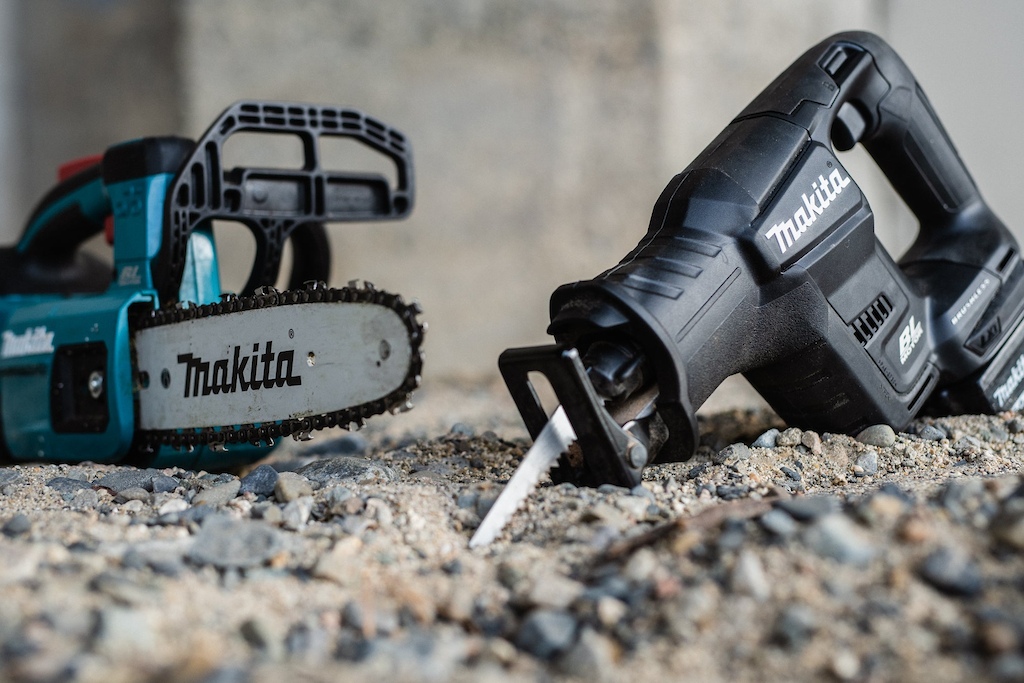
A reciprocating saw is a handheld power tool with a straight blade that moves back and forth—like a hand saw but powered by electricity or a battery. The blade is usually narrow and pointed, making it great for cutting in tight spaces or awkward angles.
You may also hear people call it a “Sawzall,” which is actually a popular brand name, but many use it to describe any reciprocating saw.
Common Uses For Reciprocating Saws
- Demolition work: Cutting through drywall, nails, wood, and metal pipes.
- Pruning small branches: Quick trims for garden work.
- Window or door replacement: Cutting frames and removing old fixtures.
- Plumbing and electrical work: Slicing through pipes or conduit in hard-to-reach areas.
- Automotive repairs: Cutting exhausts or sheet metal.
Key Features
- Compact design: Fits in small or awkward places.
- Interchangeable blades: Use different blades for wood, metal, or plastic.
- Variable speed control: Adjust speed for different materials.
- Lightweight: Usually between 3-9 pounds (1.5-4 kg).
Advantages
- Versatile: Cuts many materials, not just wood.
- Portable: Easy to carry and use with one hand.
- Precise: Good for controlled cuts and curves.
- Affordable: Basic models start around $50.
Limitations
- Not for large trees: Can only handle small branches.
- Shorter blade: Limits depth and width of cut.
- Vibration: Some models can feel rough after long use.
Example
Imagine you are removing an old window frame. A reciprocating saw lets you cut through nails, wood, and even metal brackets without needing much space or special setups. You can swap blades in seconds, making it easy to switch from wood to metal cutting.
What Is A Chainsaw?
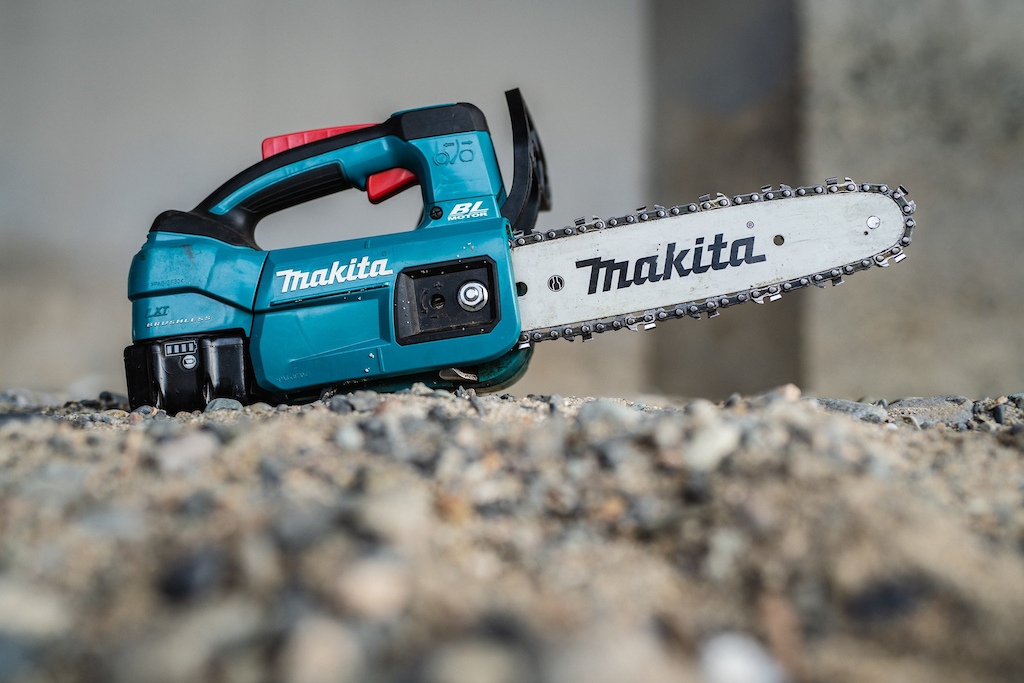
A chainsaw is a powerful cutting tool with a rotating chain fitted with sharp teeth, running around a long guide bar. The motor (electric or gasoline) moves the chain at high speed, allowing it to slice through thick wood quickly.
Chainsaws are famous for their use in tree felling, logging, and cutting firewood, but they have other uses as well.
Common Uses For Chainsaws
- Tree felling: Cutting down whole trees.
- Limbing: Removing branches from a felled tree.
- Bucking: Cutting logs into sections.
- Firewood preparation: Chopping large pieces into smaller, manageable chunks.
- Storm cleanup: Clearing fallen trees and debris.
Key Features
- Long bar and chain: Usually from 12 to 36 inches (30–90 cm).
- Powerful motor: Gas or electric options, from 1.5 to 6+ horsepower.
- Chain brake: Stops the chain quickly for safety.
- Automatic oiling: Keeps the chain lubricated.
Advantages
- Fast cutting: Slices through thick wood in seconds.
- Handles big jobs: No problem with large logs or tree trunks.
- Durable: Built for outdoor use and rough conditions.
- Wide range of sizes: From small electric to heavy-duty gas models.
Limitations
- Heavy and noisy: Weighs 10-20+ pounds (4.5–9 kg), can be tiring to use.
- Maintenance: Needs regular oil, sharpening, and cleaning.
- Less precise: Not for small or delicate cuts.
- Higher cost: Quality chainsaws start around $100 and can go much higher.
Example
Suppose a big tree falls in your yard after a storm. A chainsaw lets you cut it into pieces quickly, so you can clear the area or prepare firewood. Trying this with a reciprocating saw would take hours and wear out several blades.
Core Differences: Reciprocating Saw Vs Chainsaw
Let’s look at the most important differences side by side:
| Feature | Reciprocating Saw | Chainsaw |
|---|---|---|
| Blade Type | Straight, replaceable | Rotating chain with teeth |
| Cutting Motion | Back-and-forth (reciprocating) | Continuous rotation |
| Best For | Metal, plastic, small wood, demolition | Large wood, logs, trees, firewood |
| Precision | High (can make small cuts) | Low (rough, fast cuts) |
| Portability | Very portable, fits tight spaces | Larger, needs space to operate |
| Maintenance | Low | High (sharpening, oil, cleaning) |
| Typical Weight | 3–9 lbs (1.5–4 kg) | 10–20+ lbs (4.5–9 kg) |
| Noise Level | Moderate | High |
| Cost Range | $50–$250 | $100–$500+ |
When To Use A Reciprocating Saw
Sometimes, people try to use a chainsaw for every cutting job. This often leads to poor results, wasted time, or even damage. Here’s when a reciprocating saw is the right tool:
Indoor Demolition
If you’re removing walls, old cabinets, or pipes, a reciprocating saw is perfect. Its small blade fits into tight areas, and you can switch blades to cut metal, plastic, or wood. For example, plumbers and electricians rely on reciprocating saws to slice through pipes hidden behind walls.
Pruning Small Branches
For garden work, a reciprocating saw can quickly trim small branches (usually up to 3–4 inches thick). It’s lighter than a chainsaw and easier to control for precise cuts.
Cutting In Confined Spaces
If you need to cut something flush against a wall or in a corner, only a reciprocating saw can do it. Chainsaws are too bulky for these jobs.
Dealing With Mixed Materials
When you’re cutting out an old window or door, you might hit nails, screws, wood, and even plastic. A reciprocating saw with the right blade can handle all these without stopping.
Quick Automotive Repairs
Need to cut a stuck bolt or rusty exhaust pipe? The reciprocating saw is a favorite in auto shops for this reason.
Non-obvious insight: Many people don’t realize you can use a reciprocating saw to cut tree roots underground. With a proper demolition blade, it slices through roots mixed with dirt and small rocks. Chainsaws get damaged easily in this situation.
When To Use A Chainsaw
A chainsaw is unmatched for outdoor heavy-duty jobs. Here’s when it’s the right choice:
Felling Trees
Cutting down trees safely and quickly requires the power and bar length of a chainsaw. Reciprocating saws are simply not strong enough for the job.
Cutting Large Logs
If you have to cut logs for firewood or clear large branches, a chainsaw is the fastest tool. Even a small chainsaw can slice through 10-inch logs in seconds.
Storm Cleanup
After storms, fallen trees and branches block roads and yards. Chainsaws can clear these quickly, helping restore normal life.
Shaping Firewood
When you need to cut logs into smaller pieces for burning, nothing beats a chainsaw’s speed.
Thick Pruning
If you need to cut branches over 4 inches thick, or trim a large hedge, a chainsaw is the right tool.
Non-obvious insight: Chainsaws are not just for wood. Special chains and bars can cut through ice or even certain plastics in industrial settings.
Pros And Cons: Reciprocating Saw
Let’s dig deeper into why you might choose a reciprocating saw, and where it might fall short.
Pros
- Versatile: Switch blades for different jobs—wood, metal, even ceramic tile.
- Easy to use: Beginners can learn the basics quickly.
- Safer indoors: Less risk of kickback compared to a chainsaw.
- One-handed operation: Many models are light enough for single-handed use.
- Affordable: Lower starting cost and blade replacement is cheap.
Cons
- Not for big jobs: Cutting thick logs or large branches will be slow and hard on the tool.
- High vibration: Can be tiring for long periods.
- Less power: Struggles with hardwood or thick metal.
- Short blade reach: Not suitable for deep cuts.
Example In Practice
A homeowner doing a bathroom remodel needs to cut out old metal pipes and some wooden studs. The reciprocating saw is perfect—quick, controlled, and less messy than other saws.

Pros And Cons: Chainsaw
Chainsaws are powerful, but they come with their own set of challenges.
Pros
- High cutting power: Handles big logs, thick branches, and even whole trees.
- Fast: Can finish a job in minutes that would take hours with other tools.
- Durable: Built to last in tough outdoor conditions.
- Adaptable sizes: From small electric models to large gas saws for professionals.
Cons
- Heavy and tiring: Extended use can cause fatigue.
- Noise and fumes: Gas models are loud and produce exhaust.
- Regular maintenance: Needs chain sharpening, oiling, and cleaning.
- Higher risk: Chainsaws can be dangerous if used incorrectly.
- Not for fine work: Poor choice for precise or indoor cuts.
Example In Practice
After a windstorm, a large tree has fallen across a driveway. A chainsaw can cut it into manageable pieces in under an hour, while any other saw would struggle.
Safety: Reciprocating Saw Vs Chainsaw
Safety should always come first when using powerful cutting tools. Both saws can be dangerous, but the risks are different.
Reciprocating Saw Safety
- Lower risk of kickback: But it can still “jump” if the blade binds.
- Wear eye and hand protection: Flying debris is common.
- Secure your workpiece: Prevent it from moving while cutting.
- Keep both hands on tool: Especially for metal or thick materials.
- Blades can overheat: Let the blade cool between cuts.
Chainsaw Safety
- High risk of kickback: The chain can bounce back toward the user.
- Always use both hands: Never operate one-handed.
- Wear full protection: Helmet, face shield, gloves, chaps, and boots.
- Check chain tension and oil: Before every use.
- Clear the area: No bystanders or pets nearby.
- Use proper stance: Keep feet apart and balanced.
Non-obvious insight: Chainsaws can cause serious injury even when turned off. The chain stays sharp, and accidental contact can cut skin or clothing. Always keep the chain cover on when not in use.
Maintenance Requirements
Both saws need care to keep working safely and efficiently, but the level and type of maintenance differ.
Reciprocating Saw Maintenance
- Blade changes: Replace blades when dull or bent.
- Clean dust and debris: Use compressed air or a soft brush.
- Check battery (for cordless models): Store with a partial charge.
- Lubricate moving parts: Follow the manufacturer’s guide.
- Inspect power cord: Look for fraying or damage.
Chainsaw Maintenance
- Sharpen the chain: Use a file or special tool after every few hours of use.
- Check chain tension: Too loose or too tight is dangerous.
- Oil the chain: Always keep the reservoir filled.
- Clean the air filter: Prevents engine damage.
- Inspect the spark plug (for gas models): Replace as needed.
- Store safely: Drain fuel for long-term storage.
Beginner mistake: Many new chainsaw owners forget to check chain tension often. A loose chain can fly off and cause injury.
Cost Comparison And Value
Price is often a deciding factor for many buyers. Here’s a breakdown of the typical costs involved:
| Item | Reciprocating Saw | Chainsaw |
|---|---|---|
| Basic Tool Price | $50–$250 | $100–$500+ |
| Blade/Chain Cost | $5–$20 (per blade) | $15–$40 (per chain) |
| Accessories (oil, files) | Minimal | $20–$50/year |
| Maintenance Time | Low | High |
| Expected Lifespan | 5–10 years | 5–15 years |
Long-term Value
If you mainly do indoor, renovation, or small yard jobs, a reciprocating saw is often a better value. For anyone with large trees, firewood needs, or regular outdoor work, the extra cost of a chainsaw pays off in time saved.
Choosing The Right Tool: Key Questions To Ask
Before you buy, consider these questions:
- What materials will you cut most often?
- Wood, metal, plastic, or mixed? Reciprocating saw is more versatile.
- Thick logs or large trees? Chainsaw is essential.
- Where will you use it?
- Indoors or tight spaces: Reciprocating saw.
- Outdoors, open areas: Chainsaw.
- How often will you use it?
- Occasional projects: Budget model may be enough.
- Frequent heavy use: Invest in higher quality.
- Do you have experience with power tools?
- Beginners may find reciprocating saws easier and safer.
- What’s your budget for tool and upkeep?
- Remember to include costs for blades, chains, oil, and safety gear.
Real-world Scenarios: Which Saw Is Best?
Let’s look at a few real examples to help you decide.
Scenario 1: Kitchen Renovation
You need to cut old wood framing, some metal pipes, and maybe a few screws. The space is tight and messy. The reciprocating saw wins because it’s compact and can switch blades for each material.
Scenario 2: Preparing Firewood
You want to turn logs from your backyard into firewood for winter. The chainsaw is the clear choice—it cuts logs quickly and can handle even thick trunks.
Scenario 3: Clearing After A Storm
A mix of small branches and one large tree are blocking your driveway. Start with a chainsaw for the big tree, then use a reciprocating saw for smaller branches close to your house or fence.
Scenario 4: Cutting Roots In The Garden
You’re digging and find thick roots blocking your path. A reciprocating saw with a demolition blade works best. Chainsaw blades dull quickly in dirt.
Scenario 5: Diy Metalwork
You need to cut metal rods or pipes for a home project. Only the reciprocating saw can do this safely and easily.
Environmental Impact
Power tools affect more than just your project—they also have an impact on the environment.
Reciprocating Saws
- Electric or battery-powered: Most models are now cordless, using rechargeable lithium-ion batteries.
- Lower emissions: No gasoline or oil needed.
- Less noise pollution: Better for residential areas.
Chainsaws
- Gas models: Emit fumes and greenhouse gases.
- Electric models: Cleaner but still less common for heavy-duty work.
- High noise: Can disturb neighbors and wildlife.
Tip: If you only need a chainsaw for small jobs, consider an electric model. They are cleaner and quieter.
Alternatives And Special Cases
Sometimes neither tool is perfect. Here are a few alternatives:
- Jigsaw: For fine, curved cuts in wood or thin metal.
- Circular saw: For long, straight cuts in wood sheets.
- Bow saw or hand saw: For small, occasional cuts without noise.
Unique use case: Some rescue teams use heavy-duty reciprocating saws to cut through cars or building debris during emergencies, where chainsaws would be too dangerous or impractical.
Common Mistakes And How To Avoid Them
With Reciprocating Saws
- Using the wrong blade for the material—always match blade to job.
- Pushing too hard—let the saw do the work to avoid bending blades.
- Not wearing safety glasses—debris flies everywhere.
With Chainsaws
- Skipping chain tension checks—can cause dangerous accidents.
- Forgetting chain oil—leads to overheating and damage.
- Trying to cut roots or dirt—dulls the chain quickly.
Professional Opinions And Data
According to a study from the U.S. Consumer Product Safety Commission, over 36,000 chainsaw injuries occur each year in the United States, mostly due to kickback or improper handling. Reciprocating saw injuries are less common and usually less severe, as these saws have less power and are used in more controlled environments (CPSC Injury Data).
Professionals in construction, landscaping, and emergency services often own both tools. They use each where it shines, rather than trying to make one do the job of the other.
Frequently Asked Questions
What Is The Main Difference Between A Reciprocating Saw And A Chainsaw?
The main difference is in their design and purpose. A reciprocating saw uses a straight, back-and-forth motion and is great for cutting many materials in tight spaces. A chainsaw uses a rotating chain and is made for quickly cutting through thick wood, especially outdoors.
Can I Use A Reciprocating Saw To Cut Down A Tree?
You can cut small branches or saplings (up to about 4 inches thick) with a reciprocating saw, but it is not suitable for felling large trees. For anything bigger, use a chainsaw for safety and speed.
Which Tool Is Safer For Beginners?
A reciprocating saw is generally safer for beginners. It has less power, lower risk of kickback, and is easier to control. However, all power tools require proper safety precautions.
Are Electric Chainsaws As Powerful As Gas Chainsaws?
Electric chainsaws are quieter and cleaner but usually less powerful than gas models. They are great for small to medium jobs but may struggle with very thick logs or constant heavy-duty use.
How Often Should I Sharpen The Chain On A Chainsaw?
You should sharpen the chainsaw chain after every few hours of cutting, or whenever you notice it is not cutting efficiently. Keeping the chain sharp reduces the risk of accidents and makes work easier.
Choosing between a reciprocating saw and a chainsaw comes down to your needs. Think about the type of cutting you’ll do, the environment, and your experience level. Both tools are powerful helpers when used for the right job. Understanding their differences will help you work faster, safer, and with better results.