
If you’ve ever watched a plasma cutter slice through thick metal like butter, you might wonder: Does a plasma cutter need gas? This question pops up for anyone new to metalworking or thinking about buying their first plasma cutter. The answer isn’t as simple as “yes” or “no,” because it depends on how plasma cutting works, what kind of machine you have, and the results you want.
In this article, you’ll find everything you need to know about gases and plasma cutters. We’ll dig into how plasma cutting works, which gases are used, why gas matters, and what happens if you try to cut without it. You’ll also see real-world examples, data, and expert tips to help you make smart decisions.
Whether you’re a hobbyist, a professional, or just curious, you’ll finish reading with a clear understanding of the role of gas in plasma cutting.
How Plasma Cutting Works
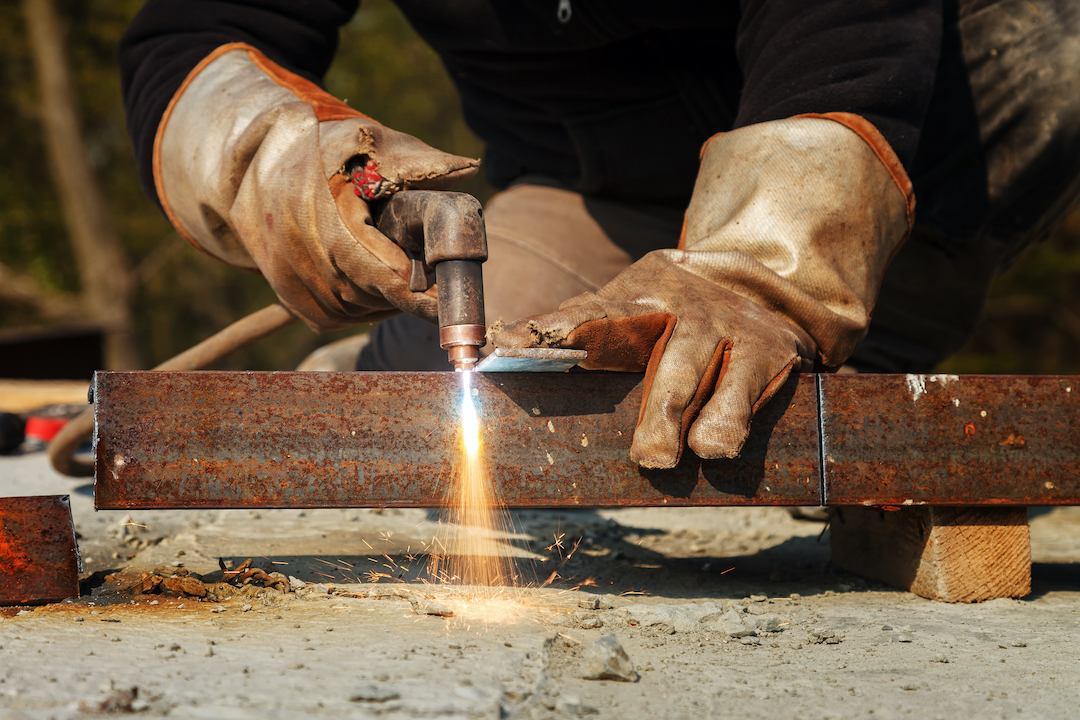
To understand why gas is important, you first need to know how a plasma cutter operates. Plasma cutting is a process that uses a jet of superheated, electrically ionized gas—called plasma—to melt and cut through metal. The plasma is created by sending an electric arc through a gas (often air or another suitable gas) that flows through the torch nozzle.
Here’s a simple breakdown of the steps:
- Electric Arc: The plasma cutter creates an electric arc between an electrode in the torch and the workpiece (the metal you want to cut).
- Gas Flow: A gas is blown through the nozzle at high speed. This gas can be compressed air, nitrogen, oxygen, argon, or a special gas mix.
- Plasma Creation: The electric arc ionizes the gas, turning it into plasma. Plasma is extremely hot—temperatures can reach up to 30,000°C (over 54,000°F).
- Cutting Action: The plasma jet melts the metal, and the high-speed gas blows the molten metal away, making a clean cut.
The whole system relies on gas to create and sustain the plasma. Without gas, you simply can’t generate the plasma needed for cutting.
Why Plasma Cutters Need Gas
The use of gas in plasma cutting is not optional—it’s essential. Here’s why:
- Ionization: Gas is needed to form the plasma. Only when the gas is ionized by the electric arc does it become hot enough to cut metal.
- Cooling: The flowing gas cools the torch nozzle and the work area, preventing overheating and damage.
- Material Removal: The gas flow pushes the molten metal away from the cut, leaving a cleaner edge.
Without gas, the system would fail at every step. Even so-called “air plasma” cutters still require a steady flow of compressed air (which is, of course, a mix of gases).
Types Of Gases Used In Plasma Cutting
Not all plasma cutters use the same gas. The best gas for the job depends on the type of metal, the thickness, and the desired quality of the cut. Here are the most common gases used:
1. Compressed Air
Compressed air is the most popular choice, especially for portable and hobbyist plasma cutters. It’s cheap, easy to get, and works well on mild steel, stainless steel, and aluminum up to medium thickness.
Pros:
- Readily available
- Low cost
- Good for general purpose cuts
Cons:
- Not as clean as specialty gases for very thick or high-quality cuts
2. Nitrogen
Nitrogen is often used for cutting stainless steel and aluminum. It provides a narrow, high-energy plasma jet, resulting in fast cuts and a smooth finish.
Pros:
- Fast cutting speeds
- Clean edges on stainless and aluminum
Cons:
- More expensive than air
- Not ideal for thick mild steel
3. Oxygen
Oxygen is the gas of choice for cutting carbon steel. It reacts with the metal, creating an exothermic reaction that increases the cutting speed.
Pros:
- High speed cutting on carbon steel
- Very clean cut edges
Cons:
- Can cause oxidation on other metals
- More costly than air
4. Argon-hydrogen Mixtures
A mix of argon and hydrogen is used for cutting thick stainless steel and aluminum (usually over 2 inches thick). The hydrogen increases the heat output, making it suitable for heavy-duty work.
Pros:
- High heat for thick metals
- Superior cut quality
Cons:
- Expensive
- Requires special gas supply systems
5. Argon
Argon is used for very thin metals or for plasma gouging. It provides a stable plasma, but not as much cutting power as other gases.
Pros:
- Stable plasma arc
- Good for thin metals
Cons:
- Slow cutting speed
- Not effective for thick materials
6. Specialty Gas Mixtures
Some professional plasma cutters use custom mixes, like argon-nitrogen or hydrogen-nitrogen, to optimize for specific metals or applications.
Key insight: Beginners often overlook that using the wrong gas can lead to poor cut quality, excessive dross (molten metal waste), or even damage the cutter. Always check your machine’s manual and choose the recommended gas for your material.
Do All Plasma Cutters Require External Gas?
Not all plasma cutters need a separate external gas cylinder. Many smaller or entry-level models use shop air (compressed air) from a compressor. These are often called “air plasma cutters” and are popular for home workshops.
Built-in Air Compressors
Some newer plasma cutters have a small built-in air compressor. This means you don’t need to connect an external gas source—just plug in the machine and start cutting. However, built-in compressors are usually less powerful and may not handle thick metals as well as larger models with dedicated compressors.
Professional And Cnc Plasma Cutters
Industrial and CNC (computer-controlled) plasma cutters often require external gas cylinders. They may use multiple gases in sequence, depending on the material and thickness. For example, a CNC plasma cutter might start with nitrogen for the pierce, then switch to oxygen for the cut.
Non-obvious insight: If you move your plasma cutter between job sites, using shop air or a built-in compressor can save time and hassle. But for best quality on demanding jobs, external specialty gases are often worth the investment.
What Happens If You Try To Use A Plasma Cutter Without Gas?
Many beginners wonder if they can skip the gas or use less of it to save money. This is a mistake for several reasons:
- No Plasma: Without gas, the machine can’t create plasma. No plasma means no cutting.
- Torch Damage: If you try to run the cutter without gas, the torch can overheat and fail, possibly causing permanent damage.
- Poor Cut Quality: Insufficient gas flow leads to a weak arc, rough cuts, and lots of dross.
- Safety Risks: Gas also cools the torch. Without enough gas, you risk burns, torch failure, or fire.
Key point: Never operate a plasma cutter without the correct gas flow. Always check your gas supply and pressure before starting.
How Gas Type Affects Cut Quality
The type of gas you choose changes how your plasma cutter performs in several ways:
- Cut Edge Quality: Some gases (like oxygen) give cleaner, smoother edges on certain metals.
- Speed: The right gas increases cutting speed, saving you time and money.
- Dross Formation: The wrong gas can leave a lot of dross, which needs extra grinding to remove.
- Torch Life: Using the recommended gas helps your torch last longer.
Here’s a simple comparison for popular gases and their effects on different metals:
| Gas Type | Best For | Cut Quality | Relative Cost |
|---|---|---|---|
| Compressed Air | Mild Steel, Stainless, Aluminum (up to medium thickness) | Good | Low |
| Nitrogen | Stainless Steel, Aluminum | Very Good | Medium |
| Oxygen | Carbon Steel | Excellent | High |
| Argon-Hydrogen | Thick Stainless, Aluminum | Excellent | Very High |
| Argon | Thin Metals, Gouging | Fair | High |
As you can see, there is no “one-size-fits-all” gas. The right choice depends on your needs.
Plasma Cutting With Compressed Air Vs. Specialty Gases
For most home users and light industry, compressed air is enough. But for critical jobs or thicker metals, specialty gases may be required.
Compressed Air Advantages
- Easy to get: Just use a standard air compressor.
- Low cost: No need for expensive gas cylinders.
- Good quality: Modern air plasma cutters make clean cuts in most metals up to about 1 inch thick.
When To Use Specialty Gases
- Cutting thick or exotic metals (like titanium, heavy stainless)
- Demanding quality standards (e.g., aerospace, shipbuilding)
- Faster production speeds needed
Pro tip: If you only cut mild steel or do general fabrication, compressed air is usually all you need. For advanced jobs, talk to a welding supplier about the best gas mix for your needs.
How Much Gas Does A Plasma Cutter Use?
Gas consumption depends on the machine size, cutting amperage, and the material thickness. On average, a 40-amp plasma cutter using compressed air might consume 3.5 to 4.5 cubic feet per minute (CFM) at 90–120 psi.
Here’s a quick comparison of gas consumption for different plasma cutters:
| Plasma Cutter Amperage | Gas Flow Rate (CFM) | Gas Pressure (psi) |
|---|---|---|
| 30–40 A | 3.5–4.5 | 90–120 |
| 50–60 A | 4.5–6.0 | 120–135 |
| 80–100 A | 6.0–8.0 | 135–150 |
Non-obvious insight: Many beginners forget to check their air compressor’s rating. If your compressor can’t supply enough CFM at the required pressure, your plasma cutter won’t work well, no matter how good the machine is.
Can You Use Co₂ Or Propane With A Plasma Cutter?
Some people ask if they can use CO₂ (carbon dioxide) or propane for plasma cutting. The answer is no. CO₂ is not suitable because it doesn’t ionize easily, and propane is flammable and dangerous in plasma systems. Only use gases recommended by the plasma cutter manufacturer.
What About “pilot Arc” Plasma Cutters?
A pilot arc plasma cutter uses a small, separate arc to start the plasma before touching the metal. This makes it easier to cut rusty or painted metal and extends consumable life. But even pilot arc cutters need a proper gas supply to function.
Key fact: Pilot arc technology improves cutting performance, but it does not eliminate the need for gas.

Safety Considerations When Using Gas In Plasma Cutting
Working with gases and high temperatures means you must follow safety rules:
- Always use the correct gas type and pressure.
- Keep gas hoses and connections tight and leak-free.
- Store gas cylinders upright and secure them.
- Ventilate your work area—some gases can displace oxygen or create toxic fumes.
- Wear proper protective gear: Gloves, eye protection, and flame-resistant clothing.
Pro insight: Some specialty gases (like argon-hydrogen) are heavier than air and can collect in low areas, creating a suffocation risk. Always follow safety data sheets for each gas.
Choosing The Right Plasma Cutter For Your Needs
When shopping for a plasma cutter, consider how you’ll supply gas:
- DIY/Home Use: If you just want to cut mild steel for hobby projects, an air plasma cutter with a built-in or external compressor is usually enough.
- Professional Fabrication: For thick metals or high-quality work, look for a cutter that accepts external specialty gases.
- Portability: If you need to move your machine often, built-in compressors are convenient, but may have lower power.
Here’s a quick overview comparing air plasma cutters and multi-gas plasma cutters:
| Feature | Air Plasma Cutter | Multi-Gas Plasma Cutter |
|---|---|---|
| Gas Source | Compressed Air | Oxygen, Nitrogen, Argon, Mixes |
| Cost | Lower | Higher |
| Cut Quality | Good (general use) | Excellent (for specific metals) |
| Maintenance | Simpler | More complex |
| Portability | High | Lower (requires gas cylinders) |
Buying tip: Don’t pay for features you don’t need. For 90% of home users, a quality air plasma cutter will do the job.
Common Mistakes Beginners Make With Plasma Cutter Gas
Understanding the role of gas is key to getting good results. Here are mistakes to avoid:
- Using the wrong gas: Always use the gas recommended for your material and cutter.
- Insufficient gas pressure: Low pressure leads to weak plasma and rough cuts.
- Ignoring compressor specs: Your air compressor must provide enough CFM and pressure.
- Poor gas quality: Moisture or oil in compressed air can damage your torch and ruin cuts.
- Skipping maintenance: Replace torch consumables and clean filters regularly.
Pro tip: Invest in an air dryer or filter if you use shop air. Clean, dry air makes a big difference in cut quality and torch lifespan.
Real-world Examples
Example 1: Cutting Mild Steel With Air
A DIY welder cuts 1/4-inch mild steel using a 40-amp plasma cutter and a 5 CFM air compressor. The cut is fast and clean, with only minor dross. The cost per cut is very low, since only air is used.
Example 2: Cutting Stainless Steel With Nitrogen
A fabrication shop uses a 60-amp plasma cutter with nitrogen gas to cut 1/2-inch stainless steel. The cut edges are shiny, smooth, and require no grinding. The shop pays more for nitrogen, but saves time on cleanup.
Example 3: Failing To Use Enough Gas
A beginner tries to cut thick aluminum with a small air compressor that can’t keep up. The plasma arc sputters, the cut is jagged, and the torch overheats. After upgrading to a larger compressor, the results improve dramatically.
Environmental Impact Of Plasma Cutter Gases
Most plasma cutters use air, which is safe for the environment. Specialty gases like argon, nitrogen, and oxygen are also non-toxic, but should be handled carefully to avoid leaks and waste. Always vent your work area, and recycle empty gas cylinders when possible.
How To Set Up Gas For A Plasma Cutter
Setting up your gas supply correctly is essential. Here’s how:
- Check your machine’s manual for recommended gas type, pressure, and flow.
- Connect your gas source (compressor or cylinder) with a suitable hose.
- Install an air filter to remove water and oil if using shop air.
- Set the regulator to the correct pressure.
- Test for leaks at all connections.
- Start the plasma cutter and adjust gas flow as needed.
Advanced tip: For best results, use a dedicated compressor for your plasma cutter, not one shared with other tools.
Alternatives To Plasma Cutting
In some cases, you might consider other cutting methods. Each has its own pros and cons regarding gas use:
- Oxy-fuel cutting: Requires oxygen and a fuel gas (like acetylene). Good for thick steel, but not for aluminum or stainless.
- Laser cutting: Uses a focused laser and often needs an assist gas (nitrogen or oxygen). More expensive, but extremely precise.
- Waterjet cutting: Uses high-pressure water (sometimes with an abrasive). No gas needed, but slower and costlier equipment.
For most workshops, plasma cutting is the best mix of speed, flexibility, and cost—especially when you understand how to use gas correctly.
Frequently Asked Questions
Does A Plasma Cutter Work Without Gas?
No, a plasma cutter cannot work without gas. The gas is essential for creating the plasma that does the cutting. Without gas, you cannot generate a plasma arc, and the machine will not cut metal.
Can I Use My Home Air Compressor For A Plasma Cutter?
Yes, you can use a home air compressor for most air plasma cutters, as long as it provides enough CFM and pressure. Check your plasma cutter’s specifications and make sure your compressor matches or exceeds them.
What Happens If I Use The Wrong Gas In My Plasma Cutter?
Using the wrong gas can lead to poor cut quality, excessive dross, damage to your torch, or even dangerous situations. Always use the gas type recommended by your plasma cutter’s manufacturer for the material you are cutting.
Do Plasma Cutters Produce Harmful Fumes?
Yes, plasma cutting can produce harmful fumes and gases, especially when cutting coated, painted, or galvanized metals. Always work in a well-ventilated area, and use fume extraction or a respirator for safety.
Where Can I Learn More About Plasma Cutter Gases And Safety?
A good starting point is the Wikipedia page on plasma cutting, which covers the basics and links to more detailed resources on gases and safety.
Plasma cutters are powerful tools, but they depend on the right gas to work safely and efficiently. By understanding how gas affects your machine, you’ll get better results and extend the life of your equipment. Always follow safety guidelines, choose the right gas for your job, and don’t be afraid to ask experts for advice.
With the right setup, your plasma cutter will deliver clean, fast cuts for years to come.