
A bench grinder is a common tool in many workshops, garages, and factories. At first glance, it may look simple: a sturdy base, a powerful motor, and two spinning wheels. But this machine is much more than it appears. A bench grinder is a versatile tool, used for everything from sharpening tools to shaping metal, and from polishing parts to removing rust. Knowing how to use it well can save time, money, and effort, whether you are a hobbyist, a mechanic, or a professional fabricator.
Most people see a bench grinder and think of sharpening old garden tools or smoothing rough edges. However, its uses go far beyond that. The bench grinder’s true value is in its flexibility. With just a few adjustments or a change of wheel, you can handle a wide range of tasks.
This article will explain what a bench grinder is used for, describe its main features, show practical examples, and give you helpful insights for safe and effective use.
Understanding The Bench Grinder
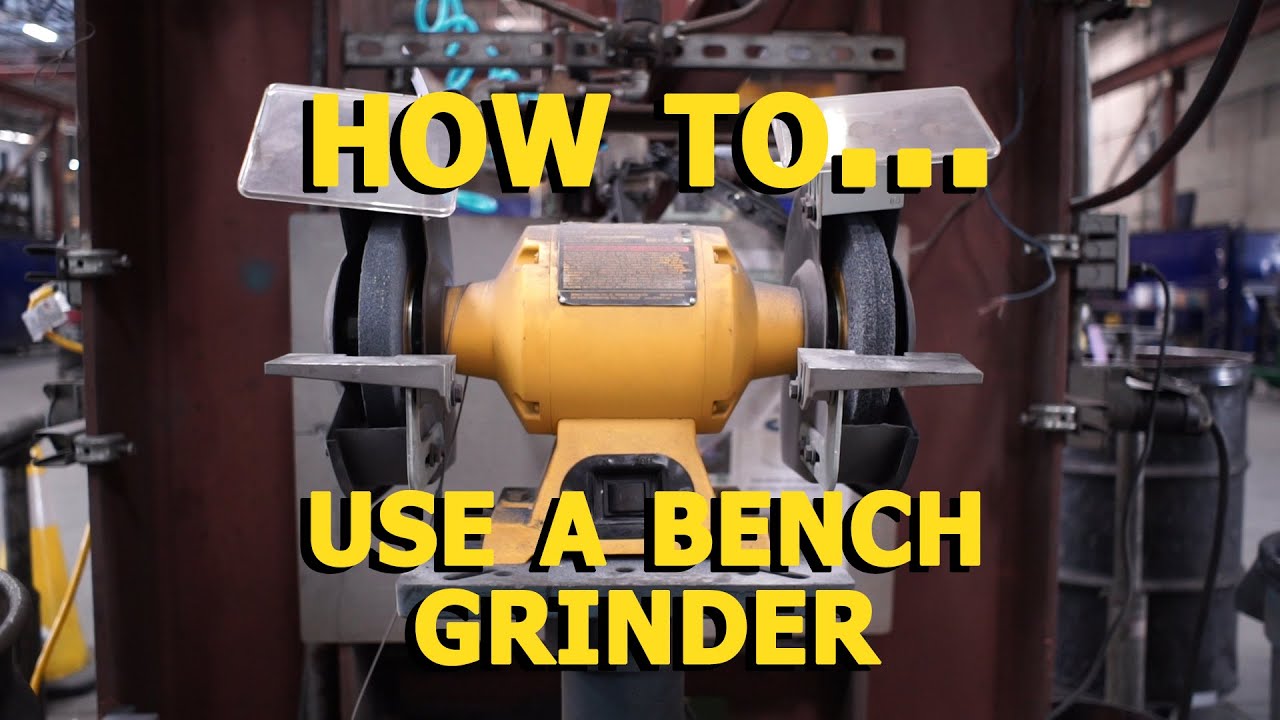
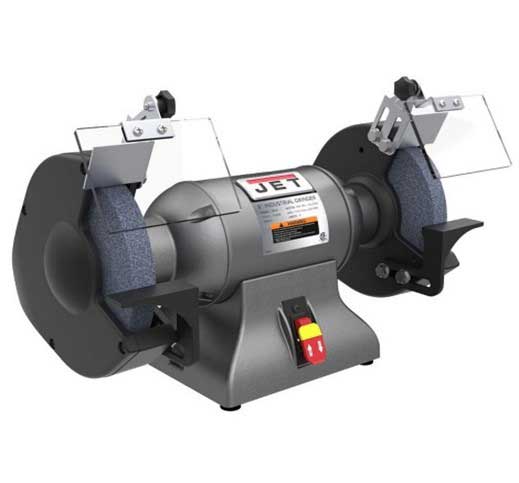
A bench grinder is a stationary machine with two wheels, usually mounted on a bench or stand. The wheels spin at high speed, powered by an electric motor. Each wheel can be made of different materials and grits, depending on its use.
The tool rests in front of each wheel allow you to hold and guide workpieces safely.
Key Components Of A Bench Grinder
- Grinding Wheels: The heart of the machine. They come in various materials and grit sizes.
- Motor: Provides power, usually ranging from 1/4 HP to 1 HP.
- Tool Rests: Small platforms to steady your workpiece.
- Eye Shields: Clear barriers to protect your eyes from sparks and debris.
- Spark Guards: Metal pieces to control flying sparks.
- Wheel Guards: Covers that enclose the wheels to reduce risk.
These parts work together to provide a safe, controlled grinding experience. The choice of wheel material and grit is critical for different jobs. For instance, coarse wheels remove material quickly, while fine wheels are better for delicate polishing.
Main Uses Of A Bench Grinder
A bench grinder is much more than a tool sharpener. Here are the most common and important uses:
1. Sharpening Tools
One of the main tasks for a bench grinder is sharpening. Blunt tools are dangerous and hard to use. With a grinder, you can restore sharp edges to:
- Chisels
- Axes
- Lawnmower blades
- Knives
- Scissors
- Drill bits
The process involves holding the tool against the spinning wheel at the correct angle. This removes dull metal and creates a fine, sharp edge. For best results, use a medium or fine grit wheel and avoid overheating the tool (which can damage temper).
2. Shaping Metal
When you need to change the shape of metal, a bench grinder is invaluable. For example, you may need to:
- Shorten a bolt or screw
- Smooth a rough weld
- Create a bevel or chamfer on a part
- Round off corners
This process is called grinding to shape. It is much faster than filing by hand. Just remember that grinding removes metal quickly, so check your work often.
3. Removing Rust And Paint
Old tools and parts often develop rust or layers of paint. A wire wheel attachment can remove these quickly. The spinning wire bristles scrape away corrosion and coatings without damaging the base metal. This is ideal for:
- Restoring old tools
- Cleaning automotive parts
- Preparing surfaces for painting
A key insight: Use a wire wheel instead of an abrasive wheel for rust and paint. Abrasive wheels can remove too much material and change the part’s dimensions.
4. Polishing And Buffing
By fitting a buffing wheel or cloth wheel, you can turn your grinder into a polisher. Use it to shine:
- Metal parts
- Jewelry
- Car components
- Hardware
Apply a polishing compound to the wheel, then gently press the workpiece against it. This produces a smooth, mirror-like finish. Remember to use a slower speed for buffing, if your grinder allows.
5. Deburring And Smoothing Edges
Cutting metal, plastic, or wood often leaves sharp burrs or rough edges. These can be dangerous or interfere with assembly. A bench grinder can quickly smooth these areas. This process is called deburring and is common in metalworking and fabrication shops.
6. Grinding Welds
Welded joints often need cleanup. The grinder removes excess weld material and smooths the joint. This is essential for safety, appearance, and structural integrity. Use a coarse wheel for heavy welds, then switch to a finer wheel for finishing.
7. Cutting Metal
Though not its primary purpose, a bench grinder can be used with a cut-off wheel to slice through thin metal rods, bolts, or tubing. This is a quick way to make straight cuts when you do not have a dedicated cutting tool.
8. Tool Maintenance And Modification
Sometimes, tools need more than sharpening. You may need to:
- Re-shape a screwdriver tip
- Modify a wrench
- Remove a damaged section
A bench grinder makes these tasks fast and easy.
9. Surface Preparation
Before welding, painting, or coating, surfaces must be clean and smooth. The grinder can remove old coatings, oxidation, and irregularities, giving you a perfect starting point.
10. Hobby And Craft Work
Bench grinders are popular among model makers, jewelers, and artists. They use special wheels for:
- Shaping small parts
- Polishing gemstones
- Creating detailed finishes
A handy tip: Use the right wheel for your material—softer wheels for delicate items, harder wheels for tough jobs.
Types Of Grinding Wheels And Their Uses
The type of wheel you use has a big impact on the results. Here are the most common types:
| Wheel Type | Material | Best For |
|---|---|---|
| Aluminum Oxide | Brown, pink, or white stone | General metal grinding, tool sharpening |
| Silicon Carbide | Green or black stone | Hard metals, carbide tools, stone |
| Wire Wheel | Steel or brass bristles | Rust removal, paint stripping, cleaning |
| Buffing Wheel | Cloth or felt | Polishing, finishing |
| Diamond Wheel | Industrial diamond particles | Sharpening carbide, ceramics, glass |
| Cut-off Wheel | Thin abrasive disk | Cutting metal rods, bolts |
Choosing the right wheel is key for safety and results. Using the wrong wheel can damage your part, your tool, or even cause injury.
Key Applications In Different Fields
Bench grinders are not just for metal shops. They are used in many fields:
Automotive Repair
Mechanics use bench grinders to clean parts, remove rust, and sharpen tools. They also use them to cut bolts, smooth welds, and prepare surfaces for painting or assembly.
Carpentry And Woodworking
Woodworkers use grinders to sharpen chisels, plane blades, and carving tools. A sharp tool means cleaner cuts and less effort. Some also use grinders to shape metal hardware for custom furniture.
Home And Garden
Homeowners use bench grinders to keep garden tools sharp—like pruners, shovels, and mower blades. This makes yard work faster and safer.
Manufacturing And Fabrication
Factories use bench grinders for mass production tasks, such as deburring, shaping, and finishing metal parts. Their reliability and speed are essential for efficiency.
Art And Craft
Artists and jewelers use specialized wheels for shaping, smoothing, and polishing delicate items. The ability to swap wheels makes the grinder a multi-use tool for creative projects.
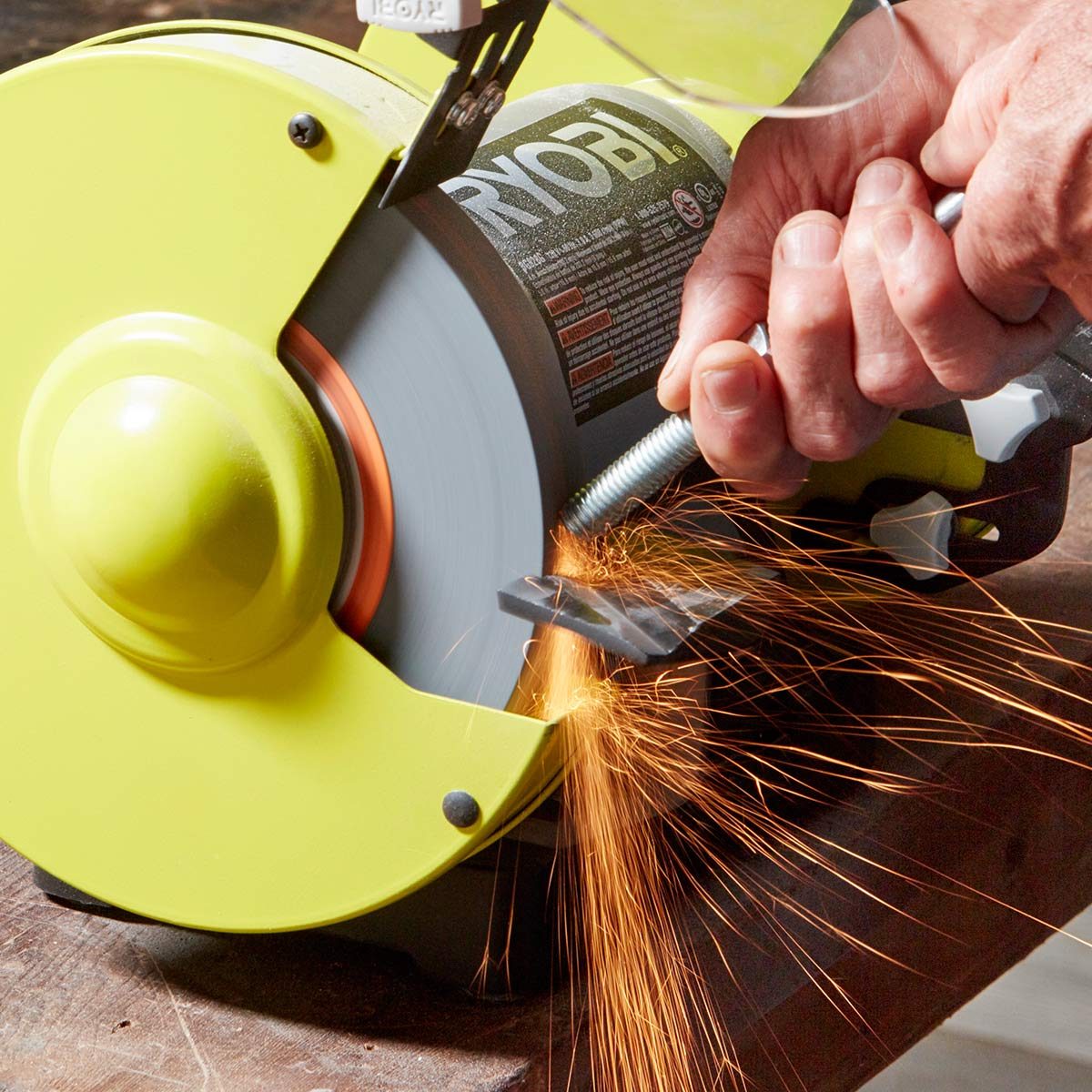
How To Use A Bench Grinder Safely
Bench grinders are powerful, but they can be dangerous if not used correctly. Here are essential safety tips:
- Wear Eye Protection: Always use safety glasses or a face shield.
- Check the Wheel: Inspect for cracks or damage before use. Never use a damaged wheel.
- Secure Your Work: Use the tool rest and hold your item firmly.
- Keep Hands Clear: Stay clear of the spinning wheel’s path.
- Use the Guards: Never remove safety guards or shields.
- Don’t Force the Tool: Let the wheel do the work. Forcing can cause accidents or damage.
- Cool Your Work: Grinding generates heat. Dip metal parts in water to prevent overheating.
- Stand to the Side: When starting the grinder, stand to the side in case a wheel breaks.
A common mistake is grinding on the side of the wheel. Most bench grinder wheels are designed for edge (peripheral) grinding only. Side grinding can weaken the wheel and cause breakage.
Choosing The Right Bench Grinder
Buying a bench grinder depends on your needs. Consider these factors:
Power And Speed
Most grinders range from 1/4 HP to 1 HP. Higher power is better for heavy-duty work. Speed is measured in RPM (revolutions per minute). Common speeds are 3,450 RPM (high speed) and 1,750 RPM (low speed). High speed removes material faster but generates more heat.
Wheel Size
The most common sizes are 6-inch and 8-inch wheels. Larger wheels last longer and are better for big projects. Smaller wheels are fine for light sharpening.
Adjustable Tool Rests
Quality grinders have adjustable tool rests for more control and accuracy.
Vibration And Noise
Look for a model with good balance and low vibration. Excess vibration makes precision work harder and can be tiring.
Special Features
Some grinders offer features like:
- Variable speed: For different materials and tasks.
- Built-in lights: Better visibility.
- Dust collection ports: Cleaner workspace.
Here is a comparison between 6-inch and 8-inch grinders:
| Feature | 6-inch Grinder | 8-inch Grinder |
|---|---|---|
| Wheel Size | 6 inches | 8 inches |
| Power | Low to medium | Medium to high |
| Best For | Sharpening, light duty | Heavy grinding, large tools |
| Cost | Lower | Higher |
| Space Needed | Less | More |
Common Mistakes To Avoid
Many beginners make avoidable errors with bench grinders. Here are some to watch for:
Overheating The Workpiece
Grinding generates heat. Overheating can ruin the temper of steel tools, making them soft and useless. Always cool your work in water, especially when sharpening.
Wrong Wheel Choice
Using a coarse wheel on a fine tool can remove too much material. Always match the wheel to the task.
Not Dressing The Wheel
Grinding wheels wear unevenly. Use a wheel dresser to keep the surface flat and clean. An uneven wheel can vibrate and give poor results.
Ignoring Safety Gear
Skipping safety glasses or gloves can lead to injury. Even a small spark or fragment can cause serious harm.
Grinding On The Side Of The Wheel
Most bench grinder wheels are not designed for side pressure. Doing this can crack the wheel and send fragments flying.
Advanced Tips For Bench Grinder Users
If you use a bench grinder often, these advanced tips can help:
- Balance Your Wheels: An unbalanced wheel creates vibration and reduces accuracy. Use balancing kits or replace uneven wheels.
- Upgrade the Tool Rest: Some stock tool rests are flimsy. Aftermarket tool rests give more precision, especially for sharpening.
- Use Jigs and Guides: For repeatable angles (such as sharpening chisels), use a jig or guide. This improves accuracy and safety.
- Mark Your Angles: Use a marker to color the bevel of a tool before sharpening. You can see exactly where metal is being removed.
- Keep Spare Wheels: Have extra wheels for different tasks. A fine wheel for sharpening, coarse for shaping, and wire for cleaning.
A non-obvious insight: Many people don’t realize that a slow-speed grinder (around 1,750 RPM) is best for sharpening tools. It produces less heat, reducing the risk of damaging the temper.
Maintenance Of A Bench Grinder
Keeping your bench grinder in top shape is important for safety and performance. Here is how you should maintain it:
- Clean the Grinder: Wipe down after each use. Remove dust and debris.
- Inspect Wheels Regularly: Look for cracks, chips, or uneven wear.
- Dress the Wheels: Use a dressing tool to keep wheels flat and clean.
- Tighten Mounting Bolts: Vibrations can loosen bolts over time.
- Lubricate Moving Parts: Apply oil to the motor bearings if required.
- Check Electrical Cords: Replace frayed or damaged cords to prevent shocks.
A well-maintained grinder lasts longer and works better.
Comparing Bench Grinders To Other Tools
How does a bench grinder compare to other grinding and sharpening tools? Here’s a quick overview:
| Tool | Strengths | Weaknesses |
|---|---|---|
| Bench Grinder | Versatile, fast, handles many materials | Stationary, can overheat workpieces |
| Angle Grinder | Portable, good for large items and onsite work | Harder to control, less precise |
| Belt Sander | Flat surfaces, woodworking, fast material removal | Not for sharpening, rough finish |
| Sharpening Stone | Precision, fine edge, portable | Slow, not for shaping or heavy grinding |
Choose the tool that matches your job. For general metalwork, the bench grinder is hard to beat.
Practical Examples: Real-life Bench Grinder Uses
To better understand how a bench grinder fits into your work, here are some real-life examples:
- Sharpening an Axe: Secure the axe, touch the edge to the wheel at a 25-degree angle, and move it evenly across the wheel. Cool in water often.
- Cleaning a Spark Plug: Use a wire wheel to remove carbon and rust from the plug’s threads.
- Fixing a Damaged Screwdriver: Grind the tip back to a flat or Phillips shape. Check the angle often.
- Restoring Old Tools: Remove rust with a wire wheel, then polish with a buffing wheel.
- Making a Custom Bolt: Cut a bolt to length with a cut-off wheel, then round the end and deburr.
Each of these tasks saves time compared to hand filing or sanding.
When Not To Use A Bench Grinder
A bench grinder is powerful, but not always the right tool. Do not use it for:
- Grinding non-metal materials (like wood or plastic) with standard wheels.
- Precision sharpening of delicate knives (use a sharpening stone instead).
- Large surface grinding (use a belt or disc sander).
Knowing when to choose another tool is just as important as knowing how to use a grinder.
Environmental And Health Considerations
Grinding produces dust, sparks, and noise. Protect yourself and your surroundings:
- Use a dust mask or respirator, especially with older painted parts (lead risk).
- Work in a well-ventilated area.
- Keep flammable materials away from the grinder.
- Wear hearing protection if using the grinder for long periods.
Safe habits protect your health and extend your tool’s life.
Frequently Asked Questions
What Materials Can I Grind With A Bench Grinder?
Bench grinders are mainly for metal. You can grind steel, iron, aluminum, and other metals. With the right wheel, you can also grind stone or ceramics. Avoid using a bench grinder on wood or plastic unless you have a wheel designed for those materials.
How Do I Choose The Right Grinding Wheel?
Consider your material and task. For general metalwork, use aluminum oxide wheels. For hard metals or carbide, use silicon carbide or diamond wheels. Use wire wheels for cleaning and buffing wheels for polishing. Always check the wheel’s RPM rating matches your grinder.
Why Does My Bench Grinder Vibrate So Much?
Excess vibration can be caused by unbalanced wheels, loose mounting bolts, or worn bearings. Try dressing the wheel or replacing it. Make sure the grinder is firmly mounted. Vibration affects accuracy and comfort.
Can A Bench Grinder Be Used For Woodworking Tools?
Yes, but use a fine grit wheel and avoid overheating. Bench grinders are excellent for sharpening chisels, plane irons, and other woodworking tools. For very fine edges, finish sharpening with a stone or strop.
How Often Should I Replace Grinding Wheels?
Replace wheels when they are cracked, chipped, worn down, or if they cause excessive vibration even after dressing. Always follow the manufacturer’s safety guidelines. Regular inspection keeps your grinder safe.
A bench grinder is a true workhorse for any workshop. Its ability to grind, sharpen, clean, and polish makes it a must-have for professionals and hobbyists alike. When used correctly, it saves time and helps you achieve better results in your projects. If you want to learn even more about safe grinding techniques and wheel selection, check out the detailed guides at Wikipedia.
Remember, the bench grinder is only as good as the person using it. Practice safe habits, keep your tools sharp, and your projects will always turn out better.