
A socket wrench is one of the most important tools you’ll find in any toolbox. Whether you’re working on a car, fixing a bicycle, or assembling furniture, knowing how to use a socket wrench can save you time and frustration.
But for beginners, socket wrenches can seem confusing—with all their parts, sizes, and accessories. This guide will give you clear, step-by-step instructions on how to use a socket wrench safely and effectively. You’ll also discover real-life tips, common mistakes to avoid, and answers to the questions most people have when starting out.
What Is A Socket Wrench?
A socket wrench (also called a ratchet) is a tool designed to tighten or loosen nuts and bolts. It uses different-sized sockets that fit onto the handle. The handle lets you turn the bolt without removing the tool after each turn, thanks to a special ratcheting mechanism. This is much faster and easier than using a regular wrench.
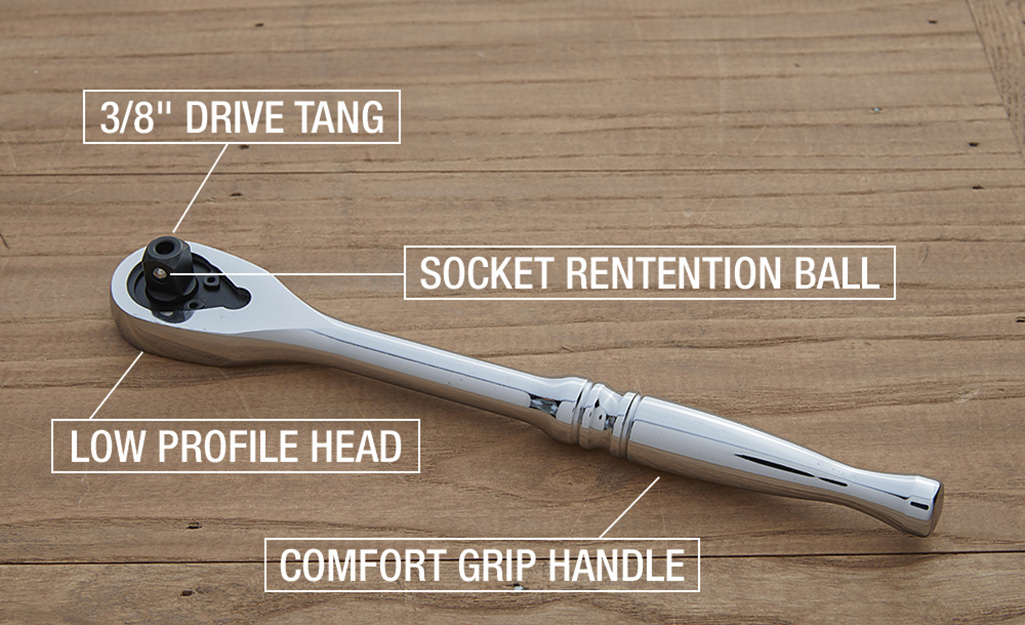
Socket wrenches come in various shapes and designs, but most have three main parts:
- The ratchet handle (the main body you hold and turn)
- The socket (the part that fits over the nut or bolt)
- The drive mechanism (the square end that connects the socket to the handle)
Types Of Socket Wrenches
There are several types of socket wrenches. Choosing the right one depends on your task.
1. Standard Ratchet Wrench
The most common type. It has a handle and a rotating head.
2. Flex-head Ratchet
The head can bend, helping you reach tight spaces.
3. Breaker Bar
A non-ratcheting handle used to loosen very tight bolts.
4. Torque Wrench
Measures and applies a specific amount of force. Used when precise tightness is important.
5. Power Socket Wrench
Powered by air (pneumatic), electricity, or battery. Used in auto repair shops for speed and strength.
6. Pass-through Ratchet
Lets a long bolt or threaded rod pass through the tool.
If you’re just starting, a standard ratchet set is usually enough for most jobs.

Key Parts Of A Socket Wrench Set
Understanding the parts in a socket wrench set helps you work safely and quickly.
- Ratchet Handle: The main tool you grip and turn.
- Sockets: Come in many sizes and shapes.
- Extensions: Make the handle longer to reach deep or tight spots.
- Adapters: Change the drive size so you can use different sockets.
- Universal Joint: Lets you turn bolts at tricky angles.
Many sets also include hex bits, screwdriver bits, or special sockets for unique fasteners.
Socket Sizes: Metric Vs. Sae
Socket sizes are measured in either metric (millimeters) or SAE (inches). This is important—using the wrong size can damage both the tool and the bolt.
- Metric: Used for most cars (especially Japanese, European, Korean), bicycles, and modern appliances.
- SAE: Used in older American cars, machinery, and plumbing.
Here’s a quick comparison of common socket sizes:
| Metric Size (mm) | Closest SAE Size (inches) | Common Use |
|---|---|---|
| 8 mm | 5/16″ | Bikes, small appliances |
| 10 mm | 3/8″ | Automotive, home repair |
| 13 mm | 1/2″ | Automotive, plumbing |
| 17 mm | 11/16″ | Auto wheels, heavy duty |
| 19 mm | 3/4″ | Car wheels, large bolts |
Non-obvious insight: Many bolts fit both metric and SAE sockets closely, but always use the exact size if possible. A “close” fit can round off the bolt.
Choosing The Right Socket Wrench And Socket
Picking the correct tool is important for safety and speed. Here’s what to consider:
- Drive Size:
The most common are 1/4″, 3/8″, and 1/2″ square drives.
- 1/4″ for small bolts (electronics, bikes)
- 3/8″ for most car and home jobs
- 1/2″ for heavy bolts (car wheels, machinery)
- Socket Depth:
- Shallow sockets for standard bolts
- Deep sockets for long bolts or nuts on threaded rods
- Socket Points:
- 6-point sockets grip better and are less likely to slip
- 12-point sockets fit more positions but may slip on very tight bolts
- Material:
Good sockets are made from chrome vanadium steel—strong and rust-resistant.
- Fit and Quality:
Cheap sockets can split or break. Check for a snug fit on the bolt—no wobble.
Here’s a comparison of drive sizes and their uses:
| Drive Size | Common Use | Max Torque | Socket Range |
|---|---|---|---|
| 1/4″ | Small appliances, bikes | Up to 50 Nm | 4–14 mm |
| 3/8″ | General auto/home | Up to 180 Nm | 6–24 mm |
| 1/2″ | Car wheels, heavy jobs | Up to 600 Nm | 10–36 mm |
How To Assemble A Socket Wrench
Before using your socket wrench, you need to put it together. Follow these steps:
- Select the Right Socket
- Look at the bolt head and compare it with your socket sizes.
- Try a few sockets for the best fit.
- Attach the Socket
- Push the socket onto the square end of the ratchet handle.
- You’ll hear a ‘click’ as it locks in place.
- Add Extensions or Adapters (if needed)
- For deep or hard-to-reach bolts, attach an extension bar between the socket and the handle.
- If your socket doesn’t match the drive size, use an adapter.
- Check the Direction
- Every ratchet has a switch or lever. Set it to ‘tighten’ (usually marked with an arrow or “R” for right) or ‘loosen’ (usually “L” or left arrow).
Tip: Test the direction by turning the handle before using it on the bolt.
How To Use A Socket Wrench: Step-by-step
Using a socket wrench is simple with practice. Here’s how to do it safely and efficiently:
1. Place The Socket Over The Nut Or Bolt
Position the socket squarely on the bolt or nut. Make sure it fits snugly. A loose fit can slip and damage the bolt.
2. Set The Ratchet Direction
- For tightening, set to clockwise (right).
- For loosening, set to counterclockwise (left).
Most ratchets have a small lever on the head. Move it to the direction you want.
3. Turn The Handle
Hold the handle firmly and move it back and forth. The ratchet allows you to turn the bolt without taking the socket off after each stroke. This is especially helpful in tight spaces.
4. Remove The Socket
Once the nut or bolt is fully tightened or loosened, pull the socket off. Press the release button (if your ratchet has one) to remove the socket easily.
5. Check Your Work
If tightening, make sure the bolt is secure but not overtightened (unless using a torque wrench). If loosening, make sure the bolt is fully removed.
Advanced Techniques And Tips
Once you know the basics, these tips can help you work faster and avoid problems.
Use Extensions And Universal Joints
- Extension bars help reach bolts deep inside an engine or appliance.
- A universal joint lets you work at an angle, useful in cramped spaces.
Apply Penetrating Oil For Stuck Bolts
If a bolt won’t move, spray a little penetrating oil and wait a few minutes. This can help loosen rusted or stuck bolts.
Breaker Bar For Extra Stuck Bolts
For very tight bolts, use a breaker bar. It’s longer and gives more leverage, but remember it doesn’t ratchet.
Use The Right Torque
Overtightening can strip threads or break bolts. For critical jobs (like car engines or wheels), always use a torque wrench to apply the exact force needed.
Keep Your Tools Clean
Dirt and rust can damage your sockets and ratchet. Wipe them with a clean cloth after each use and store them in a dry place.
Non-obvious insight: Always check that the socket is fully seated on the ratchet and the bolt. If it’s only halfway on, it can slip and cause injury.
Common Mistakes To Avoid
Even experienced users sometimes make these errors. Avoiding them saves time and trouble.
- Using the Wrong Socket Size
- A “close enough” socket can round off the bolt or break your tool.
- Applying Too Much Force
- Don’t use your ratchet handle with a pipe or extension for extra leverage—it can snap.
- Not Checking Direction
- Make sure your ratchet is set to the right direction before you start.
- Ignoring Safety
- Wear gloves and safety glasses, especially when working on cars or machinery.
- Using Damaged Sockets
- If a socket is cracked or out of shape, replace it. Broken sockets can slip and injure you.
- Not Cleaning Threads
- Dirty or rusty threads make turning bolts harder and can damage your tools.
Real-world Example: Changing A Car Tire
Let’s walk through a common task—removing and replacing a car wheel.
- Select a 1/2″ drive ratchet and a 19 mm or 3/4″ socket (check your car’s lug nuts).
- Set the ratchet to loosen and fit the socket over the lug nut.
- Turn the handle until the nut is loose. For very tight nuts, use a breaker bar.
- Remove all nuts and the wheel, then replace with the spare.
- Hand-tighten the nuts, then use the ratchet to snug them.
- Use a torque wrench to tighten to the car’s specified torque (often 90–120 Nm).
Tip: Always tighten nuts in a “star” pattern so the wheel seats evenly.
Caring For Your Socket Wrench Set
Good tools last many years if you care for them.
- Clean after every use: Wipe off oil and dirt.
- Store in a dry place: Prevents rust.
- Check for damage: Replace cracked or bent sockets.
- Lubricate the ratchet: A drop of light oil keeps it working smoothly.
Pro tip: If you drop a socket in oil or water, dry it fully before storing.
Safety Tips When Using A Socket Wrench
Accidents can happen quickly. Follow these rules to stay safe:
- Wear gloves when working with heavy or sharp parts.
- Use eye protection if you’re under a car or working above your head.
- Keep your workspace clean: Tripping over tools is a common cause of injury.
- Never use a cracked or damaged tool.
- Don’t use a socket wrench as a hammer or pry bar.
When To Use A Socket Wrench Vs. Other Tools
Sometimes, another tool works better. Here’s a guide:
| Tool | Best For | When Not to Use |
|---|---|---|
| Socket Wrench | Most nuts/bolts, speed, tight spaces | Delicate or very tight bolts (need torque wrench) |
| Open-End Wrench | Quick adjustments, visible bolts | Tight spaces, high torque |
| Adjustable Wrench | Odd sizes, occasional use | Precision, high force |
| Torque Wrench | Exact force needed, safety | Quick jobs, low force |
| Breaker Bar | Stuck bolts, extra leverage | Speed, small spaces |
Buying A Socket Wrench Set: What To Look For
If you don’t have a socket wrench set yet, here’s how to choose a good one:
- Number of Pieces
- More isn’t always better. Make sure the set covers the sizes you’ll use.
- Drive Sizes
- A set with both 1/4″ and 3/8″ drives is flexible for most home and car jobs.
- Socket Quality
- Look for chrome vanadium steel and a polished finish.
- Storage Case
- A sturdy case keeps everything organized and easy to find.
- Brand Reputation
- Brands like Stanley, Craftsman, and Kobalt are reliable.
- Warranty
- Good sets come with a lifetime warranty—a sign of quality.
Common mistake: Cheap sets often skip the most-used sizes to keep the price low.
For more on tool quality and recommendations, you can visit the Wikipedia page on sockets and spanners.
Troubleshooting Socket Wrench Problems
Even the best tools can have issues. Here’s how to solve common problems:
- Ratchet skips or slips:
The internal gear may be worn. Clean and oil it. If it still skips, replace the ratchet.
- Socket stuck on bolt:
Tap gently with a rubber mallet or use a little oil.
- Socket won’t fit:
Check if you have the right size and points (6 or 12). Try a different socket.
- Rusty sockets or handle:
Clean with a wire brush and use a rust inhibitor spray.
- Broken or bent extension:
Replace it—never try to bend it back.
Extra tip: Always double-check the socket size against the bolt before applying force.
Real-life Applications For Socket Wrenches
Socket wrenches aren’t just for cars. Here are some examples:
- Bicycle repair: Adjusting seat posts, brakes, and pedals.
- Home improvement: Assembling furniture, fixing appliances, tightening plumbing.
- Electronics: Small bolts in computers and gadgets (use 1/4″ drive).
- DIY projects: Building shelves, garden equipment, and more.
- Industrial work: Heavy machinery assembly and repair.
You’ll find socket wrenches in almost every field that uses nuts and bolts.
Expanding Your Socket Wrench Skills
Once you’re comfortable with the basics, try these advanced techniques:
- Speed handles: For quickly spinning bolts in or out.
- Impact sockets: Thicker walls for use with power tools.
- Spark plug sockets: Special sockets with rubber inserts for engines.
- Bit sockets: Hold screwdriver bits for use with your ratchet.
Learning to use accessories like universal joints, wobble extensions, and adapters will make you faster and more versatile.

Frequently Asked Questions
How Do I Know Which Socket Size To Use?
Check the bolt head and match it to your sockets. Use the socket that fits snugly with no wiggle. Metric bolts need metric sockets; SAE bolts need SAE sockets.
Can I Use A Socket Wrench To Loosen Very Tight Or Rusted Bolts?
Yes, but for extremely tight bolts, use a breaker bar first. If the bolt is rusted, spray penetrating oil, let it soak, then try the ratchet.
What Is The Difference Between 6-point And 12-point Sockets?
A 6-point socket grips more securely and is less likely to slip, making it best for tight bolts. A 12-point socket fits more positions and is faster for light work but can slip on tough bolts.
Why Does My Ratchet Feel Stiff Or Not Work Smoothly?
Dirt or lack of oil can cause stiffness. Clean the ratchet with a brush and add a drop of light oil to the mechanism. If it still feels rough, the gears may be worn out.
Is It Safe To Use A Socket Wrench With A Power Tool?
Only use impact sockets with power tools like an impact wrench. Regular sockets can shatter under the force. Always wear eye protection when using power tools.
Mastering the socket wrench is a skill that pays off for years. With the right knowledge, you’ll work faster, safer, and with less stress. Keep your tools clean, use the correct size, and always follow safety guidelines. With practice, even tough jobs become easy.