
An Allen wrench might look simple, but it’s a tool that changed how we build, fix, and design things in the modern world. You might know it by another name—hex key or hex wrench—and most people have seen one in a flat-pack furniture box or a bicycle toolkit. But what exactly is an Allen wrench? Why does it matter so much in engineering, furniture assembly, cycling, and even tiny electronics? This article dives deep into what makes the Allen wrench special, how it works, its history, where it’s used, and the little details most people don’t know.
What Is An Allen Wrench?
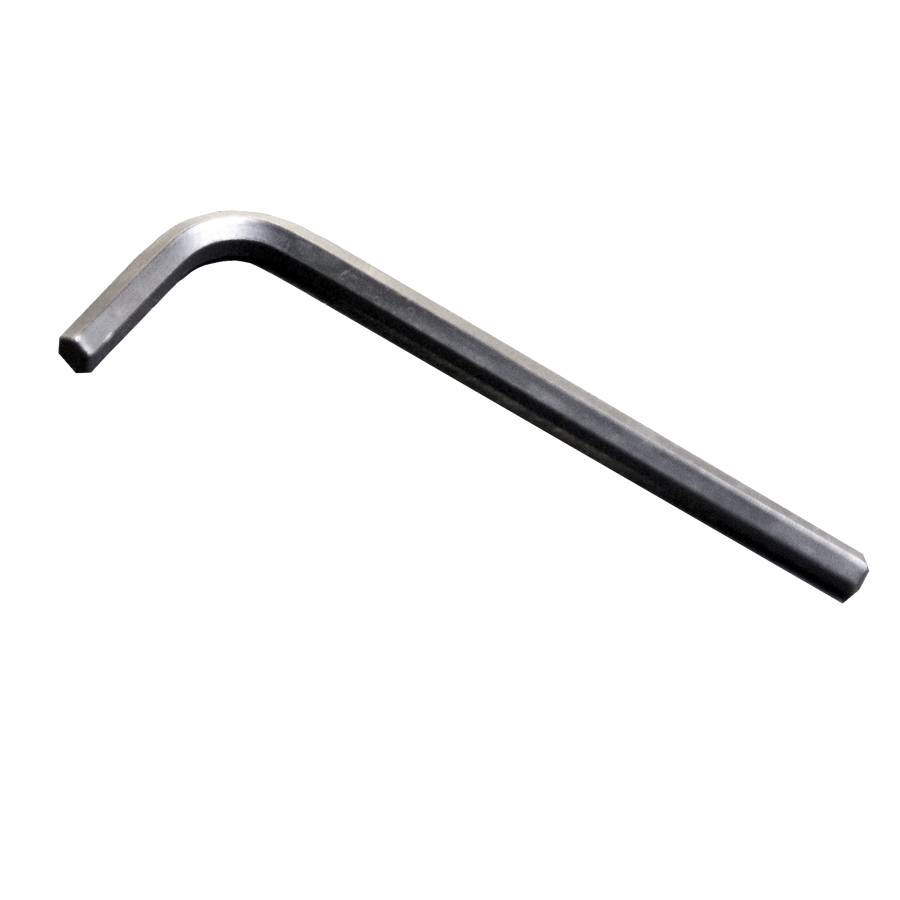
An Allen wrench is a small handheld tool used to drive bolts and screws with a hexagonal socket in the head. Unlike regular screwdrivers, which fit into a slot or cross, the Allen wrench fits into a hex-shaped hole. The tool itself is usually L-shaped, with both short and long arms, and is made from hardened steel.
The name “Allen” comes from the Allen Manufacturing Company, which popularized the tool in the early 20th century. However, the tool is also called a hex key because it fits hexagon-shaped sockets. The basic design has not changed much for over a hundred years, and that’s because it works so well.
Key features of an Allen wrench:
- L-shaped metal tool
- Made from strong, durable steel
- Fits hexagonal sockets
- Comes in many sizes
Many people are surprised to learn that this tool is found in nearly every industry that uses screws or bolts. From cars to airplanes, from flat-pack furniture to electronics, the Allen wrench is everywhere.
The Unique Design And Shape
The Allen wrench’s L-shape is not just for looks. It gives you two different lengths to use, which means you can choose more torque (force) or more reach. The short arm gives more power, while the long arm lets you reach deeper bolts.
Why Hexagon?
A hexagon has six sides. This shape is strong and less likely to slip than a square or triangle. The hex socket allows for even distribution of force, which means less wear on both the tool and the screw. It also reduces the risk of stripping (damaging) the screw head.
L-shape Advantages
- One end is short, the other long
- The short end is for tight spaces
- The long end is for reaching deep sockets or for more control
- L-shape gives good leverage
Some Allen wrenches are T-shaped or have handles for extra comfort, but the classic L-shape is still the most common.
The History Of The Allen Wrench
The story of the Allen wrench goes back to the early 1900s in the United States. The Allen Manufacturing Company of Hartford, Connecticut, started producing hexagonal wrenches and bolts, giving the tool its name. However, the idea of a hexagonal screw and matching tool had been around in Europe a bit earlier.
The main reason for its invention was safety and efficiency. Slot screws (the old-fashioned kind) were easy to damage and hard to tighten properly. The Allen wrench and its matching bolts solved these problems.
Key Milestones:
- 1909: Allen Manufacturing Company patents the tool in the US.
- 1910s: Tool becomes popular in American industry.
- 1940s: Used widely in aircraft production during World War II.
- 1950s–present: Used around the world in many industries.
Today, the Allen wrench is standard in everything from Swedish furniture to Japanese bicycles.
How Does An Allen Wrench Work?
The Allen wrench works by fitting perfectly into a hexagonal socket in a bolt or screw. When you turn the wrench, it turns the bolt. The six sides of the hex socket give lots of contact points, which means more grip and less chance of slipping.
Step-by-step Use
- Choose the right size Allen wrench for the bolt or screw. The fit should be snug, with no wiggle.
- Insert the end of the wrench into the hex socket.
- Turn the wrench to tighten or loosen the bolt.
- Use the short arm for more power or the long arm for more reach.
- Remove the wrench when finished.
Tip: Always use the correct size. If the wrench is too small, it can round off the edges of the bolt, making it difficult to remove.
Common Sizes And Measuring Allen Wrenches
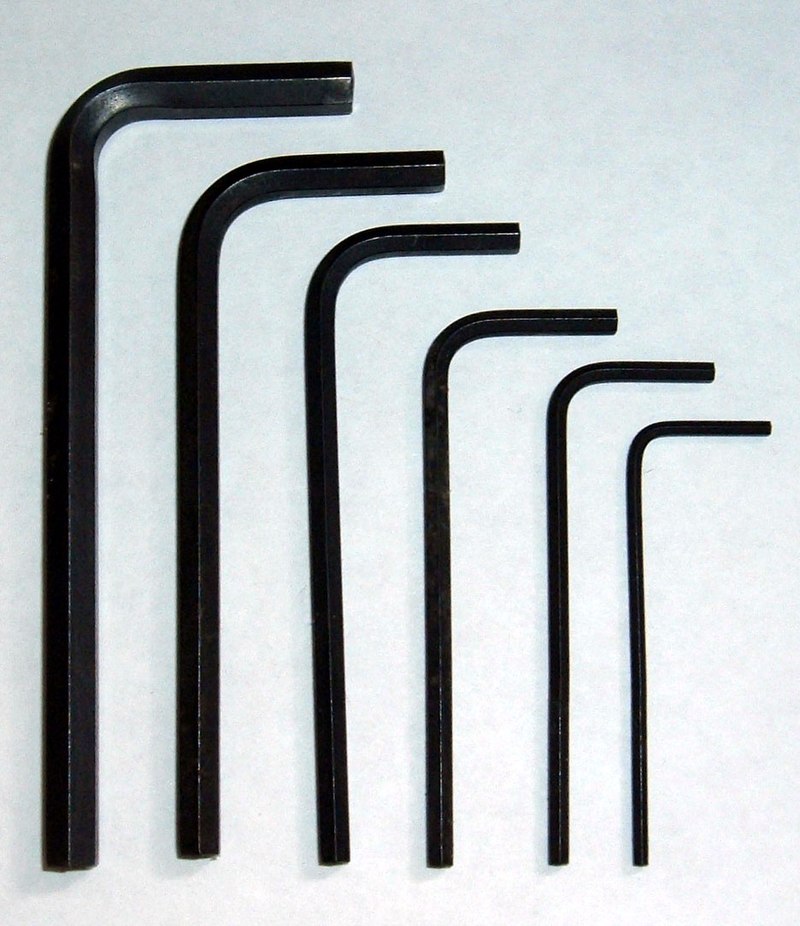
Allen wrenches come in many sizes, measured in either metric (millimeters) or imperial (inches) units. The size is the distance across the flat sides of the hex shape.
Metric Vs. Imperial
- Metric sizes: Common in Europe and Asia. Examples: 1.5mm, 2mm, 4mm, 6mm.
- Imperial sizes: Used in the USA and some older equipment. Examples: 1/16″, 1/8″, 3/16″, 1/4″.
Using the wrong measurement system can lead to poor fit. For example, a 5mm wrench is not quite the same as a 3/16″ wrench.
Popular Allen Wrench Sizes
Below is a comparison of common metric and imperial sizes:
| Metric Size (mm) | Closest Imperial Size (inches) | Typical Use |
|---|---|---|
| 1.5 | 1/16 | Electronics, eyeglasses |
| 2 | 5/64 | Small appliances |
| 4 | 5/32 | Furniture assembly |
| 5 | 3/16 | Bicycles, automotive |
| 6 | 1/4 | Machinery, heavy equipment |
Non-obvious insight: Many people don’t realize that using a close-but-not-exact size (for example, a 5mm wrench in a 3/16″ screw) can damage both the wrench and the bolt.
Types Of Allen Wrenches
Not all Allen wrenches are the same. Over the years, different versions have been created for special tasks or comfort.
Standard L-shaped
The most common type is the simple L-shaped tool. It is cheap, simple, and gets the job done.
T-handle Allen Wrench
This type has a plastic or rubber handle shaped like a “T. ” It gives better grip and allows you to apply more force comfortably. It’s popular with bike mechanics and in workshops.
Ball-end Allen Wrench
A ball-end has a rounded tip. This lets you turn bolts at an angle—up to 25 degrees—so you can reach bolts that are not straight on.
Folding Hex Key Set
A folding set holds several sizes of Allen wrenches in one handle, like a pocketknife. It’s portable and great for travel or fieldwork.
Long-arm And Short-arm Sets
Some sets have extra-long arms for hard-to-reach bolts, or short arms for tight spaces.
Ratcheting Hex Drivers
These tools combine the Allen wrench head with a ratcheting handle, similar to a socket wrench. They speed up repetitive work.
Power Bit Allen Wrenches
These are hex-shaped bits that fit into a power drill or screwdriver. They are used for fast assembly, especially in factories.
Below is a comparison of different Allen wrench types and their main advantages:
| Type | Main Advantage | Common Use |
|---|---|---|
| L-Shaped | Simple, cheap, reliable | General purpose |
| T-Handle | Comfort, more torque | Bike repair, assembly lines |
| Ball-End | Works at angles | Hard-to-reach bolts |
| Folding Set | Portable, multiple sizes | Travel, fieldwork |
| Ratcheting | Faster, less fatigue | Repetitive tasks |
| Power Bit | Use with drills | Factory assembly |
Practical tip: For home use, a folding set or a standard L-shaped set will cover 90% of your needs.
Materials And Durability
The Allen wrench must be both strong and tough. Most are made from steel alloys, and some are coated for extra durability.
Typical Materials
- Carbon steel: Basic, cheap, but can rust.
- Chrome vanadium steel: Stronger and more resistant to wear and corrosion.
- S2 tool steel: Used for professional tools, very hard and durable.
- Stainless steel: Rust-resistant, used in marine or outdoor environments.
Some Allen wrenches have a black oxide or chrome finish to fight rust.
How Long Do They Last?
A good Allen wrench can last for years, even decades, if used correctly. However, using the wrong size or too much force can damage the tool. Ball-end wrenches wear out faster than flat-end types, especially if used at extreme angles.
Non-obvious insight: Cheaper Allen wrenches often have poor quality control, which can mean slightly wrong sizes. This leads to stripped screws and frustration. For professional or repeated use, invest in a high-quality set.
Where Are Allen Wrenches Used?
The Allen wrench is found in almost every area of modern life. Its biggest strength is how it allows for compact, tamper-resistant designs.
Furniture
Flat-pack furniture, like IKEA products, almost always use Allen bolts. The tool is often included in the box, making assembly easy for people with no special tools at home.
Bicycles
Most modern bikes use Allen bolts for everything from seat posts to brake levers. The Allen wrench allows for quick, easy adjustments on the road or trail.
Automobiles And Motorcycles
Allen bolts are used in engines, brakes, and dashboards. Their flush design reduces snagging and allows for tighter spaces.
Electronics
Laptops, smartphones, and other electronics use tiny Allen bolts for secure, tamper-resistant assembly.
Machinery And Industry
Factories use Allen bolts because they can be driven by power tools and allow for high torque without damaging the bolt head.
Medical Devices
Precision medical instruments often use miniature Allen bolts for secure, accurate assembly.
Diy And Home Improvement
From shelves to door handles, Allen bolts are everywhere in modern homes.
Example: The Hexagon socket head cap screw (the full name for an Allen bolt) is standard in machinery across the world.
Benefits Of Using An Allen Wrench
Why do engineers and designers choose Allen bolts and wrenches over other types? The advantages are real and practical.
Main Benefits
- Compact design: Allen bolts sit flush with the surface, so they don’t catch on clothing or machinery.
- Tamper resistance: Hex sockets are harder to unscrew without the right tool, reducing theft and accidents.
- Prevents stripping: The six-sided design is less likely to slip or round off compared to flat or Phillips screws.
- Simple tool: The wrench is small, easy to carry, and needs no moving parts.
- Multiple sizes: One set of Allen wrenches can fit many different bolts.
Allen Wrench Vs. Other Tools
Let’s compare the Allen wrench with other common tools:
| Tool Type | Strengths | Weaknesses |
|---|---|---|
| Allen Wrench | Compact, high torque, less stripping | Needs correct size, can lose small wrenches |
| Phillips Screwdriver | Common, easy to find | Strips easily, less torque |
| Flathead Screwdriver | Works in a pinch, simple design | Slips out easily, damages screw heads |
| Torx (Star) Driver | Very high torque, tamper-resistant | Less common, more expensive bolts |
Non-obvious insight: Allen bolts are often used in places where appearance matters, such as visible parts of bicycles or cars, because they give a clean, modern look.
Common Mistakes When Using Allen Wrenches
Even though Allen wrenches are simple, beginners often make mistakes that cause frustration or damage.
Using The Wrong Size
This is the most common mistake. If the wrench is too small, it will slip and round off the bolt. If it’s too big, it won’t fit at all.
Over-tightening
Allen bolts are strong, but over-tightening can strip the bolt or break the tool. Always follow recommended torque settings, especially on bikes or machinery.
Cheap Tools
Low-quality Allen wrenches can have poor sizing, soft metal, or rough finishes. They damage easily and can ruin your project.
Not Cleaning The Socket
Dirt or paint in the bolt socket can stop the wrench from fitting properly. Always clean out the hole before inserting the wrench.
Using Ball-end At Extreme Angles
Ball-end wrenches are helpful but are weaker than flat ends. Don’t use them for high-torque jobs or at sharp angles.
How To Choose A Good Allen Wrench Set
With so many options, how do you pick the right set?
What Matters Most
- Material: Look for chrome vanadium or S2 tool steel for strength.
- Finish: Black oxide or chrome finish resists rust.
- Size Range: Make sure the set covers all the sizes you need, both metric and imperial if possible.
- Markings: Clear size markings help you grab the right tool quickly.
- Comfort: T-handles or ergonomic designs are good for frequent use.
- Storage: A case or holder keeps your wrenches organized.
Tip: For occasional home use, a basic set with 8–10 sizes is enough. For professional work, invest in a complete set with both metric and imperial sizes.
Allen Wrench Maintenance And Care
To keep your Allen wrenches in good shape:
- Wipe them down after use to prevent rust.
- Store in a dry place.
- Use the correct size for each bolt.
- Don’t use as a pry bar or hammer.
- If a wrench is bent or damaged, replace it.
A well-maintained Allen wrench set can last for many years.
Interesting Facts And Lesser-known Uses
- The hex key shape is sometimes used for security bolts—these have a pin in the center so only special wrenches can turn them.
- Allen wrenches are used in musical instruments, such as adjusting guitar truss rods.
- Some high-security locks use hex keys instead of standard keys.
- The largest Allen wrenches can be over a foot long and used for huge bolts in bridges or heavy machinery.
- The smallest Allen wrenches are thinner than a toothpick and used in watches or tiny electronics.
Non-obvious insight: Allen wrenches are often found in emergency toolkits because they can adjust a wide variety of equipment with just a few tools.
Allen Wrenches In Modern Manufacturing
The Allen wrench and its matching bolts are a key part of modern manufacturing. Companies use them for automation, because robots and assembly lines can drive hex bolts quickly and accurately. This is one reason why products like flat-pack furniture and bikes are affordable and easy to ship.
In aerospace and automotive industries, Allen bolts allow for precise, strong joints in tight spaces. In medical devices, they allow for tiny, secure assemblies that can be sterilized and adjusted.
Environmental Impact And Recycling
Allen wrenches are usually made from recyclable steel, which means they have a lower environmental impact than some plastic-based tools. Old or broken Allen wrenches can be taken to a metal recycling center.
Additionally, Allen bolts are less likely to be damaged during assembly, which means fewer wasted parts and less material thrown away.
Example: Some companies design products to use only Allen bolts and wrenches, reducing the number of tools needed and saving space in packaging.
Allen Wrenches In Everyday Life
If you look around your home or workplace, you’ll probably find Allen bolts in more places than you expect. Kitchen chairs, computer desks, bathroom fixtures, and even door handles often use hex bolts for their clean look and secure fit.
Most people have at least one Allen wrench, even if they don’t know what it’s called.
This simple tool connects the worlds of engineering, design, and everyday living.
Frequently Asked Questions
What Is The Difference Between An Allen Wrench And A Hex Key?
There is no real difference. Both names refer to the same tool. “Allen wrench” is a brand name that became common in the US, while “hex key” is the generic name used worldwide. Both are L-shaped tools used to turn hexagon socket screws.
Can I Use An Allen Wrench For All Types Of Bolts?
No. An Allen wrench only works with hex socket bolts. If the bolt or screw has a different head (such as Phillips, flat, or Torx), you need the matching tool. Forcing an Allen wrench into the wrong type of screw will damage both the tool and the screw.
What Should I Do If I Strip A Hex Bolt?
If the socket is stripped, try these steps:
- Use a slightly larger Allen wrench (if it fits snugly)
- Tap the wrench in with a hammer for more grip
- Use a bolt extractor tool
- As a last resort, drill out the bolt and replace it
Prevention is best: always use the correct size and do not overtighten.
Why Are Some Allen Wrenches Ball-ended?
A ball-end lets you turn bolts at an angle, making it easier to reach screws in tight or awkward spaces. However, ball ends are less strong than flat ends and should not be used for final tightening or very tight bolts.
Where Can I Find High-quality Allen Wrenches?
You can find good Allen wrench sets at hardware stores, bike shops, or online. Look for brands known for tool quality. For more information about the hex key and its uses, check the Wikipedia Hex Key page.
The next time you see that simple L-shaped tool, you’ll know just how important and useful it truly is. The Allen wrench is a small invention that made a big difference in the way we build and fix the world around us.