
Using a spot welder may look simple, but there’s more to it than just pressing two metal sheets together and pushing a button. Whether you want to repair a car panel, make a battery pack, or join thin metal sheets, understanding how to use a spot welder safely and effectively is key.
Many beginners overlook important details, leading to weak welds, damaged materials, or even personal injury. In this guide, you’ll learn not just the basic steps, but also crucial techniques, safety practices, and tips that experienced welders use. By the end, you’ll feel confident in setting up, operating, and maintaining a spot welder for various projects.
What Is A Spot Welder?
A spot welder is a machine that joins two or more metal sheets together using heat and pressure. It creates a strong bond at small spots, usually without the need for extra materials like solder or glue. The most common type is the resistance spot welder, which uses electrical current to heat the metal at the contact points.
Spot welding is widely used in industries like automotive repair, manufacturing, and electronics. It’s especially effective for thin sheets of steel or nickel. The process is fast and produces clean, consistent results with minimal deformation.
Types Of Spot Welders
Spot welders come in several designs, each suited for specific tasks. Knowing the differences helps you choose the right one for your needs.
| Type | Main Use | Key Feature |
|---|---|---|
| Manual (Handheld) | Small repairs, battery packs | Portable and affordable |
| Bench-top | Workshops, small production | Stable and powerful |
| Pedal-operated | Medium-scale production | Hands-free operation |
| Robotic/Automated | Factories, mass production | Fast and precise |
Manual Spot Welders
These are small, handheld units often used for DIY projects or light repairs. They are easy to move around but may lack the power for thick metals.
Bench-top Spot Welders
These machines are more robust and offer better stability. They sit on a workbench and are ideal for repetitive tasks or heavier materials.
Pedal-operated Spot Welders
With a foot pedal, you can control the weld cycle without using your hands. This frees you to position the workpiece precisely.
Robotic Spot Welders
Usually found in car factories, these machines automate the welding process. While not common for home use, understanding their existence helps you see how spot welding scales up in industry.

How Does Spot Welding Work?
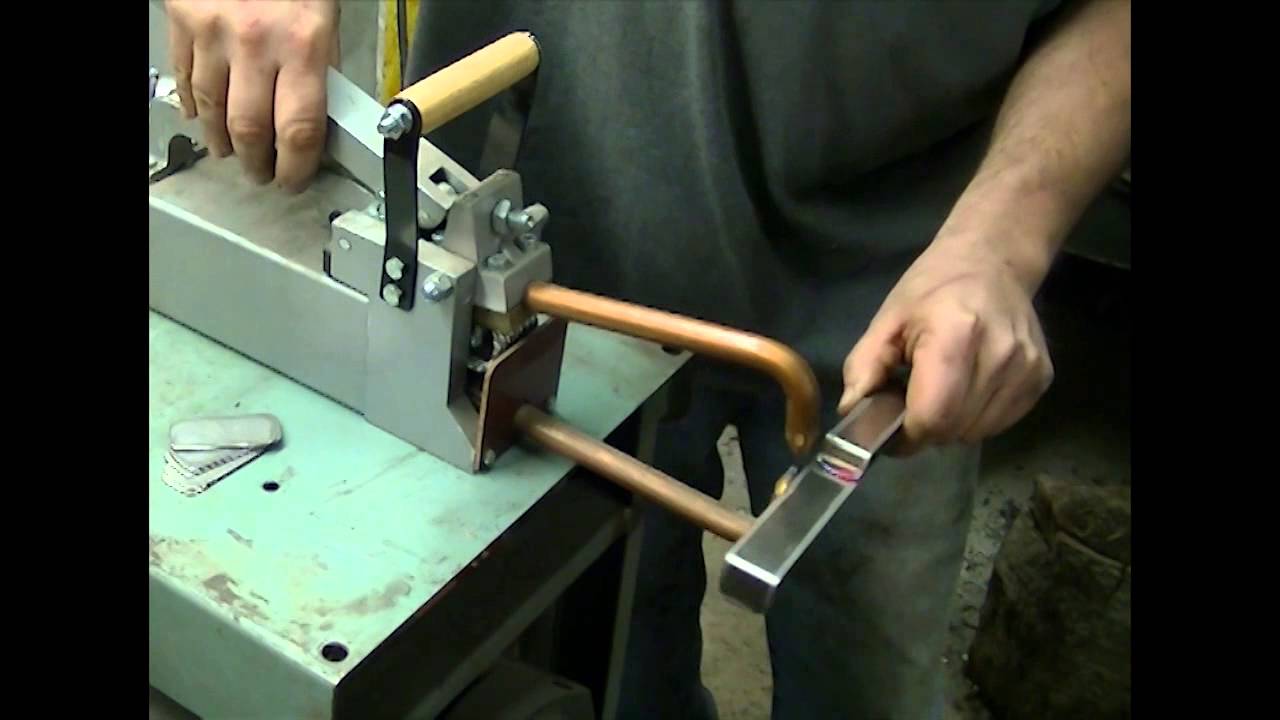
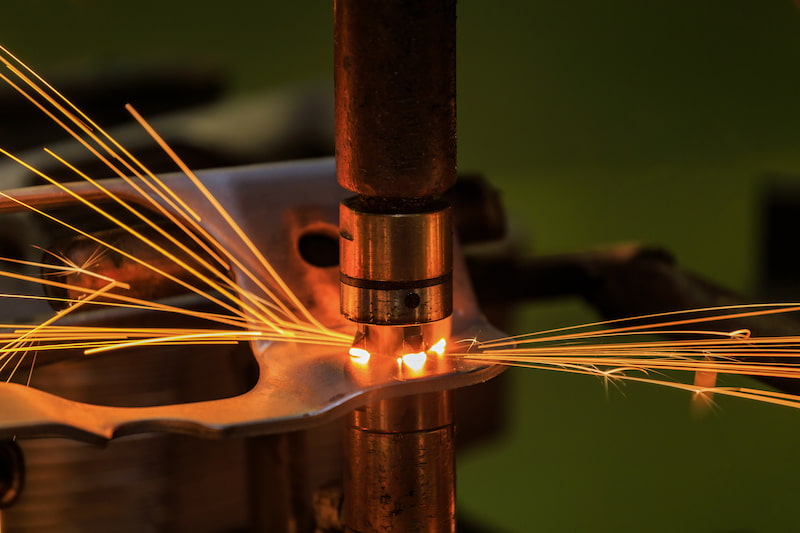
Spot welding uses electrical resistance to create heat. Two copper electrodes press the metal sheets together. When current flows, resistance at the contact points generates intense heat. The metal melts and fuses together. Pressure is maintained until the joint cools, forming a solid weld.
The process involves three main phases:
- Squeeze: Electrodes clamp the workpieces with force.
- Weld: Current passes through, melting the metal at the spot.
- Hold: Pressure continues while the metal cools, ensuring a strong bond.
The entire cycle usually takes less than a second per spot.
Essential Safety Precautions
Working with a spot welder exposes you to electricity, heat, and moving parts. Following safety procedures is critical to prevent injuries or equipment damage.
Personal Protective Equipment (ppe)
- Welding gloves: Protect your hands from heat and sparks.
- Safety glasses or welding helmet: Guard your eyes against sparks and UV light.
- Long-sleeved clothing: Prevent burns from hot metal.
- Closed-toe shoes: Protect feet from dropped materials.
Workspace Safety
- Ensure good ventilation to avoid fumes.
- Remove flammable items nearby.
- Keep the floor dry to reduce electrical risks.
- Have a fire extinguisher within reach.
Electrical Safety
- Inspect cables for damage before use.
- Never touch electrodes during operation.
- Turn off and unplug the welder when not in use.
- Avoid using spot welders on wet surfaces.
Pro Tip: Many beginners forget to check the condition of electrodes and cables. Worn or damaged parts can cause poor welds or dangerous short circuits.
Preparing For Spot Welding
Good preparation is half the job. Rushing into welding without the right setup leads to weak joints and wasted materials.
Selecting The Right Spot Welder
Consider:
- Material thickness: Thicker metals need more powerful welders.
- Workpiece size: Make sure the welder’s throat depth fits your project.
- Frequency of use: For regular jobs, invest in a sturdy, reliable machine.
Preparing Materials
- Clean the surfaces to remove rust, paint, oil, or dirt. Contamination weakens welds.
- Cut or shape the metal pieces for a proper fit.
- Align the sheets so the electrodes press evenly.
Setting Up The Machine
- Attach the correct electrodes (usually copper).
- Adjust the arm or electrode gap to fit the workpiece.
- Set the weld time and current according to the material’s thickness.
Non-obvious tip: Let the machine warm up for a few minutes if used in a cold environment. This helps ensure consistent weld quality.
Step-by-step: How To Use A Spot Welder
Operating a spot welder involves several clear steps. Each one matters for a strong, safe weld.
1. Position The Workpieces
Stack the metal sheets together at the desired spot. The area should be flat with no gaps. If welding corners, use clamps or magnets to hold them steady.
2. Place The Electrodes
Open the electrode arms and position the metal between them. The spot to be welded must be centered between the electrode tips.
3. Apply Pressure
Squeeze the handles (manual) or use the pedal (pedal-operated) to clamp the electrodes firmly onto the workpiece. Consistent pressure is crucial for a good weld.
4. Initiate The Weld
Activate the welder by pressing the button, trigger, or pedal. Hold the pressure steady while the machine passes current through the joint. Most welders have adjustable timers.
5. Hold And Release
Keep the electrodes pressed for a brief moment after the current stops. This allows the molten metal to solidify under pressure, creating a strong bond. Then, release and move to the next spot.
6. Inspect The Weld
Check the weld for signs of strength and quality. A good spot weld will have a smooth, slightly raised mark with no holes or cracks.
Beginner mistake: Rushing the process or moving the workpiece before the weld cools often leads to weak joints.
Adjusting Spot Welding Parameters
Every material and thickness needs different settings. Most spot welders let you adjust two main parameters:
- Weld current: The amount of electricity.
- Weld time: How long the current flows.
Adjusting these ensures the weld is strong but not overheated.
| Material Thickness (mm) | Weld Current (A) | Weld Time (ms) |
|---|---|---|
| 0.5 | 4000–5000 | 50–80 |
| 1.0 | 6000–8000 | 80–120 |
| 1.5 | 8000–11000 | 120–200 |
Key insight: More current isn’t always better. Too much heat can burn through thin metals or damage coatings.
Common Applications Of Spot Welding
Spot welding is used in many fields. Knowing where it works best helps you plan your projects.
Automotive Repair
It’s the main method for joining car body panels. Spot welds are strong but don’t warp the thin steel, preserving the car’s shape.
Battery Pack Assembly
Spot welding connects nickel strips to battery cells, often seen in electric bikes or tools. Soldering can overheat batteries, but spot welding is fast and safe.
Sheet Metal Fabrication
From appliances to furniture, spot welding quickly creates strong, neat joints in sheet metal without added materials.
Metal Art And Diy Projects
Artists and hobbyists use spot welders for sculptures, models, and custom builds. The process is precise and doesn’t leave messy seams.
Troubleshooting Spot Welds
Not every weld goes as planned. Here’s how to fix common problems.
Weak Or Brittle Welds
- Possible causes: Not enough current, short weld time, dirty surfaces.
- Solutions: Increase current/time, clean the material, check pressure.
Burn-through Or Holes
- Possible causes: Too much current or time, thin material.
- Solutions: Lower the settings, use thicker sheets, or try a smaller electrode.
Electrodes Sticking To Workpiece
- Possible causes: Overheating, worn electrodes.
- Solutions: Reduce current/time, reshape or replace electrodes.
Uneven Welds
- Possible causes: Uneven pressure, misaligned electrodes.
- Solutions: Adjust the arms, realign the workpieces, ensure even clamping.
Non-obvious insight: Regularly dress (reshape) the electrode tips. Flat or dirty tips create inconsistent welds.
Maintaining Your Spot Welder
A well-maintained spot welder lasts longer and produces better results.
Cleaning
- Wipe electrodes after each session to remove metal buildup.
- Clean the machine’s body and vents to prevent overheating.
Electrode Care
- File or sand the tips to keep them smooth and shaped.
- Replace electrodes when they become too short or pitted.
Cable And Connection Checks
- Inspect for cracks, fraying, or loose plugs.
- Tighten or replace as needed.
Storage
- Store in a dry place, away from dust and moisture.
- Cover the machine when not in use.
Tip: Many users overlook the importance of tight electrical connections. Loose connections can cause power loss and unsafe arcing.
Choosing Electrodes And Accessories
The right electrodes and accessories make a big difference in weld quality.
Electrode Materials
- Copper is most common due to high conductivity.
- Copper-chromium or copper-tungsten for heavy-duty or high-temperature work.
Electrode Shapes
- Pointed tips for small, precise welds.
- Flat tips for larger spots or thicker materials.
Accessories
- Clamps and magnets to hold pieces in position.
- Cooling attachments for large or frequent jobs.
Beginner mistake: Using worn or the wrong type of electrodes often leads to weak or messy welds.
Spot Welding Techniques For Best Results
Mastering a few techniques can dramatically improve your welds.
Test Welds
Always make test welds on scrap material before starting your real project. This helps you fine-tune settings and avoid surprises.
Spacing Spot Welds
Proper spacing ensures even strength. For most jobs:
- Place welds about 10 times the sheet thickness apart (for 1mm sheets, 10mm apart).
- Avoid too-close welds, which can weaken the area.
Overlapping Welds
For long joints, overlap the spots slightly to avoid weak seams.
Double-sided Welding
If possible, weld from both sides for extra strength, especially on thick or critical joints.
Advanced Uses: Pulse And Micro Spot Welding
Some spot welders offer pulse or micro modes for delicate work.
- Pulse mode: Short, rapid bursts of current for thin or heat-sensitive materials.
- Micro spot welding: Used in electronics or jewelry, with tiny electrodes and precise control.
These advanced features require practice but open up new possibilities, especially for battery building or fine repairs.
Practical Examples And Case Studies
Car Panel Repair
Replacing a rusted car door skin usually involves dozens of spot welds. After removing the old panel, the new one is clamped in place. Spot welds are made every few centimeters, just like in the factory. This ensures the repair is as strong as the original.
Building A Battery Pack
When assembling a lithium battery pack, nickel strips are spot welded to each cell. Soldering can damage the cells, but spot welding makes a clean, reliable connection in seconds. This method is used in electric bikes, scooters, and power tools.
Diy Metal Box
A hobbyist building a steel box uses a bench-top spot welder to join the sides. After cleaning and aligning the panels, welds are made at each corner and along the edges. The result is a strong, neat box without screws or visible seams.
Comparing Spot Welding To Other Welding Methods
Understanding when to use spot welding (and when not to) is important.
| Method | Main Use | Pros | Cons |
|---|---|---|---|
| Spot Welding | Sheet metals | Fast, clean, no filler | Limited to thin materials |
| MIG Welding | All thicknesses | Versatile, strong joints | Slower, more cleanup |
| TIG Welding | Precision work | Very clean, precise | Requires skill, slower |
| Soldering | Electronics, batteries | Low heat, fine work | Weaker joints, not for structure |
Spot welding is best when you need quick, strong joints in sheet metal—especially when appearance and speed matter.
Environmental And Health Considerations
Spot welding is cleaner than most welding methods, but some risks remain.
- Fumes: Welding galvanized or coated metals can release harmful fumes. Always work in a ventilated area or use fume extraction.
- Noise: The process is usually quiet, but some machines make a “pop” sound.
- Energy efficiency: Spot welding uses less energy than arc welding for similar jobs.
For more detailed safety and technical guidance, the Wikipedia page on Spot Welding is a reliable resource.
Frequently Asked Questions
What Materials Can Be Spot Welded?
Most ferrous metals like steel and stainless steel spot weld well. Nickel and some alloys are also suitable. Aluminum can be spot welded, but it requires higher currents and special machines.
Can I Spot Weld At Home?
Yes, many DIY spot welders are available for home use. They are suitable for small repairs, battery packs, or hobby projects. Always follow safety guidelines.
Why Is My Spot Weld Weak?
Weak welds usually result from low current, short weld time, or dirty surfaces. Increase settings and clean the metal. Also, check electrode pressure and alignment.
Is Spot Welding Better Than Soldering For Batteries?
For battery packs, spot welding is preferred because it creates strong joints without overheating the cells. Soldering can damage batteries due to prolonged heat.
How Do I Know If My Weld Is Strong Enough?
A strong weld should resist pulling or twisting. Often, when you try to tear the joined sheets, the metal around the weld breaks before the weld itself. Practice on scrap pieces to test your settings.
Using a spot welder can transform how you work with metal. With a clear understanding of the process, careful setup, and attention to detail, you’ll achieve strong, professional results every time. Whether you’re repairing cars, building electronics, or making art, mastering spot welding opens up new possibilities in metalworking.