
Using an angle grinder may look simple, but if you want to work safely and get professional results, there’s a lot to know. Whether you are a beginner or someone who’s only used this tool a few times, learning the right way can save you time, money, and even prevent injury. This guide will take you step by step through everything you need to know about angle grinders: what they are, how they work, safety tips, setting up, using different discs, and even advanced techniques. Along the way, you’ll discover tips that most beginners miss, so you can handle your grinder with more confidence and better results.
What Is An Angle Grinder And Why Use One?
An angle grinder is a versatile handheld power tool that can cut, grind, polish, and sand different materials. Its main feature is a spinning disc at a right angle to the motor, which spins at very high speed. You can use it on metal, stone, tiles, concrete, and even wood (with the right attachment).
Common uses for angle grinders:
- Cutting metal pipes, bolts, tiles, and stone
- Grinding down welds or rough edges
- Polishing surfaces for a smooth finish
- Sanding paint, rust, or wood
Why choose an angle grinder? Compared to hand tools, it saves time and gives you much more power. For jobs like cutting rebar or removing old mortar, an angle grinder is often the only practical tool.
Understanding Angle Grinder Parts And Types
Before using an angle grinder, you should understand its main parts and the different types available. This will help you choose the right tool and use it safely.
Main Parts Of An Angle Grinder
- Motor housing: The main body that contains the electric motor
- Spindle: The shaft that holds the disc
- Guard: The protective cover around the disc
- Handle: Usually removable, for extra grip and control
- Disc/wheel: The spinning part that does the cutting, grinding, or sanding
- Trigger/switch: Turns the grinder on or off
- Lock button: Locks the spindle in place when changing discs
Types Of Angle Grinders
There are several types of angle grinders, mainly based on power source and size.
| Type | Power Source | Disc Size | Main Use |
|---|---|---|---|
| Corded Electric | Electric plug | 4″–9″ | Heavy-duty, continuous work |
| Cordless (Battery) | Rechargeable battery | 4″–5″ | Portability, small jobs |
| Pneumatic | Compressed air | 4″–7″ | Industrial, high speed |
Disc size affects what you can cut and how deep the tool can go. 4.5-inch grinders are most common for home use, while 7-inch or 9-inch models are for heavier jobs. Always match the disc size to the grinder.
Safety First: Essential Precautions
Angle grinders are powerful tools, but they can be dangerous if you don’t use them safely. Every year, thousands of people are injured by flying debris, broken discs, or accidental slips. Here’s how to reduce your risk and work confidently.
Personal Protective Equipment (ppe)
Always wear:
- Safety glasses or a full face shield to protect your eyes from sparks
- Work gloves for grip and to prevent cuts
- Hearing protection (earplugs or earmuffs)
- Dust mask or respirator if cutting or grinding materials that create dust
- Long sleeves and pants (preferably non-flammable)
Never use an angle grinder in sandals or without protection. Even experienced professionals have been hurt by skipping PPE.
Workspace Safety
- Make sure the area is well ventilated.
- Remove flammable materials and liquids nearby.
- Keep your work surface stable and clear of clutter.
- Use clamps to secure your workpiece instead of holding it by hand.
Tool Inspection
Before you plug in the grinder:
- Check the guard is secure and correctly positioned.
- Inspect the disc for cracks, chips, or defects.
- Make sure the handle is tight and the tool’s cord is undamaged.
- Test the switch to ensure it works smoothly and does not stick.
Safe Operation Habits
- Always start the grinder away from your body and let it reach full speed before touching your workpiece.
- Hold the tool firmly with both hands.
- Never remove the guard.
- Stand to the side of the disc, not directly behind it, in case it shatters.
- Don’t force the tool—let the disc do the work.
Non-obvious tip: New users often forget that discs can continue spinning for several seconds after turning off the tool. Always wait for the disc to stop completely before setting the grinder down.
Choosing The Right Disc Or Wheel
The disc is what actually does the job, and using the wrong one can damage your work, the tool, or even cause injury. Each disc type is designed for a specific material and task.
Common Types Of Discs
| Disc Type | Main Use | Material |
|---|---|---|
| Cutting Disc | Cutting metal, stone | Abrasive or diamond |
| Grinding Disc | Smoothing welds, removing material | Abrasive |
| Flap Disc | Finishing, deburring | Abrasive flaps |
| Wire Brush | Rust removal, cleaning | Metal wires |
| Diamond Blade | Cutting tiles, concrete | Diamond grit |
| Sanding Disc | Wood sanding, paint removal | Sandpaper |
How To Choose The Right Disc
- Match the disc to your material. For example, use a diamond blade on tiles, not a standard abrasive disc.
- Check the disc size and speed rating. Never use a disc rated for slower speeds on a high-speed grinder.
- Choose the thickness for your job. Thinner discs cut faster but wear out quicker; thicker discs are stronger but slower.
Non-obvious insight: Even among similar-looking discs, small differences in grit or material can change your result. For example, using a hard grinding disc on aluminum can cause clogging and overheating. Always check the label for recommended materials.
Setting Up Your Angle Grinder
Proper setup is key for both safety and performance. Here’s how to prepare your tool before starting.
Step 1: Assemble The Grinder
- Attach the handle on the correct side for your dominant hand or for the best control.
- Make sure the guard is in place and adjusted to deflect sparks away from you.
Step 2: Install The Disc
- Unplug the grinder or remove the battery.
- Press the spindle lock button to stop the shaft from spinning.
- Use the provided wrench to loosen the locking nut.
- Place the disc on the spindle—check the arrow direction on the disc matches the rotation of the grinder.
- Tighten the locking nut by hand, then use the wrench to secure it (but don’t overtighten).
- Release the spindle lock and check the disc spins freely.
Step 3: Check Everything
- Spin the disc by hand to ensure it doesn’t wobble.
- Double-check the guard and handle.
Step 4: Prepare Your Work Area
- Clamp your workpiece so it can’t move.
- Move cords and objects out of the way.
Basic Angle Grinder Techniques
If you’re new to angle grinders, start with simple projects and basic cuts. These techniques apply to most materials.
How To Cut Metal
- Mark your cut line clearly.
- Hold the grinder firmly with both hands.
- Start the tool away from the workpiece, then lower the spinning disc slowly onto the metal.
- Use gentle, even pressure—don’t force the disc.
- Move along the cut line smoothly. If the disc slows down, ease off pressure.
Pro tip: For cleaner cuts, let the tool’s weight do the work. Forcing can cause the disc to bind, overheat, or break.
How To Grind Or Remove Material
- Fit a grinding disc or flap disc.
- Hold the grinder at a 15–30 degree angle to the surface.
- Use light pressure and move back and forth evenly.
- Keep the grinder moving—don’t stay in one spot, or you’ll gouge the material.
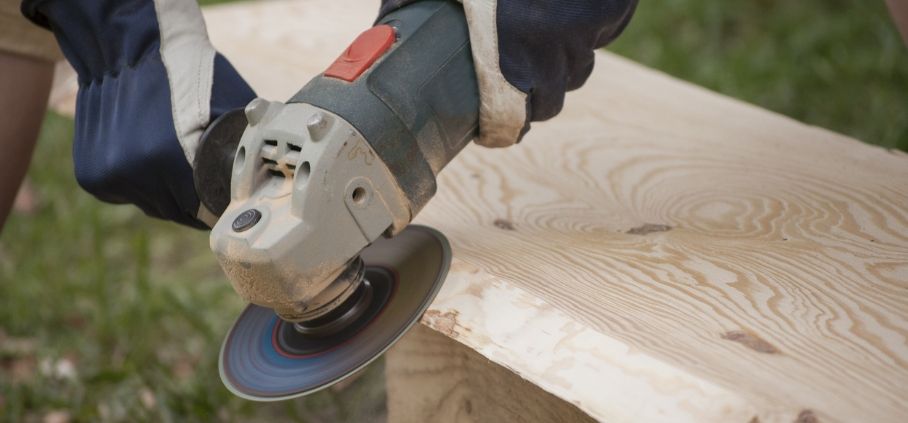
How To Sand Or Polish
- Use a sanding or polishing disc.
- Start with a coarse grit and move to finer grits for a smoother finish.
- Apply light pressure and keep the tool moving.
How To Use A Wire Brush
- Fit the wire brush attachment.
- Hold the grinder at a slight angle.
- Use gentle pressure to avoid removing too much material or damaging the surface.
Non-obvious insight: Many beginners forget to clean discs after use. A clogged disc can cause overheating and poor results next time. Clean with a wire brush or compressed air after each session.
Advanced Angle Grinder Techniques
Once you’re comfortable with the basics, you can use your grinder for more complex jobs. Here are a few advanced uses and tips.
Cutting Tiles Or Concrete
- Use a diamond blade for clean, precise cuts.
- Always wet the surface to reduce dust and cool the disc.
- Score the cut line first with a shallow pass, then deepen with each pass.
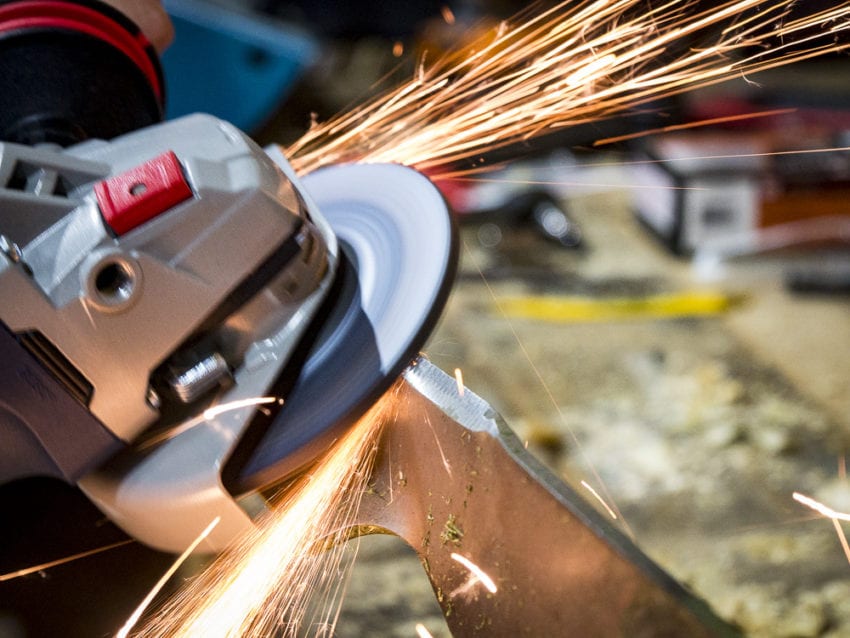
Sharpening Tools
- Use a grinding disc.
- Clamp the tool (axe, lawnmower blade) securely.
- Pass the grinder along the edge at the correct angle, using short, controlled strokes.
- Dip the tool in water between passes to avoid overheating.
Removing Mortar
- Fit a thick diamond-tipped blade.
- Use the edge of the disc to grind out old mortar between bricks.
- Go slowly to avoid damaging the bricks.
Creating Beveled Edges
- Hold the grinder at a 45-degree angle to the workpiece.
- Move evenly along the edge to create a smooth, angled surface.
Polishing Metal
- Use a polishing pad and suitable compound.
- Work in small circles until the surface shines.
Pro tip: Always check local rules for dust and debris disposal, especially when working with concrete, as silica dust can be hazardous.
Maintenance And Care Of Your Angle Grinder
Taking care of your angle grinder will extend its life and keep it safe.
Cleaning After Use
- Unplug the tool.
- Wipe down the body and handle.
- Use compressed air to blow dust from vents and moving parts.
- Remove the disc and clean the spindle.
Checking And Replacing Parts
- Inspect the power cord for cuts or wear.
- Check brushes (inside the motor) every 50 hours of use.
- Replace worn or cracked guards immediately.
- Replace discs at the first sign of damage.
Storing Your Grinder
- Store in a dry place, away from moisture.
- Hang on a wall or keep in a case to avoid damage.
Lubrication
- Some grinders require periodic lubrication of gears. Check your manual.
Non-obvious tip: Many people forget to check the vents for dust buildup. Blocked vents can cause overheating and shorten the tool’s life.
Common Mistakes To Avoid
Even experienced DIYers make mistakes with angle grinders. Here are some to watch out for:
- Removing the guard: Never use the tool without its guard.
- Forcing the tool: Let the disc do the work.
- Using the wrong disc: Always match the disc to the material.
- Not securing the workpiece: Unstable materials can cause accidents.
- Cutting too deep in one pass: Make several shallow passes for thick materials.
- Ignoring disc wear: Replace worn discs—using them too long can be dangerous.
- Not wearing PPE: Always protect your eyes, hands, and lungs.
- Using wet materials with non-waterproof grinders: Water and electricity are a dangerous mix.
- Letting the disc touch the ground when setting down: Always wait for it to stop spinning.
- Working in a cluttered area: Keep your workspace clear.
Angle Grinder Applications: Practical Examples
To show how useful an angle grinder can be, here are a few real-life scenarios:
- Cutting rebar when building a concrete patio
- Removing rust and old paint from a car panel before repair
- Sharpening garden tools like hoes and lawnmower blades
- Trimming ceramic tiles for a kitchen backsplash
- Cleaning weld joints before painting metal gates
In each case, the right disc and steady hands make all the difference.

Comparing Angle Grinder Features: What Matters When Choosing One
If you’re buying your first angle grinder, it’s easy to get overwhelmed by options. Focus on these key features:
| Feature | Why It Matters | What to Look For |
|---|---|---|
| Power (Watts/Amps) | More power for tougher jobs | 700–1500 Watts for home use |
| Disc Size | Bigger discs cut deeper | 4.5” for general use |
| Speed (RPM) | Faster speed for smoother cuts | 9000–12000 RPM |
| Weight | Lighter for longer use | Under 2.5 kg is comfortable |
| Adjustable Guard | Directs sparks safely | Tool-free adjustment preferred |
| Soft Start | Reduces kickback | Yes, for beginners |
| Vibration Control | Less fatigue | Anti-vibration handles |
| Safety Features | Prevents accidents | Restart protection, spindle lock |
Non-obvious insight: Some grinders have a variable speed dial, which is useful for delicate tasks like polishing or working with plastics. This is a feature many beginners overlook, but it can make your tool much more versatile.
Tips For Best Results And Efficiency
- Plan your cuts: Mark lines clearly before starting.
- Keep discs sharp and clean: A dull or clogged disc is dangerous and less effective.
- Don’t rush: Let the tool reach full speed before making contact.
- Practice on scrap: If you’re unsure, practice on waste material first.
- Watch the sparks: They should flow away from your body and any flammable objects.
- Rest your hands: Take breaks to avoid fatigue and loss of control.
- Check your progress: Stop regularly to inspect your work.
- Keep extra discs on hand: Discs wear out faster than you expect, especially on tough jobs.
Frequently Asked Questions
How Do I Know Which Disc To Use For My Angle Grinder?
Check the material you want to work on. For cutting steel, use an abrasive cutting disc; for concrete or tile, a diamond blade is best. The disc will be labeled with the materials it’s suitable for. Never use a disc on a material it’s not designed for.
Can I Use An Angle Grinder To Cut Wood?
Yes, but only with a wood-specific disc (such as a wood carving or saw blade). Standard cutting or grinding discs can catch and kick back dangerously. Always use proper PPE and go slow when cutting wood.
Why Does My Angle Grinder Kick Back Sometimes?
Kickback happens when the disc binds or jams in the material, often due to forcing the tool, cutting too deep, or hitting a hard spot. To reduce risk, use light pressure, keep the disc straight, and let the tool’s speed do the work.
How Often Should I Replace The Disc?
Replace the disc if it’s chipped, cracked, worn thin, or no longer cuts effectively. Don’t wait for it to break—damaged discs are dangerous. For heavy users, inspect discs before every session.
Can I Use A Larger Or Smaller Disc Than Recommended?
No. Always use the correct disc size for your grinder model. Using a disc that’s too large can cause it to break apart at high speed, while a smaller disc won’t fit properly and may not work safely.
Whether you’re tackling a quick home repair or starting a bigger project, learning how to use an angle grinder the right way makes your work faster, safer, and more professional. With the right technique, equipment, and safety habits, this tool will become one of your most trusted helpers in the workshop or on the job site. For more in-depth safety tips and advanced methods, check out the Wikipedia page on angle grinders. Remember, confidence with power tools comes from good preparation and careful practice—so take your time, keep learning, and enjoy the results you can achieve.