
Diamond saw blades are powerful tools that have transformed how we cut hard materials. Whether you are building a house, repairing roads, or working on a creative art project, these blades make your job easier and faster. But what exactly are diamond saw blades used for?
Many people think they are only for cutting stone, but their uses go much further. In this article, you will discover where and how diamond saw blades are used, why they are chosen over other blades, and what you should consider when working with them.
Understanding Diamond Saw Blades
A diamond saw blade is not made entirely of diamond. Instead, it has a steel core with a rim or segments that are bonded with synthetic diamond crystals. These crystals make the blade extremely hard and able to cut materials that would destroy regular steel blades.
The diamonds do the cutting, while the steel supports and cools the blade.
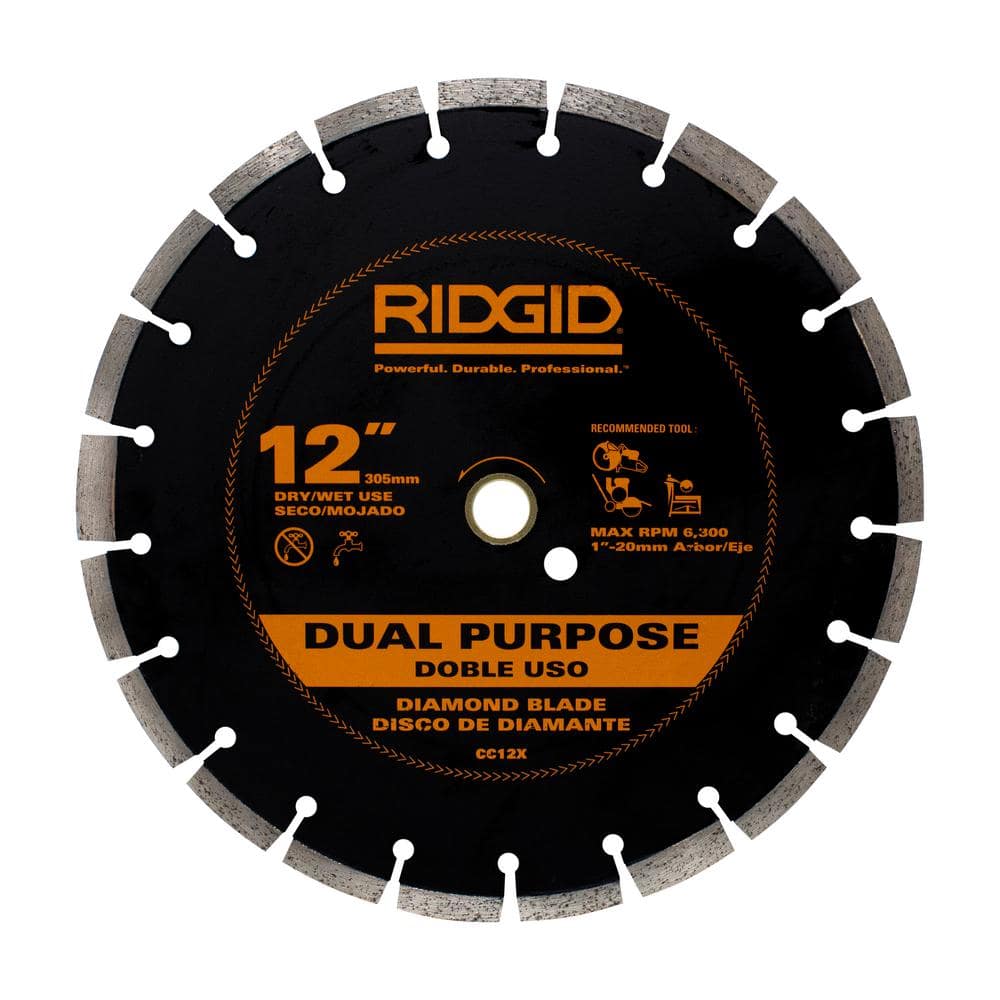
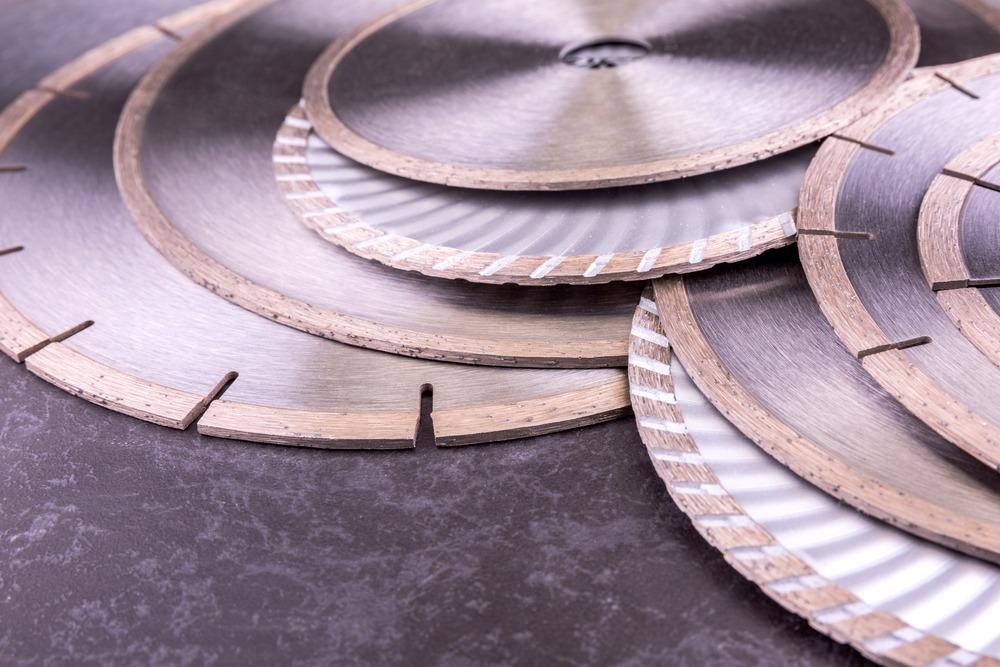
Diamond blades come in different shapes and sizes. Some are continuous rim blades for smooth cuts, while others are segmented for fast, aggressive cutting. The type of blade you choose depends on your project.
How Diamond Saw Blades Cut
Unlike traditional blades that cut by a sharp edge, diamond saw blades grind through materials. The diamonds work like sandpaper, slowly wearing down the hard surface. This means less pressure is needed, and the cuts are more precise. The process also keeps the blade cooler, reducing the risk of warping.
Common Uses Of Diamond Saw Blades
Diamond saw blades are famous for their ability to cut the toughest materials. Here are the main ways they are used in different industries and applications.
1. Cutting Concrete
Concrete cutting is one of the most common uses for diamond saw blades. Concrete is a mixture of cement, sand, gravel, and sometimes steel bars (rebar) for strength. Standard blades struggle with these elements, but diamond blades handle them easily.
Workers use diamond blades to cut:
- Concrete slabs for new floors
- Expansion joints in roads
- Precast concrete panels for buildings
- Openings for doors and windows in concrete walls
A large walk-behind saw with a diamond blade is often used for roads and industrial floors. Smaller hand-held saws are used for detailed work.
Non-obvious insight: Not all diamond blades can cut through reinforced concrete. For concrete with thick steel bars, you need a blade designed for both concrete and metal.
2. Cutting Asphalt
Asphalt cutting is critical for road construction and repair. Asphalt is softer than concrete but contains rocks and sand that wear down regular blades quickly. Diamond blades with special bonds are made for asphalt to handle its unique properties.
Workers use these blades to:
- Cut trenches for utilities under roads
- Remove damaged sections of pavement
- Create expansion joints in parking lots
Using the right diamond blade for asphalt prevents early blade wear and gives a cleaner cut.
3. Cutting Stone
Natural stone is used for countertops, tiles, monuments, and building facades. Stones like granite, marble, slate, and limestone are hard and brittle. Diamond saw blades allow for precise, chip-free cuts.
Common uses include:
- Shaping kitchen and bathroom countertops
- Cutting floor and wall tiles
- Making decorative stone pieces
- Trimming gravestones and sculptures
Practical tip: Wet-cutting with diamond blades is popular in stone work because water reduces dust and cools the blade, extending its life.
4. Cutting Brick And Masonry
Bricks, blocks, and masonry units are essential in construction. Diamond blades are the tool of choice for:
- Cutting bricks for walls and patios
- Trimming concrete blocks for buildings
- Shaping decorative masonry for landscaping
A brick saw with a diamond blade can handle hundreds of cuts a day without losing sharpness.
5. Cutting Ceramic And Porcelain Tiles
Ceramic and porcelain tiles are hard, brittle, and prone to chipping. Diamond blades give a clean, smooth edge for:
- Cutting floor and wall tiles to size
- Creating holes for pipes and fixtures
- Shaping tiles for mosaics and artistic patterns
Tile installers often use a wet tile saw with a continuous rim diamond blade for the best results.
6. Cutting Glass
Glass cutting with diamond saw blades is less common than tile or stone, but it is critical in some industries. Specialized diamond blades are used for:
- Cutting thick glass panels for windows and doors
- Shaping glass art pieces
- Creating custom glass shapes for architecture
The blade must have very fine diamonds and a smooth rim to avoid cracking the glass.
Beginner’s mistake: Using a standard diamond blade on glass can cause chips or breakage. Always use a blade labeled for glass.
7. Cutting Metal
While most diamond blades are not made for metal, some are specially designed to cut:
- Ductile iron pipes
- Steel reinforcing bars in concrete
- Certain non-ferrous metals like copper and aluminum
These blades have a different diamond bond and structure. They grind the metal rather than slice through it.
Non-obvious insight: Cutting thick steel with a diamond blade is slow and can wear out the blade quickly. For heavy steel, an abrasive or carbide-tipped blade may work better.
8. Demolition And Rescue Operations
Firefighters and rescue teams use diamond saw blades in emergencies. They need to cut quickly through:
- Concrete walls and floors
- Steel doors and bars
- Building debris
The speed and reliability of diamond blades can save lives when time matters.
9. Cutting Composite Materials
Composite materials are made from two or more substances, like fiber cement, fiberglass, and reinforced plastics. These materials are hard on regular blades, but diamond blades can handle them well.
Common uses:
- Cutting fiber cement siding for homes
- Shaping fiberglass panels for vehicles and boats
- Trimming plastic parts in factories
10. Cutting Gemstones
In jewelry making, diamond saw blades are used to cut and shape precious and semi-precious stones. These blades are extremely thin, allowing for detailed, fine cuts without breaking the stone.
Examples:
- Slicing rough diamonds for faceting
- Shaping sapphires, rubies, and emeralds
- Making cabochons for rings and pendants
11. Cutting Concrete Pipes And Precast Units
Large construction projects often use precast concrete pipes and units. Diamond blades are essential for:
- Trimming pipes to length
- Cutting openings for utility connections
- Modifying precast walls and beams
This work requires big, powerful saws with large-diameter blades.
12. Cutting Refractory Materials
Refractory bricks and linings are used in high-temperature environments like kilns and furnaces. These materials are dense and heat-resistant, making them very tough to cut.
Diamond blades with a special bond are used to cut and shape:
- Firebricks for ovens and fireplaces
- Kiln shelves and linings
- Industrial furnace parts
13. Cutting Concrete Roof Tiles
Concrete roof tiles are strong but brittle. Diamond saw blades are used to:
- Cut tiles to fit roof edges and valleys
- Create custom shapes for vents and skylights
- Trim tiles for complex roof designs
Roofers use hand-held saws with diamond blades for on-site adjustments.
14. Cutting Pavers And Landscaping Materials
Landscapers and masons use diamond saw blades to cut:
- Concrete and stone pavers for walkways and patios
- Retaining wall blocks
- Decorative stones for gardens
The clean cuts make it easy to fit pieces together for a polished look.
15. Cutting Engineered Quartz Surfaces
Quartz countertops are made from crushed stone and resin. Diamond blades are the only practical way to cut these surfaces without damaging them.
Fabricators use diamond blades to:
- Cut countertop slabs to size
- Shape sink and stove openings
- Create smooth edges
16. Cutting Plastic And Acrylic
Some plastics and acrylic sheets are so tough that standard blades melt or chip them. Diamond saw blades with a fine rim can make clean cuts without overheating.
Common applications:
- Cutting acrylic panels for displays
- Shaping plastic parts for manufacturing
- Creating custom plastic pieces for signs
17. Cutting Carbon Fiber And Advanced Composites
Carbon fiber is strong and lightweight, used in aerospace, automotive, and sports equipment. Diamond blades are used to:
- Cut carbon fiber panels to shape
- Trim excess material from molded parts
- Create openings for electronics
These cuts must be precise to avoid splintering the fibers.
18. Cutting Wood With Hard Inclusions
While diamond saw blades are not common for wood, they are used when the wood contains:
- Embedded nails or screws
- Hard knots
- Stone or concrete
For example, when remodeling old buildings, diamond blades can cut through wood and metal at the same time.
19. Cutting Tiles For Artistic And Mosaic Work
Artists and designers use diamond saw blades for delicate tile work. The blades can:
- Shape tiles for mosaics and murals
- Make tiny, precise cuts
- Cut curves and unusual shapes
This level of detail is not possible with standard tile cutters.
20. Cutting Reinforced Concrete Pipes
Large drainage and sewer pipes are often reinforced with steel. Diamond saw blades designed for both concrete and metal are used to:
- Cut pipes to length
- Create access holes
- Modify pipes during installation
These blades must be strong enough to handle both the concrete and the steel mesh inside.
Types Of Diamond Saw Blades
Not all diamond saw blades are the same. The blade you choose depends on the material and the cut you need.
| Blade Type | Best For | Cut Quality | Wet/Dry Use |
|---|---|---|---|
| Continuous Rim | Tiles, Glass, Stone | Very Smooth | Wet |
| Segmented | Concrete, Brick, Masonry | Fast, Rougher | Dry or Wet |
| Turbine Rim | Granite, Hard Stone | Smooth/Fast | Wet or Dry |
| Electroplated | Glass, Gemstones | Fine, Precise | Wet |
Key factors when choosing a blade:
- Material you are cutting
- Size and thickness of the blade
- Type of saw (hand-held, table, walk-behind)
- Wet or dry cutting
Beginner’s mistake: Using the wrong blade type can damage both the blade and your material.
Diamond Saw Blades Vs. Other Blades
How do diamond saw blades compare to other cutting tools like carbide-tipped, abrasive, or steel blades? Here’s a quick comparison:
| Blade Type | Material Cut | Durability | Cut Quality | Cost |
|---|---|---|---|---|
| Diamond | Concrete, Stone, Tile, Glass | Very High | Excellent | High |
| Carbide-Tipped | Wood, Soft Metals | Medium | Good | Medium |
| Abrasive | Metal, Masonry | Low | Fair | Low |
| Steel | Wood | Low | Good | Low |
Diamond blades cost more but last longer and give cleaner cuts. For hard materials, they are almost always the best choice.
How To Use Diamond Saw Blades Safely
Using diamond saw blades is not difficult, but safety is very important. Here are some key steps:
- Wear personal protective equipment (PPE): Always use safety glasses, gloves, ear protection, and a dust mask.
- Use the right blade: Make sure your blade matches the material and saw.
- Check the blade before use: Look for cracks, missing segments, or signs of wear.
- Follow the manufacturer’s speed rating: Do not spin the blade faster than recommended.
- Secure your material: Make sure what you are cutting cannot move.
- Let the blade do the work: Do not force the blade; apply light, steady pressure.
- Use water when required: For wet-cutting, make sure you have enough water to keep the blade cool.
- Keep the workspace clean: Remove dust and debris often.
Non-obvious tip: If you hear a high-pitched whine or see sparks, stop immediately. This can mean the blade is not suitable for the material or is damaged.
Extending The Life Of Your Diamond Saw Blade
Diamond saw blades are expensive, so you want them to last as long as possible. Here’s how:
- Use the right blade for each job: Do not use a tile blade on concrete or vice versa.
- Cool the blade with water: Heat is the enemy of diamond blades. Water reduces friction and removes dust.
- Clean the blade: If the blade seems dull, try cutting a soft material like a brick. This can expose new diamonds and “sharpen” the blade.
- Store blades properly: Keep them dry and safe from impacts.
- Follow proper cutting technique: Avoid twisting or bending the blade during use.
Factors Affecting Performance Of Diamond Saw Blades
Several factors can change how well a diamond blade works:
Bond Hardness
The bond is the material holding the diamonds in place. A soft bond releases diamonds quickly, making it good for hard materials. A hard bond holds diamonds longer, better for soft materials.
Diamond Grit Size
Fine grit blades cut slowly but leave a smooth edge (good for glass and tile). Coarse grit blades cut faster but rougher (good for concrete).
Blade Diameter And Thickness
A larger, thicker blade is stronger but heavier and less precise. Smaller, thinner blades are good for detail work.
Saw Power And Speed
A more powerful saw can handle bigger, thicker blades and tougher materials.
Innovations In Diamond Saw Blade Technology
The technology behind diamond saw blades keeps improving. Some recent advances include:
- Laser-welded segments: These are stronger and safer than old brazed segments.
- Silent core blades: Special steel cores reduce noise and vibration during cutting.
- Vacuum-brazed blades: Offer aggressive cutting and longer life.
- Segmented turbo designs: Combine fast cutting with smoother edges.
These advances help professionals work faster, safer, and more accurately.
Environmental And Health Considerations
Diamond saw blades produce dust, which can harm your lungs. Wet cutting reduces dust by up to 90%. Some places require dust control measures by law.
Also, diamond blades last longer than abrasive blades, which means less waste.
Non-obvious insight: The water used in wet cutting can carry fine particles. Proper disposal is important to protect the environment.
Cost Of Diamond Saw Blades
Prices vary widely depending on size, quality, and use. For example:
- Small blades for tile saws can cost $10–$40
- Medium blades for masonry saws: $40–$150
- Large blades for road saws: $150–$1,000+
Premium blades cost more but often last longer, saving money in the long run.
Beginner’s mistake: Choosing the cheapest blade can cost more over time because of poor performance and short life.

Where To Buy And What To Look For
You can buy diamond saw blades from hardware stores, building supply shops, and online retailers. Look for:
- Trusted brands: Not all blades are created equal.
- Clear labeling: The blade should state which materials it cuts.
- Warranty: Good manufacturers offer guarantees.
When in doubt, ask for advice at the shop or from experienced users. Reading reviews on professional sites like Wikipedia can also help.
Frequently Asked Questions
What Materials Can I Cut With A Diamond Saw Blade?
You can cut concrete, stone, tile, glass, brick, asphalt, and some metals with the right diamond blade. Always check the blade’s label for approved materials.
Can I Use A Diamond Blade For Both Wet And Dry Cutting?
Some blades are made for wet use only, others for dry use, and some for both. Wet cutting is safer and extends blade life. Always follow the manufacturer’s instructions.
How Do I Know When A Diamond Blade Is Worn Out?
A blade is worn out if it cuts slowly, makes strange noises, has missing segments, or if the diamonds are no longer visible. Do not use a damaged blade.
Are Diamond Blades Dangerous?
Diamond blades are safe when used correctly. The main dangers are flying debris, blade breakage, and dust. Always wear safety gear and follow safety rules.
Why Do Diamond Blades Cost More Than Regular Blades?
Diamond blades use synthetic diamonds and advanced manufacturing. They last much longer and cut tougher materials than regular blades, making them a better value over time.
Diamond saw blades are one of the most important cutting tools in modern construction and industry. From roads to art studios, they make it possible to shape the hardest materials with speed and accuracy. Knowing what diamond saw blades are used for—and how to use them safely—can help you achieve better results and save time and money.
Whether you are a professional or a DIY enthusiast, choosing the right blade and using it correctly makes all the difference.