
Most people panic when a toilet clogs and there’s no plunger in sight. Maybe you’re visiting someone, staying in a hotel, or simply haven’t bought a plunger yet. But the good news is: you don’t need to wait for a plumber or run to the store. With a few simple tricks and household items, you can often unclog a toilet quickly and easily—even without a plunger. This guide shows you how, step by step, including safety tips, smart prevention, and common mistakes to avoid.
Why Do Toilets Clog?
Before learning how to fix a clogged toilet, it helps to know why toilets get blocked in the first place. The most common causes are:
- Too much toilet paper: Excess paper doesn’t dissolve quickly, especially with low-flow toilets.
- Non-flushable items: Wet wipes, sanitary pads, diapers, and paper towels don’t break down in water and can easily block pipes.
- Hard water deposits: Over time, minerals can build up inside pipes, narrowing the space for water and waste to pass.
- Old or weak flush: Some older toilets or those with a weak flush don’t provide enough force to push waste through.
- Children’s toys or objects: Kids sometimes drop small objects in the toilet, causing sudden blockages.
Knowing the cause can help you choose the best unclogging method and prevent future problems.
Immediate Steps: What To Do First
When you notice a clog, don’t flush again right away. This is a common mistake that can cause water to overflow onto your floor. Instead, follow these steps:
- Stop the water: If the water is rising, quickly take off the tank lid and push the flapper down (the rubber part at the bottom of the tank) to stop more water entering the bowl.
- Wait and observe: Sometimes, a partial clog will slowly drain on its own in 10–15 minutes.
- Protect the floor: Put down towels or old newspapers around the toilet in case of spills.
- Ventilate the area: Open a window or turn on a fan to reduce any odor.
Now you’re ready to try different unclogging methods—no plunger needed.
Unclogging Methods Without A Plunger
There are several proven ways to unclog a toilet without a plunger. Each method uses items you likely have at home. The right technique depends on what’s causing the blockage and how severe it is.
1. Hot Water And Dish Soap
This method is gentle, safe for pipes, and works well for clogs caused by toilet paper or organic matter.
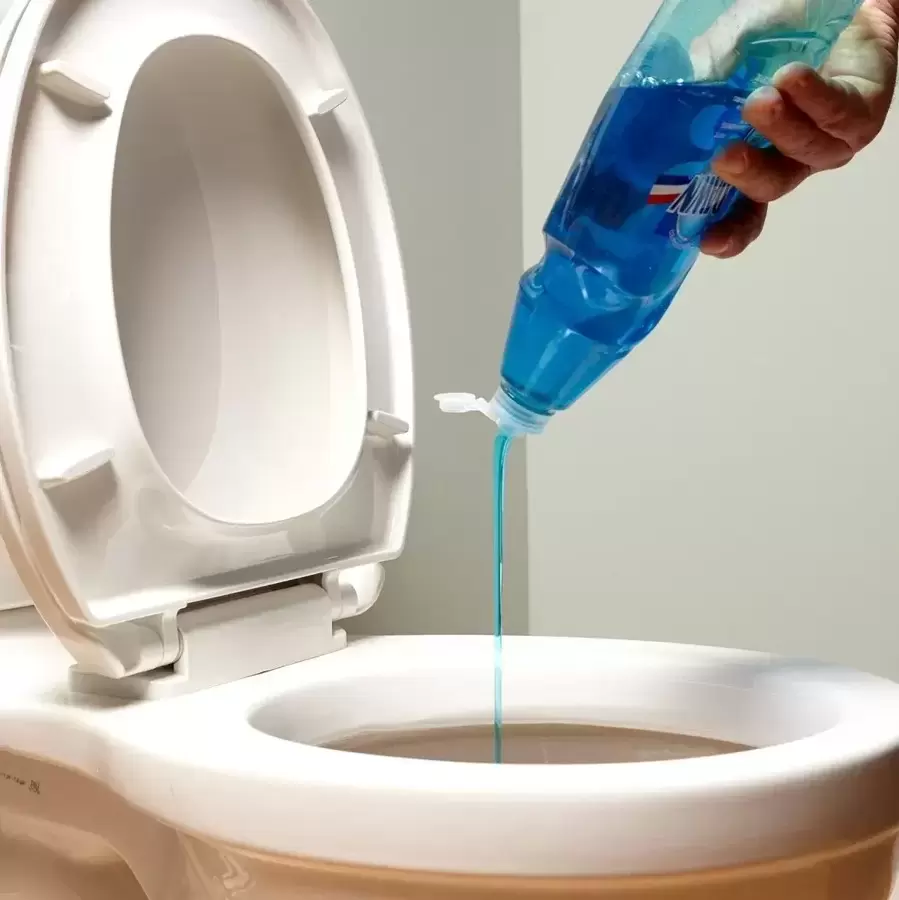
- Step 1: Pour about half a cup of dish soap into the toilet bowl. Let it sit for 5–10 minutes; the soap helps break up grease and lubricate the pipes.
- Step 2: Heat a large pot of water (about 1–2 gallons) until it’s very hot but not boiling. Boiling water can crack porcelain.
- Step 3: Carefully pour the hot water into the bowl from waist height. The force helps push the clog, and the heat softens it.
- Step 4: Wait 10–20 minutes. If the water drains, the clog is likely cleared. Flush once to check.
- Pro tip: Repeat if needed, but avoid using boiling water.
2. Baking Soda And Vinegar
This classic combination creates a fizzing reaction that can help loosen clogs.
- Step 1: Pour one cup of baking soda into the toilet.
- Step 2: Add two cups of white vinegar slowly. It will fizz and bubble—this is normal.
- Step 3: Wait 30 minutes to one hour for the reaction to break down the clog.
- Step 4: Pour hot (not boiling) water to help flush the mixture through.
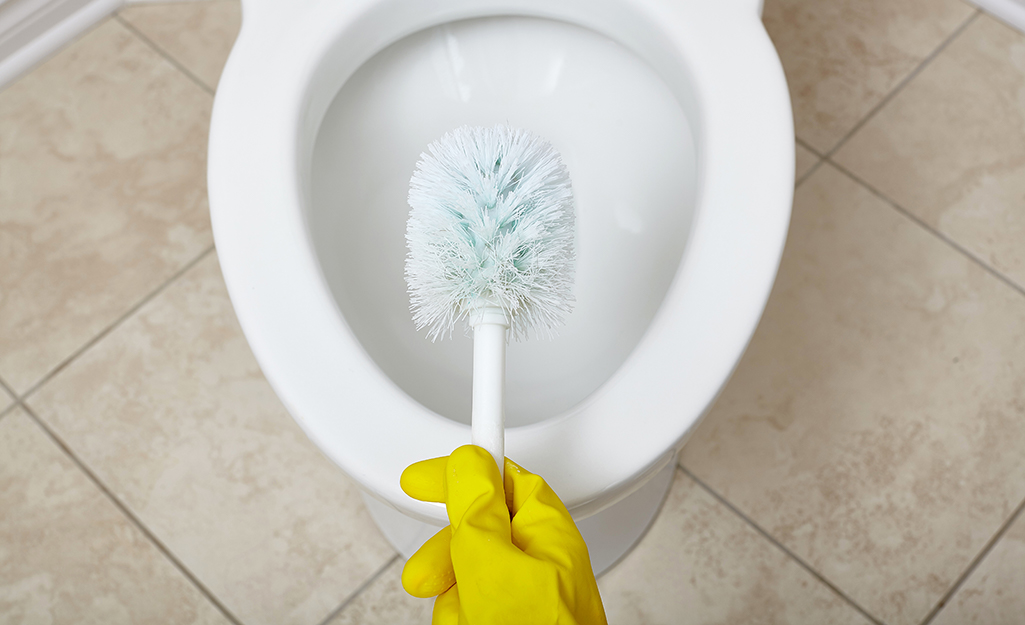
3. The Toilet Brush “plunger” Technique
If you don’t have a plunger, a sturdy toilet brush can sometimes work as a substitute.
- Step 1: Place the brush bristles deep into the drain opening.
- Step 2: Pump up and down quickly, creating suction and pressure, similar to a plunger.
- Step 3: Flush and see if the water drains. Clean the brush thoroughly afterward.
4. The Plastic Bottle Squeeze
This is a creative method for stubborn clogs, but it can get messy. Use disposable gloves.
- Step 1: Remove as much water as possible from the bowl using a small container or cup. Dispose of it in another toilet or sink.
- Step 2: Fill a large plastic water bottle with warm water.
- Step 3: Wear gloves. Place your thumb over the bottle opening, turn it upside down, and insert the top into the toilet drain.
- Step 4: Squeeze the bottle hard. The water force can help dislodge the clog.
5. The Wire Hanger Trick
If you suspect the clog is close to the bowl (like a toy or thick wad of paper), a wire coat hanger can help.
- Step 1: Straighten out a wire hanger. Wrap a small cloth around the end to avoid scratching the porcelain.
- Step 2: Gently push the covered end into the drain, twisting and pushing to break up or hook the clog.
- Step 3: Pull out debris if possible. Flush to see if water drains.
6. Enzyme Cleaners
If you have time (overnight is best) and suspect organic waste is the problem, use an enzyme-based drain cleaner. These products use natural bacteria to break down waste.
- Step 1: Pour the recommended amount into the bowl (see product instructions).
- Step 2: Wait several hours or overnight.
- Step 3: Flush. This is a safe, eco-friendly method but works slowly.
7. Wet/dry Vacuum
If you have a wet/dry shop vacuum (never use a regular vacuum), it can suck out the clog.
- Step 1: Remove standing water from the bowl.
- Step 2: Place the vacuum hose into the drain, sealing around it with a towel.
- Step 3: Turn on the vacuum for a few seconds. Check if the clog is removed.
- Warning: Clean and disinfect the vacuum thoroughly after use.
8. Epsom Salt Method
Epsom salt is not just for baths—it can help unclog toilets by creating a fizzing reaction.
- Step 1: Pour a generous amount (about a cup) of Epsom salt into the toilet.
- Step 2: Wait 15–20 minutes for the fizzing to work.
- Step 3: Flush with hot water.
9. Bleach For Tough Clogs
As a last resort, bleach can help break down organic matter. Only use this on organic clogs (not toys or solid objects).
- Step 1: Pour about two cups of household bleach into the toilet.
- Step 2: Wait 10–15 minutes.
- Step 3: Add one cup of powdered dishwasher detergent and wait another 15 minutes.
- Step 4: Flush with hot water.
10. Diy Drain Snake
If you don’t have a real drain snake, you can make one from a flexible plastic rod or a long zip tie.
- Step 1: Insert the rod or zip tie into the toilet drain.
- Step 2: Twist and push to break up the clog.
- Step 3: Pull out debris and flush.
Comparing Unclogging Methods
Choosing the right method depends on what you have at home and the type of clog. Here’s a quick comparison to help you pick the best one:
| Method | Best For | How Fast? | Mess Level | Risks |
|---|---|---|---|---|
| Hot Water & Dish Soap | Soft organic clogs, toilet paper | 15–30 min | Low | Cracking (if water is boiling) |
| Baking Soda & Vinegar | Paper, mild clogs | 30–60 min | Low | Overflow if too much is used |
| Toilet Brush | Light clogs, no hard objects | 10 min | Medium | Messy brush |
| Wire Hanger | Near-bowl obstructions | 15–20 min | Medium | Scratches bowl |
| Enzyme Cleaner | Organic clogs, safe for pipes | 8–12 hours | Low | Slow |
| Vacuum | Hard obstructions | 10–15 min | High | Hygiene risk |
Safety Tips And What To Avoid
Working with toilets can be messy and sometimes risky. Follow these tips to protect yourself and your bathroom:
- Wear rubber gloves: Always use gloves to avoid contact with dirty water and bacteria.
- Don’t mix chemicals: Never mix bleach with vinegar or ammonia. This releases toxic fumes.
- Avoid boiling water: Pouring boiling water into a porcelain toilet can crack the bowl.
- Don’t force flushes: Multiple flushes can cause overflow and a bigger mess.
- Disinfect tools after use: Clean brushes, hangers, and vacuums with bleach or disinfectant.
A common beginner mistake is using too much force with homemade tools, which can damage the toilet or pipes. Take your time and stop if you feel resistance.
When To Call A Professional
Sometimes, home methods aren’t enough. If you face these situations, it’s best to call a plumber:
- Water backing up into other drains: This could mean a main sewer line problem.
- Frequent clogs: If your toilet clogs often, there may be a bigger issue inside the pipes.
- Object dropped in: If you know a toy, comb, or solid object is stuck, don’t push it further.
- No improvement after multiple tries: If several methods fail, professional equipment may be needed.
According to the American Society of Plumbing Engineers, 10–15% of home clogs require professional help each year, usually because the blockage is deep in the pipes or involves a solid object.
Preventing Future Toilet Clogs
Prevention is the easiest way to avoid a messy situation. A few simple habits make a big difference:
- Flush only toilet paper and waste: Never flush wipes, pads, or other items.
- Use less paper: Fold instead of bunching, and use smaller amounts.
- Teach children: Explain what should and shouldn’t go in the toilet.
- Regular cleaning: Clean your toilet and pipes monthly with an enzyme cleaner to prevent buildup.
- Check water flow: If your flush is weak, consider adjusting the tank settings or replacing old parts.
Here’s a quick look at items you should and should not flush:
| Safe to Flush | Never Flush |
|---|---|
| Toilet paper | Wipes (even “flushable” ones) |
| Human waste | Paper towels |
| Feminine products | |
| Dental floss | |
| Diapers | |
| Toys or solid objects |
Two Common Mistakes Beginners Make
Even with the best advice, beginners often overlook important details:
- Ignoring the Water Level: Many people forget to reduce the water in the bowl before trying methods like the bottle squeeze or vacuum. If the bowl is too full, you risk spills and a bigger mess. Always remove excess water before using force.
- Using Too Much Chemical Cleaner: Hoping for faster results, some beginners pour in more than the recommended amount of bleach or drain cleaner. This can create dangerous fumes, damage pipes, or make the clog worse.
Always follow directions and start with the gentlest method possible.
Real-life Example: Solving A Stubborn Clog
Maria, a university student, faced a stubborn clog after a party. She didn’t have a plunger but tried the hot water and dish soap method. After two tries, the water was still high. She then used baking soda and vinegar, waited an hour, and finished with the toilet brush technique.
Finally, the clog cleared—without a plumber’s help.
The main lesson? Persistence and combining methods can solve most problems. It’s rare that you’ll need to use every trick, but don’t give up after just one.
Expert Tips For Faster Results
- Let gravity help: Pour hot water from waist height for extra force.
- Use enough soap: Don’t skimp—soap helps a lot in breaking up waste.
- Be patient: Some reactions take time. Rushing often leads to spills.
- Check for slow drains: If multiple drains are slow, the problem may be in the main pipe.
Products And Tools To Keep Handy
You don’t need expensive equipment, but a few items can make unclogging easier next time:
- Heavy-duty rubber gloves
- Enzyme-based drain cleaner
- Sturdy toilet brush
- Plastic bucket or container
- Old towels or newspapers
- Flexible plastic rod or zip ties
If you live in an older building or have frequent problems, consider buying a compact plunger or a real drain snake for emergencies.
Environmental Considerations
Some unclogging methods are better for the environment. Enzyme cleaners use natural bacteria, which are safe for pipes and septic systems. Avoid harsh chemicals that can harm local water sources. If you must use bleach, use it sparingly and never mix it with other cleaners.
For more tips on eco-friendly cleaning, see the EPA’s plumbing recommendations at EPA WaterSense.

Frequently Asked Questions
How Do I Unclog A Toilet If Nothing Works?
If you’ve tried multiple methods (hot water, soap, baking soda and vinegar, wire hanger) and the clog won’t clear, it may be deep in the pipes or caused by a hard object. At this point, it’s best to call a professional plumber.
Forcing more water or chemicals can damage your toilet or plumbing.
Is It Safe To Use Boiling Water In My Toilet?
No. Boiling water can crack the porcelain bowl, leading to expensive repairs. Always use very hot—but not boiling—water. If you’re unsure, let the water cool for a few minutes before pouring.
Can I Use Drain Cleaner In The Toilet?
Some commercial drain cleaners are safe for toilets, but many are designed for sinks or tubs and can damage pipes or rubber parts in the tank. Enzyme-based cleaners are safer for both toilets and septic systems. Always read the label before use.
What If My Toilet Overflows After Trying These Methods?
If the toilet begins to overflow, quickly lift the tank lid and push down the flapper to stop more water entering the bowl. Clean up spills immediately to avoid water damage. Wait until the water level drops before trying again.
If overflow keeps happening, call a plumber.
How Can I Prevent Future Toilet Clogs?
Only flush toilet paper and waste. Avoid flushing wipes, paper towels, or feminine products. Use smaller amounts of toilet paper and teach children proper bathroom habits. Clean your toilet monthly with a safe enzyme cleaner to keep pipes clear.
Clogged toilets are stressful, but with these proven techniques, you can tackle most problems easily—even without a plunger. Stay calm, follow safety tips, and remember: patience and the right household items are usually all you need. If you run into a bigger issue, don’t hesitate to call a professional. The more you know about prevention, the less likely you’ll face this problem again.