
Drilling into concrete can feel like a big challenge, even for people who have some experience with tools. You might be ready to hang a heavy shelf, mount a TV, or install a railing, only to find that your regular drill just won’t cut it. Many homeowners and DIY fans ask: Do you need a hammer drill for concrete? The answer isn’t always simple. It depends on the job, the tools you have, and the results you expect.
This article will help you understand when a hammer drill is truly needed for concrete, what makes it different from other drills, and how to get the best results. We’ll also cover common mistakes, tips for safe use, and how to choose the right tool for the job.
Even if you’re new to power tools, you’ll find practical advice and clear answers here.
Why Concrete Is Tough To Drill
Concrete is not like wood or drywall. It’s a tough mix of cement, sand, gravel, and sometimes reinforcing steel. As it cures, it becomes extremely hard and dense. This makes it difficult for standard drills to penetrate without extra help.
When you try to use a regular drill, you might notice:
- The bit gets hot quickly
- Progress is very slow
- The drill might stall or stop
- The hole is not clean, or the bit wanders
This is because regular drills only spin the bit. In contrast, concrete often needs both rotation and impact to break through hard particles.
What Is A Hammer Drill?
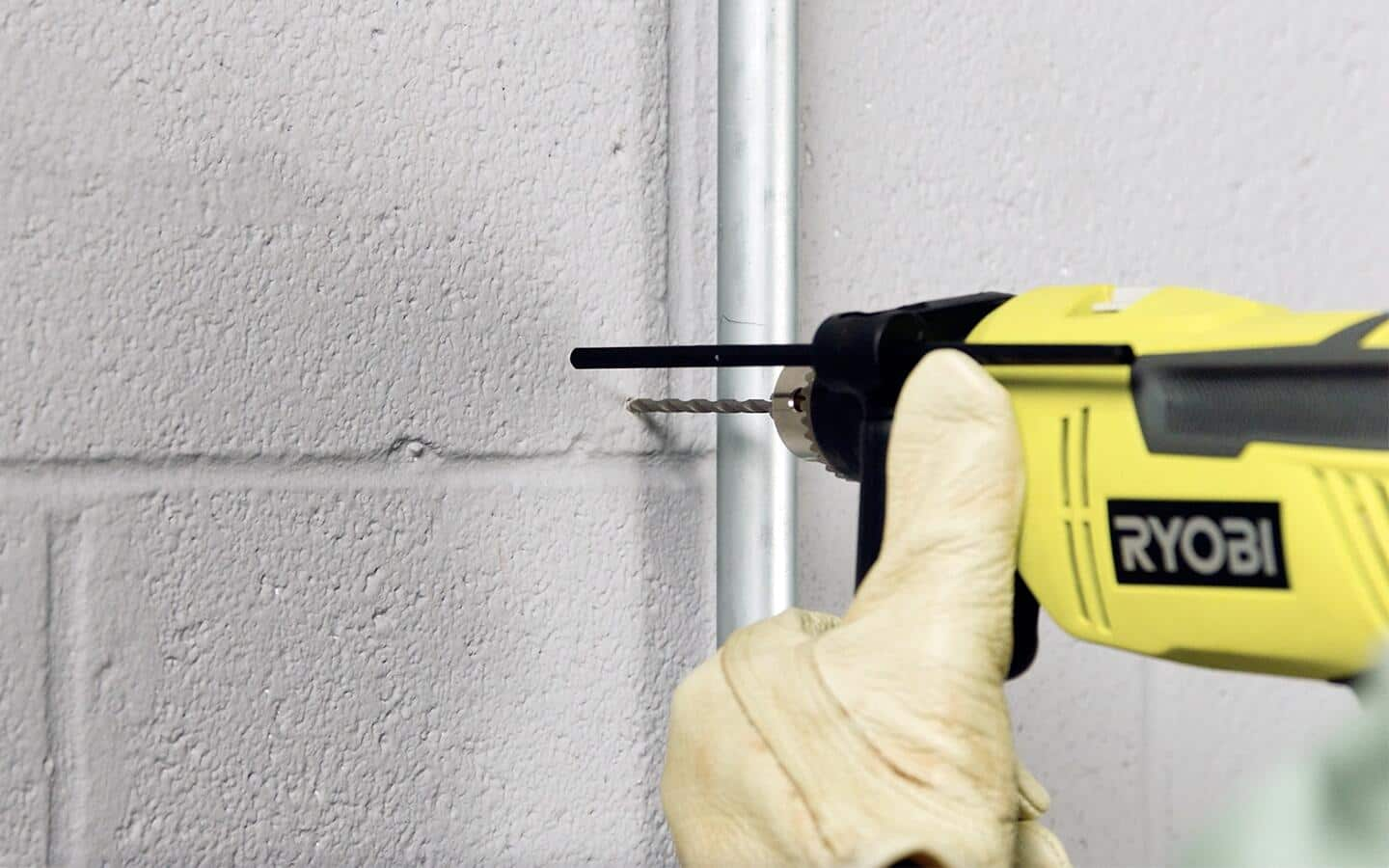
A hammer drill is a special kind of power drill designed for hard materials like concrete, brick, and stone. It uses a hammering action: as the bit spins, the drill also moves the bit in and out (like a tiny jackhammer). This pounding motion helps break up the hard material so the bit can remove debris and dig deeper.
Here’s what makes hammer drills unique:
- Hammering action: Combines rotation with rapid forward blows
- Special bits: Uses carbide-tipped masonry bits that can handle heat and impact
- Variable speed: Lets you control how fast and hard you drill
Hammer drills often have a switch to turn the hammer function on or off. This means you can use them as a regular drill for wood or metal, or as a hammer drill for concrete.
When Do You Need A Hammer Drill For Concrete?
You don’t always need a hammer drill for every concrete job. Sometimes, a regular drill will work, but often with more effort and less satisfying results. Here are situations where a hammer drill is needed:
- Deep holes (more than 1 inch)
- Regular drills may overheat or struggle.
- Hammer drills break up concrete faster.
- Large diameter holes (over 1/4 inch)
- Hammer drills keep the hole straight and clean.
- Hard, cured concrete
- Older concrete is harder and denser than new concrete.
- Hammer action is almost always required.
- Multiple holes
- For a series of holes (e.g., for anchors), the time savings is huge.
- Reinforced concrete (with rebar)
- Hammer drills can cut through small rebar with the right bit.
- Professional work
- Clean, accurate holes are important for safety and quality.
If you only need to drill a small, shallow hole in a soft concrete block, a regular drill with a masonry bit might work. But for most wall or floor jobs, a hammer drill makes the job faster, easier, and safer.
How Hammer Drills Compare To Other Drills
It’s easy to get confused by the different types of drills. Here’s a direct comparison to make things clearer.
| Feature | Regular Drill | Hammer Drill | Rotary Hammer |
|---|---|---|---|
| Hammering Action | No | Yes (light) | Yes (strong) |
| Best For | Wood, metal, soft materials | Concrete, brick, masonry | Heavy-duty concrete, demolition |
| Drill Bit Type | Standard bits | Masonry bits (SDS or smooth shank) | SDS bits |
| Price Range | Low to medium | Medium | High |
| Weight | Light | Medium | Heavy |
| Control | Easy | Moderate | Requires strength |
Key Insights
- Hammer drills are a middle ground. They’re stronger than a regular drill, but not as powerful as a rotary hammer.
- Rotary hammers are for pro-level jobs like making large holes or breaking up concrete.
- For most home projects, a hammer drill is the best mix of power, size, and price.
Types Of Hammer Drills
Not all hammer drills are the same. Choosing the right type can make your work much easier.
1. Corded Hammer Drills
These plug into the wall and provide consistent power. They are ideal for:
- Long jobs where battery life isn’t enough
- Drilling large or deep holes
- People who want maximum performance
Drawback: You need to work near an outlet or use an extension cord.
2. Cordless Hammer Drills
These use rechargeable batteries. They are best for:
- Jobs far from outlets
- Quick, light tasks
- Portability and convenience
Drawback: Battery can run out quickly on tough jobs. Not as powerful as corded models.
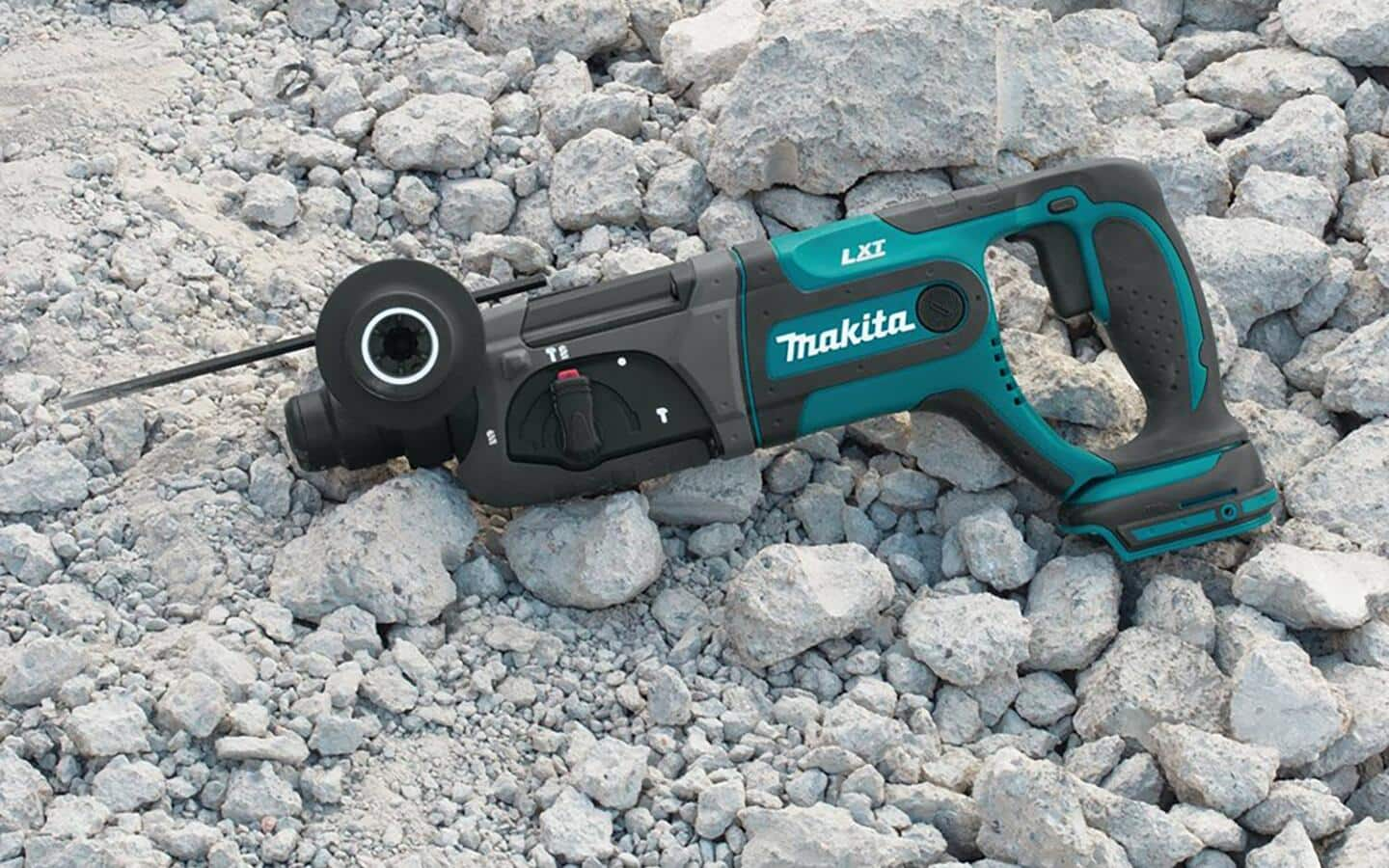
3. Rotary Hammer Drills
This is a heavy-duty tool. It’s used for:
- Demolition work
- Large-diameter holes (over 1/2 inch)
- Drilling into very hard concrete
They are more expensive and heavier, but for big projects, they’re worth it.
4. Combination Drills
Some high-end drills let you switch between regular, hammer, and even chisel modes. They’re flexible but cost more.
What Happens If You Use A Regular Drill On Concrete?
Many people try to use a regular drill for concrete, especially if they only need one or two holes. Here’s what to expect:
- Slow progress: It can take 10-20 minutes to drill a single hole.
- Bit damage: Regular bits can overheat, dull, or break.
- Drill motor stress: The drill can overheat, wear out, or even break.
- Messy holes: Holes may be crooked or uneven.
In some cases, the bit will not even penetrate the surface. You might also damage your drill, costing more than just buying or renting a hammer drill.
How To Choose The Right Hammer Drill
Picking the best hammer drill depends on your needs and budget. Here’s what really matters:
Power (amps Or Volts)
- Corded drills: Measured in amps. More amps = more power.
- Cordless drills: Measured in volts. 18V or 20V models are best for concrete.
Hammer Rate (bpm)
- BPM stands for Blows Per Minute. More BPM means the drill hammers faster, which helps break concrete.
Chuck Type
- Keyless chucks are faster to change bits.
- SDS chucks (on rotary hammers) hold bits tighter for heavy jobs.
Weight And Size
- Heavier drills are harder to hold for long periods.
- If you need to drill overhead or in tight spaces, choose a lighter model.
Handle And Vibration Control
- A side handle gives you more control.
- Vibration reduction makes drilling more comfortable.
Price
- Basic hammer drills start at $50-$100.
- Pro models or rotary hammers can cost $150-$400.
Pro tip: Renting a hammer drill is often a smart choice for a one-time job.
Using A Hammer Drill: Step-by-step Guide
Drilling into concrete can be simple if you follow the right steps.
- Mark the spot where you want to drill. Use a pencil or marker.
- Use the right bit. Choose a carbide-tipped masonry bit that fits your anchor or screw size.
- Wear safety gear. Goggles, gloves, and a dust mask protect you from chips and dust.
- Set the drill to hammer mode. Make sure the hammer function is on.
- Start at low speed. Place the bit tip on your mark, and drill slowly to make a small pilot hole.
- Increase speed and pressure. Once the bit is stable, speed up and apply steady, even pressure.
- Let the drill do the work. Don’t force it. If progress slows, pull out the bit to clear dust.
- Cool the bit. For deep holes, stop every 15-20 seconds to let the bit cool.
- Finish and clean the hole. Blow out dust or use a vacuum before inserting anchors.
Extra tips: If you hit rebar (steel rod), stop and use a metal-cutting bit or reposition your hole.
Practical Examples: Hammer Drill Success Stories
Let’s look at some real-life situations to show when a hammer drill makes a difference.
Mounting A Heavy Tv On A Concrete Wall
A homeowner wants to hang a 55-inch TV. The wall is poured concrete. Using a regular drill, the bit barely scratches the surface after 10 minutes. With a hammer drill, they finish four anchor holes in under five minutes, with clean, accurate results.
Installing A Handrail On Outdoor Steps
An apartment manager needs to install a handrail into concrete steps. The job requires 12 holes, each 2 inches deep. Without a hammer drill, the work would take hours and risk burning out several drill bits. With a hammer drill, the job is done in under 30 minutes, and all anchors fit perfectly.
Running Wiring Through A Concrete Floor
A contractor must drill holes for wiring through a concrete floor slab. Using a rotary hammer (a bigger cousin of the hammer drill), they finish the work in record time, while a regular drill would have been impossible.
Common Mistakes Beginners Make
Even with the right tool, mistakes can cause problems. Here are some common errors and how to avoid them:
- Using the wrong bit
- Only use carbide-tipped masonry bits. Regular bits will fail quickly.
- Not clearing dust
- Concrete dust packs into the hole and slows drilling. Pull out the bit often to clear dust.
- Forcing the drill
- Pressing too hard can break bits or damage the tool. Let the hammer action do the work.
- Ignoring safety
- Skipping eye protection or gloves is dangerous. Concrete chips can cause injury.
- Drilling too fast
- High speed with no hammer action overheats bits. Use a medium speed with hammer mode.
- Drilling into rebar
- When you hit steel, stop. Use a rebar cutter or move the hole.
- Wrong drill setting
- Forgetting to switch to hammer mode means slow progress.
How To Drill Into Concrete With Minimal Effort
Drilling concrete doesn’t have to be a struggle if you know a few tricks:
- Start with a small pilot hole to guide the bit.
- Spray water on the drilling area to keep dust down (only if your drill is rated for wet use).
- Use a depth stop on your drill for consistent hole depth.
- Work in short bursts for deep holes, letting the bit cool.
- Mark drill bits with tape to see when you’ve reached the right depth.
Safety Tips For Drilling Concrete
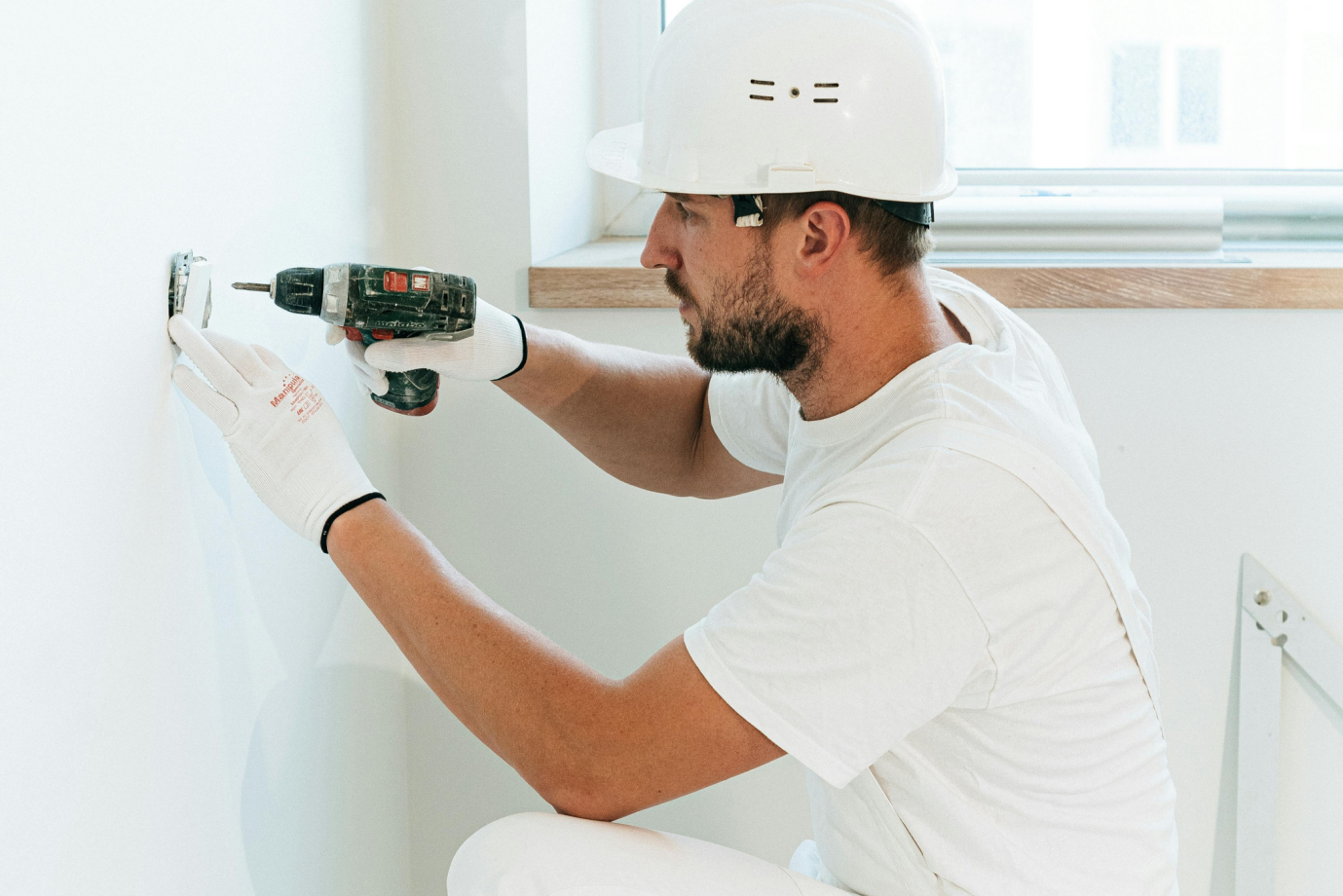
Concrete drilling creates dust, noise, and flying chips. Stay safe by following these rules:
- Wear safety goggles to protect your eyes.
- Use a dust mask to avoid breathing concrete dust.
- Wear gloves to prevent blisters and cuts.
- Keep hair and loose clothing away from the drill.
- Clamp down workpieces when possible.
- Check for wires or pipes before drilling in walls or floors.
- Unplug or remove the battery before changing bits.
Credit: onevantool.com
What To Do If You Don’t Own A Hammer Drill
If you only need to drill a few holes and don’t own a hammer drill, you have options:
- Rent one from a hardware store. Most stores rent hammer drills for about $20-$40 per day.
- Borrow from a friend or neighbor who owns one.
- Hire a handyman for the job if it’s small.
- Try a regular drill with a masonry bit, but only for shallow, non-critical holes.
In the long run, if you plan to do more projects in concrete, buying a good hammer drill is worth the investment.
Hammer Drill Maintenance Tips
A hammer drill can last many years with proper care:
- Clean after each use. Wipe off dust and debris.
- Lubricate the chuck and moving parts if the manual says to.
- Store bits separately to prevent dulling.
- Check the cord or battery for damage before each use.
- Replace worn bits for best results.
Environmental And Health Aspects
Drilling into concrete creates fine dust containing silica, which can be harmful if inhaled. Always use a dust mask or respirator. Some modern hammer drills come with built-in dust collection systems. If you’re working indoors, use a vacuum or wet method to reduce dust.
Noise is also a concern. Hammer drills can be very loud (over 100 dB). Use ear protection, especially for long jobs.
Hammer Drill Versus Rotary Hammer: When To Go Bigger
Sometimes, even a hammer drill is not enough. If you need to:
- Drill holes larger than 1/2 inch in diameter
- Work with very thick or hard concrete
- Do demolition work (chipping, breaking up concrete)
Then a rotary hammer is the tool to choose. These are more powerful and use different bits (SDS-plus or SDS-max). They cost more, but for big jobs, they save time and effort.
| Job Type | Hammer Drill | Rotary Hammer |
|---|---|---|
| Small anchor holes (up to 1/2″) | Good | Overkill |
| Deep holes (over 3″) | Struggles | Best choice |
| Tile removal, light chipping | Possible | Better |
| Demolition | No | Yes |
Credit: www.homedepot.com
Where To Buy Or Rent Hammer Drills
Hammer drills are widely available at hardware stores and online. Top brands include DeWalt, Makita, Bosch, Milwaukee, and Hilti. Prices start at about $60 for basic models and go up for pro versions.
For one-time jobs, renting can be smart. Check local tool rental shops or large chains like Home Depot or Lowe’s.
If you want more technical details or safety information, you can check resources like the Wikipedia page on hammer drills.
Do You Ever Not Need A Hammer Drill For Concrete?
There are rare cases where a hammer drill is not necessary:
- Drilling into very soft, uncured concrete (just poured, less than a week old)
- Making only a shallow hole (less than 1/4 inch deep)
- Drilling in a cinder block or lightweight concrete block
- When you have no access to a hammer drill, and the job is non-critical
However, even in these cases, a hammer drill will make the work faster and easier.
Cost Of Hammer Drilling Vs. Regular Drilling
Some people worry about the cost of buying or renting a hammer drill. But consider the hidden costs of using the wrong tool:
| Factor | Regular Drill | Hammer Drill |
|---|---|---|
| Bit replacement | Frequent | Rare |
| Time per hole | 10–20 min | 1–3 min |
| Risk of tool damage | High | Low |
| Project quality | Low | High |
| Physical effort | High | Low |
Non-obvious Insights Most People Miss
- Heat is the enemy. Drilling into concrete makes bits and motors heat up fast. Stop every 15–20 seconds to cool the bit, even with a hammer drill. This extends tool life and keeps holes clean.
- Drill bits matter as much as the drill. Even the best hammer drill will fail with a dull or wrong bit. Always use sharp, carbide-tipped masonry bits for concrete.
Credit: www.homedepot.com
Final Thoughts
So, do you need a hammer drill for concrete? For most jobs, yes—it’s the right tool for the material. You get clean, accurate holes, save time, and protect your equipment. For small, shallow jobs, you might get by with a regular drill, but you’ll likely face frustration and wasted effort. Investing in (or renting) a hammer drill is a smart move for anyone working with concrete more than once.
Plan your project, use the right bit, and follow safety advice. With the proper technique and tools, even tough concrete jobs become manageable.
Frequently Asked Questions
Can I Use A Regular Drill For Concrete?
You can try, but it’s usually slow and hard. Regular drills often can’t penetrate hard concrete, and may damage the bit or drill. For best results, use a hammer drill with a masonry bit.
What Type Of Drill Bit Should I Use For Concrete?
Always use a carbide-tipped masonry bit. These are designed to handle the heat and impact needed to break up concrete. Regular bits will not work well and can break.
Is A Rotary Hammer Better Than A Hammer Drill For Concrete?
A rotary hammer is stronger and better for big jobs (large holes, demolition, thick concrete). For small to medium tasks, a hammer drill is usually enough and easier to handle.
How Do I Avoid Overheating The Drill Bit?
Drill in short bursts, pull out the bit to clear dust, and let it cool every 15–20 seconds. You can also use a little water to cool the bit if your drill is rated for wet use.
Where Can I Rent A Hammer Drill?
Most hardware stores and tool rental centers rent hammer drills. Big chains like Home Depot and Lowe’s offer hourly or daily rentals, and many local stores do as well.
Drilling concrete doesn’t have to be a struggle. With the right knowledge and tools, you’ll get the job done quickly and safely.