
Drilling into concrete is a job that challenges even experienced DIYers and professionals. If you use the wrong drill bit, you might damage your tools, struggle for hours, or even crack the concrete itself. Many people don’t realize that concrete is much harder, denser, and more abrasive than wood or metal.
This means you need the right drill bit, the right technique, and a clear understanding of the materials involved.
If you’re planning to hang shelves, mount a TV, or anchor heavy equipment, knowing what drill bit for concrete is essential. This guide covers everything you need to know, from the best drill bit types, their design, and practical tips, to mistakes most people make.
You’ll discover how to choose, use, and care for your concrete drill bits, and learn details most beginners overlook. Whether you’re a homeowner, contractor, or just curious, you’ll finish this article with the confidence to handle concrete like a pro.
Why You Need Special Drill Bits For Concrete
Concrete is not like drilling into wood or drywall. It’s a composite material made of cement, sand, gravel, and sometimes steel rebar. These ingredients make it very tough and abrasive. Regular drill bits—like those for wood or metal—dull quickly or break when used on concrete.
Masonry drill bits are specially designed for concrete. They’re made of strong steel and have a tip coated with tungsten carbide, which is much harder than the concrete itself. The shape of the tip is also different, allowing it to both cut and crush the hard material. Without these features, the bit would overheat, lose its sharpness, and eventually fail.
Types Of Drill Bits For Concrete
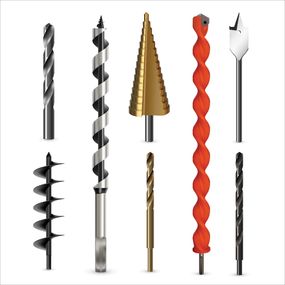
Not all concrete drill bits are the same. The right choice depends on your project, your drill, and even the type of concrete you’re working with. Here are the main types you’ll find in hardware stores:
1. Masonry Drill Bits
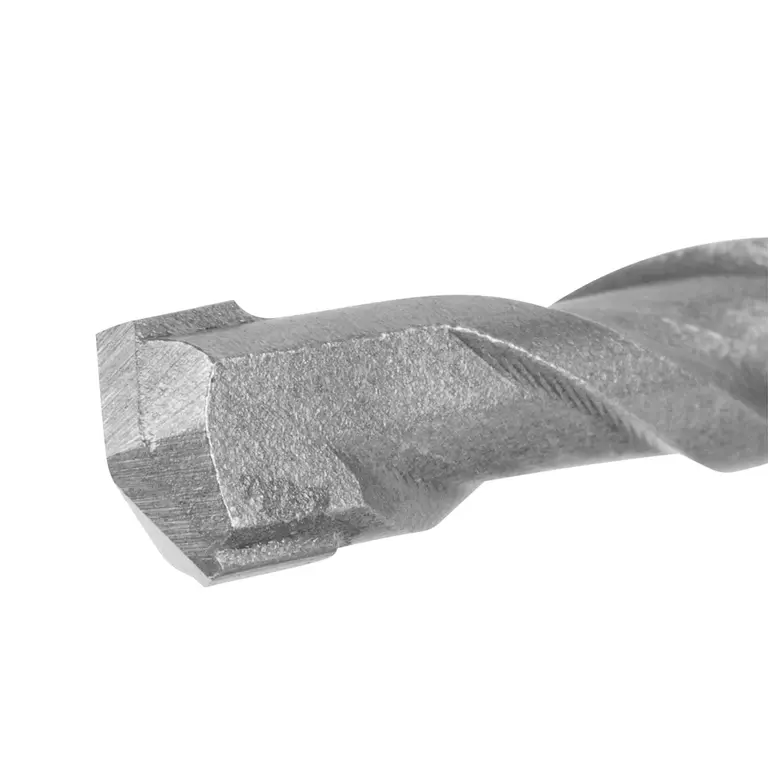
Masonry drill bits are the most common for concrete. Their tips are made of tungsten carbide, which stays sharp even after multiple uses. These bits usually have a spiral (flute) design to remove dust as you drill.
- Best for: Standard concrete, brick, mortar, and stone.
- Sizes: Range from 1/8 inch to over 1 inch in diameter.
- Shank types: Usually round or hex, for most home drills.
2. Sds Drill Bits
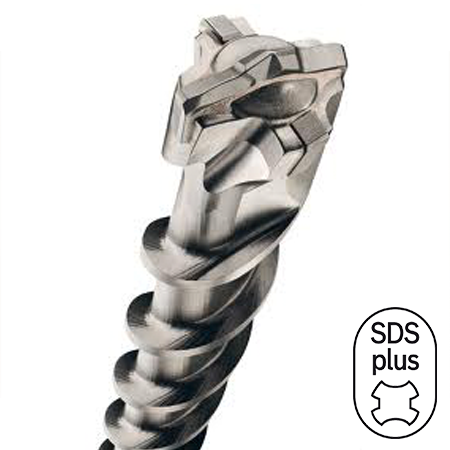
SDS (Slotted Drive System) drill bits are used with hammer drills and rotary hammers. They have special grooves in the shank that lock into the drill, allowing the bit to move back and forth rapidly.
- Best for: Heavy-duty drilling in reinforced concrete or thick walls.
- Sizes: Commonly 5 mm to 30 mm in diameter, up to several feet long.
- Types: SDS-Plus (smaller), SDS-Max (larger, for professionals).
3. Core Bits
Core bits are hollow, cylinder-shaped bits designed to drill large holes through concrete. They remove a “core” of material, leaving a clean hole.
- Best for: Installing pipes, cables, or HVAC systems.
- Sizes: Typically 1 inch to 6 inches in diameter or more.
- Usage: Require a powerful rotary hammer or core drill.
4. Percussion Bits
Percussion bits look like regular masonry bits but are designed for use with hammer drills. They withstand the repeated impact and heat generated during hammering.
- Best for: Fast drilling in standard or lightweight concrete.
- Tip: Only use with hammer action enabled on your drill.
5. Diamond Drill Bits
Diamond drill bits have tips embedded with industrial diamonds. They don’t cut with sharp edges but grind through the hardest concrete, even with rebar.
- Best for: Drilling through reinforced concrete, tiles, and stone.
- Lifespan: Last much longer but are more expensive.
- Note: Require water cooling during use to prevent overheating.
Credit: home.howstuffworks.com
How Drill Bit Design Affects Performance
The design of a drill bit is more than just its shape. Each part of the bit plays a role in how well it works on concrete.
- Tip Material: Tungsten carbide or diamond is essential for concrete. Steel tips dull instantly.
- Flute Shape: Deep, wide flutes remove dust quickly. Clogged flutes slow drilling and overheat the bit.
- Shank Type: Standard drills use round or hex shanks. SDS bits need matching drills.
- Length: Longer bits let you drill deeper holes but require more powerful drills.
Beginners often choose the wrong bit length, thinking longer is better. In reality, longer bits can flex, heat up, and even break if your drill isn’t strong enough. Always match the bit length to your drill and project needs.
Choosing The Right Drill Bit For Your Project
Before you buy a bit, consider these factors:
- Concrete Type: Old, cured concrete is much harder than new concrete. Reinforced concrete (with steel bars) is toughest.
- Hole Size: Small holes (for wall anchors) need standard masonry bits. Large holes (for pipes) need core bits.
- Drill Power: Weak drills can’t handle long or thick bits. Check your drill’s specifications.
- Hammer Function: Hammer drills are much faster and safer for concrete. Without hammering, even the best bit will struggle.
- Frequency of Use: For occasional jobs, standard masonry bits are enough. For professional use, invest in SDS or diamond bits.
Comparing Common Drill Bits For Concrete
To help you see the differences, here’s a comparison of the main types you’ll encounter:
| Type | Best For | Drill Compatibility | Average Price | Durability |
|---|---|---|---|---|
| Masonry Bit | Home projects, small holes | Standard drill | $2-$10 per bit | Moderate |
| SDS Bit | Heavy-duty, frequent use | Hammer drill, SDS chuck | $5-$20 per bit | High |
| Core Bit | Large diameter holes | Rotary hammer/core drill | $50-$200+ | Very High |
| Diamond Bit | Reinforced concrete, stone | Special drills, water cooling | $20-$100 per bit | Exceptional |
When To Use Each Type Of Bit
Not sure which bit to choose? Here are some common scenarios:
- Hanging a picture frame: Use a masonry bit, 1/4 inch or smaller, with a regular or hammer drill.
- Anchoring a shelf: Masonry or SDS bit, depending on wall thickness. Hammer function recommended.
- Running plumbing pipes: Core bit, usually with a rotary hammer.
- Drilling through reinforced concrete: Diamond bit, with water cooling.
- Lightweight wall plugs: Standard masonry bit is enough.
Credit: ronixtools.com
How To Drill Into Concrete: Step-by-step
If you’ve chosen the right bit, you’re halfway there. The other half is technique. Here’s how to safely and effectively drill into concrete.
- Mark the Spot: Use a pencil or chalk to mark exactly where you want the hole.
- Wear Safety Gear: Always use safety goggles, dust mask, and ear protection. Concrete dust can irritate eyes and lungs.
- Insert the Right Bit: Make sure the bit is tight and straight in the chuck.
- Set Drill to Hammer Mode: Without hammer action, the bit will overheat or even melt.
- Start Slow: Begin drilling at a low speed to prevent the bit from wandering.
- Apply Steady Pressure: Don’t force the bit; let the drill do the work.
- Clear the Dust: Pull the bit out every few seconds to remove dust from the hole.
- Drill to Desired Depth: Most bits have a depth gauge or tape to help you stop at the right point.
- Check the Hole: Remove the bit, clean out the hole, and inspect for cracks or chips.
Practical Tips For Better Results
Drilling into concrete isn’t just about muscle. Here are practical tips that make a big difference:
- Use a pilot hole: For large holes, start with a small bit, then switch to the final size.
- Keep the bit cool: If you notice smoke, stop and let the bit cool. For diamond bits, use water to prevent overheating.
- Avoid rebar: If you hit steel, switch to a rebar-cutting or diamond bit. Forcing a masonry bit through rebar will ruin it.
- Don’t push too hard: Excess pressure can break the bit or crack the concrete.
- Check drill speed: Too fast can burn the bit; too slow makes progress slow.
- Use the right anchors: Match wall anchors to the hole size for a secure fit.
Credit: www.drillbitwarehouse.com
Common Mistakes To Avoid
Many people damage their tools or the wall because they miss these points:
- Using wood or metal bits: These dull instantly and can get stuck.
- Skipping safety gear: Concrete dust is harmful; goggles and masks are a must.
- Wrong drill setting: Hammer action is crucial for concrete.
- Not clearing dust: Dust buildup overheats the bit and slows drilling.
- Ignoring bit wear: Worn carbide tips won’t cut; replace them as soon as they look rounded or shiny.
- Drilling too close to the edge: This can crack the concrete and weaken the structure.
- Overusing a single bit: Bits wear out—have replacements on hand for larger projects.
How To Care For Concrete Drill Bits
A well-maintained bit lasts much longer and works better. Here’s how to keep yours in top shape:
- Clean after each use: Remove concrete dust with a brush or compressed air.
- Inspect for damage: Look for chips, cracks, or dull tips. Replace if needed.
- Sharpen when possible: Some professionals sharpen carbide bits with special tools, but for most, replacement is easier.
- Store properly: Keep bits dry and organized. Moisture can cause rust, even on carbide tips.
- Lubricate for storage: Light oil on steel parts prevents rust.
How Drill Type Affects Bit Choice
The drill you use is just as important as the bit. Not all drills can handle concrete work:
- Regular drills: Fine for small holes with masonry bits.
- Hammer drills: Best for home use, with both rotary and hammer action.
- Rotary hammers: More powerful, required for SDS and core bits.
- Cordless drills: Only use if they have enough power and hammer function.
Using a weak drill with a large bit is a common mistake. The motor can overheat, and the bit may get stuck or break.
Advanced Insights: What Most People Miss
There are some details that even experienced DIYers sometimes overlook.
Bit Wear Patterns
Many users only replace a bit when it stops working. But if the carbide tip turns shiny or smooth, it’s already lost much of its cutting power. Using a worn bit increases heat and can damage both the bit and your drill.
The Role Of Aggregate In Concrete
Concrete is not always the same. The type of aggregate (the stone pieces in concrete) changes how hard it is to drill. Concrete with crushed granite is much harder than concrete with river pebbles. If you notice drilling is unusually slow, the aggregate may be to blame.
Table: Drill Bit Sizes And Their Typical Uses
Here’s a quick reference for some common bit sizes and what they’re usually for:
| Bit Size (inches) | Typical Use | Common Anchor Size |
|---|---|---|
| 3/16″ | Light wall anchors, picture hooks | #6, #8 |
| 1/4″ | Shelves, light fixtures | #10 |
| 5/16″ | Heavy-duty wall plugs | #12, #14 |
| 1/2″ | Pipe sleeves, large anchors | 1/2″ |
| 1″-3″ | Core drilling for pipes/wires | Custom |
Drill Bit Brands And Quality
Not all bits are created equal. Some brands are known for quality and durability:
- Bosch: Popular for SDS and masonry bits. Reliable and widely available.
- DeWalt: Good for both home and professional use.
- Hilti: High-end, especially for core and diamond bits.
- Makita: Known for durability and value.
- Irwin: Affordable, good for occasional use.
Investing in a better bit can save time and money. Cheap bits wear out quickly or break, costing more in the long run.
When To Replace A Concrete Drill Bit
It’s tempting to keep using the same bit, but old or damaged bits make drilling harder and can even be dangerous. Replace your drill bit if:
- The carbide tip is chipped, dull, or missing.
- The bit wobbles or doesn’t stay straight.
- It takes much longer to drill than before.
- You see visible cracks or bends.
Some professionals replace bits after every big project, while homeowners can get many uses if they drill carefully and avoid rebar.
Alternatives To Drilling Concrete
In some cases, you might not want to drill at all. Here are alternatives:
- Epoxy adhesives: For lightweight items, special glues bond to concrete without holes.
- Concrete screws: These can sometimes be driven directly without a plug, but still require a pilot hole.
- Powder-actuated fasteners: Used for heavy-duty applications, but require special tools and safety measures.
Each method has its limits. For heavy loads or structural attachments, drilling is still the safest choice.
Concrete Drilling Safety: What You Need To Know
Working with concrete is noisy, dusty, and sometimes dangerous. Always:
- Wear safety goggles, a mask, and hearing protection.
- Keep hands clear of the drill bit.
- Watch for hidden pipes or wiring in walls.
- Use water cooling only if your drill and bit are designed for it.
- Never force a stuck bit—reverse gently or switch to a stronger tool.
Concrete dust is not just an irritant; it can cause serious health problems if inhaled. Always clean up dust after drilling.
Environmental And Material Considerations
Drilling into concrete creates silica dust, which is harmful if breathed in large amounts. Modern work sites often require dust extraction systems. For home use, simple steps like using a vacuum or damp cloth help keep dust to a minimum.
Also, consider that drilling weakens the concrete slightly, especially if you drill many holes close together. Avoid drilling near edges or corners to prevent cracks.
How To Make Your Concrete Holes Last
To ensure your holes stay strong:
- Use the correct anchor for the load. Plastic plugs for light items, metal anchors for heavy loads.
- Avoid drilling in damp or freshly poured concrete—wait at least 28 days after pouring.
- If in doubt, consult a building professional, especially for structural work.
Learning More
For deeper details, you can explore standards and safety guidelines from organizations like OSHA or technical guides from manufacturers. One helpful resource is the Wikipedia page on drill bits.
Frequently Asked Questions
What Kind Of Drill Do I Need For Concrete?
For most concrete jobs, a hammer drill is best. It combines spinning with a hammering motion, making it much easier to drill into hard materials. For very large or deep holes, a rotary hammer is better.
Can I Use A Regular Drill Bit For Concrete?
No, you should never use a wood or metal bit on concrete. Only masonry, SDS, or diamond drill bits are strong enough for this material. Using the wrong bit can damage your drill and the wall.
How Do I Know If My Bit Is Worn Out?
If drilling is suddenly slow, the carbide tip is shiny or chipped, or the bit wobbles, it’s time to replace it. Dull bits overheat and make the job harder.
What If I Hit Rebar While Drilling?
If you hit metal in the concrete, stop. Switch to a rebar-cutting bit or a diamond bit. Forcing a masonry bit through rebar will ruin it and can damage your drill.
How Do I Drill A Large Hole In Concrete?
For holes larger than 1/2 inch, use a core bit with a powerful rotary hammer or core drill. Start with a small pilot hole, then use the core bit to finish. Always follow safety guidelines and use the right anchors for the final installation.
Drilling into concrete is a skill that pays off for many home and professional projects. With the right drill bit, proper technique, and attention to detail, you can get clean, safe, and long-lasting results every time.