
Choosing between a jigsaw and a miter saw can feel confusing, especially if you’re new to woodworking or DIY projects. Both are popular tools, but they have very different strengths. Some people think they can do the same job, but this is not true. The best choice depends on your projects, skill level, and what you want to achieve. Understanding the differences, uses, and limitations of each tool will help you save time, money, and avoid common mistakes.
Let’s look closely at how jigsaws and miter saws work, what they’re best for, how they compare, and what you should consider before buying or using one. Along the way, you’ll find practical examples, clear advice, and some tips that many beginners miss.
What Is A Jigsaw?
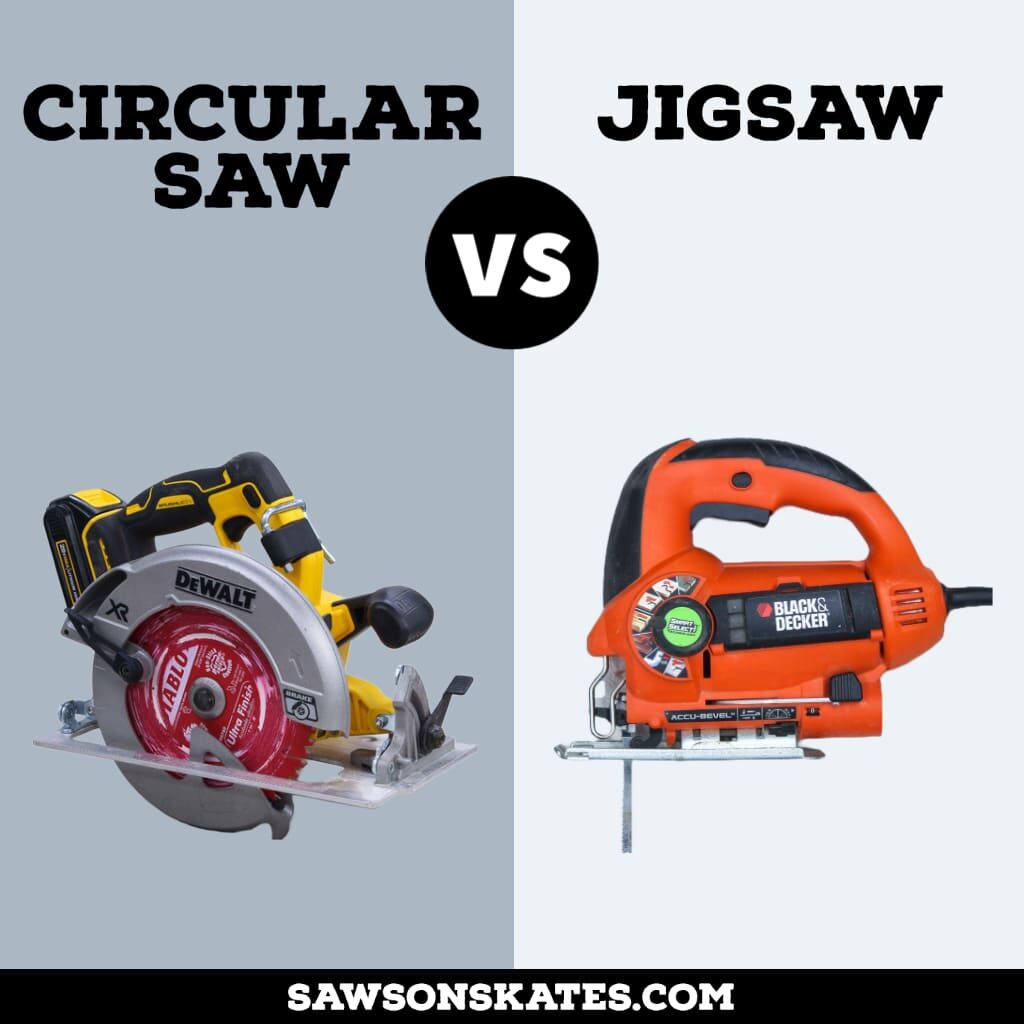
A jigsaw is a handheld power tool with a straight, narrow blade that moves up and down quickly. It’s also called a sabre saw in some regions. Jigsaws are famous for their ability to cut curves, irregular shapes, and even circles in wood, metal, plastic, and other materials. They’re often used for creative tasks or when you need to cut something that is not just a straight line.
How Does A Jigsaw Work?
The jigsaw’s blade moves in a rapid, vertical motion. As you guide the tool, the blade cuts through the material. You can control the speed and direction by how you move your hand. Some models have adjustable speed and orbital settings, which help you cut faster or smoother.
Common Uses For A Jigsaw
- Cutting curves and complex shapes in wood
- Making holes or openings in panels (like for sinks or electrical outlets)
- Cutting metal, plastic, laminate, or ceramic tiles (with the right blade)
- DIY craft projects that need creative shapes
Strengths And Limitations
Strengths:
- Highly versatile for many materials
- Great for curved or irregular cuts
- Lightweight and portable
- Easy for beginners to handle
Limitations:
- Not ideal for long, straight, or angled cuts
- Less accurate for precision joinery
- Blades can bend, leading to angled or rough edges
- Slower than some saws for big jobs
Non-obvious tip: Many beginners forget to use the right blade type and speed for each material, which causes rough cuts or broken blades. Always check blade specifications.
What Is A Miter Saw?
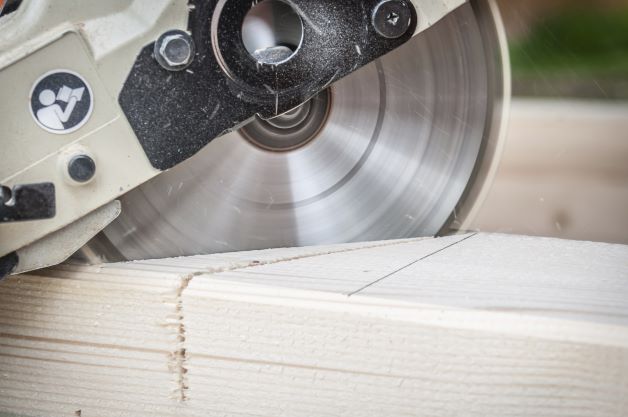
A miter saw is a stationary power tool with a large circular blade mounted on a swing arm. You bring the blade down onto the material, usually wood, to make quick, accurate cuts. The main job of a miter saw is to cut straight or angled lines, especially for framing, trim, and joinery.
How Does A Miter Saw Work?
The miter saw sits on a workbench or stand. You set the desired angle, place your material against the fence, and lower the spinning blade through the material. Some miter saws also slide forward and backward, allowing you to cut wider boards.
Common Uses For A Miter Saw
- Making precise crosscuts (straight across the wood)
- Cutting miters (angles) for frames, moldings, and trim
- Creating bevel cuts (angled through the thickness)
- Repetitive cuts of the same length and angle
Strengths And Limitations
Strengths:
- Extremely accurate for straight and angled cuts
- Fast and efficient, especially for many cuts
- Creates clean, smooth edges
- Safe and stable for most tasks
Limitations:
- Bulky, not easily portable
- Limited to straight or angled cuts—cannot cut curves
- Mostly for wood or soft materials
- Needs a flat workspace
Non-obvious tip: Many people don’t know that the size of the blade (7-1/4″, 10″, 12″) limits the width and thickness you can cut. Always check your miter saw’s capacity before starting a project.
Jigsaw Vs Miter Saw: Direct Comparison
To understand the real differences, let’s compare the two tools side by side. This will help you decide which fits your needs.
| Feature | Jigsaw | Miter Saw |
|---|---|---|
| Type of Cuts | Curves, irregular shapes, straight | Straight, angled (miter/bevel) |
| Material Types | Wood, metal, plastic, tile | Mainly wood, some plastics |
| Portability | Very portable | Stationary, heavy |
| Accuracy | Medium (depends on skill) | High (excellent precision) |
| Best For | Creative shapes, cutouts | Trim, framing, repeatable cuts |
| Cost Range | $30–$200 | $100–$600+ |
| Learning Curve | Easy for beginners | Easy for straight cuts, harder for angles |
Insight: Many beginners think a jigsaw can replace a miter saw or vice versa. In truth, each tool has its own job—using the wrong tool for the task leads to poor results.
When Should You Use A Jigsaw?
A jigsaw is a great choice when your project needs flexibility and creativity. If you need to cut curves, circles, or shapes that are not straight lines, this is the right tool. For example:
- Making a decorative sign with letters or curves
- Cutting a hole in a countertop for a kitchen sink
- Trimming laminate flooring to fit around corners or pipes
- Craft projects with unusual outlines
Jigsaws are also good for making starter cuts in the middle of a panel—just drill a hole, insert the blade, and start cutting. This is something a miter saw cannot do.
Projects Best Suited For A Jigsaw
- Artistic woodwork: Curved plaques, animal shapes, puzzle pieces
- Home improvement: Cutting out for electrical outlets, vents, or plumbing
- Repairs: Cutting a damaged part from a wooden board
- Metalwork: With special blades, you can cut thin sheet metal for repair or craft
Beginner mistake: Trying to cut long, perfectly straight lines with a jigsaw often leads to wavy edges. Use a guide or switch to a circular saw or miter saw for such cuts.
When Should You Use A Miter Saw?
The miter saw is the king of straight and angled cuts. When you need many precise, repeatable cuts, it’s the tool of choice. It shines in woodworking, construction, and finishing tasks.
Projects Best Suited For A Miter Saw
- Trim and molding installation: Baseboards, crown molding, window and door frames
- Picture frames: Making perfect 45-degree angles for corners
- Deck building: Cutting dozens of boards to the same length
- Flooring: Trimming boards to fit wall-to-wall
If you’re working on a home renovation, building furniture, or framing, a miter saw saves hours and delivers professional results.
Hidden insight: Some miter saws let you make compound cuts—angled in two directions at once. This is essential for crown molding but not possible with a jigsaw.
Key Differences Explained In Detail
Understanding the subtle differences between these tools helps you choose better.
Cutting Styles
A jigsaw can follow any path you draw, even tight circles or S-curves. The blade is thin and flexible. But that flexibility also means cuts can wander, especially in thick or hard materials. The miter saw, in contrast, makes only straight lines but does so with high power and accuracy, thanks to its rigid, circular blade and stable base.
Precision And Quality
For fine trim work, the miter saw always wins. Its cuts are smooth, splinter-free, and perfect for visible joints. Jigsaws often leave rougher edges, especially on the bottom side. While sanding can help, you won’t get a seamless, tight joint with a jigsaw.
Speed And Efficiency
If you must cut 50 pieces of wood to the same length, a miter saw is lightning fast. With a jigsaw, you’d spend much longer, and results would vary. However, for unique shapes or quick adjustments, the jigsaw’s flexibility is unbeatable.
Safety
Both tools have safety risks. Jigsaws are generally safer for beginners because they’re lightweight and less likely to kick back. Miter saws are more powerful and can cause serious injury if misused. Always use eye protection and keep fingers away from the blade path.
Portability And Space
A jigsaw fits in a small toolbox and works anywhere, even on a construction site or in a cramped apartment. A miter saw needs a sturdy table and more room. If your workspace is limited, a jigsaw may be the only option.
Credit: sawsonskates.com
Buying Guide: Jigsaw Or Miter Saw?
If you’re planning to buy, several factors matter. Let’s explore what to consider before making a decision.
What Should You Look For In A Jigsaw?
- Motor Power: Measured in amps (corded) or volts (battery). More power cuts faster and through harder materials.
- Orbital Action: Lets the blade move slightly forward and backward for faster cutting.
- Variable Speed: Adjusts for different materials and finer control.
- Blade Type: T-shank blades are easier to change and more stable than U-shank.
- Bevel Capability: Some jigsaws tilt for angled cuts (usually up to 45°).
- Dust Blower: Keeps the cut line clear for better visibility.
- Comfort and Weight: A lighter, well-balanced tool reduces fatigue.
Common mistake: Ignoring blade quality. Even the best jigsaw will struggle with a dull or wrong blade.
What Should You Look For In A Miter Saw?
- Blade Size: Common sizes are 7-1/4″, 10″, and 12″. Bigger blades cut wider, thicker materials.
- Miter and Bevel Angles: The ability to tilt and rotate for compound cuts is crucial for trim work.
- Sliding Feature: A sliding miter saw moves forward and backward, allowing wider cuts.
- Laser Guide: Projects a line for better accuracy.
- Dust Collection: Reduces mess and improves safety.
- Build Quality: A solid fence and smooth adjustments make a big difference.
- Safety Features: Blade guard, electric brake, and secure clamps.
Non-obvious insight: The fence’s height and length affect how safely you can cut tall or long pieces. Check this before buying if you do lots of trim work.
Cost Considerations
Jigsaws are usually cheaper and good for beginners. Expect to spend $30–$200 depending on power and features. Miter saws cost more, from $100 for basic models to $600 or more for sliding, compound types with large blades and digital features.
Tip: Don’t buy more tool than you need. If you rarely do trim work or only need occasional curves, a basic jigsaw might be enough.
Practical Examples: Real-world Scenarios
Let’s look at a few situations to see which tool is best.
Scenario 1: Installing Baseboard Trim
You want crisp, angled corners and long, straight cuts. The material is standard pine baseboard. Here, the miter saw is ideal. It makes exact 45-degree cuts for corners and can repeat them quickly.
Scenario 2: Making A Wooden Puzzle
You need tight curves and detailed shapes. The material is thin plywood. The jigsaw is best. It follows your lines easily and handles the intricate turns.
Scenario 3: Cutting A Hole In A Countertop
You need a rectangular opening for a sink. A jigsaw is the only practical choice, as it can start inside the panel and follow the outline precisely.
Scenario 4: Building A Deck
You must cut dozens of boards to the same size, with occasional angled ends. The miter saw is much faster and more accurate, especially for repeat cuts.
Scenario 5: On-the-go Repairs
You’re fixing a fence and need to make quick, irregular cuts in the field. The jigsaw is perfect due to its portability and ability to handle odd shapes.
Key insight: Many DIYers try to “make do” with one tool. This often leads to frustration and poor results. The right tool for the job makes a huge difference in quality and speed.
Maintenance And Care
Both saws need regular care for safety and long life.
Jigsaw Maintenance
- Blade Check: Inspect for dullness, bending, or missing teeth. Replace as needed.
- Dust Removal: Clean vents and moving parts to prevent overheating.
- Battery Care: For cordless models, charge and store batteries properly.
Miter Saw Maintenance
- Blade Cleaning: Resin buildup causes rough cuts. Clean with a blade cleaner or replace when dull.
- Fence Alignment: Check for square cuts regularly; adjust if needed.
- Lubrication: Moving parts need occasional oiling for smooth operation.
- Dust Collection: Empty bags or connect to a shop vacuum to reduce buildup.
Safety tip: Unplug tools before maintenance. Even a stopped blade can start if the trigger is bumped.
Limitations: What Each Saw Cannot Do
It’s important to know what your saw cannot do.
Jigsaw Limitations
- Struggles with thick hardwood or long, straight cuts
- Blades can wander, making precise joinery difficult
- Not ideal for repetitive, identical cuts
Miter Saw Limitations
- Cannot cut curves or inside shapes
- Limited by blade size for wide boards
- Not portable—needs stable work surface
Beginner mistake: Trying to force a miter saw through dense or wet wood can damage the blade and motor. Go slow and use the right blade.
Alternatives: Other Saws To Consider
If neither a jigsaw nor a miter saw is perfect, there are other options.
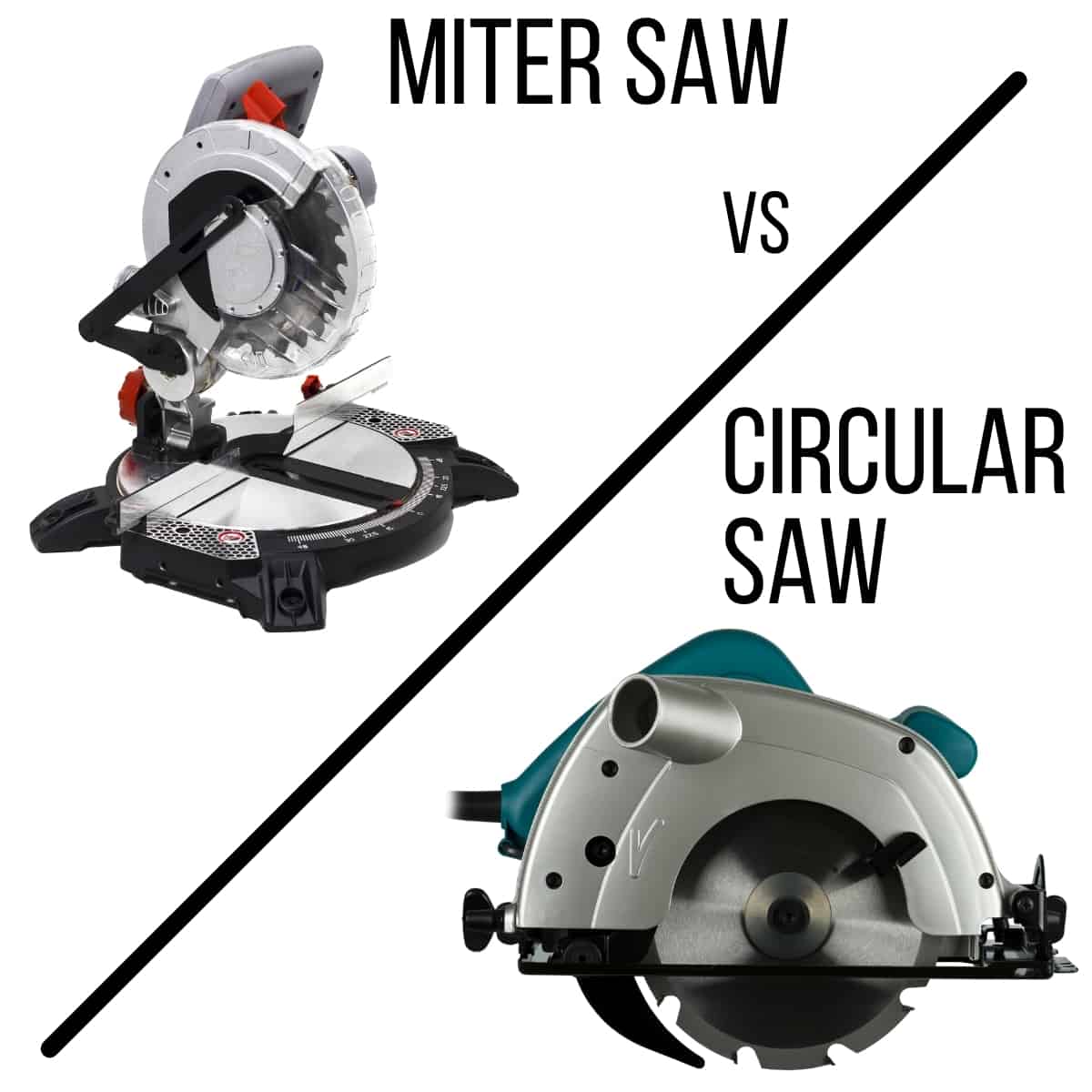
- Circular saw: Good for long, straight cuts in sheet goods
- Table saw: Best for ripping and precise repeat cuts in panels
- Band saw: Handles curves in thicker materials better than a jigsaw
- Hand saw: Simple, manual, for small or quick jobs
Pro tip: Many serious DIYers own several saws, using each for its strengths.
Which Saw Should You Buy First?
For most beginners, a jigsaw is a good first power saw. It’s cheap, safe, and flexible for many small projects. If you plan serious woodworking, home renovation, or lots of trim work, a miter saw makes sense as your second or even first major tool.
Hidden insight: If you often work alone and need to carry your tools, the jigsaw’s light weight and portability are a real advantage. For workshop-based work, the miter saw’s speed and precision quickly pay off.
Expert Tips For Better Results
- Mark your cuts clearly. Use a pencil and ruler for straight lines. For curves, a flexible ruler or French curve helps.
- Use clamps. Holding material steady is the key to safe, accurate cuts.
- Let the saw do the work. Don’t force the blade—move at a steady pace.
- Test on scrap first. Practice with leftover material to avoid mistakes on your main piece.
- Upgrade blades. High-quality blades make a bigger difference than the saw itself.
Popular Brands And Models
Some brands are known for quality and reliability.
- Jigsaw: Bosch, Makita, DeWalt, Black+Decker
- Miter Saw: DeWalt, Makita, Metabo HPT, Milwaukee
For more details on saw types and reviews, the Wikipedia Saw Article gives a helpful overview.
Credit: www.jasonbrownwoodfloors.com
Comparison Table: Summary Of Key Features
Here is a quick summary for easy reference.
| Task | Best Tool | Why |
|---|---|---|
| Cutting curves | Jigsaw | Flexible blade follows any shape |
| Straight, repeatable cuts | Miter Saw | Stable, accurate, fast |
| Trim and molding | Miter Saw | Precise angles, clean finish |
| Making openings in panels | Jigsaw | Can start cuts in the middle of material |
| Cutting wide boards | Sliding Miter Saw | Wider cutting capacity |
| Craft projects | Jigsaw | Handles creative, irregular shapes |
Frequently Asked Questions
What Is Safer, A Jigsaw Or A Miter Saw?
Both tools are safe when used correctly, but a jigsaw is generally safer for beginners. It’s lighter, less powerful, and less likely to kick back. Still, always wear safety glasses and keep hands clear of the blade.
Can A Jigsaw Replace A Miter Saw For Most Woodworking?
No. A jigsaw can’t match the speed and precision of a miter saw for straight or angled cuts, especially for trim, frames, or repetitive tasks. You’ll get wavy, rough edges and poor joints if you use a jigsaw for these jobs.
Do I Need Both A Jigsaw And A Miter Saw?
If you work on a range of projects, owning both is helpful. Use the jigsaw for curves and cutouts, and the miter saw for accurate, straight, or angled cuts. Many DIYers start with a jigsaw and add a miter saw as their skills grow.
Which Is Better For Beginners?
A jigsaw is easier to start with due to its low cost, simple operation, and flexibility. A miter saw is easy for basic cuts but requires more setup and safety awareness.
What Materials Can I Cut With Each Tool?
A jigsaw can cut wood, plastic, metal, and even ceramic (with special blades). A miter saw is mainly for wood and some plastics, but not for metal or tiles.
—
Choosing between a jigsaw and a miter saw is not about which is “better” overall, but which is better for your needs. Each has strengths, weaknesses, and unique abilities. By understanding these differences and matching the tool to your project, you’ll work faster, safer, and with better results. Invest in quality tools, learn their proper use, and enjoy the satisfaction of well-done work.
Credit: www.thehandymansdaughter.com