
A wet dry vacuum is a powerful and flexible cleaning tool that can handle jobs most regular vacuums cannot. If you have ever faced a flooded basement, a messy workshop, or a car full of dirt and spilled drinks, you know how regular vacuums often struggle.
Wet dry vacuums (also called shop vacs) solve this problem. They can suck up both dry debris and liquids, making them popular for homes, garages, businesses, and construction sites.
But many people buy a wet dry vacuum and then feel unsure about using it safely or getting the best results. The good news is that using a wet dry vacuum is easier than it looks, and with a few tips, you can clean almost anything.
In this guide, you’ll learn step-by-step how to use a wet dry vacuum, smart ways to avoid mistakes, and how to get the most out of your machine. Whether you’re a complete beginner or someone looking to use your vacuum more efficiently, you’ll find everything you need here.
What Is A Wet Dry Vacuum?
A wet dry vacuum is a special type of vacuum cleaner that can pick up both solid dirt and liquids. Unlike regular vacuums, which break down if they suck in water, wet dry vacuums are built with waterproof motors and strong tanks. This makes them ideal for cleaning up spills, unclogging sinks, and dealing with dust, sawdust, and even broken glass.
Wet dry vacuums come in many sizes, from small portable units to large, heavy-duty machines. They are popular in garages, workshops, and homes. Most models have a powerful motor, a large tank, wheels for moving, and a set of accessories for different cleaning tasks.
Main Parts Of A Wet Dry Vacuum
To use your vacuum well, you should know the basic parts. Here are the main components you will find on most wet dry vacuums:
- Motor unit: The “engine” that creates suction. Usually located on top.
- Collection tank: The big container that holds the dirt, debris, or liquids.
- Filter and filter basket: The filter traps dust and debris, protecting the motor.
- Hose: Flexible tube to reach different areas.
- Nozzle attachments: Different shapes for floors, corners, and wet or dry messes.
- Drain port: For emptying out liquids after cleaning.
- Power cord and switch: Turns the vacuum on or off.
- Wheels and handle: For moving the vacuum easily.
Some vacuums have extra features like blower functions, noise reduction, or special filters for fine dust.
When And Why Should You Use A Wet Dry Vacuum?
A wet dry vacuum is not just for professionals. It is useful in many situations:
- Cleaning up water: After a spill, leak, or minor flood, a wet dry vacuum can quickly suck up water from floors, carpets, or even a car interior.
- Removing dry debris: Great for sawdust, dirt, sand, pet hair, broken glass, and even nails in workshops or garages.
- Unclogging sinks: Some models can help clear clogs by sucking or blowing through pipes.
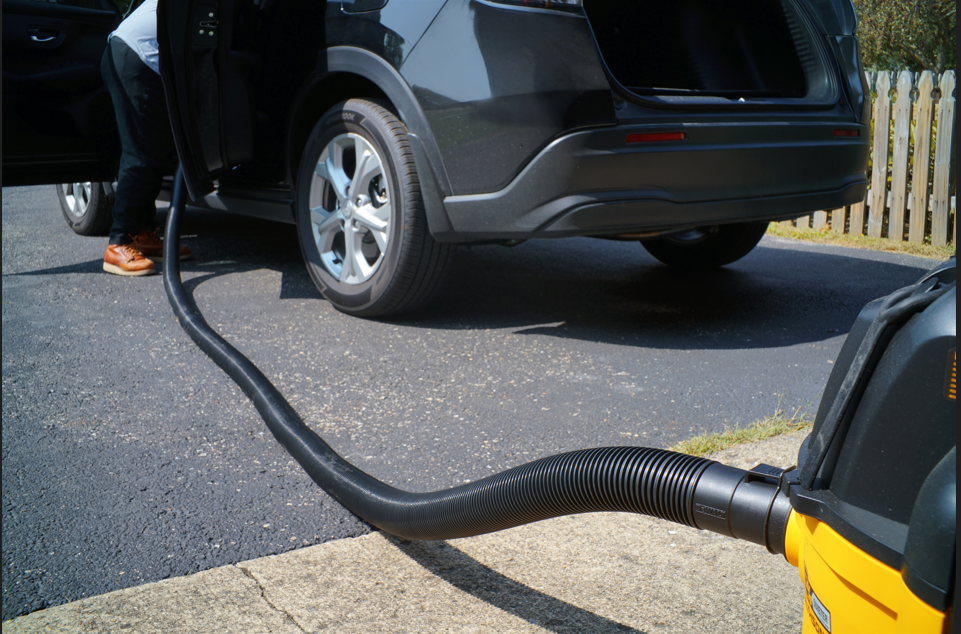
- Car and upholstery cleaning: Wet dry vacuums can clean car carpets, seats, and trunks, including spills and crumbs.
- Renovation and construction: Picks up dust, drywall particles, and small debris that regular vacuums cannot handle.
- Blower function: Some units can reverse airflow to blow leaves or dust from hard-to-reach areas.
If you want a machine that can do much more than a standard vacuum, a wet dry vacuum is a smart investment.
How To Set Up Your Wet Dry Vacuum
Before you start cleaning, you need to set up the vacuum correctly. Here are the steps:
- Read the manual: Each model is different. Check the manual for safety and assembly instructions.
- Choose the right filter: For dry messes, use a standard or fine dust filter. For wet cleaning, remove the dry filter (or use the foam sleeve if your model has one). Using the wrong filter can damage the vacuum or make it less effective.
- Attach the hose and accessories: Fit the hose securely to the intake port. Attach the right nozzle for your job—wide floor nozzles for large areas, crevice tools for tight spots, or squeegee heads for wet surfaces.
- Check the tank: Make sure the tank is empty. For wet jobs, double-check that no dust bags are inside.
- Plug it in safely: Always use a grounded outlet. For outdoor or wet jobs, use a GFCI-protected outlet to avoid shocks.
Non-obvious insight: Many beginners forget to change or remove the filter when switching from dry to wet cleaning. This can ruin the filter and possibly the motor. Always check the filter before switching tasks.
How To Use A Wet Dry Vacuum For Dry Cleaning
Most people start by using their wet dry vacuum for basic dry cleaning. This can include dust, sawdust, pet hair, food crumbs, and more. Here’s how to do it right:
- Install the dry filter: Always use the correct dry filter. Some vacuums have bags for fine dust, which should be fitted inside the tank.
- Attach the right nozzle: Use a wide floor head for large areas, and smaller attachments for corners or furniture.
- Turn on the vacuum: Keep the hose steady to avoid scattering debris.
- Vacuum slowly: Move the nozzle slowly to pick up all dirt. Quick movements can miss debris or spread dust.
- Empty the tank regularly: Don’t wait until the tank is full. Empty when it’s about 2/3 full to keep suction strong.
- Check the filter: If suction gets weak, check if the filter is clogged and clean or replace it.
Example: If you are cleaning up sawdust after a woodworking project, use the fine dust filter and a wide nozzle. Move slowly to avoid spreading dust into the air.
How To Use A Wet Dry Vacuum For Wet Cleaning
A key advantage of a wet dry vacuum is cleaning up spills, leaks, or even minor floods. Here’s how to use it for wet messes:
- Remove or switch the filter: Take out the paper or fabric dry filter. Most vacuums use a foam sleeve for wet jobs—install this if your model has one.
- Check the tank: Make sure there are no dust bags inside.
- Attach a wet nozzle: Some vacuums have a squeegee head for liquid pickup.
- Turn on the vacuum: Place the nozzle directly on the spill.
- Vacuum slowly: Move the nozzle over the liquid. The vacuum will suck up water into the tank.
- Stop before the tank is full: Wet dry vacuums have a float valve that stops suction when the tank is full. Empty the tank before this happens to avoid spills.
- Empty the tank safely: Use the drain port or remove the top and pour out the liquid.
Non-obvious insight: Always clean and dry the tank and filter after wet use. If you leave water inside, it can cause bad smells or mold.
Credit: altonindustries.com
Special Attachments And Their Uses
Wet dry vacuums often come with several attachments. Choosing the right one can make a big difference:
- Crevice tool: For corners, baseboards, and tight spots.
- Wide floor nozzle: Cleans large flat surfaces quickly.
- Squeegee attachment: Best for picking up water on smooth floors.
- Brush tool: Loosens dirt from carpets or upholstery.
- Extension wands: Helps reach under furniture or high shelves.
Tip: Use extension wands carefully. If you connect too many, suction drops. For best results, use only what you need.
Cleaning Carpets And Upholstery
Wet dry vacuums can clean carpets and car seats, especially after spills. Here’s a safe method:
- Remove dry filter and bags: Use the foam sleeve for liquids.
- Use the right nozzle: A brush or small squeegee works well.
- Vacuum up as much liquid as possible: Move slowly over the wet area.
- Repeat if needed: For tough stains, use a carpet cleaner first, then vacuum up the liquid.
- Dry the area: After vacuuming, let the carpet or seat air-dry or use a fan.
Example: If a child spills juice on the car seat, vacuum up the liquid first, then clean with soapy water and vacuum again.
Blower Function: More Than Just Suction
Many wet dry vacuums have a blower port. This lets you reverse the air flow to blow leaves, dust, or dirt from hard-to-reach spots. Here’s how to use it:
- Locate the blower port: Usually on the side or back.
- Attach the hose to the blower port: Remove it from the intake and connect to the blower.
- Choose the right nozzle: Some vacuums have a narrow tip for focused airflow.
- Turn on the vacuum: Use short bursts to blow out debris.
Tip: The blower function is great for cleaning out computer cases, tools, or blowing leaves from your driveway.
How To Unclog Sinks And Drains
Some people don’t realize a wet dry vacuum can help unclog sinks. Follow these steps:
- Set the vacuum for wet use: Remove dry filters and use the foam sleeve if required.
- Create a tight seal: Use a rubber nozzle or towel to seal the drain.
- Turn on the vacuum: The suction may pull out the clog.
- Alternate between suction and blower: If your vacuum has a blower, try blowing air through the drain.
Warning: Never use a wet dry vacuum for unclogging if you have used harsh chemicals in the drain. It can create dangerous fumes.

Credit: nxt.ridgid.com
Cleaning Up Hazardous Materials
Wet dry vacuums can pick up tough messes, but not all materials are safe. Here’s what you should know:
- Asbestos, lead paint dust, or mold: Do not vacuum these. Use a professional service with special equipment.
- Flammable liquids: Never vacuum up gasoline or solvents. This can cause fires or explosions.
- Hot ashes: Wait until ashes are completely cool before vacuuming.
Extra tip: Some vacuums have HEPA filters for fine dust. Use these if you need to control allergens.
Comparing Wet Dry Vacuums: What Features Matter?
If you’re buying a wet dry vacuum, these factors are most important:
| Feature | Why It Matters | Best For |
|---|---|---|
| Tank Size | Larger tanks hold more, but are heavier | Big cleanups, garages |
| Motor Power (HP) | More power means stronger suction | Heavy debris, liquids |
| Filter Options | HEPA, foam, or standard | Dust, allergens, wet jobs |
| Attachments | More tools, more versatility | Cars, carpets, tight spaces |
| Portability | Wheels, handles, weight | Moving between rooms |
Common mistake: Choosing the biggest or most powerful vacuum is not always better. For home use, a medium-sized, easy-to-carry model is often best.
Step-by-step: Cleaning Different Areas
1. Garage Or Workshop
- Use a wide floor nozzle to collect sawdust, nails, and small scraps.
- For liquids, switch to the foam filter and use a squeegee attachment.
- Empty the tank before it gets too heavy.
2. Home Floors
- For dry mess, use the standard filter and a floor brush.
- For wet spills, remove carpets and use a squeegee on hard floors.
- Clean under furniture with extension wands.
3. Car Interiors
- Use the crevice tool for seat edges and under mats.
- For wet spills, use the foam sleeve and vacuum slowly.
- Empty the tank often, as it fills quickly with liquid.
4. Outdoor Areas
- Use the blower function to clear leaves.
- Vacuum up dirt and pebbles from patios or driveways.
Practical tip: Always check the weather if using the vacuum outdoors. Rain can damage electrical parts.
Maintenance And Care Tips
Taking care of your wet dry vacuum keeps it working well and extends its life.
- Clean the filter: After each use, remove and clean the filter. For heavy dirt, rinse with water and let dry fully.
- Empty the tank: Don’t let dirt or water sit in the tank. This can cause rust or mold.
- Check hoses and seals: Look for cracks or holes. Replace damaged parts.
- Wipe the exterior: Use a damp cloth to clean the outside of the vacuum.
- Store properly: Keep the vacuum in a dry place. Store accessories together so you don’t lose them.
- Check power cord: Make sure the cord is not frayed or damaged.
Non-obvious insight: If your vacuum loses suction, check for blockages in the hose and attachments. Even a small clog can reduce power.
Common Mistakes To Avoid
Even experienced users can make mistakes. Here are some to watch out for:
- Forgetting to change filters: Always switch filters between wet and dry cleaning.
- Overfilling the tank: Stop before the tank is full to avoid spills and damage.
- Vacuuming unsafe materials: Never pick up flammable, toxic, or hot materials.
- Ignoring maintenance: Dirty filters and tanks reduce suction and can break the vacuum.
- Using the wrong attachment: The right tool makes cleaning faster and protects surfaces.
Safety Tips For Using A Wet Dry Vacuum
Wet dry vacuums are safe when used correctly. Follow these rules:
- Read instructions: Each model is different.
- Use grounded outlets: This reduces risk of electric shock.
- Avoid wet hands: Never plug in or unplug the vacuum with wet hands.
- Keep children away: Vacuums can tip over or suck up small toys.
- Turn off before emptying: Always switch off and unplug before opening the tank.
- Never vacuum flammable materials: This can cause fire or explosions.
- Check for blockages: If you hear strange noises or lose suction, turn off and check for clogs.
How Wet Dry Vacuums Compare To Regular Vacuums
Some people wonder if a wet dry vacuum can replace a regular vacuum. Here’s a side-by-side look:
| Feature | Wet Dry Vacuum | Regular Vacuum |
|---|---|---|
| Handles liquids | Yes | No |
| Heavy debris | Yes | No |
| Delicate carpets | Sometimes | Yes |
| Size & weight | Usually bigger | Usually lighter |
| Attachments | Many options | Standard set |
| Price range | Wide range | Wide range |
Bottom line: Wet dry vacuums are better for heavy-duty and wet jobs, but regular vacuums are lighter and better for daily carpet cleaning.
Troubleshooting Common Problems
If your wet dry vacuum isn’t working right, try these solutions:
- Loss of suction: Check for clogged hoses, full tank, or dirty filter.
- Strange noises: Look for blockages or foreign objects stuck in the fan.
- Leaking tank: Make sure seals and latches are tight.
- Motor won’t start: Check the power outlet, cord, and switch. If still broken, contact customer service.
- Bad smells: Clean and dry the tank and filter completely. Store with the lid off to air out.
Practical tip: If your vacuum smells bad after wet use, sprinkle baking soda in the tank and let it sit before cleaning.

Credit: www.youtube.com
Environmental Impact And Proper Disposal
Wet dry vacuums last many years, but eventually they wear out. When this happens:
- Recycle if possible: Many parts are plastic or metal and can be recycled.
- Dispose of filters properly: Dirty filters may contain harmful dust. Seal in a bag before throwing away.
- Never dump dirty water outside: Pour liquids down a drain connected to a sewer system, not into storm drains.
For more information about recycling and disposal, visit the EPA website.
Frequently Asked Questions
How Do I Know When To Empty The Tank?
Most wet dry vacuums have a max fill line or a float valve that stops suction when the tank is full. For dry cleaning, empty when about two-thirds full. For wet jobs, stop when the float valve activates or before water reaches the top.
Can I Use My Wet Dry Vacuum On Carpets?
Yes, but be careful. Wet dry vacuums can clean carpets, especially after spills, but they are not as gentle as regular vacuums. Use the right attachment and avoid over-wetting the carpet. Always let carpets dry fully afterward.
What Should I Do If The Vacuum Loses Suction?
First, check if the tank is full. If not, look for clogs in the hose, nozzle, or filter. Clean or replace the filter if dirty. Make sure all parts are fitted tightly with no air leaks.
Is It Safe To Vacuum Up Glass Or Nails?
Yes, wet dry vacuums are built for tough debris like glass, nails, or screws. However, use caution when emptying the tank—wear gloves and never reach in with bare hands.
Can I Leave Water In The Tank Overnight?
No, it’s best to empty and dry the tank and filter after wet use. Leaving water inside can cause bad smells, mold, or even damage the vacuum.
A wet dry vacuum is a valuable tool for any home or workshop. With the right setup and a little care, it can handle almost any mess—wet or dry. By following these steps and tips, you’ll get the most out of your machine and keep it running for years.