
A circular saw is one of the most useful power tools in any workshop. With the right skills, it can cut wood, metal, plastic, and more. But for beginners, using a circular saw can feel intimidating. There are spinning blades, loud noises, and the risk of mistakes.
If you want to make straight, clean, and safe cuts, you need the right knowledge and habits. This guide will help you understand everything about using a circular saw, from safety to advanced tips. Whether you want to build furniture, repair your house, or start DIY projects, learning to use a circular saw will open up new possibilities.
What Is A Circular Saw?
A circular saw is a power tool with a round, toothed blade that spins at high speed. It is designed to make straight cuts through a variety of materials. Most people use it for cutting wood, but you can also use special blades for metal, plastic, or masonry. Circular saws are available in corded and cordless versions. Some are handheld (portable), while others are mounted to a table.
Circular saws are popular because they are fast, powerful, and portable. They can make long, straight cuts (rip cuts), crosscuts, and even bevel cuts (angled). Compared to a hand saw, they save a lot of time and effort.
Types Of Circular Saws
Understanding the different types of circular saws helps you choose the right one for your work. Here are the main types:
- Sidewinder (Direct-Drive) Circular Saw: The most common type, with the motor on the side. It is lightweight and easy to handle.
- Worm Drive Circular Saw: The motor is behind the blade, making the tool longer and heavier. It offers more torque, which is good for tough jobs.
- Cordless Circular Saw: Battery-powered, so you can use it anywhere. Modern batteries give good runtime and power.
- Mini Circular Saw: Smaller and lighter, ideal for cutting thin materials or making small repairs.
- Track Saw: A circular saw that runs along a guide rail (track). It is great for making perfectly straight and accurate cuts.
- Abrasive Circular Saw: Used for cutting metal or masonry, with a special abrasive disc instead of a toothed blade.
Choosing the right type depends on your projects, the materials you cut, and your experience level.
Essential Parts Of A Circular Saw
It is important to know the main parts of a circular saw before you start using it. Here are the most important ones:
- Blade: The spinning disc that cuts the material.
- Blade Guard: A safety cover that protects your hands from the blade.
- Base Plate (Shoe): The flat metal part that sits on the material and keeps the saw steady.
- Bevel Adjustment: Lets you tilt the saw for angled cuts.
- Depth Adjustment: Changes how deep the blade cuts.
- Trigger Switch: Turns the saw on and off.
- Handle: Where you grip the saw for control.
- Power Cord/Battery: Supplies energy to the saw.
Knowing these parts makes it easier to follow instructions and work safely.
Safety Precautions Before Using A Circular Saw
Using a circular saw is not difficult, but it can be dangerous if you are not careful. Always follow these safety steps before you start:
- Read the Manual: Each saw is different. Learn about your model before using it.
- Wear Safety Gear: Always use safety glasses, hearing protection, and a dust mask. Gloves and proper footwear are also recommended.
- Check the Blade: Make sure the blade is sharp, clean, and properly installed.
- Unplug the Saw: Before changing the blade or making adjustments, disconnect the saw from power or remove the battery.
- Inspect the Saw: Look for damage, loose parts, or frayed cords.
- Clear the Work Area: Remove clutter, cords, and anything that could get in the way.
- Secure the Material: Use clamps to keep the wood or other material from moving.
- Check for Obstructions: Ensure there are no nails, screws, or knots in the cutting path.
- Set the Right Blade Depth: The blade should only be about 1/4 inch (6 mm) below the material.
Many accidents happen because people skip these steps. Taking a few extra minutes for safety can prevent serious injuries.

Credit: www.youtube.com
Choosing The Right Blade
Not all blades are the same. The type of blade you use affects the quality and speed of your cut. Here’s what you should know:
Blade Size
Most circular saws use 7-1/4 inch (184 mm) blades, but smaller saws may use 6-1/2 inch (165 mm) or even 4-1/2 inch (115 mm) blades. Always use the right size for your saw.
Number Of Teeth
- Fewer teeth (18–24): Faster cuts, but rough edges. Good for framing lumber.
- More teeth (40–60+): Slower cuts, but smoother edges. Ideal for plywood or finish work.
Blade Material
- Carbide-tipped: Long-lasting and good for most wood.
- Steel: Cheaper, but dulls quickly.
- Abrasive: For cutting metal or masonry.
Specialty Blades
- Plywood blades: Fine teeth for clean cuts.
- Laminate blades: Designed for plastics and laminates.
- Metal-cutting blades: For aluminum or thin steel.
Here’s a quick comparison of common blade types:
| Blade Type | Material | Best For | Cut Quality |
|---|---|---|---|
| Framing | Carbide-tipped | Construction lumber | Rough, fast |
| Finish | Carbide-tipped | Plywood, trim | Smooth, slow |
| Abrasive | Composite | Metal, masonry | Varies |
| Laminate | Specialized | Laminates, plastics | Clean, chip-free |
Tip: Keep extra blades on hand for different materials. Using the wrong blade can damage both the tool and your project.
Setting Up Your Work Area
A good workspace makes every job easier and safer. Here’s how to prepare:
- Solid Support: Use a workbench or sturdy sawhorses. The material should not wobble.
- Space to Move: Make sure you have room to move the saw and walk around.
- Proper Lighting: Bright light helps you see the cut line and avoid mistakes.
- Ventilation: Cutting creates dust. If working inside, open windows or use a fan.
- Cable Management: Keep the power cord or battery out of the cutting path.
If you are working with long boards, support both ends. Never let a piece hang off the edge—this can cause binding and kickback.

Credit: www.youtube.com
Marking And Measuring For Accuracy
Accurate cuts start with careful measuring and marking. Follow these steps:
- Measure Twice, Cut Once: Double-check all measurements before cutting.
- Use a Carpenter’s Square: For straight, square lines.
- Mark Clearly: Use a pencil for visible, thin lines. Chalk lines work for longer cuts.
- Highlight the Waste Side: Mark an “X” on the part you will cut off.
- Clamp a Guide: For perfectly straight cuts, clamp a straight board as a guide for the saw.
When measuring, consider the thickness of the blade (called the kerf). The kerf removes a small amount of material, so always cut on the waste side of your line.
Adjusting Blade Depth And Bevel
Adjusting the blade depth and bevel angle is important for clean, safe cuts.
Setting Blade Depth
- Unplug the saw or remove the battery.
- Loosen the depth adjustment lever.
- Lower the blade until it extends about 1/4 inch (6 mm) below the bottom of your material.
- Tighten the lever.
Setting the blade too deep increases the risk of kickback and makes the saw work harder.
Adjusting Bevel Angle
Most circular saws can tilt the base plate up to 45° for angled cuts.
- Loosen the bevel adjustment knob.
- Tilt the base to the desired angle.
- Use the scale on the saw for accuracy.
- Tighten the knob.
Making test cuts on scrap wood helps you confirm the angle is correct.
How To Make A Basic Straight Cut
Let’s walk through the steps for a straight cut on a piece of wood:
- Prepare the Saw: Check the blade, adjust depth, and set the bevel to 0°.
- Mark the Cut Line: Use a straight edge and pencil.
- Secure the Material: Clamp it to your workbench.
- Position the Saw: Align the blade with the waste side of your cut line.
- Hold the Saw Properly: Use both hands—one on the main handle, one on the front knob.
- Start the Saw: Allow the blade to reach full speed before moving forward.
- Make the Cut: Keep the saw flat on the material, and move slowly along the line.
- Finish Safely: Let the blade stop spinning before setting the saw down.
Pro Tip: Use a cutting guide or a straight board clamped to your material for perfect results.
How To Make Bevel And Angled Cuts
A bevel cut is an angled cut along the edge or face of the material. Here’s how:
- Adjust the Bevel: Set the saw to the desired angle (up to 45°).
- Mark the Line: Draw the cut line at the correct angle using a protractor or bevel gauge.
- Secure the Work: Clamp it firmly.
- Cut Slowly: Angled cuts are harder to control. Move the saw gently and steadily.
For a compound cut (angle and bevel together), check your measurements twice and make a test cut first.
How To Make Rip Cuts And Crosscuts
There are two main types of cuts with a circular saw:
- Rip cuts: Cutting along the length of the wood (with the grain).
- Crosscuts: Cutting across the width (across the grain).
Rip Cuts
- Use a straightedge guide or rip fence for best results.
- Support the wood fully to avoid binding.
- Move slowly to avoid wandering off the line.
Crosscuts
- Use a speed square for quick, accurate marking.
- Position the saw so the waste falls away from the blade.
- For wider boards, clamp a guide for a straighter edge.
Here’s a quick table comparing rip cuts and crosscuts:
| Type | Direction | Best Tool | Common Uses |
|---|---|---|---|
| Rip Cut | With the grain | Rip fence, guide | Cutting boards to width |
| Crosscut | Across the grain | Speed square, guide | Cutting boards to length |
Common Mistakes And How To Avoid Them
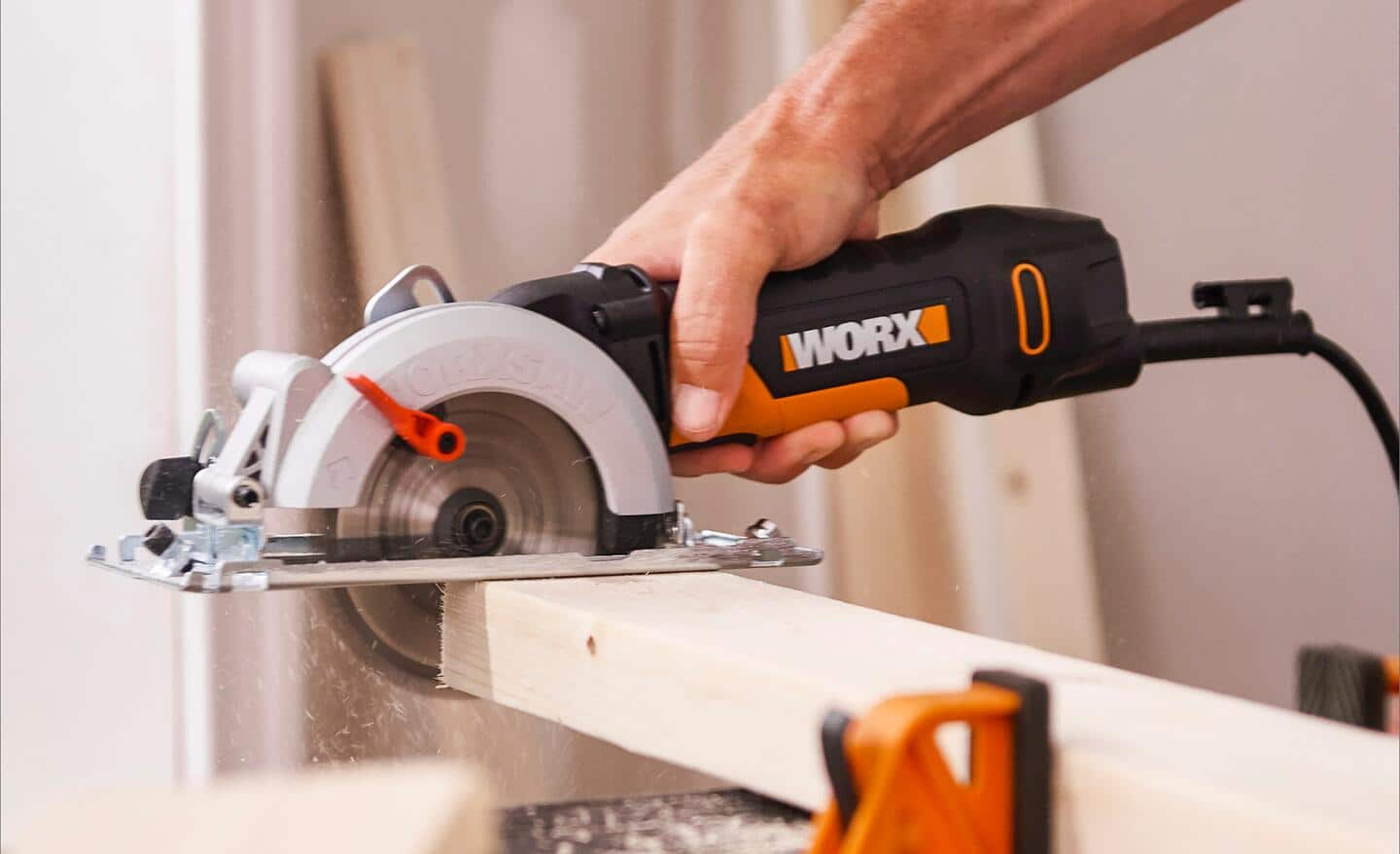
Even experienced users make errors with circular saws. Here are mistakes to watch for:
- Incorrect Blade Depth: Too deep increases danger and reduces cut quality.
- Forcing the Saw: Let the blade do the work. Pushing too hard causes rough cuts and can damage the motor.
- Not Supporting the Work Properly: This can pinch the blade and cause kickback (the saw jumps back at you).
- Cutting Without Clamps: The material can move, ruining your cut and risking injury.
- Ignoring Blade Direction: Always install the blade with the teeth pointing forward.
- Starting the Saw in Contact with Wood: Always start the saw before touching the wood.
- Poor Visibility of the Line: Sawdust can cover your cut line; blow it away or use a saw with a dust blower.
- Skipping Safety Gear: Many eye injuries happen this way.
- Not Finishing the Cut: Don’t stop the saw before you exit the material; this can splinter the wood.
If you make a mistake, stop and check your setup before continuing. Never try to fix a problem while the saw is running.
Credit: www.homedepot.com
Advanced Tips For Clean, Accurate Cuts
Once you’re comfortable with the basics, try these tips for even better results:
- Score the Cut Line: For plywood, score the line with a utility knife to reduce splintering.
- Use Blue Painter’s Tape: Place tape over the cut line for cleaner edges.
- Cut with the Good Side Down: The bottom of the wood usually has less tear-out.
- Use a Zero-Clearance Base: Attach a thin piece of plywood to the base plate to support the wood fibers.
- Check Blade Alignment: A misaligned blade can wander off the line.
- Practice on Scrap: Test your setup on leftover material before the real cut.
- Keep Blades Sharp: A dull blade burns wood and makes rough cuts.
- Let the Blade Stop: Wait for the blade to stop spinning before lifting the saw away from the cut.
Non-obvious insight: Many beginners don’t realize that even a slightly bent blade can ruin accuracy. If you notice the saw binding or burning the wood, check the blade for damage.
Using A Circular Saw For Different Materials
Circular saws are versatile, but you need the right blade and technique for each material.
Wood
- Use a carbide-tipped wood blade.
- Adjust the speed and feed rate for softwood vs. hardwood.
- Watch for knots, which can cause kickback.
Plywood And Laminates
- Use a fine-tooth or plywood blade.
- Support both sides to avoid chipping.
- Cut with the finished side down.
Metal
- Use an abrasive or special metal-cutting blade.
- Wear extra protection (face shield, gloves).
- Cut slowly to avoid overheating.
Plastic
- Use a fine-tooth blade.
- Support the work to avoid cracking.
- Cut at medium speed.
Masonry
- Use a diamond or abrasive blade.
- Cut outside or use dust control.
- Move slowly and make shallow passes.
Here’s a comparison of blade types for different materials:
| Material | Recommended Blade | Special Tips |
|---|---|---|
| Wood | Carbide-tipped | Support, avoid knots |
| Plywood | Fine-tooth plywood blade | Score line, tape |
| Metal | Abrasive/metal-cutting | Cut slow, extra safety gear |
| Plastic | Fine-tooth | Medium speed, support well |
| Masonry | Diamond/abrasive | Shallow passes, dust control |
Non-obvious insight: Some plastics melt if the blade is too hot. Take breaks between cuts to let the blade cool down.
Caring For Your Circular Saw
A well-maintained saw lasts longer and works better. Here’s how to care for your tool:
- Clean After Each Use: Brush off dust and debris.
- Check the Blade: Look for chips or dullness.
- Lubricate Moving Parts: Use light oil on the blade guard and adjustment levers.
- Inspect the Cord and Battery: Replace if damaged.
- Store Properly: Keep the saw dry and away from direct sunlight.
Changing the blade regularly is important. A dull blade is dangerous and makes poor cuts. If you cut sticky wood, clean the blade with a solvent to remove resin.
Troubleshooting Common Problems
Here are some issues you might face and how to solve them:
- Saw Doesn’t Start: Check power supply or battery charge. Inspect the trigger and cord.
- Blade Wobbles: Tighten the arbor nut. Replace bent blades.
- Cut Is Not Straight: Check if the base is parallel to the blade. Use a guide.
- Burn Marks on Wood: Use a sharp blade. Slow down your feed rate.
- Blade Binds in Cut: Support the work properly. Make sure the blade is not too deep.
- Sawdust Blocking Line: Use a vacuum or blower, or mark the line with a bold pencil.
If the problem continues, consult your user manual or contact the manufacturer.
When To Replace The Blade
A sharp blade is key for safe and accurate cuts. Signs you need a new blade:
- Burning or smoking wood
- Slow cutting speed
- Rough or chipped edges
- Loud, unusual noises
- Visible chips or missing teeth
Changing a blade is simple:
- Unplug the saw or remove the battery.
- Lock the blade (most saws have a button or lever).
- Use a wrench to loosen the arbor nut.
- Remove the old blade and install the new one, teeth facing forward.
- Tighten the nut and test the saw.
Comparing Corded Vs Cordless Circular Saws
Both types have pros and cons. Here’s a quick comparison:
| Feature | Corded | Cordless |
|---|---|---|
| Power | Consistent, more powerful | Improving, but less than corded |
| Mobility | Limited by cord | Go anywhere |
| Weight | Lighter (no battery) | Heavier (battery adds weight) |
| Runtime | Unlimited | Depends on battery |
| Price | Usually cheaper | More expensive |
Tip: For big jobs or workshop use, a corded saw is best. For outdoor or quick jobs, cordless is convenient.
Environmental And Health Considerations
Circular saws create dust and noise, which can affect your health. Here’s how to stay safe:
- Wear a Dust Mask: Fine particles can damage your lungs.
- Use Ear Protection: Saw noise can reach 100 decibels or more.
- Ventilate the Area: Especially when cutting treated wood or plastics.
- Clean Up Dust: Use a vacuum or damp cloth, not a broom (which spreads dust).
Some modern saws offer dust collection ports. Connect a shop vacuum for cleaner air. For more on sawdust and health, see this Wikipedia article.
Frequently Asked Questions
What Is The Safest Way To Start A Cut With A Circular Saw?
Always start the saw before the blade touches the material. Hold the saw with both hands, let the blade reach full speed, then move gently into the cut. Never start with the blade already in contact with the wood.
Why Does My Circular Saw Bind Or Kick Back?
Binding happens when the material pinches the blade. This can occur if the work is not properly supported, the blade is too deep, or you are twisting the saw during the cut. Always support both sides, use the right blade depth, and keep the saw straight.
Can I Use My Circular Saw To Cut Metal?
Yes, but only with a proper metal-cutting blade or abrasive disc. Wear extra safety gear, cut slowly, and never use a wood blade for metal. Read your saw’s manual to check if it’s designed for this use.
How Often Should I Change The Blade?
Change the blade when you notice burning, rough cuts, slow progress, or chipped teeth. For most users, this might be every few months, but it depends on your projects and materials.
What Is The Difference Between A Circular Saw And A Miter Saw?
A circular saw is handheld and versatile for straight or angled cuts in many materials. A miter saw is a stationary tool, better for precise crosscuts and angles in wood, especially for trim and molding work.
Learning to use a circular saw opens up many new projects for home and workshop. With practice and attention to safety, you can make clean, accurate cuts every time. Start with simple jobs, follow the tips in this guide, and soon you’ll be confident in your skills with this powerful tool.