
Using a pressure washer can turn a dirty driveway into a clean, new-looking surface in just a few minutes. If you have ever watched the powerful spray remove grime from cars, patios, or siding, you know why these machines are so popular. But pressure washers are not just about pointing and spraying water. Knowing how to use a pressure washer safely and effectively is important. This guide will walk you through everything you need to know, from choosing the right machine to cleaning different surfaces and avoiding common mistakes.
Pressure washers are powerful tools, and with a bit of knowledge, they can save you hours of work. You will learn step-by-step how to set up your machine, adjust the settings, and tackle all kinds of outdoor cleaning jobs. This article also explains the differences between electric and gas models, how to select the right nozzle, and how to protect surfaces—and yourself—while cleaning.
Many beginners make simple mistakes that can damage surfaces or even cause injury. Reading this guide will help you avoid those problems. You’ll also find real-world examples, expert tips, and the answers to common questions, all in clear, simple English.
Let’s get started and make your cleaning tasks easier and faster!
Understanding Pressure Washers
Before using a pressure washer, it’s important to know what it is and how it works. A pressure washer is a machine that uses a pump to increase water pressure from your hose, creating a strong jet that can clean tough dirt, mold, and stains.
Types Of Pressure Washers
Pressure washers come in two main types: electric and gas-powered. Each type has its own strengths and weaknesses. Here’s a quick comparison:
| Type | Best For | Power | Noise | Maintenance |
|---|---|---|---|---|
| Electric | Light to medium cleaning (cars, patios, furniture) | Lower (1200–2000 PSI) | Quieter | Low |
| Gas | Heavy-duty cleaning (driveways, decks, siding) | Higher (2000–4000+ PSI) | Louder | More (engine oil, spark plug) |
Electric pressure washers are easy to start, lighter, and great for most home tasks. Gas models are stronger and better for big, tough jobs, but they need more care and are heavier.
Key Parts Of A Pressure Washer
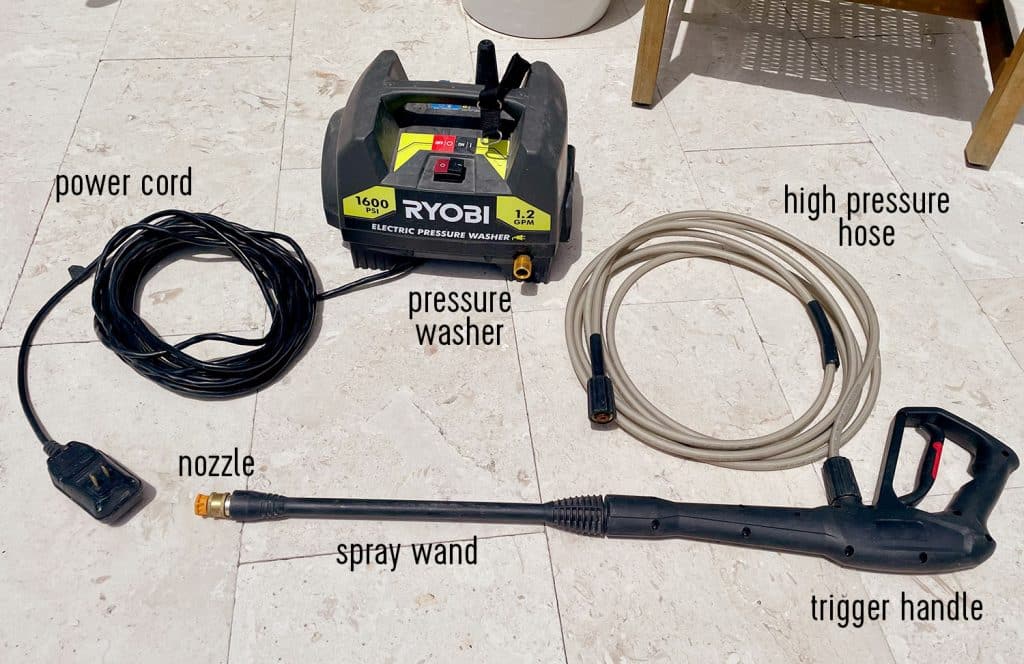
A pressure washer is made up of several main parts:
- Pump: Increases the pressure of the water.
- Motor/Engine: Powers the pump (electric or gas).
- Hose: Delivers high-pressure water to the spray gun.
- Spray Gun: Controls water flow, often with a trigger.
- Nozzles: Change the spray pattern and power.
- Detergent Tank: Holds soap for cleaning.
Understanding these parts helps you set up and use the machine correctly.
Choosing The Right Pressure Washer
Selecting the best pressure washer for your needs is important. Consider what you will clean and how often.
Factors To Consider
- Power (PSI and GPM): PSI means pounds per square inch (pressure), and GPM is gallons per minute (water flow). Higher PSI and GPM mean more cleaning power. For cars and patios, 1200–2000 PSI works well. For driveways, look for 2000–3000 PSI or more.
- Portability: Electric models are lighter and easier to move. Gas models are heavier but often have wheels.
- Noise Level: Electric models are quieter, which is better for neighborhoods.
- Budget: Electric washers are usually cheaper. Gas models cost more and need more maintenance.
- Features: Look for adjustable pressure, different nozzles, and a detergent tank.
Common Buyer Mistakes
Many people choose a pressure washer that is too powerful or too weak. Too much power can damage paint, wood, or even concrete. Not enough power will not clean well. Always match the machine to your cleaning tasks.
Another mistake is ignoring the length of the hose and power cord. A short hose means you must keep moving the washer, which is tiring. Choose a hose long enough for your area.
Preparing To Use Your Pressure Washer
Getting ready to use your pressure washer is more than just plugging it in. Safety is very important.
Safety Precautions
- Wear protective gear: Use safety glasses and gloves. The strong spray can send dirt or small stones flying.
- Check your area: Remove objects that could be damaged or cause tripping.
- Read the manual: Each machine is different. Always check the instructions for your model.
- Never point the spray at people or pets: The high pressure can cause injury.
Setting Up
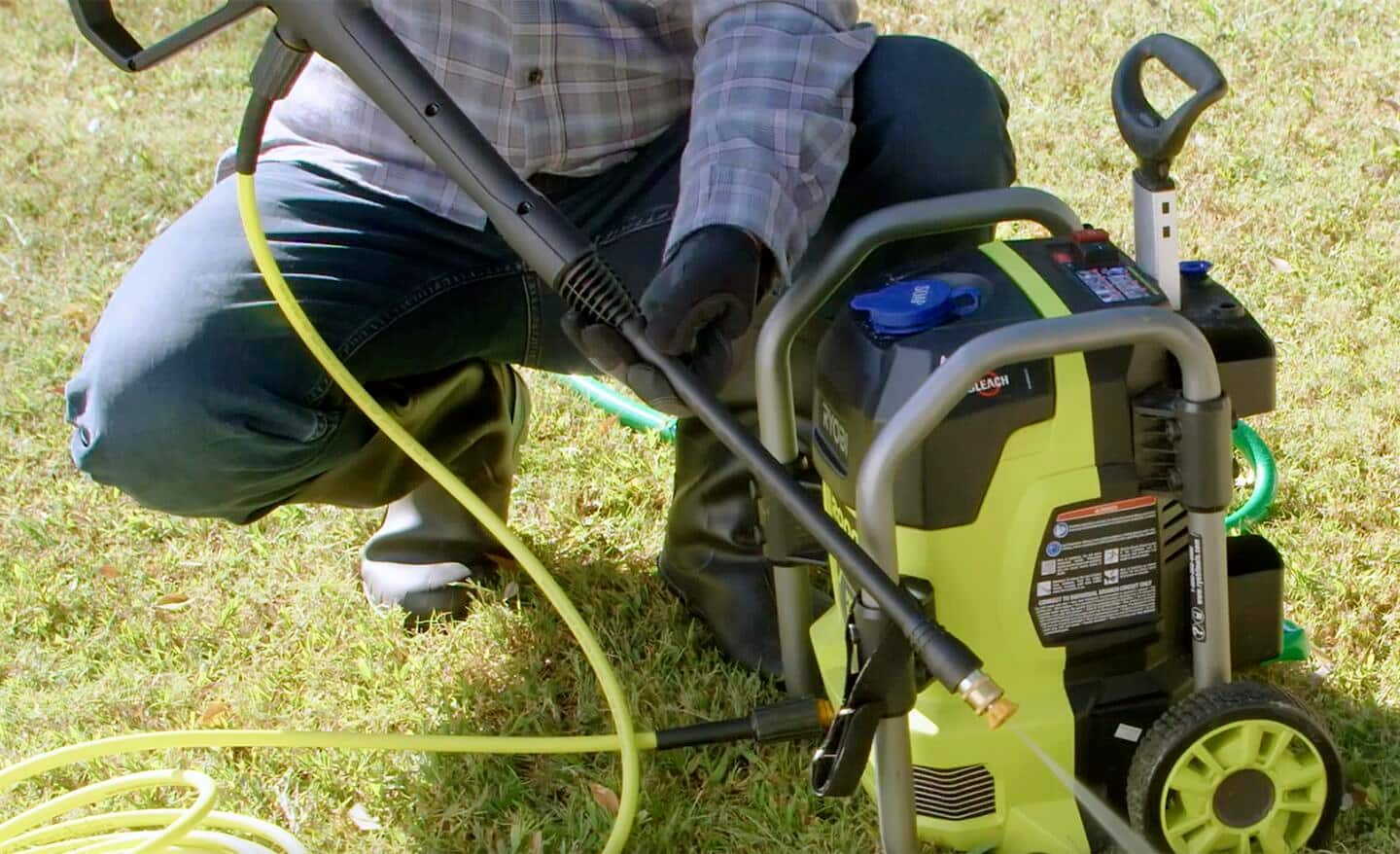
- Connect the garden hose: Attach it to your pressure washer’s water inlet. Make sure the hose is not kinked.
- Check for leaks: Turn on the water and look for leaks before starting the machine.
- Attach the spray gun and nozzle: Choose the right nozzle for your job (see below).
- Plug in or fill with fuel: Electric models need a safe outlet. Gas models need enough fuel and oil.
Before starting, always squeeze the spray trigger to remove air from the system. This step protects the pump.
Understanding Nozzles And Attachments
The spray pattern and force depend on the nozzle. Using the wrong nozzle can damage surfaces.
Nozzle Colors And Uses
Nozzles come in different colors, showing the angle and power of the spray:
| Color | Angle | Use |
|---|---|---|
| Red | 0° | Very high power, small area (tough stains, avoid on soft surfaces) |
| Yellow | 15° | Heavy-duty cleaning (concrete, brick) |
| Green | 25° | General cleaning (cars, decks, patios) |
| White | 40° | Light cleaning (windows, outdoor furniture) |
| Black | 65° | Soap application |
Tip: Always start with a wider nozzle (white or green) on a new surface. Test in a small area first.
Special Attachments
Some pressure washers come with extra tools:
- Surface cleaner: A round brush for cleaning large flat areas like driveways.
- Turbo nozzle: Spins water for more power on tough stains.
- Foam cannon: Makes thick foam for washing cars.
These can save time and improve results.
Step-by-step: How To Use A Pressure Washer
Now, let’s go through the actual process. Take your time and follow each step for safe and effective cleaning.
1. Prepare The Area
Move cars, furniture, and anything fragile away. Cover plants or electrical outlets with plastic if needed. Sweep away loose dirt first.
2. Connect Everything
Attach your garden hose to the water inlet. Connect the high-pressure hose to the spray gun. Lock in the nozzle you need. Make sure all connections are tight.
3. Turn On The Water
Open the tap fully. Squeeze the trigger on the spray gun to let water flow and remove air. This protects your pump from damage.
4. Start The Pressure Washer
- Electric: Plug into a grounded outlet. Turn on the power switch.
- Gas: Turn fuel valve to “on,” set the choke, and pull the starter cord. Follow your manual for details.
Let the machine run for a few seconds before spraying.
5. Apply Detergent (if Needed)
If you’re using soap, fill the detergent tank with pressure washer-safe cleaner (never use household soap). Switch to the black (soap) nozzle. Spray the surface with soap from bottom up to avoid streaks. Let it sit for a few minutes, but don’t let it dry.
6. Pressure Wash The Surface
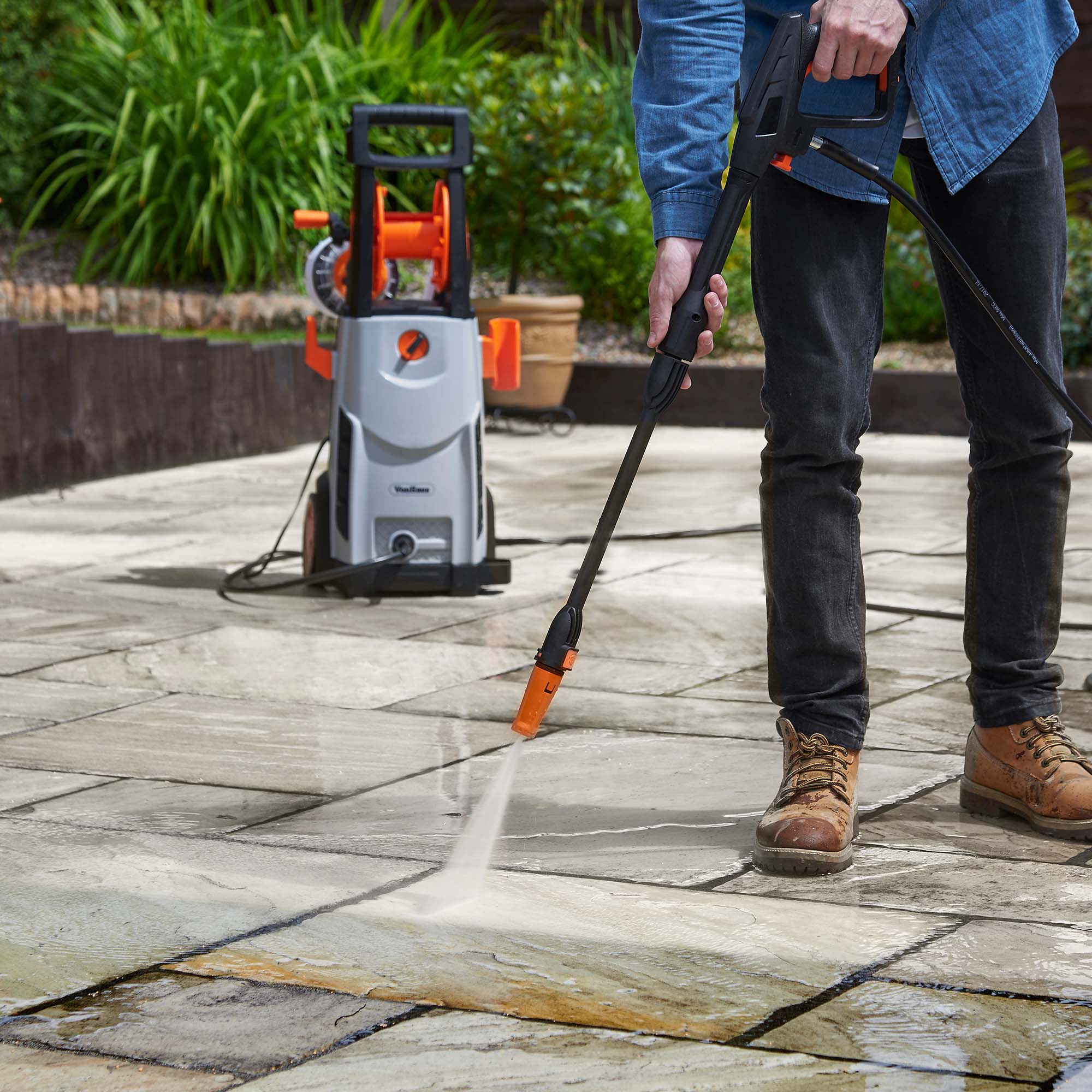
Switch back to a cleaning nozzle (green or white). Hold the spray wand at a 45-degree angle, about 2 feet away. Move the spray in slow, overlapping lines. Keep the nozzle moving to avoid damaging the surface.
7. Rinse And Finish
Rinse off all detergent starting from the top down. Check your work and spray any missed spots. Turn off the machine, then the water supply. Squeeze the trigger to release leftover pressure.
Pro tip: Practice on an old or hidden area to get used to the power and spray pattern.
Cleaning Different Surfaces
Every surface needs a slightly different approach. Here’s how to clean the most common things around your home:
Driveways And Concrete
Concrete can handle high pressure. Use a yellow (15°) or green (25°) nozzle. Move slowly to remove oil, mold, and dirt. For tough stains, use a surface cleaner attachment for even results.
Decks And Wood
Wood is soft and can be damaged. Use a white (40°) nozzle and keep the tip at least 2 feet away. Test in a small spot. Use low pressure and move quickly to avoid cutting the wood.
Cars And Vehicles
Use a green (25°) or white (40°) nozzle. Stand back at least 3 feet to protect the paint. Use a foam cannon for soap, and rinse well. Never use a red or yellow nozzle on cars.
Siding And Fences
Vinyl siding and fences clean easily with a white (40°) nozzle. Start from the bottom up when applying detergent, then rinse from the top down. Use low pressure to avoid damaging paint or wood.
Outdoor Furniture
Plastic and metal furniture can handle a green nozzle. For cushions or soft surfaces, switch to a white nozzle. Hold the wand at a distance and use low pressure.
Hidden insight: Many beginners hold the nozzle too close, causing stripes or damage. Always keep the tip moving and never spray directly into seams or cracks.
Credit: www.younghouselove.com
Maintenance And Storage
Taking care of your pressure washer helps it last longer and work better.
After Each Use
- Rinse out the detergent tank.
- Run clean water through the system for a minute.
- Disconnect hoses and let water drain.
- Wipe the machine dry.
Seasonal Storage
- For gas models, add fuel stabilizer to the tank.
- Store in a dry place away from freezing temperatures.
- In cold areas, pump antifreeze through the system or follow your manual’s winterizing steps.
Common Maintenance
- Check and clean the nozzle regularly. A clogged nozzle can cause pressure problems.
- Inspect hoses for cracks or leaks.
- For gas models, change oil and spark plugs as needed.
Non-obvious tip: If your pressure washer loses power, check the water supply first—low flow from the hose is a common cause, not always the pump.
Troubleshooting Common Issues
Sometimes, pressure washers don’t work as expected. Here’s how to fix common problems:
Low Pressure
- Check for clogs in the nozzle or hose.
- Make sure the water supply is fully open.
- Inspect the inlet screen for dirt.
Leaks
- Tighten all connections.
- Replace damaged O-rings.
- Check hoses for holes.
Pulsing Or Surging
- Air in the line—run water until smooth.
- Clogged nozzle—clean or replace it.
Won’t Start (gas)
- Check fuel and oil levels.
- Inspect the spark plug.
- Make sure the choke and switches are set correctly.
If these steps don’t work, check your manual or contact the manufacturer.
Credit: www.homedepot.com
Advanced Tips And Techniques
If you want to get the best results, try these advanced tips:
Use Detergents Correctly
Choose detergents made for pressure washers. These break down dirt and mold better than regular soap. Let the detergent sit for 5–10 minutes, but never let it dry before rinsing.
Work With The Weather
Pick a cool, cloudy day. Sun can dry detergent too fast and leave streaks. Wind can blow spray onto unwanted areas.
Clean In Sections
For large areas, work in small sections. This helps prevent streaks and missed spots.
Protect Delicate Items
Cover plants, outlets, and lights with plastic. Remove mats or fragile decorations before you start.
Test Water Pressure
If you have low water pressure at home, your washer may not work properly. You can measure your hose’s flow by filling a bucket and timing it. Most pressure washers need at least 2 gallons per minute.
Expert insight: Most beginners forget to check water flow, leading to poor cleaning. Always test your supply before starting a big job.
Pressure Washing Vs. Traditional Cleaning
Many people ask if pressure washing is better than scrubbing by hand. Here’s a simple comparison:
| Method | Speed | Effort | Effectiveness |
|---|---|---|---|
| Pressure Washing | Very fast | Low | Removes deep stains, mold, dirt |
| Traditional Scrubbing | Slow | High | Good for small areas, light dirt |
Pressure washers save time and energy, especially for large or dirty areas. But for delicate surfaces, hand cleaning can be safer.
Credit: www.vonhaus.com
Environmental Considerations
Pressure washing uses a lot of water. Here are some tips to use it responsibly:
- Use the lowest pressure and least water needed.
- Choose eco-friendly detergents.
- Avoid washing near storm drains—runoff can carry soap and dirt into the water system.
- Sweep or collect debris before washing.
Some areas have rules about water use. Check local guidelines before starting a big job.
Frequently Asked Questions
How Much Water Does A Pressure Washer Use?
A typical home pressure washer uses about 1. 5 to 2. 5 gallons per minute, less than a garden hose. Because it cleans faster, you often use less water overall.
Can I Use Hot Water In My Pressure Washer?
Only use hot water if your pressure washer is made for it. Most electric models are for cold water only. Hot water washers are often used for greasy stains and cost more.
Is Pressure Washing Safe For All Surfaces?
No. High pressure can damage wood, paint, windows, and soft surfaces. Always test in a small area first and use the right nozzle.
Do I Need Special Soap For A Pressure Washer?
Yes. Only use soaps and detergents made for pressure washers. Others can damage the pump or leave residue.
Where Can I Learn More About Pressure Washer Safety?
For detailed safety tips, visit the OSHA Pressure Washer Safety page.
Pressure washers are powerful tools that make tough cleaning jobs fast and easy. By choosing the right machine, using the correct settings, and following safety steps, you can clean surfaces like a pro. Remember to test before cleaning delicate surfaces, use the right nozzle, and keep your machine in good shape.
With these tips, you will get great results and make outdoor cleaning much simpler.