
Water Stone Vs Oil Stone: Choosing the Right Sharpening Stone for Your Needs
If you want sharp knives, tools, or chisels, choosing the right sharpening stone is essential. The two most popular types of sharpening stones are water stones and oil stones. Both have unique properties, strengths, and weaknesses, and the choice you make affects your sharpening process and final results. Many people new to sharpening are unsure which stone to pick, or what makes these stones different. This article will guide you through the complete comparison of water stones vs oil stones, their uses, pros and cons, and help you choose the best stone for your needs.
Understanding the basics is important, but to truly make an informed decision, you also need to know about maintenance, cost, speed, safety, and long-term results. By the end of this article, you’ll be able to confidently pick a stone that matches your skills, tools, and daily routine.
What Are Water Stones?
Water stones are sharpening stones that require water as a lubricant. They are typically made from either natural stone or synthetic materials. When you use them, you soak or wet the surface with water. This helps remove metal shavings (called swarf), keeps the stone cool, and creates a smooth sharpening action.
Types Of Water Stones
There are two main types of water stones:
- Natural water stones: Quarried from the earth, especially in Japan. They are famous for their unique cutting action and feel.
- Synthetic water stones: Made from bonded abrasives like aluminum oxide or silicon carbide. They are more consistent in grit and are widely used around the world.
How Water Stones Work
When sharpening, water stones wear down quickly. This means new abrasive particles are always exposed, making the stone cut faster. As you sharpen, a slurry (a paste of stone particles and water) forms on the surface. This slurry actually helps polish and refine the edge of your tool.
Common Grits
Water stones are available in a wide range of grits:
- Coarse (200-800 grit): Used for repairing damaged edges or fast metal removal.
- Medium (1000-3000 grit): Ideal for sharpening and restoring a dull edge.
- Fine (4000-8000+ grit): Used for final polishing and honing a razor-sharp edge.
What Are Oil Stones?
Oil stones are sharpening stones that use oil as a lubricant. The oil prevents metal particles from clogging the stone and provides a smooth sharpening surface. Most oil stones are made from natural or synthetic materials and have been popular for centuries.
Types Of Oil Stones
- Natural oil stones: The most well-known are Arkansas stones, quarried in the United States. They are made of novaculite, a hard, dense stone.
- Synthetic oil stones: Often made from aluminum oxide (also called India stones) or silicon carbide (Crystolon stones).
How Oil Stones Work
Oil stones wear down slowly, so they keep their flat shape longer. When sharpening, you apply a few drops of honing oil to the surface. This oil suspends the swarf, making it easy to wipe away. Oil stones are known for their durability and long life.
Common Grits
Oil stones use a slightly different grit system:
- Coarse (100-400 grit): Used for shaping or repairing edges.
- Medium (400-1000 grit): For general sharpening.
- Fine (1000-4000 grit): For polishing and finishing the edge.
Key Differences Between Water Stones And Oil Stones
To help you see the main differences, here’s a side-by-side comparison:
| Feature | Water Stone | Oil Stone |
|---|---|---|
| Lubricant | Water | Oil |
| Material | Aluminum oxide, silicon carbide, natural stone | Novaculite, aluminum oxide, silicon carbide |
| Wear rate | Fast | Slow |
| Speed of sharpening | Fast | Moderate |
| Maintenance | Needs flattening often | Rarely needs flattening |
| Messiness | Less mess, easy cleanup | Oily residue, harder cleanup |
| Price range | Wide (cheap to expensive) | Moderate to expensive |
| Best for | Kitchen knives, woodworking tools | Heavy-duty tools, rough work |
Advantages Of Water Stones
Water stones are popular for many reasons. Here’s what makes them stand out:
- Fast Sharpening Action: Because they wear quickly, new abrasive is constantly exposed. This means you can sharpen dull edges much faster than with oil stones.
- Clean and Simple Lubrication: Water is easy to find, cheap, and non-toxic. You don’t need to buy or store special oil.
- Wide Grit Range: Water stones come in very fine grits, perfect for finishing and polishing. You can get a true mirror edge on your knife or chisel.
- Excellent for Delicate Tools: Many chefs and woodworkers prefer water stones for their Japanese knives or hand tools. The stones are gentle and precise.
- Easy to Clean Up: After sharpening, simply rinse with water and wipe dry. No sticky oil remains.
Two Non-obvious Insights
- Soaking vs. Splash-and-Go: Not all water stones need soaking. Some modern synthetic stones are “splash-and-go,” meaning you just add water and start sharpening. This saves time and avoids over-soaking.
- Slurry Management: The slurry that forms on a water stone is not waste. For the finest edge, use the slurry as a polishing compound. Some users make the mistake of wiping it away too early.
Disadvantages Of Water Stones
While water stones are excellent, they’re not perfect for every situation.
- Wear Down Quickly: Because they cut fast, they also lose their flat surface quickly. You’ll need to flatten (or “lap”) the stone often, using a special lapping plate or another flat stone.
- Fragile and Brittle: Water stones, especially natural ones, can chip or crack if dropped.
- Can Make a Mess: Although cleanup is easy, the slurry can splatter. Always sharpen on a waterproof surface.
- Not Best for Heavy Grinding: If you need to remove a lot of metal, a coarser, harder oil stone or a grinding wheel is usually better.
Advantages Of Oil Stones
Oil stones have been used for centuries, and for good reason.
- Long-Lasting Surface: Oil stones wear much slower than water stones. This means you can sharpen for years without needing to flatten the surface.
- Durability: Most oil stones are tough and less likely to break if dropped.
- Good for Heavy Tools: If you use axes, machetes, or garden tools, oil stones are strong enough for these rough jobs.
- Consistent Grit and Feel: Especially with natural Arkansas stones, you get a unique, smooth sharpening action that many professionals love.
- Less Frequent Maintenance: You rarely need to flatten oil stones, saving time and effort.
Two Non-obvious Insights
- Oil Selection Matters: Not all oils are equal. Honing oil is specially designed for sharpening. Using cooking oil can gum up the stone and ruin its effectiveness.
- Pre-oiling Is Permanent: Once you use oil on a stone, you cannot switch to water. Oil penetrates the stone’s pores, so you should decide your lubricant before first use.
Disadvantages Of Oil Stones
Despite their advantages, oil stones have some drawbacks:
- Slower Sharpening: Because they are harder and wear more slowly, it takes more time to sharpen very dull blades.
- Messy Clean-Up: Oil can get on your hands, tools, and workbench. It can be harder to wash off compared to water and may stain clothing.
- Limited Ultra-Fine Grits: While Arkansas stones can polish well, they often don’t reach the ultra-high grits that some synthetic water stones offer.
- Cost: High-quality Arkansas stones can be expensive, especially larger sizes.
Performance: Which Sharpens Faster?
Speed is important, especially for busy kitchens or workshops. In most cases, water stones sharpen faster than oil stones. The reason is that water stones are softer, and fresh abrasive is always exposed as the stone wears. This means more metal is removed with each stroke.
Oil stones, particularly the harder varieties, cut more slowly. They are better for maintaining an edge rather than quickly restoring a dull one.
But, faster is not always better. If you’re not careful, a fast-cutting stone can remove too much metal or change the angle of your blade. Beginners sometimes make this mistake and accidentally damage their tools.
Maintenance And Flattening
Keeping your stone flat is key to effective sharpening. A flat stone means even contact with your blade, which gives you a consistent edge.
Maintaining Water Stones
- Frequent Flattening Needed: Use a diamond lapping plate or flattening stone. Check the surface before every use.
- Soaking: Some water stones must be soaked before use, usually for 10–15 minutes. Always read the manufacturer’s instructions.
- Storage: Keep stones dry after use. Leaving them wet can cause mold or cracks.
Maintaining Oil Stones
- Rare Flattening: Oil stones wear down slowly. Flattening is needed only after years of heavy use.
- Oil Application: Always apply a few drops of honing oil before sharpening.
- Cleaning: Wipe off excess oil and swarf after every use. If the stone gets clogged, clean with mineral spirits or a dedicated stone cleaner.
Safety And Cleanliness
Sharpening can be messy, especially with oils or slurry. Here’s what to keep in mind:
- Water Stones: Water is harmless, and cleanup is simple. However, the slurry can splash, so protect your work surface. Stones can be slippery when wet, so use a non-slip mat.
- Oil Stones: Oil can make tools and hands slippery. Always wipe your blade before handling. Oil stains are hard to remove from clothes and some countertops.
A common beginner mistake is not cleaning the stone after use. This causes metal particles to build up and makes future sharpening less effective.

Credit: www.reddit.com
Cost Comparison
Sharpening stones can range from affordable to very expensive. Here’s a basic cost comparison:
| Stone Type | Entry Price (USD) | Mid-Range Price | High-End Price |
|---|---|---|---|
| Water Stone | $20–$30 | $50–$100 | $150+ |
| Oil Stone | $15–$30 | $40–$80 | $120+ |
Synthetic stones are usually cheaper than natural stones. High-quality Japanese water stones and Arkansas oil stones can be quite expensive, but they last a long time if cared for.
Which Stone Is Best For Which Tool?
Different stones are better for different tools and tasks.
- Kitchen knives: Water stones are preferred, especially for Japanese knives. They provide a razor-sharp edge and a polished finish.
- Woodworking chisels and plane blades: Water stones give a fine, flat edge. Oil stones are also good for rough shaping.
- Outdoor knives, axes, and machetes: Oil stones are durable and better for heavy-duty sharpening.
- Straight razors: Ultra-fine water stones are usually best for the final honing.
Real-world Examples
Chef’s Knife
A professional chef uses his Japanese gyuto knife daily. He chooses a 1000/6000 grit water stone for routine sharpening. The fast cutting action restores the edge quickly, and the fine grit gives a polished, hair-shaving finish.
Gardener’s Machete
A gardener maintains several machetes and pruners. He uses a coarse oil stone with honing oil. The tough stone withstands the rough edges, and the oil prevents clogging from plant sap and metal shavings.
Woodworker’s Chisel
A cabinetmaker sharpens chisels on a series of water stones: 1000 for sharpening, 4000 for refining, and 8000 for final polish. He laps the stones often to keep them flat, ensuring perfect joints.
Environmental Impact
Choosing between water and oil stones can also affect the environment.
- Water Stones: Water is safe and easy to dispose of. Slurry contains only stone particles and metal, which is usually not hazardous.
- Oil Stones: Used oil can be messy and should not be poured down drains. Some mineral oils may be harmful to the environment if not disposed of properly.
Many people overlook this aspect, but if you sharpen often, water stones are usually the more eco-friendly choice.
User Experience And Feel
Sharpening is not just about results; it’s also about the feel and experience.
- Water Stones: Users describe a “buttery” or “creamy” feel as the blade glides over the wet surface. Some enjoy the tactile feedback and the sound of sharpening.
- Oil Stones: Sharpening on oil stones feels smoother and more controlled, with less “drag.” The stone stays hard and does not change shape quickly.
Personal preference plays a big role. Try both types if possible to find what suits your hands and style.
Longevity And Value
If you want a stone that lasts decades, oil stones are the better choice. They wear slowly and need little maintenance. However, water stones, while softer and needing more care, can deliver a sharper, more polished edge.
Some professionals keep both types. They use oil stones for rough work and water stones for fine finishing.
Common Mistakes When Using Water And Oil Stones
- Mixing Lubricants: Never use oil on a water stone or switch a used oil stone to water. This can ruin the stone.
- Not Flattening: Skipping flattening on a water stone leads to uneven sharpening and poor results.
- Using Too Much Pressure: Let the stone do the work. Too much force can gouge soft water stones or damage your blade.
- Not Cleaning Up: Leaving swarf on the stone reduces cutting power and can create rust on your tools.
- Ignoring Grit Progression: Jumping from a coarse to a fine stone without an intermediate step can leave a rough edge.
How To Choose: Water Stone Or Oil Stone?
When deciding, consider these factors:
- Skill Level: Beginners may prefer oil stones for their durability and low maintenance. Water stones offer faster results but require more care.
- Tool Type: Fine knives and woodworking tools do best with water stones. Tough, outdoor tools are well-suited to oil stones.
- Maintenance Willingness: If you want less upkeep, oil stones are ideal. If you enjoy fine-tuning your sharpening process, water stones offer more control.
- Budget: Water stones offer a wide price range. For the highest quality, both types can be expensive.
- Environment: Water stones are generally cleaner and more eco-friendly.
Tips For Getting The Best Results
- Use the Right Grit: Start with a coarse stone for dull blades, then progress to finer grits.
- Soak or Oil Properly: Follow the stone manufacturer’s instructions for soaking or oiling.
- Check for Flatness: Especially with water stones, check the surface often and flatten as needed.
- Keep Your Angle Consistent: Use a guide if necessary. Consistent angles give better edges.
- Clean After Use: Wipe down your stone and blade to prevent rust and clogging.
Sharpening Stone Myths
Many people believe some common myths about sharpening stones:
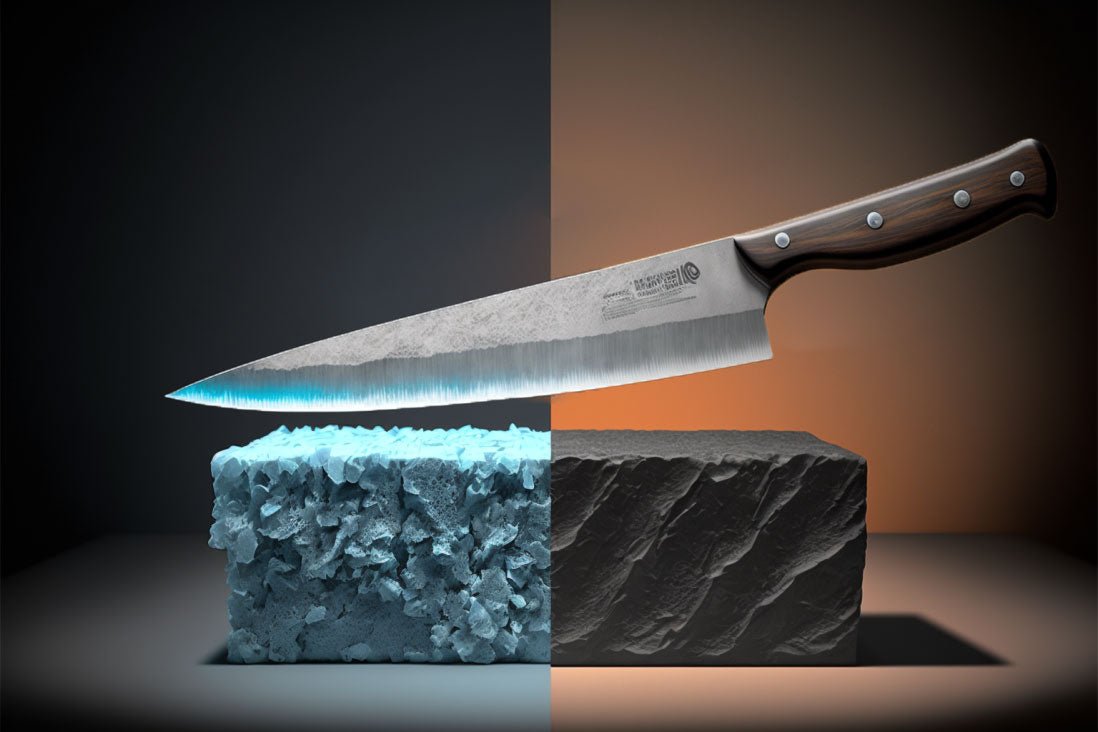
- “Oil stones always give a sharper edge.” In reality, water stones often deliver a finer, more polished edge.
- “Water stones are only for Japanese knives.” They work well on all knife types.
- “You can use any oil.” Only use honing oil or light mineral oil. Avoid vegetable or motor oil.
Credit: santokuknives.co.uk
Table: When To Choose Each Stone
Here’s a quick reference for choosing between water and oil stones:
| Situation | Best Choice | Reason |
|---|---|---|
| Sharpening chef’s knives | Water Stone | Fast, fine edge, easy cleanup |
| Maintaining axes | Oil Stone | Durable, handles heavy use |
| Honing woodworking chisels | Water Stone | Flat, polished edge |
| Outdoor camping tools | Oil Stone | Strong, less fragile |
| Eco-friendly sharpening | Water Stone | No oil disposal needed |
Frequently Asked Questions
What Is The Main Difference Between Water Stones And Oil Stones?
The biggest difference is the lubricant used. Water stones use water, while oil stones require oil. This affects speed, maintenance, mess, and sharpening results. Water stones cut faster but wear out sooner. Oil stones last longer but sharpen more slowly.
Can You Use Oil On A Water Stone Or Water On An Oil Stone?
No, mixing lubricants is a common mistake. Never use oil on a water stone, as it will clog the pores. Once you use oil on a stone, you cannot switch to water, because oil soaks deep into the stone.
Which Stone Is Better For Beginners?
Both types can work for beginners. Oil stones are more forgiving and need less maintenance, making them good for first-time users. Water stones give faster results but require more care, like regular flattening.
How Often Should You Flatten Your Sharpening Stone?
Water stones should be flattened regularly—after every few uses, or whenever you see dips forming. Oil stones rarely need flattening, maybe once a year or less, depending on use.
Where Can I Learn More About Sharpening Stones?
A reliable source for more information is the Wikipedia page on sharpening stones. It covers the history, types, and techniques in detail.
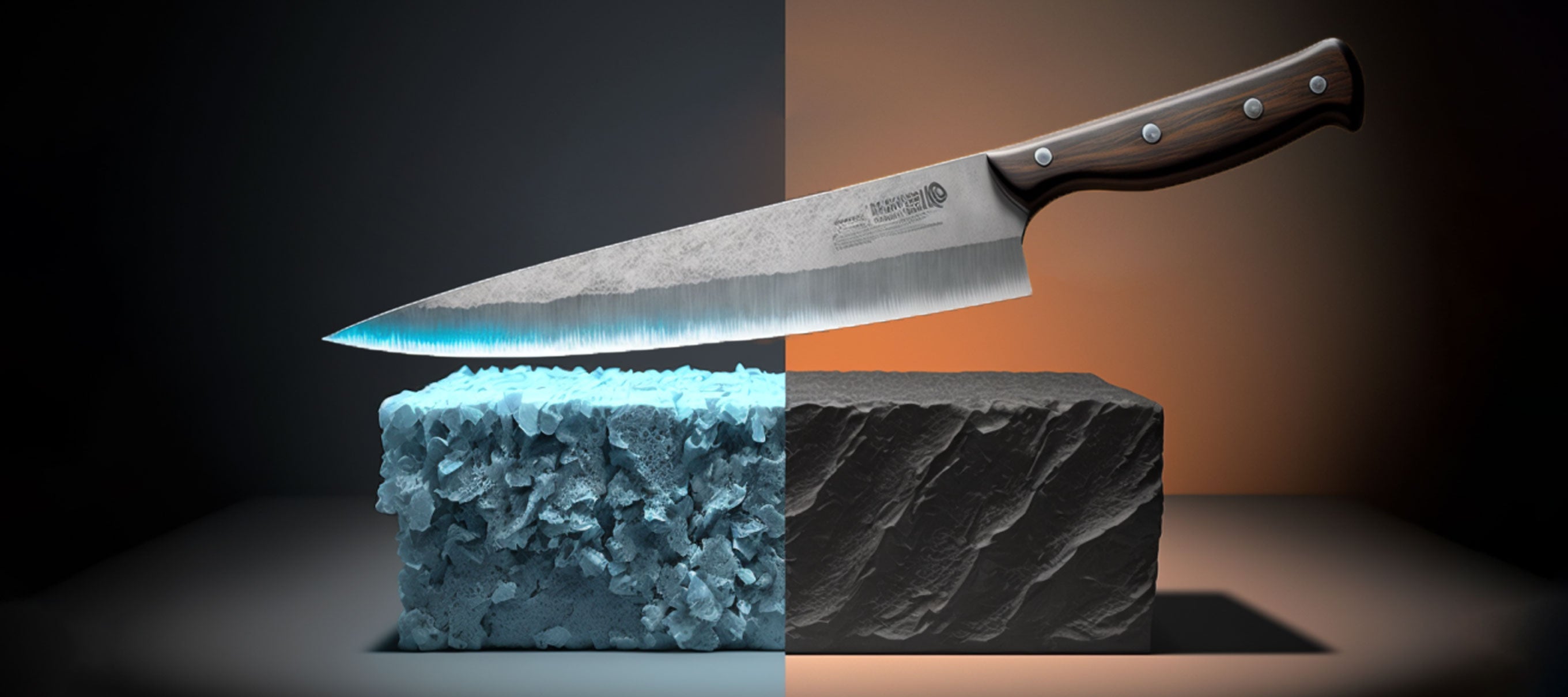
Choosing between a water stone and an oil stone depends on your tools, habits, and sharpening goals. Consider the differences in speed, maintenance, cost, and final edge quality. Many experienced sharpeners keep both types on hand for different jobs. With the right stone and technique, you’ll keep your blades razor-sharp and ready for anything.
Credit: santokuknives.co.uk