
When people start using power tools, they often wonder what kind of materials can be drilled with a hammer drill. This question is important because using the wrong tool or drilling the wrong material can damage both the drill and the workpiece.
Hammer drills are not just another household tool—they play a key role in construction, renovation, and even small home repairs. But to get the best results, you need to understand exactly what materials this tool is designed for and how to use it safely and effectively.
In this article, you’ll discover which materials you can drill with a hammer drill, why it works well for them, and some surprising details even experienced users may overlook. We’ll also compare hammer drills with other types of drills, explain how hammering action changes the drilling process, and offer practical advice for each material type.
By the end, you’ll have a clear, confident understanding of how to use a hammer drill for different surfaces without risking damage or poor results.
What Is A Hammer Drill And How Does It Work?
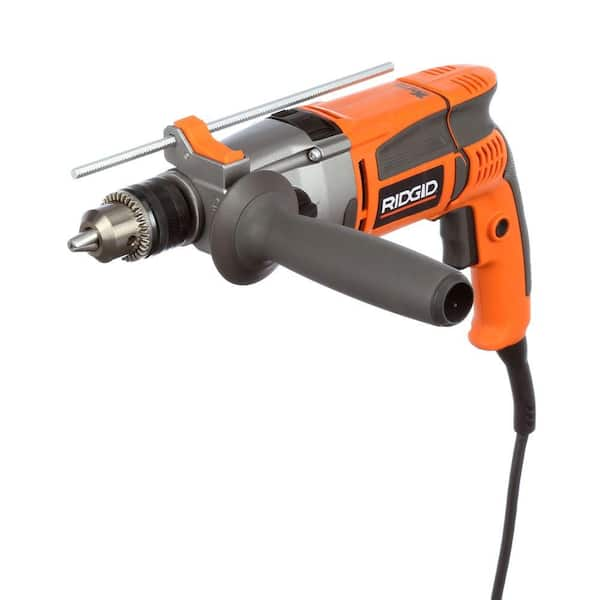
A hammer drill is a power tool that combines two actions: rotary drilling and a rapid hammering motion. While the drill bit spins like a normal drill, the tool also pushes the bit forward and backward very quickly—like a small jackhammer. This extra force helps the bit cut into hard materials that would be difficult or impossible to drill with a standard drill.
The hammering action breaks up tough materials, letting the bit remove debris and move deeper with less effort. It’s important to know that hammer drills are not the same as rotary hammers, which are larger and even more powerful. Hammer drills are usually lighter, making them suitable for both professional and DIY use.
Key Materials Drilled With A Hammer Drill
Let’s look at the main materials that are most often drilled using a hammer drill, why the tool works well for each, and what you need to know before you start.
Concrete
Concrete is the most common material people drill with a hammer drill. Regular drills struggle with concrete because it is hard and dense. The hammering motion breaks up the stone and sand inside the concrete, making it possible for the bit to cut through.
- Use a masonry bit for concrete.
- Start with a small pilot hole if drilling a large diameter.
- Keep the drill perpendicular to the surface to avoid bit breakage.
Practical Example
If you need to hang a heavy shelf on a concrete wall, a hammer drill is the safest and fastest choice. Without the hammer action, you risk overheating the bit or even snapping it.
Surprising Insight
Many beginners don’t realize that concrete can dull bits very quickly. Always check your bit’s condition after each hole, especially in older, harder concrete.
Brick
Hammer drills are ideal for drilling into brick walls. Brick is softer than concrete but still tough enough that a regular drill would struggle. The hammering action helps the bit chip away at the surface.
- Set your hammer drill to a lower speed for softer bricks.
- Use a steady, gentle pressure to avoid cracking the brick.
Practical Tip
If you hit a mortar joint, reduce pressure. Mortar is softer and drilling too aggressively can cause a messy hole or weaken the wall.
Stone
Natural stone, like granite or limestone, is extremely hard. Hammer drills make it possible to create holes for anchors, bolts, or even decorative purposes.
- Use high-quality, carbide-tipped bits.
- Always use the hammer setting for stone.
Data Point
Drilling into granite is up to 4 times faster with a hammer drill compared to a regular drill, according to tool manufacturers.
Non-obvious Advice
Stone can heat up very quickly. To prevent bit damage, pull the bit out every 10–15 seconds to clear dust and let the bit cool down.
Masonry Blocks (cinder Blocks)
Cinder blocks are used in many walls and fences. They are less dense than concrete but still require hammer action for clean holes.
- Use a sharp masonry bit.
- Avoid drilling near the block’s edge, as the material can crumble.
Example
When installing a fence post anchor into a cinder block wall, a hammer drill creates a cleaner, rounder hole that will hold the anchor better than a regular drill.
Tile
Hammer drills can be used on ceramic or stone tile, but only with care.
- Do NOT use hammer action on the tile’s surface—start with rotary only.
- Once through the tile, switch to hammer mode for the underlying material.
Key Insight
Tile is brittle. The hammering force can crack it easily. Always drill slowly, keep the bit cool, and use tape to prevent the bit from slipping.
Plaster And Stucco
For older homes, plaster and stucco walls are common. While these are softer than stone, they can still be tough for regular drills, especially if backed by brick or concrete.
- Use a masonry bit and start with rotary action if possible.
- Switch to hammer mode only if you hit a hard layer.
Surprising Detail
Stucco often hides metal mesh. If you feel sudden resistance, stop and check the bit—drilling through metal with a masonry bit can ruin the bit quickly.
Asphalt
You may need to drill into asphalt for outdoor installations, like fence anchors or bollards.
- Use a sharp masonry bit.
- Keep the hole clean by pulling out the bit regularly.
Non-obvious Tip
Asphalt softens in hot weather. Drilling early in the morning or when the surface is cool reduces the chance of messy holes.
Lightweight Concrete (aerated Concrete)
Materials like AAC blocks (Autoclaved Aerated Concrete) are softer and lighter than regular concrete.
- Use lower hammer settings.
- Apply gentle pressure to avoid blowing out the back of the block.
Important Note
AAC blocks can crumble easily. Using the wrong drill setting or too much force will damage the block.
Cement Board
Cement board is used as a backing material in tile installations. It’s hard and dense, often reinforced with fibers.
- Use a masonry bit and hammer mode for larger holes.
- For small pilot holes, regular drill mode is often enough.
Practical Advice
If you drill too aggressively, the cement board can crack. Use the hammer mode only as needed and keep the bit cool.
Materials You Should Not Drill With A Hammer Drill
Not every material is suitable for the hammer action of a hammer drill. Here’s what to avoid:
- Wood: The hammering motion will split or destroy wood fibers.
- Metal: Hammering does not help and can break bits.
- Plastic: The impact action causes cracking and melting.
- Drywall: Hammering will pulverize the board.
- Glass: The vibration will shatter glass instantly.
If you try to drill these materials with a hammer drill (hammer mode ON), you risk ruining both the material and your bit.
Hammer Drill Vs. Other Drills
It’s useful to compare hammer drills with other common types of drills. Here’s a summary:
| Drill Type | Main Use | Materials | Hammer Action |
|---|---|---|---|
| Hammer Drill | Masonry drilling | Concrete, brick, stone | Yes |
| Rotary Hammer | Heavy-duty concrete & demolition | Concrete, stone, thick masonry | Strongest |
| Standard Drill/Driver | Wood, metal, light materials | Wood, metal, drywall | No |
| Impact Driver | Driving screws, bolts | Wood, metal, some masonry anchors | Lateral (not for drilling) |
Key Takeaway
If you need to drill into hard masonry or stone, a hammer drill is the best choice for most DIYers and light professionals. For very large holes or heavy demolition, a rotary hammer is better.

Credit: cisivistools.com
Choosing The Right Bit For Each Material
Even the best hammer drill will fail if you use the wrong bit. Here’s what you need for each material:
- Masonry bits (carbide-tipped): For concrete, brick, stone, cinder block, and cement board.
- Tile and glass bits: For starting holes in tile (without hammer action).
- Specialty bits: For reinforced materials (metal mesh in stucco, etc. ).
Quick Bit Comparison
| Material | Recommended Bit | Hammer Action? |
|---|---|---|
| Concrete | Masonry bit | Yes |
| Brick | Masonry bit | Yes |
| Tile | Tile bit | No (start), Yes (after) |
| Stone | Carbide-tipped masonry bit | Yes |
| Wood | Wood bit | No |
Bit Maintenance Tip
Check your bits for dullness or chipping after each use—especially after drilling hard materials. A dull bit will make the drill work harder and increase the risk of overheating.
Safety When Drilling Different Materials
Drilling hard materials is not just about power—it’s also about safety. Here’s what you need to know:
- Wear safety glasses to protect your eyes from chips and dust.
- Use hearing protection—hammer drills are loud, especially in concrete and stone.
- Check for hidden wires or pipes before drilling into walls, especially in older homes.
- Support large workpieces to prevent shifting or cracking.
Hidden Danger
Some walls have rebar (steel rods) inside concrete. If you feel the bit stop suddenly, do not force it. Using a hammer drill on rebar will ruin your masonry bit.

Credit: icisivis.com
Advanced Uses: Surfaces With Multiple Layers
Many real-world jobs involve drilling through more than one material. For example, you might have to drill through tile, then concrete, or through stucco, wire mesh, and brick.
- Tile over concrete: Start with a tile bit on rotary only, switch to hammer mode after clearing the tile.
- Stucco with mesh: Drill gently through stucco, then switch to masonry bit and hammer mode for brick.
- Old walls: You may encounter surprise layers—work slowly and be ready to change bits or settings.
Common Mistake
Many beginners forget to switch off hammer mode when drilling through tile or soft layers. This often causes cracks or poor holes.
When Not To Use The Hammer Setting
A hammer drill can usually switch between rotary and hammer modes. You should only use the hammer function on hard masonry materials. For everything else—wood, metal, soft tile, or drywall—keep the drill in rotary-only mode.
- Hammering on wood splits the fibers.
- On metal, it ruins both the bit and the workpiece.
- On plastic, it creates heat and cracks.
Pro Tip
If you’re not sure about the material, start with rotary mode. If the bit makes no progress, then switch to hammer mode.
How To Get The Best Results For Each Material
Here’s some practical advice that goes beyond the basics:
For Concrete
- Mark your hole with a center punch—this prevents the bit from wandering.
- Drill in short bursts to avoid overheating.
- Remove dust from the hole regularly for a cleaner cut.
For Brick
- Drill into the brick, not the mortar, for a stronger anchor.
- Use lower speed for soft bricks.
For Stone
- Keep the bit cool with water if possible.
- Use light pressure—let the tool do the work.
For Tile
- Tape the drilling spot to prevent slipping.
- Start with a small pilot hole.
For Cinder Block
- Avoid drilling near the corners or edges.
- If the block is hollow, use special anchors designed for hollow walls.
Hammer Drill Power: Corded Vs. Cordless
Hammer drills come in corded and cordless versions. Here’s a quick comparison:
| Type | Power | Run Time | Best For |
|---|---|---|---|
| Corded | Higher, consistent | Unlimited (plugged in) | Heavy-duty, long jobs |
| Cordless | Good, but less than corded | Limited by battery | Quick jobs, remote sites |
What This Means
For big projects (like drilling many holes in concrete), corded hammer drills are more reliable. For small jobs or places without easy access to power, cordless drills work well.
Environmental Factors That Affect Drilling
The environment can change how well your hammer drill works:
- Temperature: Cold makes concrete harder, warm makes asphalt softer.
- Moisture: Wet concrete is easier to drill but can clog bits quickly.
- Age of material: Older concrete is harder and wears out bits faster.
Real-world Example
Drilling in an old, dry basement wall will be much slower than in new concrete. Plan for extra time and check your bits more often.
The Importance Of Anchors And Fixings
Most people use hammer drills to install anchors or fixings in masonry. The right anchor ensures safety and stability.
- Plastic wall plugs: For light loads in brick or concrete.
- Expansion anchors: For heavy loads.
- Chemical anchors: For very high strength needs.
Always match the anchor type to the material and the load.
Maintenance Tips For Hammer Drills
To keep your hammer drill working well:
- Clean the tool after each use.
- Check and replace brushes (for corded drills) as needed.
- Lubricate moving parts if the manufacturer recommends it.
- Store bits in a dry place to prevent rust.
Common Mistakes To Avoid
Even experienced users make mistakes with hammer drills. Here are some to watch out for:
- Using the wrong bit for the material.
- Not clearing dust from the hole—this can make drilling harder.
- Forcing the drill—let the tool do the work.
- Drilling too close to edges—risk of breaking material.
- Ignoring bit condition—using dull bits slows progress and overheats the tool.
Final Thoughts
A hammer drill is a powerful and versatile tool, but it’s not magic—it works best when used with the right materials and techniques. Whether you’re drilling into concrete, brick, stone, tile, or cinder block, understanding how hammer action interacts with each material leads to safer, cleaner, and faster results.
Avoid hammer mode for wood, metal, and soft materials. Take care to use the right bit, check your work frequently, and always think about safety.
Drilling into tough materials is easier when you know your tool’s limits and strengths. With the right approach, your hammer drill will help you tackle home improvement, repairs, and construction tasks with confidence.
If you want to dive deeper into the technical details of hammer drills and materials science, you can read more at the Wikipedia page on hammer drills.
Frequently Asked Questions
Can I Use A Hammer Drill On Wood?
No, you should not use the hammer setting when drilling into wood. The hammer action will split the wood and may damage the bit. Use a regular drill setting and a wood bit for best results.
What Type Of Bit Do I Need For Drilling Into Concrete?
You need a masonry bit, ideally with a carbide tip. These bits are designed to handle the hardness and abrasiveness of concrete. Always use the hammer mode when drilling into concrete.
Is A Hammer Drill The Same As A Rotary Hammer?
No, they are different tools. A hammer drill is lighter and best for smaller holes in masonry. A rotary hammer is heavier and more powerful, suitable for larger holes and demolition work.
Can I Drill Through Tile With A Hammer Drill?
Yes, but with care. Start drilling without hammer action to avoid cracking the tile. Once you’re through the tile and into the underlying material, you can switch on the hammer mode if needed.
How Do I Know If I Hit Rebar Or Metal In Concrete?
If your bit suddenly stops or you hear a sharp metallic sound, you may have hit rebar or embedded metal. Stop drilling immediately—using a masonry bit on metal can ruin it. Switch to a metal bit and rotary-only mode if you need to continue.
With these tips and facts, you’ll be ready to use your hammer drill safely and effectively, matching the tool to the right material every time.
Credit: www.homedepot.com