
If you’re thinking about buying a Ford Bronco, you want to make sure you pick a year that won’t leave you stuck with costly repairs. Not every Bronco is built the same, and some model years have earned a reputation for problems you don’t want to deal with.
Knowing which Ford Bronco years to avoid can save you time, money, and frustration down the road. You’ll discover the specific years that have proven to be less reliable and the reasons why. Keep reading so you can make a smart choice and enjoy your Bronco without the headaches.
Ford Bronco Model Generations
The Ford Bronco is a classic SUV known for its rugged design and off-road capabilities. Over the years, the Bronco has gone through six distinct model generations. Each generation has its own strengths and weaknesses. Understanding these differences helps identify which years to avoid and which offer better reliability.
This section breaks down the key features and issues of each Bronco generation. Knowing this information supports a smarter buying decision.
First Generation (1966-1977)
The first generation Bronco introduced a compact, boxy design. It was built on a unique platform, separate from other Ford trucks. Early models are prized for their simplicity and off-road toughness. Yet, some years had weak frames and rust problems. Parts for this generation are still available but can be costly.
Second Generation (1978-1979)
This generation switched to a larger, truck-based design. It shared components with the Ford F-Series trucks. The ride improved but the Bronco grew heavier. Early second-generation models had issues with transmission and fuel systems. These years are less sought after by collectors.
Third Generation (1980-1986)
Third generation Broncos gained more modern features. Fuel injection replaced carburetors, improving performance. However, some models experienced electrical and drivetrain problems. Rust remained a concern, especially in older units. These Broncos offer a good balance of classic style and improved mechanics.
Fourth Generation (1987-1991)
Ford introduced major updates with the fourth generation. It featured advanced suspension for better handling. Engine options expanded, including a V8 with more power. Still, certain years suffered from transmission failures and fuel pump issues. Reliability improved overall compared to earlier models.
Fifth Generation (1992-1996)
The fifth generation Bronco refined the design further. It had stronger frames and better interior comfort. This generation is known for solid reliability and fewer mechanical problems. Some models faced issues with the automatic transmission and rear differential. These Broncos remain popular among off-road enthusiasts.
Sixth Generation (2021-present)
The latest Bronco revived the classic look with modern technology. It offers advanced off-road systems and improved safety features. Early reports show some software glitches and minor build quality issues. Ford continues to update the model to fix these problems. This generation is gaining fast popularity but long-term reliability is still under review.
Years To Avoid And Why
The Ford Bronco is a popular SUV with a rich history. Some model years have more problems than others. Knowing which years to avoid can save you money and stress. This section covers the key years with issues and explains why they are less reliable.
Early Third Generation Issues
The third generation Bronco, made from 1980 to 1986, has some known issues. Early models had weak transmissions that failed often. Rust was a big problem, especially in the frame and body panels. Electrical problems also appeared, causing frequent repairs. These issues make early third generation Broncos costly to maintain.
Second Generation Reliability Concerns
Second generation Broncos, from 1978 to 1979, had some reliability concerns. Their engines sometimes overheated due to poor cooling design. Fuel systems could clog, leading to stalling. Suspension parts wore quickly, making rides rough. These problems affect the vehicle’s long-term durability.
First Year Of Sixth Generation Challenges
The sixth generation started in 2021 with a fresh design. First-year models often face initial bugs and recalls. Some owners reported software glitches in the onboard systems. Minor mechanical issues, like leaks or faulty sensors, were common. These early problems tend to improve in later production years.
Common Mechanical Problems Across Years
Some mechanical problems show up in many Bronco years. Transmission failures and clutch wear occur frequently. Brake systems sometimes need early replacement. Cooling system leaks and radiator issues are common. These faults can lead to unexpected repair costs over time.
Common Problems In Specific Years
Some Ford Bronco model years show common problems that affect reliability. These issues can cause costly repairs and reduce vehicle lifespan. Knowing the specific problems helps you avoid trouble when buying a used Bronco.
This section highlights key trouble spots by year and type. Learn which Bronco years had engine, electrical, suspension, and rust problems. Awareness saves money and stress.
Engine And Transmission Failures
Certain Bronco years suffer from engine overheating and premature wear. Transmission slips and hard shifts often appear in early 1990s models. These failures lead to poor performance and high repair costs.
Older Broncos with V8 engines may develop oil leaks and timing chain issues. Transmission seals also degrade with age, causing fluid loss and shifting problems.
Electrical System Glitches
Electrical troubles are common in late 1980s and early 1990s Broncos. Faulty wiring causes dashboard warning lights to flicker. Power window motors and door locks often stop working.
The ignition system can fail unexpectedly, causing starting problems. Problems with the alternator and battery connections reduce reliability.
Suspension And Steering Troubles
Suspension components wear quickly on Broncos from the 1980s. Worn ball joints and bushings cause noisy and rough rides. Steering linkages may loosen, leading to poor handling.
Older Broncos often suffer from alignment issues, causing uneven tire wear. Shocks and springs degrade, reducing off-road capability.
Rust And Body Integrity Issues
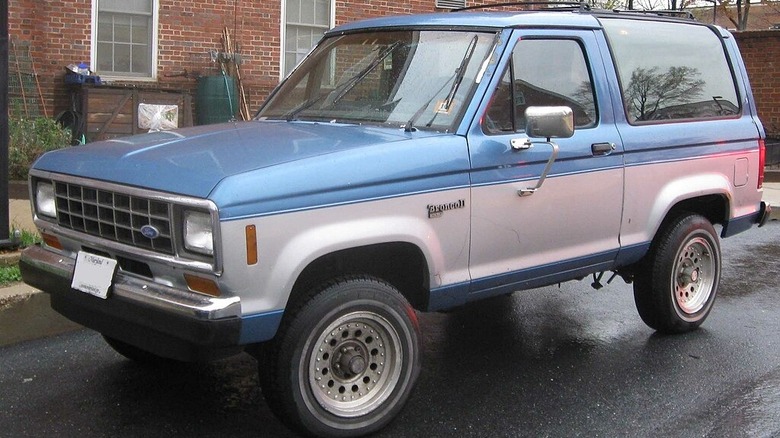
Rust is a major problem on Broncos made before 1995. Floor pans, rocker panels, and wheel wells often show severe rust damage. This weakens the vehicle’s structure and safety.
Body panels may also suffer from corrosion around door edges and tailgates. Rust repairs are expensive and time-consuming.
Credit: www.slashgear.com
Best Years For Reliability
Choosing the most reliable Ford Bronco years can save you money and stress. Some model years stand out for their durability and fewer mechanical problems. These years offer better performance and longer vehicle life. Knowing the best years helps you avoid costly repairs and enjoy your Bronco worry-free.
Durable Generations And Models
The first-generation Bronco, made from 1966 to 1977, is famous for its toughness. These Broncos have simple engines and strong frames. The third generation (1980-1986) also shows good reliability, especially with the straight-six engine. Newer models, especially after 2021, include modern technology that improves durability but can be costly to fix.
Features That Improved Longevity
Models with solid axles and simpler mechanical parts tend to last longer. The classic Bronco’s body-on-frame design adds strength. Later models added better rust protection and improved suspension parts. Engines with fewer electronic components often mean fewer breakdowns. Manual transmissions in older Broncos also add to their reliability.
Why Certain Years Last Longer
Broncos from years with fewer design changes often last longer. Early models had fewer complex systems, which reduces failure points. Some years received upgrades that fixed previous problems. Proper maintenance also plays a key role in longevity. Choosing a year with a good service history increases your chances of a trouble-free ride.
Tips For Buying Used Broncos
Buying a used Ford Bronco can be exciting. These classic SUVs offer style and rugged performance. Yet, some models have issues you must avoid. Knowing what to check helps you find a reliable Bronco. Follow these tips to buy with confidence and avoid costly repairs.
What To Inspect Before Purchase
Start with a thorough exterior check. Look for rust on the body and frame, especially near wheel wells. Check the condition of tires and suspension parts. Inside, test all electronics like lights and gauges. Make sure doors, windows, and roof operate smoothly.
Under the hood, inspect the engine for leaks or corrosion. Check fluid levels and the condition of belts and hoses. A test drive helps reveal issues with brakes, steering, and transmission. Listen for strange noises or vibrations during driving.
How To Spot Potential Problems
Watch for uneven tire wear and poor alignment. These signs hint at suspension or frame damage. Check for thick smoke from the exhaust, which may indicate engine trouble. Be alert to warning lights on the dashboard. Inspect the undercarriage for damage or excessive rust.
Ask about any recent repairs. Look for mismatched paint or parts that suggest past accidents. Check the condition of the seats and carpets for water damage or mold. These could point to leaks or flood history.
Importance Of Maintenance History
A detailed maintenance record shows how well the Bronco was cared for. Regular oil changes, brake checks, and tune-ups help prevent major problems. Ask for service receipts and inspection reports. This history helps predict future reliability and repair costs.
Without maintenance records, expect possible hidden issues. A well-documented vehicle usually means fewer surprises. Prioritize Broncos with a clear and consistent service history. This step saves money and stress over time.
Off-road Performance And Risks
The Ford Bronco is known for its strong off-road performance. It attracts many fans who want a rugged, capable SUV. Still, some model years have risks that can affect off-road reliability. Understanding these helps you choose a Bronco that handles tough terrain well and avoids common issues.
Years With Proven Off-road Capability
Early Broncos from 1966 to 1977 are famous for off-road strength. They have simple, durable parts that handle rough trails. The 1980s models, especially 1985 to 1986, also show good off-road skills. The modern Broncos starting from 2021 offer advanced 4×4 systems and better suspension. These years stand out for their solid off-road performance and fewer breakdowns.
Common Off-road Related Failures
Some Broncos face problems after hard off-road use. Older models may suffer from worn-out suspension parts. Rust in the frame and underbody is common in Broncos from the late 1970s to early 1980s. Electrical issues often appear in 2021 models after heavy off-road use. Transmission problems can also happen in some years, leading to costly repairs.
Upgrades To Improve Durability
Adding skid plates protects the undercarriage from rocks. Upgrading suspension components can prevent early wear. Installing heavy-duty tires improves grip and reduces damage risk. Many owners add snorkels to avoid water damage to the engine. Reinforced bumpers and recovery gear boost safety on tough trails. These upgrades help any Bronco last longer and perform better off-road.
Comparing Ford Bronco And Bronco Sport
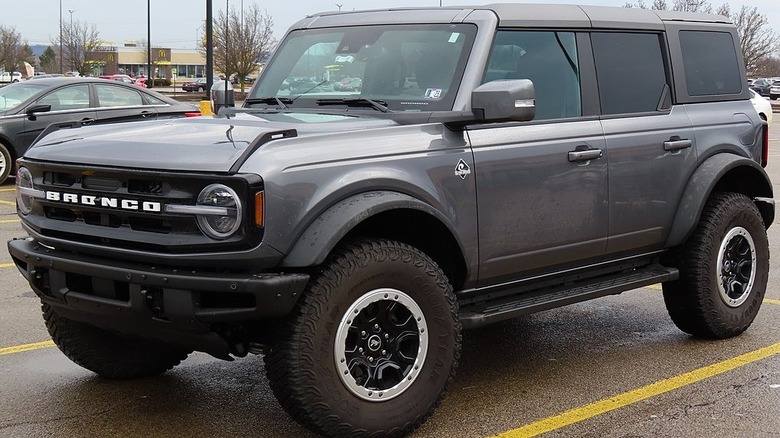
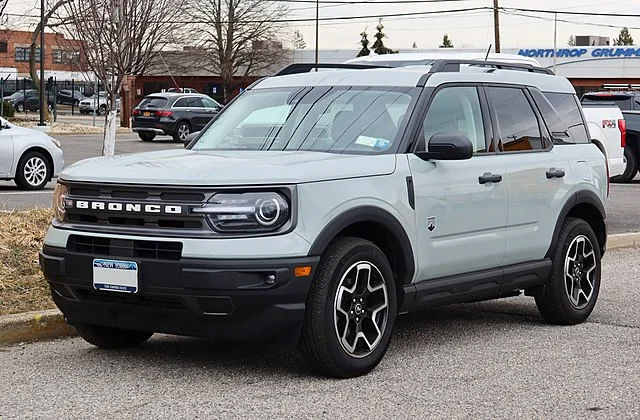
The Ford Bronco and Bronco Sport both carry the iconic Bronco name but serve different needs and styles. The Bronco is a rugged, off-road SUV designed for tough terrains. The Bronco Sport offers a smaller, more urban-friendly design with some off-road capability. Comparing these models helps buyers choose the right vehicle for their lifestyle and budget.
Reliability Differences
The Bronco’s reliability varies by year and model. Some older Broncos faced issues with electrical systems and engine parts. The Bronco Sport, being newer, has fewer reported problems but still shows early model glitches. Regular maintenance improves reliability for both models. Checking specific model years is key before buying.
Years To Avoid For Each Model
For the Bronco, avoid early models from the late 1980s and early 1990s due to rust and engine troubles. The recent reintroduced Bronco models from 2021 had initial software and drivetrain problems. For the Bronco Sport, avoid the first model year, 2021, which had some transmission and software bugs. Later model years show improvements in reliability.
Performance And Comfort Variations
The Bronco offers strong off-road performance with powerful engines and solid suspension. It feels rougher inside, focusing on durability over comfort. The Bronco Sport is smoother on roads with better fuel efficiency. It has a more comfortable interior but less off-road power. Both vehicles suit different driving preferences and environments.
Credit: www.slashgear.com
Credit: www.copilotsearch.com
Frequently Asked Questions
What Year Is The Ford Bronco The Most Reliable?
The 2021 Ford Bronco is the most reliable model year, with improved features and fewer reported issues than earlier versions.
What Ford Broncos To Stay Away From?
Avoid 2021 and 2022 Ford Broncos due to early model issues like transmission and electrical problems. Older Broncos from the early 1980s may also have rust and mechanical concerns. Choose later models for better reliability and fewer costly repairs.
What Is The Best Year To Buy A Used Ford Bronco?
The best year to buy a used Ford Bronco is 2021 or newer. These models offer improved reliability and modern features. Avoid first-generation Broncos and early 2021 models due to initial production issues. Newer Broncos provide better technology, comfort, and fewer mechanical problems.
What Year Do Broncos Have Issues?
The Ford Broncos from 1980 to 1986 often face issues like rust and engine problems. Early 2021 models also had reliability concerns. Avoid these years for fewer repairs and better performance.
Which Ford Bronco Years Should I Avoid For Reliability?
Avoid Broncos from the early 1980s and late 1990s due to common engine and transmission issues. These years often have costly repairs and lower durability. Choosing other years helps ensure better reliability.
Conclusion
Choosing the right Ford Bronco year matters a lot for your satisfaction. Some years have more problems and higher repair costs. Others offer strong performance and fewer issues. Avoiding certain years can save you stress and money. Researching well helps find a reliable Bronco for your needs.
This way, you enjoy your ride without frequent troubles. Trust the facts and user experiences when deciding. A smart choice means better adventures on and off the road.