
If you’re thinking about buying a Ford V10 or already own one, you need to know which model years could cause you headaches. Not all Ford V10 engines were built the same, and some years have a reputation for costly repairs and common problems.
Avoiding these trouble years can save you money, time, and stress down the road. You’ll discover exactly which Ford V10 years to avoid and what to watch out for. By knowing this upfront, you’ll protect your investment and keep your truck running strong.
Keep reading to find out the key years to steer clear of and how to spot potential issues before they become major headaches.
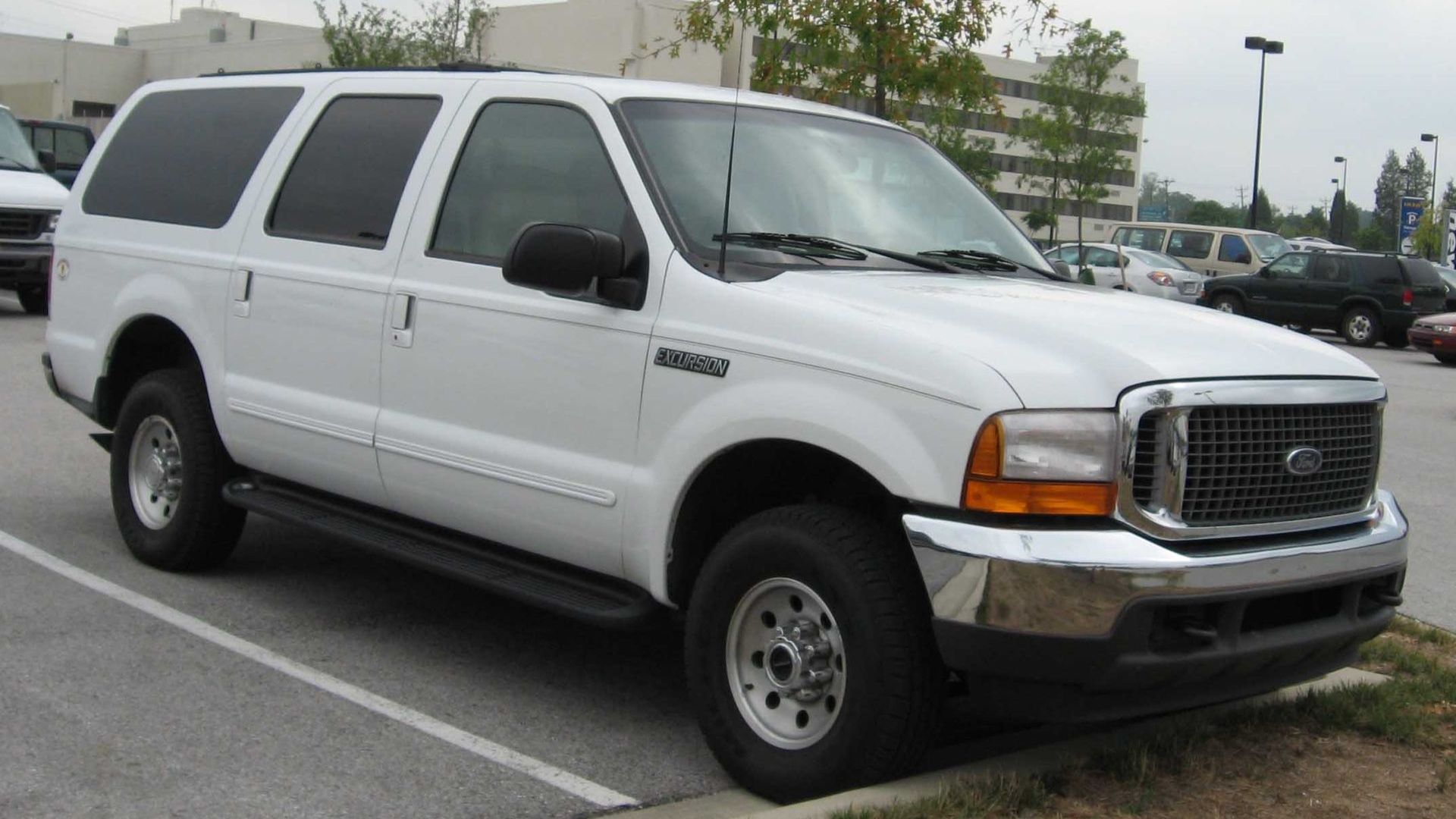
Credit: rerev.com
Ford V10 Problem Years
The Ford V10 engine has powered many trucks and vans, but some years show more problems than others. Identifying these problem years helps buyers and owners avoid costly repairs. Ford V10 engines made between 1997 and 2002 have reported the most issues. These problems often affect engine performance and reliability.
Models From 1997 To 2002
Ford produced several V10 models during 1997-2002. These include the E-Series vans and F-Series trucks. Many users reported engine troubles and part failures in these years. The early versions had design flaws that caused long-term problems. These models require more attention and maintenance than later ones.
Common Engine Issues
Engine problems in these years involve overheating, misfires, and oil leaks. Valve problems and worn spark plugs are frequent complaints. Some engines experience timing chain wear, reducing engine life. These issues often lead to reduced power and higher repair costs. Regular checks can catch problems early.
Exhaust Manifold Bolt Failures
One major issue is exhaust manifold bolt failure. The bolts tend to rust and break over time. Broken bolts cause exhaust leaks and ticking noises. This problem reduces engine efficiency and can damage the manifold. Replacing bolts with stronger aftermarket parts is a common fix.
Pcv Hose Deterioration
The PCV hose in these engines often cracks and hardens. This leads to vacuum leaks and rough idling. A damaged PCV hose can cause increased emissions and poor fuel economy. Replacing old plastic hoses with high-quality rubber ones helps prevent issues. Regular hose inspections are essential for these models.
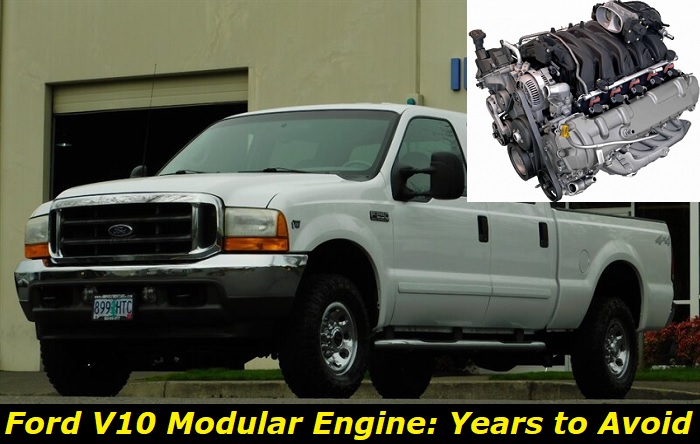
Credit: cararac.com
Symptoms Of Trouble
The Ford V10 engine has earned a solid reputation for power and reliability. Choosing the right model year can reduce your risk of common issues. Some years show fewer problems and offer smoother ownership. This section highlights recommended models, practical fixes, and maintenance tips. These insights help you keep your Ford V10 running strong for years.
Years With Fewer Issues
Ford V10 engines from 2003 to 2008 generally have fewer problems. Improvements in design reduced common failures seen in earlier models. These years feature better exhaust manifold bolts and stronger PCV hoses. Models from this range often require less frequent repairs. Choosing these years can save money and time on maintenance.
Workarounds For Known Problems
Some Ford V10 models still face issues like rusted exhaust manifold bolts. Replacing factory bolts with stainless steel versions prevents breakage. PCV hoses tend to crack after long use but can be swapped with durable aftermarket parts. Upgrading these parts early avoids vacuum leaks and engine ticks. These simple fixes improve engine performance and reliability.
Maintenance Tips For Longevity
Regular oil changes keep the Ford V10 engine healthy. Check and replace PCV hoses every few years to stop leaks. Inspect exhaust manifold bolts for rust and replace if needed. Use quality fuel and keep the cooling system clean. Following these steps extends engine life and reduces costly repairs. Routine care ensures your Ford V10 runs smoothly over time.
Recommended Models
Repair and replacement costs for the Ford V10 can add up quickly. Certain years have more issues that lead to frequent repairs. Knowing which parts fail often helps you prepare financially. Some repairs are more common and costly than others. This section covers key repair expenses to watch out for.
Exhaust Manifold Bolt Repair
Exhaust manifold bolts on many Ford V10 engines rust and snap. This problem is common in models from 1997 to 2002. Broken bolts cause a loud exhaust ticking noise. Repairing this requires removing the old bolts carefully. New bolts and labor can cost several hundred dollars. Ignoring this can lead to exhaust leaks and engine damage.
Pcv Hose Replacement Expenses
PCV hoses in Ford V10 engines become brittle with age. These plastic hoses crack and cause vacuum leaks. Vacuum leaks reduce engine performance and fuel efficiency. Replacing PCV hoses is a simple fix but needs regular attention. The cost for parts and labor is moderate but adds up over time. Checking these hoses yearly can prevent bigger engine problems.
Other Common Repairs
Other repairs include ignition coil failure, fuel injectors, and spark plugs. These parts wear out faster in some Ford V10 years. Repair costs vary depending on the part and labor rates. Routine maintenance helps lower the chance of sudden failures. Budgeting for these repairs helps avoid surprises down the road.
Repair And Replacement Costs
Owner experiences offer valuable insights into which Ford V10 years to avoid. Real user feedback highlights common issues and reliability concerns. These perspectives help potential buyers make informed decisions. The shared knowledge covers various model years and their typical problems.
Feedback From Online Forums
Online forums reveal frequent complaints about early Ford V10 models. Many owners report exhaust manifold bolts rusting and breaking. This causes a loud ticking sound that worsens over time. Plastic PCV hoses often crack, leading to vacuum leaks. These issues appear mostly in 1997-2002 models. Forum members also mention costly repairs and maintenance challenges. Some recommend avoiding these years due to recurring problems.
Youtube Reviews And Insights
YouTube reviewers often test and discuss Ford V10 trucks in detail. Videos highlight fuel consumption as a major concern for older models. Reviewers note that some years require more frequent repairs. Several channels point out that 1997-2002 trucks show more engine wear. Visual inspections reveal worn parts and signs of rust. Reviewers suggest checking these areas closely before buying. These insights help viewers understand real-world conditions.
Community Advice And Support
Ford V10 owner communities provide strong support and practical tips. Members share advice on fixing common issues cost-effectively. Many suggest replacing exhaust bolts and PCV hoses early. The community emphasizes regular maintenance to avoid bigger problems. Experienced owners recommend certain years as more reliable than others. They also warn new buyers to watch out for known defects. This shared knowledge builds confidence and reduces risks.
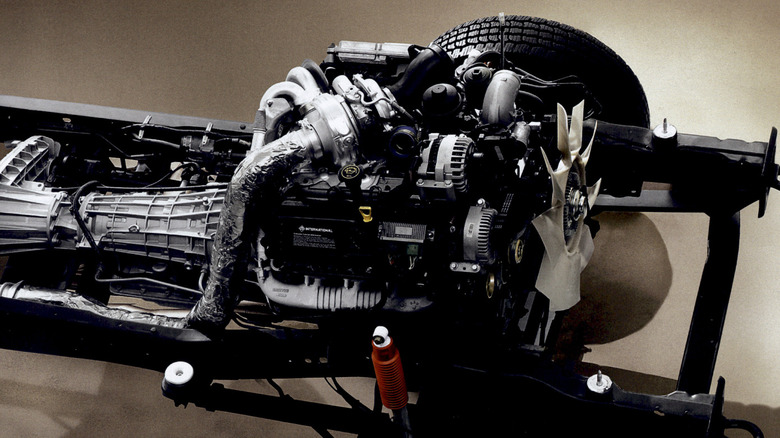
Credit: www.slashgear.com
Frequently Asked Questions
What Is The Best Year For The Ford V10?
The best years for the Ford V10 engine are 1997 to 2002. These models offer reliable performance with fewer common issues. Regular maintenance helps prevent exhaust manifold bolt rust and PCV hose cracks. Choose these years for durability and better overall engine health.
What Year Did Ford Fix The V10 Spark Plug Issue?
Ford fixed the V10 spark plug issue starting with the 2003 model year, improving plug design and accessibility.
Are V10 Ford Engines Reliable?
V10 Ford engines offer solid durability but can have issues like rusted exhaust bolts and brittle PCV hoses. Regular maintenance ensures reliability.
Which V10 Engine Is The Best?
The best V10 engine is the Dodge Viper’s 8. 4L V10. It delivers high power, reliability, and thrilling performance.
Which Ford V10 Years Have The Most Common Engine Problems?
Models from 1997 to 2002 often face issues like rusted exhaust bolts and cracked PCV hoses. These problems can cause exhaust noise and vacuum leaks. Later models improved but still need regular checks.
Conclusion
Avoid the Ford V10 models from 1997 to 2002 for fewer issues. These years had common problems like rusted bolts and cracked hoses. Choosing later models can save you time and money. Regular maintenance helps keep any V10 running smoothly.
Always check for signs of wear before buying. A well-kept truck offers better reliability and peace of mind. Remember, knowing which years to avoid protects your investment and driving experience.