
If you’re thinking about buying a used Pontiac Vibe, knowing which years to avoid could save you a lot of headaches and money down the road. While the Vibe shares many qualities with the reliable Toyota Matrix, some model years have hidden issues that can turn your dream car into a costly repair project.
You’ll discover the specific Pontiac Vibe years that come with common problems, from electrical glitches to premature wear, so you can make a smart choice and protect your investment. Keep reading to find out exactly which Vibes to steer clear of and how to spot a dependable one when shopping.
Your future self will thank you.
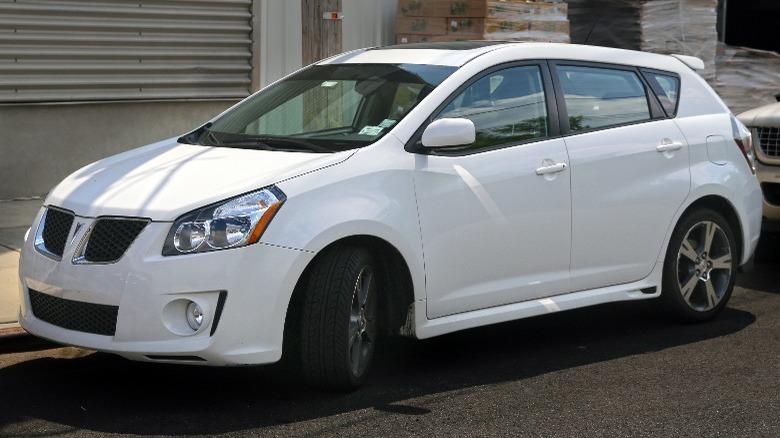
Credit: www.slashgear.com
Pontiac Vibe Model Overview
The Pontiac Vibe is a compact hatchback known for its practical design and Toyota engineering. It shares many parts with the Toyota Matrix, making it popular among budget-conscious buyers. Understanding its model years and engine types helps identify which versions to avoid.
Some Pontiac Vibe models have recurring issues that affect reliability. Knowing the differences between generations and engine changes can guide buyers toward better choices.
Generations And Production Years
The Pontiac Vibe was produced in two main generations. The first generation ran from 2003 to 2008. The second generation was made from 2009 to 2010. Production stopped after 2010 when Pontiac was discontinued.
Each generation has distinct features and updates. The first generation is more common in the used car market. The second generation had some design and performance improvements but is rarer.
Engine Types And Changes
The first generation mostly used a 1.8-liter four-cylinder engine from Toyota. This engine is known for its reliability and fuel efficiency. Some models came with a 2.4-liter engine, offering more power but slightly lower fuel economy.
The second generation continued with the 1.8-liter engine but added slight tweaks for emissions and performance. Both generations used manual or automatic transmissions paired with these engines.
Watch for years with known engine or electrical problems. These can lead to costly repairs over time. Checking the engine type helps spot potential weak spots in the Vibe.
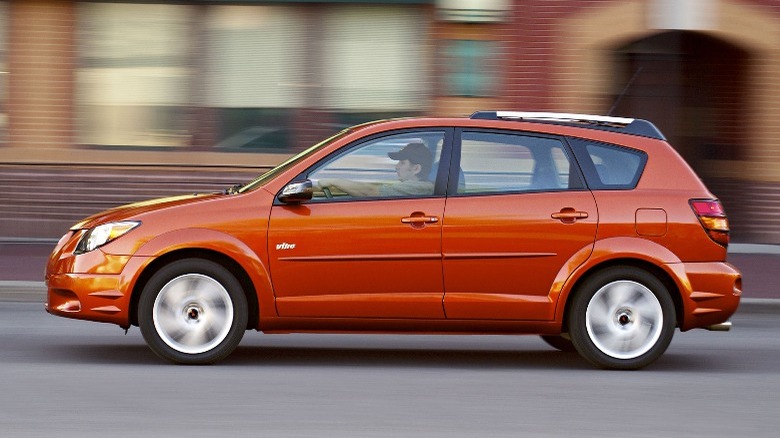
Credit: www.slashgear.com
Years With Common Problems
Some Pontiac Vibe years come with more problems than others. These common issues can affect the car’s reliability and your driving experience. Knowing which years have frequent troubles helps you avoid costly repairs. The problems vary between early and later models. Understanding these issues can guide your choice for a used Pontiac Vibe.
Early Model Issues
The first Pontiac Vibe models, especially from 2003 to 2005, often have transmission problems. Many owners report rough shifting or slipping gears. The automatic transmission can fail prematurely. Engine misfires are also common due to faulty ignition coils. Electrical glitches may cause dashboard warning lights to flicker. Some early models face issues with the fuel system, leading to poor engine performance. Watch out for excessive oil consumption in these years as well.
Later Model Concerns
Later models, from 2006 to 2010, show different problems. Wheel bearings tend to wear out faster than expected. This causes noise and vibration while driving. Certain 2009 and 2010 models have issues with the climate control system. Faulty wiring can lead to problems with door locks and power windows. Some owners also report problems with the alternator, causing battery drain. Regular checks on these components can prevent unexpected failures.
Frequent Mechanical Issues
The Pontiac Vibe is known for its practical design and Toyota-based engineering. Still, certain model years have frequent mechanical issues. These problems can lead to costly repairs and unreliable performance. Understanding common mechanical faults helps avoid trouble down the road.
Many owners report repeated issues with the engine, transmission, and suspension. These parts affect the car’s drivability and safety. Identifying years with these faults can save you money and stress.
Engine And Fuel System
Some Pontiac Vibe years suffer from engine stalling and rough idling. Fuel injectors may clog, causing poor fuel delivery. This leads to lower gas mileage and reduced power. Faulty sensors can trigger the check engine light frequently. Oil leaks around the valve cover gasket are common too. These leaks can cause engine damage if ignored.
Transmission Troubles
Automatic transmissions in certain Vibe models show slipping and delayed shifting. Drivers notice jerky gear changes or failure to shift properly. Transmission fluid leaks are also reported, which can worsen shifting problems. Manual transmissions may experience clutch wear earlier than expected. Repairing or replacing transmissions can be expensive, so it is best to avoid these problematic years.
Suspension And Wheel Bearings
Suspension issues are frequent in some Pontiac Vibe years. Worn struts and shocks result in a rough, bouncy ride. Premature wheel bearing failure causes noise and vibration at higher speeds. This problem can affect steering and tire wear. Replacing wheel bearings and suspension parts is often needed to restore smooth driving.
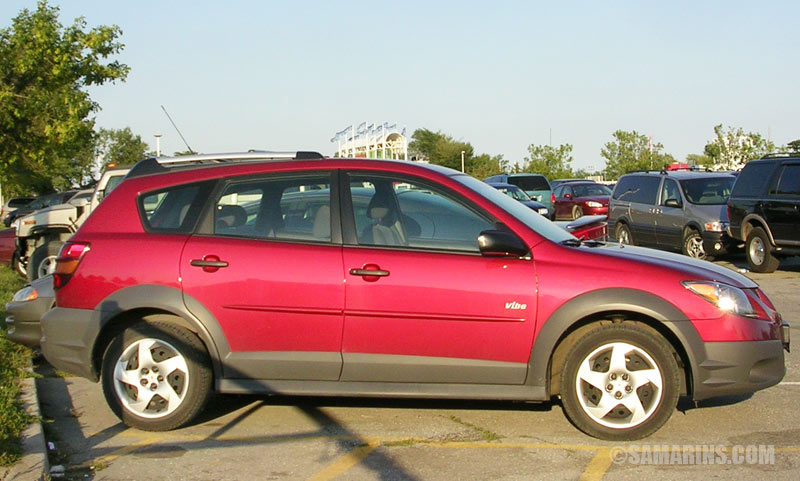
Credit: www.samarins.com
Electrical System Flaws
The Pontiac Vibe has a reputation for some electrical system flaws in certain model years. These issues can cause unexpected failures and costly repairs. Understanding these flaws helps buyers avoid problematic years.
Electrical problems often affect the car’s reliability and daily use. The alternator and wiring are common trouble spots. Accessories such as climate control and door locks may also malfunction. These flaws reduce the car’s overall performance and convenience.
Alternator And Wiring Problems
The alternator in some Pontiac Vibe years tends to fail early. A faulty alternator can drain the battery quickly. This causes the car to stall or not start at all. Wiring issues also appear in certain models. Loose or corroded wires lead to shorts or electrical failures. These problems often result in warning lights on the dashboard. Repairing alternator and wiring faults can be expensive and time-consuming.
Accessory Malfunctions
Many Pontiac Vibe models show problems with accessories. Climate control systems may stop working or behave erratically. Door locks sometimes fail to respond to remote or manual commands. Power windows and mirrors can also malfunction. These accessory issues affect comfort and convenience. Owners often face repeated trips to the mechanic due to these faults.
Maintenance And Repair Costs
Maintenance and repair costs play a vital role in choosing the right Pontiac Vibe year. Some models require more frequent repairs and costly parts. Knowing these costs can save you money and stress. Careful consideration helps avoid unexpected expenses later.
Typical Service Expenses
Routine services include oil changes, brake pads, and tire rotations. These usually cost between $100 and $300 every few thousand miles. Timing belt replacement is essential around 90,000 miles and can cost $500 to $900. Regular inspections help spot issues early and keep costs low. Fuel system cleaning and spark plug replacements are common but affordable services.
Costly Repairs To Watch For
Some Pontiac Vibe years have frequent problems with the wheel bearings. Repairing these can cost $400 to $700. Electrical system glitches, such as faulty wiring and alternator failure, are common. Alternator replacement can reach $600 or more. Transmission troubles appear in certain years, with repairs costing over $1,000. Engine issues, though rare, might require expensive fixes. Watch for recalls and check the vehicle history before purchase.
Safety Recalls And Alerts
Safety recalls and alerts are crucial to consider when buying a used Pontiac Vibe. Some model years had issues that led to official safety recalls. These recalls address potential hazards that could affect driver and passenger safety. Staying informed about recalls helps avoid buying a problematic car. It also ensures any fixes have been applied to keep the vehicle safe.
How To Check For Recalls
Use the National Highway Traffic Safety Administration (NHTSA) website to check recalls. Enter the Pontiac Vibe’s Vehicle Identification Number (VIN) for detailed recall information. Dealers can also provide recall status before purchase. Always confirm that all recall repairs are completed. This step is vital for any used Pontiac Vibe buyer.
Common Safety Issues
Some Pontiac Vibe years had known safety problems. Airbag deployment failures were reported in certain models. Faulty seatbelt mechanisms also appeared in some recalls. Electrical system faults sometimes caused warning lights to malfunction. These issues can compromise safety if not fixed promptly. Avoiding these problematic years reduces risk and repair costs.
Tips For Buying A Used Pontiac Vibe
Buying a used Pontiac Vibe can be a smart choice for budget-conscious drivers. These cars offer good fuel economy and a spacious interior. Still, some years have more issues than others. Careful checking helps avoid costly repairs and keeps you happy with your purchase. The key is to inspect the car thoroughly and understand its history.
Evaluating Maintenance History
Check the car’s service records closely. Look for regular oil changes, brake checks, and tire rotations. A well-maintained Vibe lasts longer and runs smoother. Ask for receipts or digital records from previous owners. Confirm if major repairs like timing belt or water pump replacement were done. Missing maintenance can lead to bigger problems down the road. Also, verify if any recalls were fixed. The NHTSA website offers a free VIN lookup tool for this.
Red Flags During Inspection
Inspect the car carefully for warning signs. Listen for unusual engine noises or rattles. Test the brakes for responsiveness and any squeaking sounds. Check the tires for uneven wear, which may indicate alignment issues. Look under the hood for leaks or corrosion. Test all electrical components such as lights, windows, and locks. Rust on the body or frame can weaken the car’s structure. Take the car for a test drive on different road types. Pay attention to how it handles and accelerates. Finally, consider having a trusted mechanic do a full inspection before buying.
Comparing Pontiac Vibe To Toyota Matrix
Comparing the Pontiac Vibe to the Toyota Matrix reveals many similarities and some key differences. Both models share a joint development history and even some parts. Still, each has unique traits that affect reliability and performance. Understanding these differences helps in choosing the right car and avoiding trouble years.
Reliability Differences
The Toyota Matrix generally holds a stronger reputation for reliability. Toyota’s quality control and parts durability often outpace the Pontiac Vibe. Some Vibe models, especially from later years, show more frequent electrical and mechanical issues. The Matrix tends to have fewer recalls and long-term problems. Choosing a Matrix often means fewer repairs and less worry about breakdowns.
Engine And Component Overlaps
Both cars share many engine options and components. Early Pontiac Vibes even used Toyota engines, making their core mechanics nearly identical. The shared platform means many parts fit both cars, easing maintenance and repairs. Despite this overlap, some Vibe models used different suspension and electrical systems. These differences can impact cost and ease of fixing certain issues. Knowing which parts are shared helps buyers understand what to expect.
Best Pontiac Vibe Years
The Pontiac Vibe earned a solid reputation for reliability and practical design. Some model years stand out for their durability and fewer issues. Choosing the right year can save money and stress. Knowing which models performed best helps buyers make smarter choices.
Models With Fewer Issues
The 2009 and 2010 Pontiac Vibe models show fewer mechanical problems. These years benefited from refined engineering and better build quality. Owners report less frequent repairs, especially with the engine and transmission. Electrical issues, common in earlier years, were also reduced. These models offer a more worry-free ownership experience.
Recommended Years To Consider
Experts often recommend Pontiac Vibes made between 2007 and 2010. These years combine reliability with modern features and safety improvements. The 2008 model stands out for balanced performance and low maintenance costs. Be sure to check the vehicle’s service records and confirm no outstanding recalls. Such steps ensure the car’s condition matches its good reputation.
Frequently Asked Questions
What Are The Best Years For Pontiac Vibe?
The best Pontiac Vibe years are 2009 and 2010 due to improved reliability and fewer common issues. These models feature Toyota engines, enhancing durability. Avoid early models like 2003 and 2004, which often have electrical and wheel bearing problems. Always check maintenance history before buying.
What Year Did Pontiac Vibe Have A Toyota Engine?
The Pontiac Vibe used Toyota engines from 2003 to 2010 across both generations. These engines enhanced reliability and performance.
What Is The Most Common Problem With The Pontiac Vibe?
The most common problem with the Pontiac Vibe is electrical issues, including alternator failures and faulty wiring.
Is It Expensive To Repair A Vibe?
Repairing a Pontiac Vibe is generally affordable due to its reliable Toyota-based design. Common fixes involve simple parts like fuel pumps and sensors. Regular maintenance keeps costs low and prevents expensive repairs. Always check the vehicle’s history to avoid costly issues.
Which Pontiac Vibe Years Have The Most Problems?
The 2003 to 2006 models show more frequent electrical and wheel bearing issues. These years often need costly repairs. Avoid them if possible.
Conclusion
Avoiding certain Pontiac Vibe years can save you time and money. Some models have common issues like electrical problems and early wear. Check the car’s history carefully before buying. Reliable years offer better performance and fewer repairs. Taking time to research helps find a dependable Pontiac Vibe.
Choose wisely for a smoother driving experience.